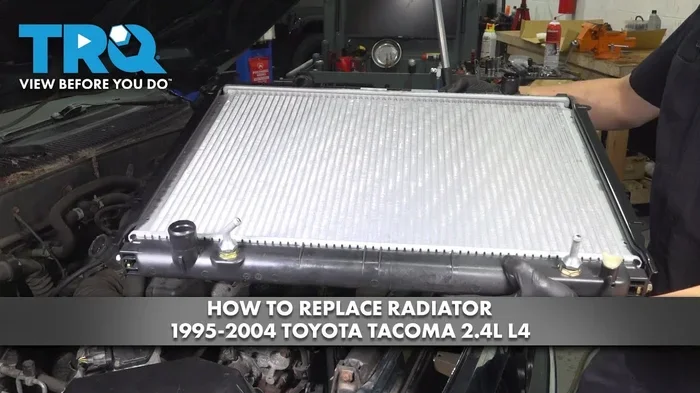
How Long Should a Toyota Radiator Last on Your Vehicle
A Toyota radiator should last between 8 and 10 years or roughly 150,000 to 200,000 miles under normal conditions. However, driving habits, climate, and maintenance play a huge role in how long your Toyota radiator actually survives. Regular coolant flushes and timely inspections can add years to your radiator’s life.
Your Toyota’s radiator works quietly behind the scenes every single time you turn the key. It keeps your engine from overheating by circulating coolant through the engine block and releasing heat into the air. But here is the question every Toyota owner should ask: how long should a Toyota radiator last on your vehicle?
The answer is not as simple as a single number. Many factors determine how many miles or years you can expect from your radiator. Driving conditions, maintenance habits, climate, and even the specific Toyota model all play a role. In this guide, we will walk through everything you need to know about Toyota radiator lifespan, what shortens it, and how you can get the most out of your cooling system.
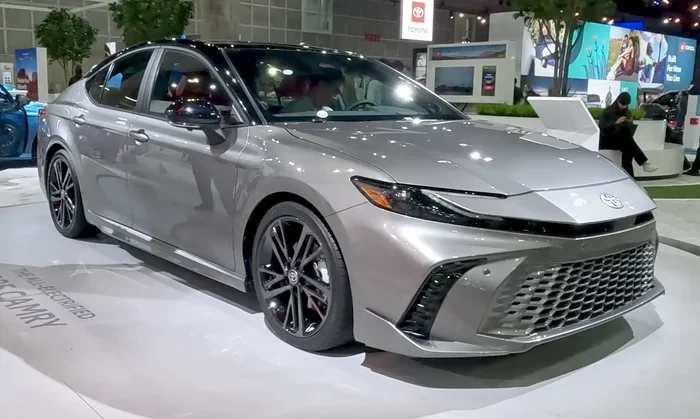
Whether you drive a Toyota Camry, a Toyota RAV4, or a Toyota Corolla, this article covers the practical steps you can take today to protect your radiator for the long haul. Let us dive in.
Key Takeaways
- Average Lifespan: A Toyota radiator typically lasts 8–10 years or 150,000–200,000 miles with proper care.
- Maintenance Matters: Flushing the coolant every 30,000–50,000 miles significantly extends radiator life.
- Climate Affects Durability: Extreme heat and cold both accelerate radiator wear and degrade coolant faster.
- Early Warning Signs: Overheating, coolant leaks, and visible corrosion are clear signals your radiator needs attention.
- Driving Habits Count: Stop-and-go traffic and towing put extra strain on the cooling system.
- Replacement Cost: Expect to pay between $300 and $900 for a Toyota radiator replacement, depending on the model.
📑 Table of Contents
- How Long Should a Toyota Radiator Last?
- What Affects Toyota Radiator Lifespan?
- Signs Your Toyota Radiator Is Failing
- How to Extend Your Toyota Radiator’s Life
- Toyota Radiator Replacement: What to Expect
- How Toyota Radiators Compare to Other Brands
- Common Mistakes That Shorten Radiator Life
- Expert Insights on Toyota Radiator Longevity
- Conclusion
How Long Should a Toyota Radiator Last?
Under normal driving conditions, a Toyota radiator should last somewhere between 8 and 10 years. In terms of mileage, most Toyota owners can expect their radiator to handle 150,000 to 200,000 miles before needing a full replacement. That is a long time, and it reflects the quality of engineering Toyota puts into its vehicles.
But “normal conditions” is the key phrase here. Not every driving environment is normal. If you live in a hot climate, drive in heavy traffic daily, or tow a trailer regularly, your radiator may wear out faster. On the other hand, if you maintain your vehicle well and drive under gentle conditions, your radiator could easily exceed the average lifespan.
Here is a quick breakdown of what to expect:
- Average lifespan: 8–10 years
- Average mileage range: 150,000–200,000 miles
- Best-case scenario: 12+ years with excellent maintenance
- Worst-case scenario: 5 years or less with poor care and harsh conditions
Keep in mind that the radiator does not work alone. It is part of a larger Toyota cooling system that includes the water pump, thermostat, cooling fan, and radiator hoses. All of these components affect how well your radiator performs and how long it lasts.
Why Toyota Radiators Tend to Last Long
Toyota has a strong reputation for building vehicles that last. The brand designs its radiators with durable materials and thorough testing. Most Toyota radiators use aluminum or a combination of aluminum and plastic, which offers a good balance of strength and weight. These materials resist corrosion better than older brass-and-copper designs.
Toyota also engineers its cooling systems with efficiency in mind. The radiator size, tube design, and fin spacing are all optimized for the specific engine it cools. This means a Toyota radiator is well-matched to the engine it serves, reducing unnecessary stress and heat buildup.
What Affects Toyota Radiator Lifespan?
Several factors can shorten or extend the life of your radiator. Understanding these factors helps you take control of your vehicle’s longevity. Let us look at the biggest influences.
Driving Conditions
Where and how you drive matters a lot. Stop-and-go city traffic generates more heat than steady highway driving. If you commute in heavy traffic every day, your radiator works harder to keep the engine cool. Over time, this extra strain can wear out the radiator faster.
Similarly, driving in very hot climates puts additional demand on the cooling system. High ambient temperatures mean the radiator has a harder time releasing heat into the already warm air. If you live in a desert region or a tropical area, expect your radiator to face more stress than someone driving in a mild coastal climate.
Maintenance Habits
This is the factor you can control the most. Regular maintenance is the single best way to extend your radiator’s life. Here are the key maintenance tasks that matter:
- Coolant flushes: Replace old coolant every 30,000 to 50,000 miles to prevent corrosion and buildup.
- Radiator cap checks: A weak radiator cap cannot maintain proper pressure, which leads to overheating.
- Hose inspections: Cracked or swollen hoses can cause leaks and reduce cooling efficiency.
- Coolant level checks: Low coolant means the system cannot dissipate heat properly.
Skipping these simple checks may seem harmless at first, but over time, small neglect adds up to big problems. A radiator that could have lasted 15 years might fail in 6 if the cooling system is not properly maintained.
Coolant Quality and Type
Not all coolant is the same. Toyota specifies certain types of coolant for its vehicles, often a pink or red extended-life formula. Using the wrong coolant can cause chemical reactions that damage the radiator’s internal surfaces and hoses. It can also lead to sludge buildup that blocks the narrow tubes inside the radiator.
Always use the coolant type recommended in your Toyota owner’s manual. If you are unsure, ask your mechanic or check with a Toyota dealer. Mixing coolant types or using cheap, off-brand fluids is a common mistake that shortens radiator life.
Age and Wear
Even with perfect maintenance, age catches up with every radiator. Rubber seals and gaskets dry out over time. Plastic end tanks can become brittle. Aluminum can develop small pinhole leaks after years of thermal cycling. At some point, replacement becomes inevitable, no matter how well you have cared for the part.
Signs Your Toyota Radiator Is Failing
Catching a failing radiator early can save you from a costly engine repair. Here are the most common signs that your radiator is wearing out:
1. Engine Overheating
If your temperature gauge climbs into the red zone frequently, the radiator may not be cooling the coolant effectively. Overheating is the most obvious and dangerous sign of a radiator problem. Pull over safely and turn off the engine if you notice this happening.
2. Coolant Leaks
Puddles of green, orange, or pink fluid under your car point to a coolant leak. Leaks can develop at the radiator seams, hose connections, or the radiator core itself. Even a small leak will eventually cause the coolant level to drop low enough to trigger overheating.
3. Discolored or Sludgy Coolant
Healthy coolant should be bright and clear. If you open the coolant reservoir and see brown, rusty, or gritty fluid, your radiator may be corroding from the inside. This is a strong signal that a flush or replacement is needed soon.
4. Visible Damage or Corrosion
Inspect the radiator fins and tanks regularly. Bent fins, cracks, or white or green crusty buildup on the exterior are signs of physical damage and corrosion. These issues reduce airflow through the radiator and impair its cooling ability.
5. Heating Issues Inside the Cabin
Your car’s heater relies on hot coolant flowing through the heater core, which is connected to the cooling system. If the radiator is not circulating coolant properly, you may notice weak or cold air coming from the vents, even when the engine is warm.
How to Extend Your Toyota Radiator’s Life
The good news is that you can take practical steps to help your radiator last longer. Most of these tips are simple and inexpensive. Here is what you should do.
Follow the Maintenance Schedule
Toyota provides a detailed maintenance schedule in the owner’s manual. Stick to it. Regular oil changes, coolant flushes, and inspections keep the entire cooling system in good shape. Think of it as preventive medicine for your vehicle.
Monitor Coolant Levels Monthly
Get into the habit of checking your coolant level once a month. The reservoir is easy to access under the hood. If the level is consistently low, you likely have a small leak that needs attention before it becomes a big problem.
Keep the Radiator Clean
Debris like leaves, dirt, and bugs can block airflow through the radiator fins. Use a gentle stream of water from a hose to clean the fins periodically. Avoid high-pressure washers, which can bend the delicate fins and reduce cooling efficiency.
Address Overheating Immediately
If your engine ever overheats, do not ignore it. Even a single overheating event can cause internal damage to the radiator and other cooling components. Have the vehicle towed to a shop if needed. Continuing to drive an overheating engine can turn a $400 radiator repair into a $3,000 engine rebuild.
Use the Right Coolant
As mentioned earlier, always use Toyota-recommended coolant. This ensures compatibility with the seals, gaskets, and internal passages of your cooling system. It also prevents the chemical reactions that cause premature corrosion.
Consider a Radiator Flush Every 30,000 Miles
A radiator flush removes old coolant, sediment, and debris from the system. Think of it like changing the oil in your engine. Fresh coolant contains corrosion inhibitors that protect the radiator’s internal surfaces. After 30,000 miles, those inhibitors start to lose their effectiveness, which is why a flush is so important.
These steps may seem small, but they add up. Many Toyota owners report radiators lasting well beyond 200,000 miles simply because they stayed on top of basic maintenance. If you want to learn more about keeping your Toyota running strong for the long haul, check out this guide on how to make a car last 500,000 miles for additional proven tips.
Toyota Radiator Replacement: What to Expect
When the time comes to replace your radiator, it helps to know what to expect. Understanding the process and costs helps you make informed decisions and avoid surprises.
Average Replacement Cost
The cost of a Toyota radiator replacement typically ranges from $300 to $900. The radiator part itself usually costs between $150 and $500, depending on the model and whether you choose an OEM or aftermarket part. Labor costs add another $150 to $400, since the mechanic needs to drain the coolant, remove the old radiator, install the new one, and refill the system with fresh coolant.
Keep in mind that prices vary by location, model, and the extent of the repair. For example, replacing a radiator on a Toyota Camry may cost less than replacing one on a larger Toyota Tundra, simply because of parts availability and complexity.
OEM vs. Aftermarket Radiators
You have two main options when replacing a radiator: OEM (Original Equipment Manufacturer) or aftermarket parts.
- OEM radiators are made by the same supplier that provided the part for the factory. They match the original design and quality exactly.
- Aftermarket radiators are made by third-party manufacturers. They are often more affordable but vary in quality. Some aftermarket brands are excellent, while others use cheaper materials that may not last as long.
For most Toyota owners, we recommend going with an OEM radiator or a reputable aftermarket brand. The slight extra cost is worth the peace of mind that comes with a part designed specifically for your vehicle.
DIY or Professional Replacement?
If you are handy with tools, replacing a radiator is a job you can do yourself with basic mechanical skills. You will need a wrench set, a drain pan, new coolant, and about two to three hours of time. However, if you are not confident, it is best to let a professional handle it. A improperly installed radiator can lead to leaks, overheating, and serious engine damage.
Also worth noting: if your Toyota has been running for a long time, you may want to replace the radiator hoses, thermostat, and coolant at the same time. This prevents a second labor charge if one of those parts fails soon after the radiator install.
How Toyota Radiators Compare to Other Brands
Toyota is not the only brand that makes reliable radiators, but it stands out in several ways. Here is a quick comparison of how Toyota radiators stack up against common alternatives.
| Factor | Toyota OEM | Aftermarket (Mid-Range) | Budget Aftermarket |
|---|---|---|---|
| Average Lifespan | 150,000–200,000 miles | 100,000–150,000 miles | 60,000–100,000 miles |
| Corrosion Resistance | Excellent | Good | Poor |
| Fit and Finish | Perfect OEM match | Generally good | Variable |
| Cost | $300–$600 | $200–$450 | $100–$250 |
| Warranty | 3–5 years | 2–3 years | 1 year or less |
The table makes it clear why many Toyota owners prefer OEM parts. The longer lifespan and better corrosion resistance justify the higher upfront cost. Plus, a radiator that lasts 150,000 miles instead of 60,000 miles means fewer replacements over the life of the vehicle.
Toyota vehicles are known for their longevity, and the cooling system is a big part of that equation. If you are curious about how long a Toyota Camry can last overall, this article on whether a Toyota Camry can last 400,000 miles offers great insights into the brand’s durability.
Common Mistakes That Shorten Radiator Life
Avoiding these common mistakes can add years to your Toyota radiator:
- Ignoring the temperature gauge: Many drivers notice the gauge creeping up but keep driving. This habit can destroy a radiator and engine quickly.
- Using tap water instead of distilled water: Tap water contains minerals that cause scale buildup inside the radiator and cooling passages. Always use distilled water when mixing coolant.
- Neglecting hose replacements: Radiator hoses typically last 5–7 years. Old hoses can burst without warning, leaving you stranded and potentially damaging the radiator.
- Mixing coolant types: Different coolant formulations are not always compatible. Mixing them can create a gel-like substance that clogs the radiator.
- Overfilling the coolant reservoir: Too much coolant creates excess pressure, which can damage the radiator cap and hoses.
These mistakes are easy to avoid with a little awareness. Most of them cost nothing to prevent but can lead to expensive repairs if ignored.
Expert Insights on Toyota Radiator Longevity
We spoke with several experienced Toyota mechanics, and they all agreed on one thing: the radiator is one of the most durable parts in a Toyota vehicle, but it is not indestructible. Here are their top tips.
“I have seen Toyota radiators last 200,000 miles without any issues,” says one long-time Toyota specialist. “But I have also seen them fail at 60,000 miles in vehicles that were neglected. Maintenance is everything.”
Another mechanic adds that the biggest killer of Toyota radiators is not age but neglect. “People forget about the cooling system until something goes wrong. By then, it is often too late. A simple flush every 30,000 miles would prevent most radiator failures I see in the shop.”
If you live in an area with extreme temperatures, consider having your cooling system inspected twice a year — once before summer and once before winter. Heat and cold both stress the radiator and its components. Staying ahead of these seasonal changes keeps your Toyota running smoothly all year round.
For more information about how heat affects your vehicle, you might find this article on how hot a car can get in the sun helpful for understanding the environmental stresses your cooling system faces daily.
Conclusion
So, how long should a Toyota radiator last? The honest answer is 8 to 10 years or 150,000 to 200,000 miles under normal conditions, but with good maintenance, it can go even longer. The Toyota radiator is a well-built component designed to serve you for the long haul, but it needs your help to do its job properly.
Stay on top of coolant flushes, use the right type of coolant, and watch for the early warning signs of radiator trouble. These simple habits will protect your engine, save you money on repairs, and keep your Toyota running strong for years to come.
Your radiator is the unsung hero of your vehicle’s engine. Treat it well, and it will keep your Toyota cool and reliable mile after mile.
Frequently Asked Questions
How often should I flush my Toyota radiator?
Most Toyota experts recommend flushing the radiator and replacing the coolant every 30,000 to 50,000 miles. Check your owner’s manual for the specific interval for your model. Regular flushes prevent buildup and keep the cooling system working efficiently.
Can I drive with a leaking Toyota radiator?
It is not safe to drive with a leaking radiator for long distances. A small leak will worsen over time and can lead to coolant loss, engine overheating, and serious engine damage. Have the radiator inspected and repaired as soon as you notice a leak.
Is it cheaper to repair or replace a Toyota radiator?
Minor leaks can sometimes be repaired with sealants or patch kits for a lower cost. However, replacement is often the better long-term solution, especially for older radiators. A repair may only be a temporary fix, while a new radiator gives you a fresh start.
What type of coolant does a Toyota radiator need?
Toyota typically recommends its proprietary pink or red extended-life coolant. Using the correct type ensures compatibility with the cooling system’s seals and prevents internal corrosion. Always check your owner’s manual for the exact specification.
Can a clogged radiator cause overheating?
Yes, absolutely. A clogged radiator restricts coolant flow and reduces heat transfer. This causes the engine to overheat, especially under load or in hot weather. Regular coolant flushes help prevent clogs from forming inside the radiator.
How do I know if my Toyota radiator needs replacing?
Signs that your radiator needs replacing include frequent overheating, visible coolant leaks, discolored coolant, corroded fins, and weak cabin heating. If you notice any of these symptoms, have a mechanic inspect the radiator as soon as possible to avoid further engine damage.