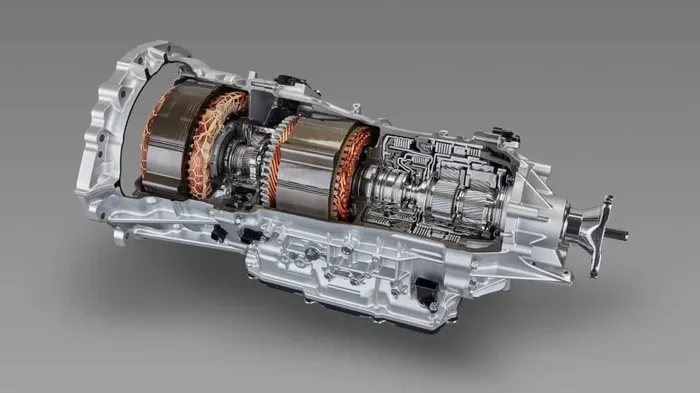
How Long Do Toyota Transmissions Last and What Hurts Them
Toyota transmissions can last between 150,000 and 300,000 miles with proper care. The lifespan depends heavily on driving habits, maintenance habits, and whether you drive an automatic or manual Toyota transmission. Regular transmission maintenance like fluid changes and early detection of problems keeps your drivetrain running strong for years.
Key Takeaways
- Toyota transmissions last 150,000 to 300,000 miles on average when properly maintained.
- Transmission fluid changes every 30,000 to 60,000 miles are essential for longevity.
- Overheating, towing overload, and delayed shifts are the top causes of premature transmission failure.
- Warning signs like grinding, slipping gears, and fluid leaks should never be ignored.
- Regular maintenance and gentle driving habits can double your transmission lifespan.
- Replacing a transmission costs between $1,800 and $3,500 on average.
- Toyota reliability gives these vehicles an edge, but care still determines outcomes.
📑 Table of Contents
How Long Do Toyota Transmissions Last?
Toyota builds some of the most durable vehicles on the road. When it comes to the Toyota transmission, owners often ask one big question: how long will it actually last? The answer is more encouraging than you might think.
Most Toyota transmissions last between 150,000 and 300,000 miles. Some well-maintained units push well past 300,000 miles without a major rebuild. The key variable is maintenance. A transmission that gets regular fluid changes and gentle treatment will outlive one that is neglected.
Automatic transmissions in Toyotas like the Camry, RAV4, and Highlander tend to reach the 200,000-mile mark comfortably. Manual transmissions often last even longer because they have fewer complex components. But neither type lasts forever without attention.
If you want your Toyota to reach the 300,000-mile milestone, your transmission needs consistent care. Think of it like brushing your teeth. Skip it for a while and problems build up fast.
What Affects Transmission Lifespan?
Several factors determine how many miles your transmission will handle. Here is a quick breakdown:
- Driving habits: Aggressive acceleration and hard shifting wear parts faster.
- Maintenance schedule: Skipping fluid changes is the number one killer.
- Climate: Hot weather increases transmission stress and fluid breakdown.
- Towing and load: Heavy loads strain the transmission beyond normal limits.
- Vehicle model: Some Toyota models have proven more reliable than others.
When you combine good habits with regular service, you set your transmission up for a long, healthy life. And that saves you thousands in repair costs.
What Hurts a Toyota Transmission?
Now let us talk about the enemy. What causes Toyota transmissions to fail early? Many drivers unknowingly damage their transmission every day. Understanding these threats helps you avoid costly repairs.
Low or Dirty Transmission Fluid
Transmission fluid is the lifeblood of your drivetrain. It lubricates gears, cools internal components, and helps with smooth shifting. When fluid gets low or dirty, everything suffers.
Dirty fluid loses its ability to lubricate. Metal parts grind against each other. Heat builds up. Over time, this causes irreversible damage to clutch packs and internal seals.
Quick tip: Check your transmission fluid level monthly. If it looks dark brown or smells burnt, it is time for a change. Fresh fluid keeps everything running cool and smooth.
Overheating
Heat is a transmission killer. Toyota transmissions operate best between 175 and 220 degrees Fahrenheit. When temperatures climb above 225 degrees, fluid breaks down rapidly.
Overheating happens for several reasons. Towing too much weight is a common cause. Stop-and-go traffic in summer also creates heat buildup. And a failing cooling system makes everything worse.
If you live in a hot climate, your transmission works harder. Consider adding an auxiliary transmission cooler if you regularly haul heavy loads or drive in extreme heat.
Delayed Gear Shifts
Do you shift from drive to reverse before the car fully stops? This habit destroys transmission components. The gears are still spinning when they should be at a complete stop.
Delayed shifts also hurt. When your Toyota hesitates before engaging a gear, the transmission is struggling. This creates extra wear on clutch packs and bands inside the unit.
If you notice shifting delays, do not ignore them. Early intervention prevents a small problem from becoming a full transmission replacement.
Ignoring Warning Signs
Your Toyota tells you when something is wrong. The problem is most drivers do not listen. Warning lights, unusual noises, and fluid leaks are all cries for help.
The engine management light can sometimes signal transmission issues. If you see this light paired with shifting problems, get your vehicle inspected immediately.
Ignoring early warning signs is the fastest way to turn a $300 repair into a $3,000 disaster. Small problems grow fast when left untreated.
Towing Beyond Capacity
Toyota trucks and SUVs have specific towing limits. Exceeding those limits puts enormous stress on the transmission. The extra weight causes overheating and accelerated wear.
If you regularly tow near your vehicle’s maximum capacity, your transmission will wear faster. Consider upgrading to a transmission cooler or reducing your load when possible.
Signs Your Toyota Transmission Is Failing
Catching transmission problems early saves money and prevents breakdowns. Here are the most common signs that your transmission needs attention.
Slipping Gears
Does your Toyota feel like it is changing gears on its own? Slipping gears mean the transmission cannot hold the proper gear ratio. This is a serious issue that needs immediate attention.
Grinding or Shaking During Shifts
Smooth shifts should feel effortless. If you feel grinding, shaking, or jerking when the transmission changes gears, something is wrong. This often indicates worn clutch components or low fluid levels.
Fluid Leaks Under the Vehicle
Red or brown fluid pooling under your Toyota is a clear sign of a transmission leak. Do not let this sit. Low fluid levels cause internal damage quickly.
Burning Smell
A burning smell from the engine area often means overheated transmission fluid. This is a dangerous sign. Pull over safely and let the vehicle cool down before driving further.
Unusual Noises in Neutral
Humming, clunking, or whining sounds when your Toyota is in neutral point to internal transmission wear. These noises often get worse over time and should be diagnosed promptly.
How to Extend Your Transmission Life
The good news is that you have plenty of control over your transmission lifespan. Follow these proven strategies to keep your Toyota transmission running strong.
Stick to a Regular Maintenance Schedule
Toyota recommends transmission fluid changes every 30,000 to 60,000 miles for most models. Stick to this schedule without exception. Fresh fluid protects internal components and keeps temperatures stable.
Also replace the transmission filter if your model has one. A clogged filter restricts fluid flow and causes overheating.
Drive Gently, Especially When Warm
Your transmission needs time to warm up in cold weather. Avoid aggressive acceleration during the first few minutes of driving. Let the fluid circulate and reach proper operating temperature first.
Once warm, smooth driving habits go a long way. Avoid sudden bursts of speed and hard braking whenever possible.
Address Problems Immediately
Do not wait for a small issue to become a big one. If you notice any warning signs, get your Toyota inspected right away. Early diagnosis often means a simple fix instead of a full rebuild.
Keep Your Cooling System in Good Shape
The cooling system works hand in hand with your transmission. A malfunctioning radiator or cooling fan can cause transmission overheating. Make sure your cooling system gets regular attention.
Consider an Auxiliary Transmission Cooler
If you tow frequently or drive in hot climates, an auxiliary cooler is a smart investment. It keeps transmission temperatures in the safe range and extends component life significantly.
Transmission Maintenance Schedule
Here is a simple maintenance timeline to keep your Toyota transmission in top shape.
- Every 15,000 miles: Check transmission fluid level and condition.
- Every 30,000 miles: Perform a transmission fluid change.
- Every 60,000 miles: Replace the transmission filter (if applicable).
- Every 100,000 miles: Inspect transmission mounts and seals for wear.
- Every 150,000 miles: Consider a professional transmission inspection.
Following this schedule keeps your transmission healthy and helps you avoid unexpected failures. It also preserves the resale value of your Toyota.
If you are trying to keep your Toyota running for the long haul, proper maintenance pays off big time. Many owners have made their Toyotas last 500,000 miles or more with consistent care.
When to Replace vs. Repair Your Transmission
Not every transmission problem requires a full replacement. Understanding when to repair and when to replace saves you money and frustration.
Small issues like fluid leaks, sensor failures, and solenoid problems usually cost between $300 and $800 to fix. These are worthwhile repairs that extend transmission life significantly.
However, if the transmission has internal damage like worn clutch packs or a damaged torque converter, a rebuild or replacement becomes necessary. A rebuild typically costs between $1,800 and $3,500. A full replacement can run $4,000 or more depending on your Toyota model.
Consider your vehicle’s overall condition when deciding. If your Toyota has 250,000 miles and the transmission fails, a replacement might not make financial sense. In that case, you may want to evaluate whether the actual cash value of your car justifies the repair expense.
On the other hand, if you have a newer Toyota with solid body and frame condition, investing in a transmission rebuild or replacement often makes perfect sense. These vehicles can easily last another 150,000 miles with a fresh transmission.
Toyota transmissions are known for reliability, and the brand’s strong reputation means replacement parts are widely available and affordable compared to other manufacturers. This works in your favor when repair costs arise.
Final Thoughts
Toyota transmissions are built to last. With proper care and attention, you can expect 150,000 to 300,000 miles from your Toyota transmission. The key is consistent maintenance and gentle driving habits.
Do not ignore warning signs. Do not skip fluid changes. And do not push your transmission beyond its limits with excessive towing or aggressive driving.
Your transmission is one of the most expensive components to replace in any vehicle. Taking care of it is one of the smartest investments you can make. Follow the maintenance schedule, drive with care, and your Toyota will reward you with years of reliable service.
For more tips on keeping your Toyota in top shape, check out guides on making your car last longer and understanding vehicle reliability ratings. A little prevention today saves big headaches tomorrow.
Frequently Asked Questions
How many miles does a Toyota transmission typically last?
Most Toyota transmissions last between 150,000 and 300,000 miles. With excellent maintenance and gentle driving, some units exceed 300,000 miles. Your driving habits and maintenance schedule are the biggest factors.
What is the most common cause of Toyota transmission failure?
The most common cause is neglected transmission fluid. Dirty or low fluid leads to overheating, grinding, and accelerated wear. Other major causes include towing beyond capacity and ignoring early warning signs like slipping gears.
How often should I change my Toyota transmission fluid?
Toyota recommends changing transmission fluid every 30,000 to 60,000 miles for most models. If you drive in extreme heat or tow frequently, consider changing it every 20,000 miles for extra protection.
Is it worth rebuilding a Toyota transmission?
Yes, if your Toyota is in good overall condition and has under 200,000 miles. A rebuild typically costs $1,800 to $3,500 and can add another 150,000 miles of life. For older vehicles with high mileage, replacement may not be cost-effective.
Do Toyota automatic transmissions last longer than manual ones?
Manual transmissions generally last longer because they have fewer complex components. However, modern Toyota automatics are very durable and can reach 250,000 to 300,000 miles with proper care. Both types offer excellent longevity.
Can overheating really destroy a Toyota transmission?
Yes, overheating is one of the fastest ways to damage a transmission. When fluid temperatures exceed 225 degrees Fahrenheit, the fluid breaks down and internal components suffer. Keeping your cooling system in good shape is essential for transmission health.