How Long Can a Toyota Highlander Go Without an Oil Change
Most Toyota Highlanders can go between 10,000 and 15,000 miles before needing an oil change when using synthetic oil. However, the exact interval depends on your model year, driving habits, and the oil type you use. Ignoring the Toyota Highlander oil change schedule can lead to serious engine damage over time.
Owning a Toyota Highlander comes with a lot of perks. It is a reliable SUV that handles family road trips, daily commutes, and everything in between. But one question many Highlander owners ask is simple: how long can you really go without an oil change?
The answer is not as straightforward as you might think. A lot depends on your model year, the type of oil you use, and how you drive. In this guide, we will break down everything you need to know about the Toyota Highlander oil change schedule. You will learn the recommended intervals, warning signs to watch for, and practical tips to keep your engine running strong for years.
Let us get into it. Whether you just bought a Highlander or have been driving one for years, this guide has something useful for you.
Key Takeaways
- Oil Change Interval: Most newer Toyota Highlanders can go 10,000 to 15,000 miles between oil changes with synthetic oil.
- Older Models: Traditional Toyota Highlanders may need an oil change every 5,000 to 7,500 miles.
- Warning Signs: Dark oil, engine noise, and the wrench light are clear signals your vehicle needs service.
- Driving Conditions: Severe driving habits like towing or extreme temperatures shorten oil life significantly.
- Oil Type Matters: Synthetic oil lasts longer and offers better protection than conventional oil.
- Check Your Manual: Always refer to the owner’s manual for the exact maintenance schedule for your specific model year.
- Regular Maintenance Saves Money: Staying on top of oil changes prevents costly engine repairs down the road.
📑 Table of Contents
- Understanding Oil Change Intervals for the Toyota Highlander
- How Long Can a Toyota Highlander Actually Go Without an Oil Change?
- Signs Your Toyota Highlander Needs an Oil Change
- What Happens If You Skip Oil Changes?
- How to Choose the Right Oil for Your Toyota Highlander
- DIY Oil Change vs. Professional Service
- Common Mistakes People Make With Toyota Highlander Oil Changes
- Expert Tips to Maximize Time Between Oil Changes
- Final Thoughts on Toyota Highlander Oil Change Intervals
Understanding Oil Change Intervals for the Toyota Highlander
Every vehicle has a recommended oil change interval. The Toyota Highlander is no different. But the interval has changed a lot over the years as Toyota updated its engineering and oil technology.
What the Owner’s Manual Says
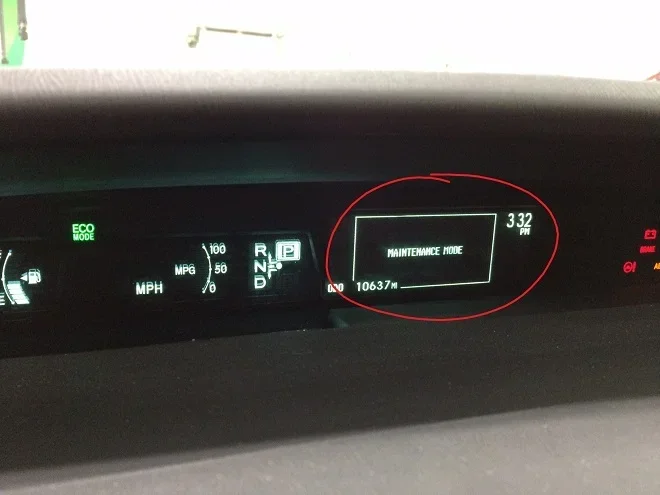
Your owner’s manual is the best place to start. It contains the official maintenance schedule for your specific model year. Most modern Toyota Highlanders come with a maintenance reminder system. This system tracks your mileage and driving conditions to tell you when an oil change is due.
Here is a general breakdown of what to expect:
- 2014 and newer models: Typically 10,000 miles or 12 months with synthetic oil.
- 2008 to 2013 models: Usually 5,000 to 7,500 miles with conventional or synthetic oil.
- 2007 and older models: Often 5,000 miles or 6 months, whichever comes first.
These numbers are general guidelines. Always check your specific owner’s manual for the exact recommendation. Toyota designs each model with a specific maintenance plan in mind.
Oil Type and Its Impact on Change Intervals
The type of oil you use plays a huge role in how long you can go between changes. Toyota generally recommends synthetic oil for newer Highlanders. Synthetic oil has several advantages over conventional oil.
It resists breakdown at high temperatures better. It flows more smoothly in cold weather. And it lasts significantly longer before needing a replacement. Here is a quick comparison:
- Synthetic oil: Lasts up to 10,000 to 15,000 miles. Offers the best engine protection.
- Synthetic blend: Lasts about 7,500 miles. A good middle-ground option.
- Conventional oil: Lasts around 5,000 miles. More affordable but requires more frequent changes.
Using the right oil type for your Highlander ensures your engine gets proper protection. It also helps you stick to the recommended oil change interval without any guesswork.
How Long Can a Toyota Highlander Actually Go Without an Oil Change?
Here is the real answer. A Toyota Highlander can technically go up to 15,000 miles without an oil change if you use full synthetic oil and drive under normal conditions. But that does not mean you should push it that far every time.
Several factors affect how long your oil actually lasts. Let us look at them in detail.
Driving Conditions That Shorten Oil Life
Not all driving is equal. Toyota defines “severe driving” as conditions that put extra stress on your engine. If you regularly experience any of these, you should shorten your oil change interval:
- Frequent short trips under five miles
- Driving in extreme heat or cold
- Towing heavy loads or trailers
- Stop-and-go traffic for long periods
- Driving on dusty or unpaved roads
- Extended idling
Under these conditions, oil breaks down faster. It loses its ability to lubricate and protect engine components. In severe driving situations, consider changing your oil every 5,000 to 7,500 miles even if your manual says otherwise.
The Oil Life Monitoring System Explained
Most modern Toyota Highlanders have an oil life monitoring system. This system uses sensors and algorithms to estimate when your oil needs changing. It takes into account your driving patterns, temperature, and engine load.
When the system triggers a warning, it is time to schedule service. However, the system is not perfect. It can sometimes give you a little extra time, or it can err on the side of caution. Either way, pay attention to it. Ignoring the oil life monitoring system is one of the fastest ways to hurt your engine.
Interestingly, warning lights on your dashboard can also signal oil or maintenance issues. For example, some owners confuse the wrench light with other alerts. Understanding what each light means helps you respond faster and avoid damage.
Signs Your Toyota Highlander Needs an Oil Change
Even with a maintenance reminder system, it is good to know the physical signs that your oil needs changing. Your vehicle will tell you if you pay attention.
Dark or Dirty Oil
New oil is amber in color. As it ages, it darkens. By the time it turns black or dark brown, it has collected dirt, debris, and combustion byproducts. You can check your oil level and color using the dipstick. If it looks dark and gritty, do not wait. Schedule an oil change right away.
Increased Engine Noise
Clean oil lubricates engine parts smoothly. Old oil loses its viscosity and cannot protect components as well. You might notice more engine noise, especially during cold starts. A knocking or ticking sound is a red flag. It means metal parts are grinding together without proper lubrication.
Reduced Fuel Efficiency
Old, dirty oil creates more friction inside the engine. This means your engine works harder to do the same job. The result? You fill up the gas tank more often. If you notice a drop in fuel economy, your oil might be the culprit.
The Dashboard Warning Light
Your Highlander has several warning lights for a reason. The oil pressure light and the maintenance reminder are there to protect your engine. If either one comes on, take it seriously. Some drivers ignore these lights for weeks, which can lead to serious engine problems.
On newer Toyota models, the wrench light is a common maintenance indicator. If you are unsure what this light means, it is worth learning more about it. Understanding your dashboard warnings can save you from costly repairs.
What Happens If You Skip Oil Changes?
Skipping oil changes might seem harmless in the short term. But over time, the consequences add up fast. Let us look at what can go wrong.
Engine Sludge Build-Up
Old oil breaks down and forms sludge. This thick, dark substance coats engine components and restricts oil flow. Sludge buildup reduces engine performance and can eventually cause complete engine failure. Repairing sludge damage is expensive and often preventable.
Increased Engine Wear
Oil is the lifeblood of your engine. It reduces friction between moving metal parts. Without fresh oil, those parts grind against each other. Over time, this causes excessive wear on bearings, camshafts, and cylinder walls. The result is a shortened engine lifespan.
Overheating Problems
Oil helps regulate engine temperature by absorbing and dissipating heat. Old oil cannot do this job effectively. Your engine may run hotter than normal, leading to overheating. In extreme cases, overheating can warp engine blocks and head gaskets.
Voided Warranty
If your Highlander is still under warranty, skipping oil changes can void that warranty. Toyota requires owners to follow the maintenance schedule in the owner’s manual. Failing to do so means you could be on the hook for expensive repairs that would otherwise be covered.
Some owners wonder if they can still drive their Highlander in certain situations even when maintenance is overdue. For instance, if your key fob stops working, you might wonder whether you can still start or drive the vehicle. Understanding the limits of your vehicle in various scenarios helps you make smarter decisions about maintenance priorities.
How to Choose the Right Oil for Your Toyota Highlander
Not all oil is created equal. Choosing the right oil for your Highlander makes a big difference in engine health and longevity.
Viscosity Ratings Explained
Oil viscosity refers to how thick or thin the oil is at different temperatures. Toyota recommends specific viscosity ratings for each Highlander model year. The most common ratings you will see are 0W-20 and 5W-30. The “W” stands for winter, and the number before it indicates cold-flow performance. The number after the “W” shows the oil’s thickness at operating temperature.
Always use the viscosity grade recommended in your owner’s manual. Using the wrong viscosity can reduce engine protection and affect performance.
API Certification Matters
Look for oil that carries the API (American Petroleum Institute) certification. This ensures the oil meets industry standards for quality and performance. Most Toyota Highlanders work best with oil that carries the API SN or SP rating. These ratings indicate the oil has been tested for modern engine requirements, including emissions protection and fuel efficiency.
Brand Recommendations
Toyota does not officially endorse a specific aftermarket oil brand. However, many owners and mechanics recommend brands like Mobil 1, Castrol EDGE, and Valvoline SynPower. These brands offer high-quality synthetic oils that meet or exceed Toyota specifications.
You can also purchase Genuine Toyota oil from your local dealer. This ensures the oil meets Toyota’s exact standards. If you are considering service at a dealer, it is worth noting that some Lexus service centers can also handle Toyota maintenance. This gives you more options for keeping your vehicle in top shape.
DIY Oil Change vs. Professional Service
Some Highlander owners prefer to change their own oil. Others trust professional technicians. Both approaches have their pros and cons.
Doing It Yourself
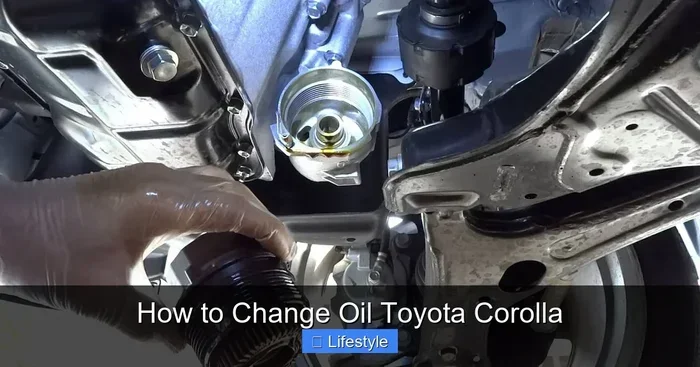
A DIY oil change can save you money and teach you more about your vehicle. Here is what you need:
- The right type and amount of oil (check your manual)
- A new oil filter (OEM or high-quality aftermarket)
- A socket wrench and oil filter wrench
- A drain pan and funnel
- Jack stands or a ramp
- Disposable gloves and rags
Changing your own oil is straightforward for most DIY enthusiasts. Just make sure you dispose of the old oil properly. Many auto parts stores accept used oil for recycling.
Going to a Professional
Professional oil changes offer convenience and expertise. A trained technician can also inspect your vehicle for other issues during the service. Many Toyota dealerships offer oil change packages that include multi-point inspections. This is a great way to catch small problems before they become big ones.
If you are wondering about service options outside the dealership, some independent shops can handle Toyota maintenance just as well. It is always worth comparing service options and costs to find what works best for you and your budget.
Common Mistakes People Make With Toyota Highlander Oil Changes
Even well-meaning owners make mistakes when it comes to oil changes. Here are the most common ones to avoid.
Waiting Too Long Between Changes
The most common mistake is simply waiting too long. Some owners push their oil change past the recommended interval because they are busy or they forget. Do not do this. Old oil loses its protective properties and can cause engine damage.
Using the Wrong Oil
Using the wrong oil type or viscosity is another frequent error. Some owners grab whatever oil is on sale without checking if it matches their Highlander’s requirements. Always double-check the oil specification before you pour.
Forgetting to Replace the Oil Filter
The oil filter catches contaminants and keeps your oil clean. If you change the oil but forget the filter, the new oil will quickly become dirty again. Always replace the oil filter with every oil change.
Ignoring the Maintenance Reminder System
Some owners reset the maintenance reminder but do not actually change the oil. This clears the warning without fixing the problem. Always perform the service before resetting the system.
Not Checking Oil Level Regularly
Even between oil changes, you should check your oil level regularly. A simple dipstick check once a month can catch leaks or burning issues early. Low oil levels can cause serious engine damage if left unaddressed.
Expert Tips to Maximize Time Between Oil Changes
Want to get the most out of every oil change interval? Follow these expert tips.
- Use full synthetic oil. It lasts longer and provides superior protection compared to conventional oil.
- Drive smoothly. Avoid aggressive acceleration and hard braking. Gentle driving puts less stress on your oil.
- Keep up with oil level checks. Top off low oil between changes to maintain proper lubrication.
- Follow the severe service schedule if needed. If your driving conditions are tough, shorten your interval.
- Store your Highlander properly. If the vehicle sits for long periods, oil can degrade. Consider changing it before long storage periods.
- Keep records. Track every oil change with the date, mileage, and oil type. This helps you stay organized and proves maintenance for warranty claims.
Taking care of your Highlander’s oil is one of the simplest things you can do. It costs very little and pays off big time in engine longevity and performance.
Final Thoughts on Toyota Highlander Oil Change Intervals
So, how long can a Toyota Highlander go without an oil change? The short answer is 10,000 to 15,000 miles with synthetic oil under normal conditions. But the better answer is: as long as your owner’s manual recommends, and no longer.
Your Highlander is a durable, well-engineered vehicle. But it still needs basic maintenance to perform at its best. Oil changes are the single most important thing you can do to protect your engine. They are fast, affordable, and easy to schedule.
Pay attention to your oil life monitoring system. Watch for warning signs like dark oil or engine noise. And never ignore the maintenance reminder on your dashboard. These small habits add up to a lifetime of reliable driving.
Whether you change your own oil or visit a Toyota dealer, staying on top of the oil change schedule is the key to a long-lasting Highlander. Your future self will thank you when your SUV keeps running strong for hundreds of thousands of miles.
Frequently Asked Questions
How many miles can a Toyota Highlander go without an oil change?
Most newer Toyota Highlanders can go up to 10,000 to 15,000 miles between oil changes when using full synthetic oil. However, older models or those driven under severe conditions may need an oil change every 5,000 to 7,500 miles. Always check your owner’s manual for the exact recommendation.
Can I use conventional oil instead of synthetic in my Toyota Highlander?
Yes, you can use conventional oil, but it will not last as long. Conventional oil typically requires changes every 5,000 miles. Synthetic oil can go up to 15,000 miles. Synthetic oil also provides better protection against heat and friction, which is why Toyota recommends it for newer models.
What happens if I go too long without an oil change?
Going too long without an oil change causes the oil to break down and lose its lubricating properties. This leads to increased engine friction, sludge buildup, and overheating. Over time, it can cause serious engine damage that may require expensive repairs or even a full engine replacement.
Does the Toyota Highlander have an oil change reminder system?
Yes, most Toyota Highlanders come with an oil change reminder system. This system monitors your mileage and driving conditions to estimate when an oil change is due. When it triggers, you should schedule service. You can reset the system after the oil change is completed.
How much does a Toyota Highlander oil change cost?
A Toyota Highlander oil change typically costs between $65 and $125 at a dealership. DIY oil changes can cost as little as $30 to $50 in materials. The exact cost depends on the oil type, filter, and whether you go to a dealer or an independent shop.
Can I drive my Toyota Highlander if the oil change light is on?
You can drive a short distance with the oil change light on, but you should not delay the service for long. The light is a reminder that your oil is due for a change. Continuing to drive with old oil can lead to engine wear and reduced performance. Schedule an oil change as soon as possible.