Here Is How You Turn On Auto High Beam in a Toyota
Turning on auto high beam in a Toyota is simple once you know where to look. The auto high beam feature uses a sensor to detect oncoming traffic and switches between low and high beams automatically. This guide covers the exact steps for most Toyota models, including the Camry, RAV4, and Corolla, so you can drive safer at night with less stress.
Driving at night can be stressful. You are on a dark road, and you need to see what is ahead. But you also have to worry about blinding other drivers when you forget to switch between low and high beams. This is where auto high beam comes in. It is one of the most helpful safety features modern Toyota vehicles offer. If you have ever wondered how to turn on auto high beam in a Toyota, you are in the right place. This guide walks you through everything step by step.
The auto high beam Toyota system uses a sensor mounted near the rearview mirror. It detects light from oncoming vehicles and traffic ahead. When it senses other cars, it dims your headlights automatically. When the road is clear, it switches back to high beam. This means you get maximum visibility without having to think about it. Whether you drive a Toyota Camry, RAV4, or Corolla, this feature can make a big difference.
Many drivers do not even realize their Toyota has this feature. It is often standard or optional on higher trims. Once you know how it works and how to activate it, you will wonder how you ever drove without it. Let us dive into the details and get you set up for safer nighttime driving.
Key Takeaways
- Auto high beam makes night driving safer: The system automatically switches between low and high beams based on surrounding traffic.
- You can turn it on from the steering wheel or dashboard: Most Toyota models use a lever or button near the turn signal stalk.
- The indicator light tells you when it is active: A blue headlight icon on the dashboard shows that auto high beam is working.
- Not all Toyota models have it: Check your owner’s manual or trim level to confirm your vehicle supports this feature.
- Keep the sensor clean: Dirt or debris on the windshield near the rearview mirror can block the sensor and cause issues.
- Regular maintenance helps: A healthy car battery and electrical system ensure the auto high beam works properly.
📑 Table of Contents
What Is Auto High Beam and Why Does It Matter?
Auto high beam is a smart lighting system in your Toyota. It uses a camera or sensor to read the light around you. When no other vehicles are detected, your headlights stay on high beam. When another car approaches, the system dims them to low beam. After the car passes, it switches back to high beam. This all happens without you touching anything.
Here is why this matters so much:
- Better visibility: High beam gives you a much wider view of the road ahead, especially on dark highways.
- Safer driving: You do not have to worry about accidentally blinding oncoming drivers.
- Less fatigue: You can focus on the road instead of constantly switching your lights.
- Automatic operation: The system handles everything for you, even in changing traffic conditions.
Think of it as a smart assistant for your headlights. It works in the background so you do not have to. The auto high beam Toyota system is part of a broader group of driver-assistance features that make Toyota vehicles stand out. If you also want to keep your Toyota running well, learning how to check your car battery is a great next step.
How to Turn On Auto High Beam in a Toyota
The process to activate auto high beam is slightly different depending on your Toyota model and year. But the general steps are very similar across the lineup. Below, we cover the most common methods.
Method 1: Using the Turn Signal Lever
This is the most common way to turn on auto high beam in a Toyota. Here is what you need to do:
- Start your Toyota and make sure the engine is running.
- Turn on your regular headlights using the dial on the left side of the steering column.
- Push the turn signal lever toward you. This is the same lever you use for your turn signals.
- Push it all the way forward and release it. You should hear a click.
- Look at the dashboard. A blue headlight icon should appear if auto high beam is active.
That is it. Your headlights are now on auto high beam. The system will handle the rest. If you want to turn it off, just push the lever toward you again. The blue icon will disappear from the dashboard.
Method 2: Using a Dashboard or Steering Wheel Button
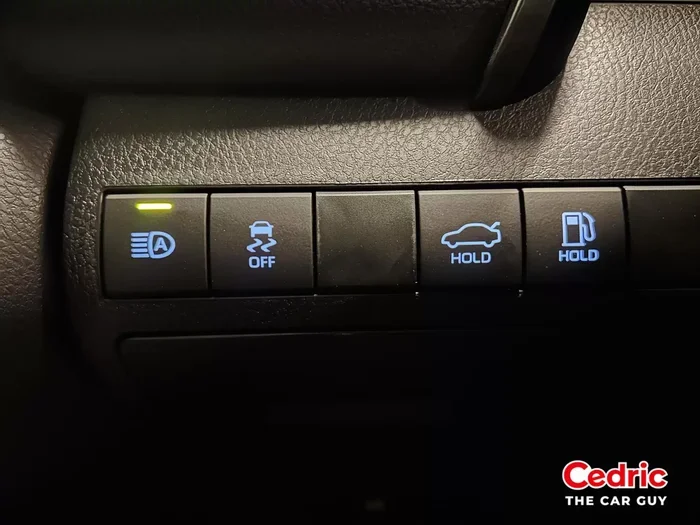
Some Toyota models, especially newer ones, have a dedicated button for auto high beam. Look for a button with a headlight icon on the left side of the dashboard or near the steering wheel controls. Press it once to turn it on and press it again to turn it off.
In certain Toyota models with the Toyota Safety Sense package, the auto high beam feature may activate automatically when you turn on the headlights. You do not need to do anything extra. Check your owner’s manual to see if this applies to your vehicle.
Method 3: Through the Infotainment System
A few Toyota models let you control auto high beam through the touchscreen infotainment system. To find this option:
- Go to the Settings menu on your touchscreen.
- Look for the Lighting or Vehicle Settings section.
- Find the Auto High Beam toggle and switch it on.
This method is less common but is available on some higher-end trims and newer model years. If you cannot find the option, your Toyota likely uses the lever method described above.
Which Toyota Models Support Auto High Beam?
Not every Toyota model comes with auto high beam standard. Here is a quick breakdown of which models commonly offer this feature:
| Toyota Model | Auto High Beam Availability |
|---|---|
| Toyota Camry | Standard on higher trims, optional on base |
| Toyota RAV4 | Standard on most trims |
| Toyota Corolla | Available on higher trims |
| Toyota Highlander | Standard on most trims |
| Toyota Tacoma | Available on select trims |
| Toyota 4Runner | Standard on higher trims |
If you are not sure whether your Toyota has auto high beam, check your owner’s manual. You can also look for the headlight icon on the turn signal lever or a button on the dashboard. Another good resource is your local Toyota dealer. They can confirm whether your specific vehicle has the feature.
For Toyota owners who also want to protect their investment, understanding how much stuff you can put in your car is helpful for overall vehicle care. Overloading your vehicle can affect how all systems, including lighting, perform.
Understanding the Auto High Beam Indicator
Once you turn on auto high beam, you need to know how to confirm it is working. The indicator is very simple. Look at your dashboard cluster, right behind the steering wheel. You will see a blue icon that looks like a headlight with rays coming out of it.
Here is what the indicator means:
- Blue light on: Auto high beam is active. The system is monitoring for other vehicles.
- Blue light off: Auto high beam is turned off. Your headlights are on manual low beam or high beam only.
- Blue light flashing: There may be a system issue. Check your owner’s manual for guidance.
The blue indicator is easy to spot, even at night. If you do not see it when you think you have activated auto high beam, try turning the system off and back on. Sometimes a simple reset fixes the issue.
If you notice the indicator is not working, it could be a dashboard issue. In some cases, a problem with the car battery can cause electrical glitches. Learning how to check your car battery regularly can help you catch these issues early.
Common Auto High Beam Issues and How to Fix Them
Auto high beam is generally reliable, but like any car feature, it can sometimes have issues. Here are the most common problems and how to fix them.
The Auto High Beam Will Not Turn On
If you have tried the lever and the button but nothing happens, try these steps:
- Make sure your regular headlights are turned on. Auto high beam only works when the headlights are active.
- Check if the turn signal lever is fully in the neutral position before pushing it forward.
- Turn the system off and back on by toggling the lever or button.
- Check the fuse box under the hood. A blown fuse can disable the feature.
If none of these steps work, there may be a wiring or sensor issue. Visit a Toyota dealer or a trusted mechanic for a diagnosis.
The Sensor Is Not Detecting Other Vehicles
The auto high beam sensor sits near the rearview mirror, behind the windshield. If the sensor is dirty or blocked, it may not work correctly. Here is what you can do:
- Clean the area near the rearview mirror on the inside of the windshield.
- Remove any stickers or objects that might be blocking the sensor area.
- Check for cracks or damage to the windshield near the sensor.
In cold weather, frost or ice can also block the sensor. Always clear your windshield thoroughly before driving at night. If you are dealing with foggy conditions, learning how to remove fog from car glass in winter can also help improve your overall visibility.
The System Keeps Switching Between Beams Unnecessarily
Sometimes the auto high beam system can be overly sensitive. It may switch to low beam even when there are no cars around. This is often caused by:
- Bright streetlights or reflections from other surfaces.
- A dirty or misaligned sensor.
- Software glitches that need a reset.
To fix this, clean the sensor area first. If the problem continues, try resetting the system. Turn off your Toyota, wait 30 seconds, and restart. If the issue persists, a dealer visit may be needed to recalibrate the sensor.
Tips for Getting the Most Out of Auto High Beam
Auto high beam is a great feature, but you can get even more out of it with a few simple tips. Here are some best practices for Toyota owners.
- Keep your headlights clean. Dirty headlights reduce visibility even when auto high beam is on. Wash your headlights regularly with a mild cleaner.
- Replace bulbs on time. If one headlight is dimmer than the other, the auto high beam system may not work as effectively. Replace bulbs in pairs for balanced performance.
- Check the sensor monthly. Give the area near the rearview mirror a quick wipe during your regular car wash.
- Use it on dark roads only. Auto high beam works best on unlit roads and highways. In well-lit city areas, it will keep switching to low beam anyway.
- Know when to override. If you are following another vehicle closely, the system should dim your lights. If it does not, manually switch to low beam.
These small habits can extend the life of your headlights and keep the auto high beam system running smoothly. Taking care of your Toyota also means staying on top of regular maintenance. For example, knowing how to tell if your alternator is still good can prevent electrical issues that might affect your lighting system.
Another tip: if you drive a Toyota hybrid, the auto high beam system draws from the same electrical system as the hybrid battery. Keeping your hybrid battery healthy ensures all electrical features work as intended. Check out how to keep your hybrid battery healthy for simple maintenance tips.
Conclusion
Turning on auto high beam in a Toyota is quick and easy once you know the steps. Whether you use the turn signal lever, a dashboard button, or the infotainment screen, the process takes only a few seconds. Once activated, the system handles everything for you. You get better visibility, safer driving, and less stress on dark roads.
Remember to check the blue indicator on your dashboard to confirm the feature is active. Keep the sensor clean and your headlights in good shape for the best performance. If you run into any issues, the troubleshooting tips in this guide should help you get things working again.
Auto high beam is just one of the many smart features that make Toyota vehicles stand out. Once you get used to it, you will not want to drive without it. Take a few minutes to activate it in your Toyota today and enjoy a safer, more comfortable driving experience at night.
Frequently Asked Questions
Can I turn off auto high beam in my Toyota?
Yes, you can turn off auto high beam at any time. Simply push the turn signal lever toward you again or press the auto high beam button on the dashboard. The blue indicator light on the dashboard will turn off, confirming the feature is deactivated.
Why is my auto high beam not working on my Toyota?
There are several reasons this can happen. The headlights may not be turned on, the sensor near the rearview mirror may be dirty, or a fuse may be blown. Try cleaning the sensor area, checking the headlights, and toggling the system off and back on. If the problem persists, visit a Toyota dealer for professional diagnosis.
Do all Toyota models have auto high beam?
No, not all Toyota models come with auto high beam. It is more commonly found on higher trims and newer model years. Check your owner’s manual or consult with a Toyota dealer to confirm whether your specific vehicle has this feature.
Where is the auto high beam sensor located on a Toyota?
The auto high beam sensor is typically located near the rearview mirror, behind the windshield. It is a small camera or sensor module that reads the light around your vehicle. Keeping this area clean is essential for the system to work properly.
Does auto high beam work in fog or heavy rain?
Auto high beam can still work in fog or rain, but it may not be as effective. The sensor may detect reflections from moisture in the air and keep the lights on low beam. For the best visibility in poor weather, consider using fog lights if your Toyota is equipped with them.
Can auto high beam damage my headlights?
No, auto high beam will not damage your headlights. The system simply switches between low and high beam as needed. In fact, because it reduces the time your high beams are on unnecessarily, it can actually help extend the life of your headlight bulbs.