Does A Lift Kit Void Toyota Warranty?
Installing a lift kit does not automatically void your Toyota warranty. Under federal law, dealers cannot deny a warranty claim simply because you added aftermarket parts unless they can prove the modification directly caused the damage. Knowing your rights helps you make informed decisions about modifying your Toyota without risking coverage.
So you want to add a lift kit to your Toyota. Maybe you are tired of the stock ride height. Maybe you want to tackle trails or just stand out in the parking lot. But there is one question that keeps you up at night: will a lift kit void your Toyota warranty?
The short answer is no. But the full answer is more nuanced than you might think. Understanding how warranties work with aftermarket modifications can save you thousands of dollars and a lot of headaches. Let us break it all down in plain English.
You have probably heard horror stories about dealers denying claims because someone added a simple part to their truck. Those stories make it hard to trust the process. But the truth is that the law is on your side. This guide will walk you through everything you need to know about lift kits and Toyota warranty coverage.
Key Takeaways
- Federal law protects you: The Magnuson-Moss Warranty Act prevents dealers from voiding your entire warranty just because you installed a lift kit.
- Cause and effect matters: Dealers can only deny claims if they prove the lift kit directly caused the specific problem.
- Keep your receipts: Documenting your lift kit installation helps protect your warranty if a dispute arises later.
- Not all lift kits are equal: Quality kits from reputable brands are less likely to cause issues that trigger warranty denials.
- Dealer policies vary: Some Toyota dealers handle modified vehicles better than others, so communication is key.
📑 Table of Contents
- What Exactly Is A Lift Kit?
- How Toyota Warranties Work
- Does A Lift Kit Void Your Toyota Warranty?
- How To Protect Your Warranty When Installing A Lift Kit
- Common Myths About Lift Kits And Warranties
- What If Your Warranty Claim Gets Denied?
- Lift Kits And Long-Term Toyota Ownership
- Final Thoughts On Lift Kits And Toyota Warranty
What Exactly Is A Lift Kit?
A lift kit is an aftermarket modification that raises the body or suspension of your vehicle. It increases the distance between the wheels and the wheel wells. People install lift kits for many reasons. Off-road capability is the biggest one. Better ground clearance helps you tackle rocks, mud, and uneven terrain.
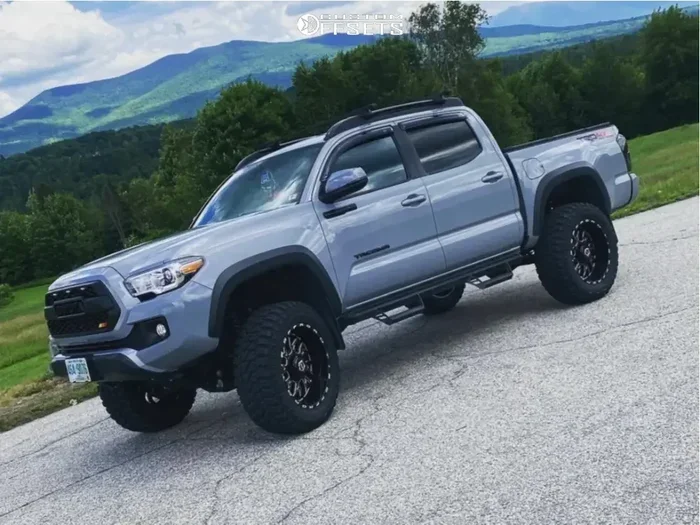
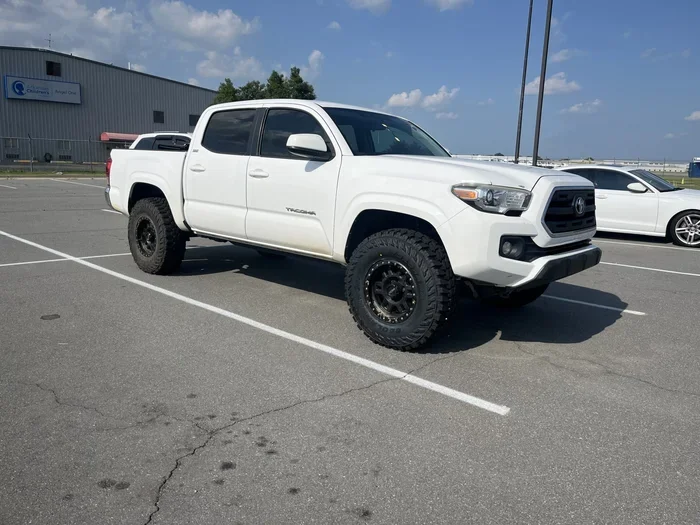
But lift kits are not just for off-roaders. Some people simply like the look of a taller truck. A lifted Toyota Tacoma or 4Runner has a commanding presence on the road. There is also a practical side. More clearance means you can fit bigger tires. Bigger tires improve traction and durability on rough surfaces.
Lift kits come in different sizes. A small leveling kit might raise the front end by just two inches. A full suspension lift can add six inches or more. The type of kit you choose affects both the look and the performance of your vehicle.
Types Of Lift Kits
Not all lift kits are the same. Here are the most common types you will encounter:
- Body Lift: This kit raises the body of the truck off the frame. It uses spacers between the body and the frame. A body lift is usually cheaper and easier to install. It does not change how the suspension handles.
- Suspension Lift: This kit replaces or modifies suspension components. Springs, shocks, and control arms are all affected. A suspension lift changes the ride quality and handling. It is the most popular choice for serious off-roaders.
- Leveling Kit: This is a small lift that levels out the front end. Most Toyota trucks sit slightly nose-down from the factory. A leveling kit corrects this. It is a simple and affordable option.
Each type has its own impact on your warranty. We will explore that in detail below.
How Toyota Warranties Work
Before we dive into lift kits, it helps to understand how Toyota warranties work in the first place. Toyota offers several types of coverage. Each one protects different parts of your vehicle.
Bumper-To-Bumper Warranty
The bumper-to-bumper warranty is the most comprehensive coverage Toyota offers. It covers almost everything on your vehicle. This includes electronics, air conditioning, infotainment systems, and mechanical components. Most new Toyota vehicles come with a three-year or 36,000-mile bumper-to-bumper warranty. Some models offer longer coverage.
This warranty is what most people think of when they hear the word warranty. It is the one that gives you peace of mind. But it is also the one that people worry most about when they think about modifications.
Powertrain Warranty
The powertrain warranty covers the parts that make your vehicle move. This includes the engine, transmission, and drivetrain. Toyota powertrain warranties are typically longer than bumper-to-bumper coverage. You can expect five years or 60,000 miles of protection. Some Toyota models extend this even further.
The powertrain warranty is important because it covers the most expensive parts to repair. If your engine or transmission fails, this warranty has you covered.
Corrosion And Roadside Assistance
Toyota also offers corrosion coverage and roadside assistance. Corrosion protection covers rust perforation. Roadside assistance provides help if you break down. These are nice extras but they are not the main focus when it comes to lift kit discussions.
Does A Lift Kit Void Your Toyota Warranty?
This is the big question. And the answer might surprise you. A lift kit does not automatically void your entire Toyota warranty. Many people believe that adding any aftermarket part cancels all coverage. That is simply not true.
Federal law protects consumers from this kind of blanket denial. The Magnuson-Moss Warranty Act is a federal law that applies to all warranty-covered products. It states that a manufacturer cannot void your warranty just because you used aftermarket parts. They can only deny a claim if they can prove the aftermarket part directly caused the problem.
The Magnuson-Moss Warranty Act Explained
The Magnuson-Moss Warranty Act is your best friend when it comes to aftermarket modifications. It was passed by Congress to protect consumers from unfair warranty practices. Before this law, manufacturers could deny claims for any reason. Now they must prove a direct connection between the modification and the failure.
Here is how this applies to lift kits. Let us say you install a lift kit on your Toyota Tacoma. Six months later, your transmission fails. The dealer wants to deny your warranty claim and blame the lift kit. Under the Magnuson-Moss Act, they must prove that the lift kit caused the transmission failure. If they cannot provide evidence, they must honor your warranty.
This is a powerful protection. It means you have the right to modify your vehicle without fear of losing all coverage.
When A Dealer CAN Deny A Claim
That does not mean dealers cannot deny claims. They can deny a claim if they can show a direct cause and effect relationship. Here are some scenarios where a lift kit might lead to a denied warranty claim:
- Drivetrain stress: A large lift kit with bigger tires puts more strain on the drivetrain. If the dealer can prove this caused a failure, they may deny the claim.
- Suspension component failure: If a lift kit installs components that rub against or damage nearby parts, that could be grounds for denial.
- Improper installation: If the lift kit was installed incorrectly and that caused damage, the dealer may refuse the claim.
The key word here is proof. The burden of proof falls on the dealer. They must show that the lift kit directly caused the specific problem. Vague claims are not enough.
How To Protect Your Warranty When Installing A Lift Kit
The best way to protect your warranty is to be smart about the process. A little planning goes a long way. Here are practical steps you can take to keep your coverage intact.
Choose A Quality Lift Kit
Not all lift kits are created equal. Cheap kits from unknown brands may save you money upfront. But they can cause problems that lead to warranty claims. Invest in a reputable brand with a proven track record. Quality kits are designed to work with your specific Toyota model.
Look for kits that are designed for your exact year and model. A lift kit made for a 2020 Toyota Tacoma will fit differently than one made for a 2015 model. Proper fitment reduces the risk of rubbing, interference, and other issues.
Get Professional Installation
DIY installation might save you money on labor costs. But it can also void specific warranty coverage if something goes wrong. A professional installer knows how to properly fit a lift kit without damaging surrounding components.
Keep all receipts and documentation from the installation. If a dispute arises later, this paper trail is your best evidence. You want to show that the lift kit was installed correctly by a qualified professional.
Keep All Original Parts
When you remove stock components during installation, keep them. Store them safely in your garage. If you ever need to return your truck to stock configuration, having the original parts makes that process much easier.
Also, keeping your original parts shows that you can reverse the modification. This can be helpful if a dealer questions the modification.
Communicate With Your Dealer
This might be the most important tip of all. Be upfront with your Toyota dealer about your lift kit. Let them know it is installed. Ask them about their specific policies for modified vehicles.
Some dealers are very friendly with modified trucks. They understand that lift kits are popular and do not automatically flag them as problems. Other dealers are more cautious. Knowing where your dealer stands helps you navigate any future warranty issues.
If you are wondering whether you can take your modified Toyota to any dealership for warranty work, the answer is generally yes. You are not required to go back to the original dealer for most warranty services.
Common Myths About Lift Kits And Warranties
There is a lot of misinformation out there about lift kits and warranties. Let us clear up some of the most common myths.
Myth 1: Any Aftermarket Part Voids The Warranty
This is the biggest myth of all. As we discussed, federal law prevents dealers from doing this. They cannot simply point to an aftermarket part and deny your entire warranty.
Myth 2: Lift Kits Always Cause Transmission Problems
A properly installed lift kit with correctly sized tires should not cause transmission issues. Problems arise when the lift is too large for the drivetrain or when the installation is done incorrectly. This is why choosing quality parts and professional installation matters so much.
Myth 3: You Cannot Go Off-Road With A Lifted Toyota Under Warranty
Going off-road does not void your warranty. Again, the dealer must prove that off-road use directly caused the specific problem. Normal off-road use is not a warranty exclusion.
What If Your Warranty Claim Gets Denied?
Even with all the right precautions, sometimes warranty claims get denied. If this happens to you, do not panic. You have options.
First, ask the dealer for the specific reason the claim was denied. They must provide a written explanation. If they claim the lift kit caused the problem, ask for evidence. What specific part of the lift kit caused the failure? How did it cause the failure?
If you disagree with their decision, you can escalate the issue. Contact Toyota customer service directly. You can also consult with a consumer rights attorney. The Magnuson-Moss Warranty Act gives you legal recourse if a dealer unfairly denies your claim.
Some consumers choose to have an independent mechanic inspect the vehicle. An independent assessment can provide objective evidence that the lift kit did not cause the problem.
Remember, being informed and organized is your best defense. Keep records of everything. Every receipt, every conversation, every email. Documentation is your strongest weapon in a warranty dispute.
Lift Kits And Long-Term Toyota Ownership
Installing a lift kit is a big decision. It changes how your Toyota looks and performs. It also affects your long-term ownership experience. Understanding the full picture helps you make the right choice.
A quality lift kit can enhance your Toyota in many ways. Better ground clearance opens up new trails and roads. Larger tires improve traction and durability. The raised stance gives your truck a more aggressive and confident look.
But there are trade-offs to consider. Lift kits can affect fuel economy. The taller ride height changes aerodynamics. Larger tires are heavier and create more rolling resistance. Your ride quality might change slightly. Some drivers notice a firmer ride after a suspension lift.
These trade-offs are worth considering before you commit. But they do not change the fundamental answer to the warranty question. A lift kit does not automatically void your Toyota warranty.
If you are still deciding whether to install a lift kit, consider your driving habits. If you mostly drive on highways and city streets, a small leveling kit might be all you need. If you are an off-road enthusiast, a full suspension lift might be the right choice. Either way, your warranty protection remains intact as long as you follow the guidelines we discussed.
Final Thoughts On Lift Kits And Toyota Warranty
The fear of voiding your warranty should not stop you from modifying your Toyota if that is what you want. The law is clear. Federal protections ensure that dealers cannot take away your warranty coverage just because you added a lift kit.
Your responsibility is to be informed and proactive. Choose quality parts. Get professional installation. Keep your documentation. Communicate with your dealer. Follow these steps and you can enjoy your lifted Toyota with confidence.
Your Toyota warranty is a valuable asset. Protecting it does not mean avoiding all modifications. It means making smart choices and understanding your rights. A lift kit can transform your Toyota into the truck you have always wanted. And with the right approach, you can do it without sacrificing your warranty coverage.
So go ahead. Lift that truck. Hit the trails. Enjoy the ride. Just make sure you do it the right way.
Frequently Asked Questions
Can I Take My Toyota To Any Dealership For Warranty Work After Installing A Lift Kit?
Yes, you can take your modified Toyota to any Toyota dealership for warranty work. You are not locked into the original dealership where you purchased the vehicle. This applies whether your truck has a lift kit or any other aftermarket modification.
Will Toyota Track A Stolen Vehicle If It Has A Lift Kit?
Toyota has the ability to track stolen vehicles through their connected services. Having a lift kit installed does not affect this capability. Your Toyota’s tracking features work the same way regardless of modifications.
Does A Lift Kit Affect The Resale Value Of My Toyota?
A lift kit can go either way with resale value. Some buyers love lifted trucks and will pay more. Others prefer stock configurations. Properly installed lift kits from reputable brands tend to hold value better than cheap or poorly installed ones.
Can I Install A Lift Kit Myself And Still Keep My Warranty?
You can install a lift kit yourself and still keep your warranty. However, if the dealer can prove that improper self-installation caused a specific problem, they may deny that particular claim. Professional installation is always recommended to avoid this risk.
What Size Lift Kit Is Safe For My Toyota Warranty?
There is no specific size limit set by Toyota. Any lift kit can be warranty-safe if installed correctly and if it does not directly cause a problem. Smaller lift kits are generally less likely to cause drivetrain stress than larger ones. Choose the size that fits your needs and driving style.
How Long Does It Take To Install A Lift Kit On A Toyota?
A professional lift kit installation typically takes one to three days depending on the type and size of the kit. A simple leveling kit might take just a few hours. A full suspension lift with new shocks, springs, and control arms takes longer. Always factor in installation time when planning your modification.