Does Your 2006 Toyota Tundra Have a Cabin Air Filter
Yes, the 2006 Toyota Tundra does have a cabin air filter. This small but important part keeps dust, pollen, and debris out of your truck’s interior. Knowing its location and replacement schedule helps you maintain clean air and comfort every time you drive.
If you own a 2006 Toyota Tundra, you have probably wondered about the little maintenance parts that keep your truck running smoothly. One question that comes up a lot is whether this model even has a cabin air filter. The answer might surprise you. Yes, it does. And knowing about it can make a big difference in how clean and comfortable your truck feels every time you get behind the wheel.
A cabin air filter is a small but mighty component. It sits behind your dashboard and cleans the air that flows into your truck’s interior. It catches dust, pollen, mold spores, and other tiny particles before they reach your lungs. For anyone who drives a lot or suffers from allergies, this little filter is a game changer. In this article, we will walk through everything you need to know about the cabin air filter in your 2006 Toyota Tundra. You will learn where it is, how to replace it, and why it deserves your attention.
Key Takeaways
- The 2006 Toyota Tundra does include a cabin air filter: It comes standard and plays a key role in interior air quality.
- Location matters for easy access: The filter is typically found behind the glove box area, making DIY replacement simple.
- Regular replacement improves air flow and comfort: A clogged filter reduces HVAC performance and can cause musty smells.
- Replacement is affordable and straightforward: Most owners can handle it at home with basic tools.
- Don’t confuse it with the engine air filter: The cabin filter cleans interior air while the engine filter protects the motor.
- Watch for warning signs: Reduced airflow, strange odors, and increased allergy symptoms signal a dirty filter.
- Maintenance keeps your Tundra running well: Regular upkeep ties into overall truck care, much like managing mileage concerns for your Toyota Tundra or understanding what warning lights mean on your dashboard.
📑 Table of Contents
- What Is a Cabin Air Filter and Why Does It Matter?
- Does the 2006 Toyota Tundra Come With a Cabin Air Filter?
- Where Is the Cabin Air Filter Located in a 2006 Toyota Tundra?
- How to Replace the Cabin Air Filter Yourself
- Signs Your Cabin Air Filter Needs Replacement
- Cabin Air Filter vs. Engine Air Filter: What Is the Difference?
- Maintenance Tips for Your 2006 Toyota Tundra
- Final Thoughts
What Is a Cabin Air Filter and Why Does It Matter?
A cabin air filter is a small panel that fits into your truck’s heating, ventilation, and air conditioning system. Think of it as a net that traps unwanted particles. When you turn on the fan or the AC, air passes through this filter first. Anything trapped in the filter stays out of your cabin. The air you breathe inside your truck stays much cleaner because of it.
Not all vehicles have one. Older trucks and cars sometimes skip this feature entirely. But the 2006 Toyota Tundra was built with this component included. It is part of Toyota’s effort to improve driver and passenger comfort. Over time, the filter collects more and more debris. When it gets too full, it stops working well. That is when you start to notice problems.
The filter also helps with odor control. It can catch mold and bacteria that cause musty smells. If your truck smells stale when you first start the AC, a dirty cabin filter might be the culprit. Replacing it on a regular schedule keeps everything fresh.
Does the 2006 Toyota Tundra Come With a Cabin Air Filter?
Yes, the 2006 Toyota Tundra comes standard with a cabin air filter. This is true across most trim levels and configurations of that model year. Toyota included this feature as part of the vehicle’s comfort and air quality system. You do not need to add it as an aftermarket upgrade because it is already there.
Some truck owners assume their vehicle does not have one because they have never been told about it. Dealerships do not always mention cabin filters during routine service. This can lead to years of driving with a clogged or missing filter. If you have owned your Tundra for a while and have never replaced the cabin filter, there is a good chance it is overdue.
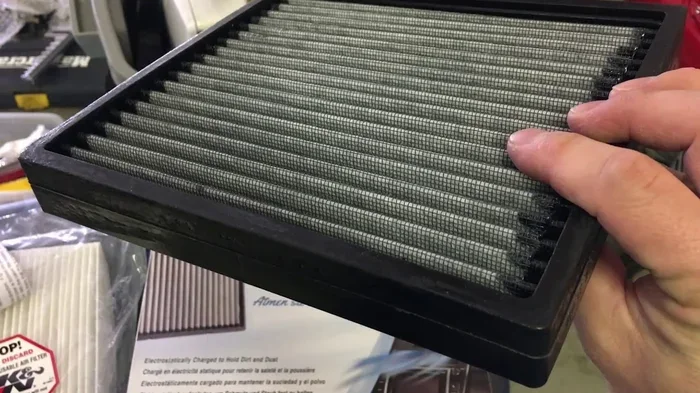
The filter type used in the 2006 Tundra is a standard panel-style cabin air filter. It is not a special or rare part. You can find replacements at most auto parts stores or online. The part number is easy to locate through Toyota dealerships or parts catalogs. This makes maintenance simple and affordable for most owners.
How to Tell If Your Tundra Has One
If you are not sure whether your specific truck has a cabin air filter, there are a few ways to check. First, open the glove box and look behind it. In most 2006 Tundra models, the filter access panel is right there. You might see a plastic cover with clips or screws holding it in place. If you find this cover, your truck has a cabin filter.
You can also check your owner’s manual. The manual should have a section on maintenance that mentions the cabin air filter. It will tell you the recommended replacement interval. If the manual does not mention it, you can call a Toyota dealer with your VIN number. They can confirm whether your specific truck came equipped with one.
Another option is to look under the hood and check the engine air filter. The cabin filter is a separate component, but knowing about the engine filter can help you understand the difference. If you want to learn more about identifying where your air filter box is located under the hood, that knowledge can help you navigate the engine bay with more confidence.
Where Is the Cabin Air Filter Located in a 2006 Toyota Tundra?
The cabin air filter in a 2006 Toyota Tundra is located behind the glove box. This is the most common placement for this model year. You do not need to go under the hood or crawl under the truck to access it. The cabin area provides easy reach, which makes this a DIY-friendly maintenance task.
Here is how you find it step by step:
- Open the glove box: Pull the glove box all the way open. It should drop down or swing open fully depending on your model.
- Look behind it: Peer behind the glove box cavity. You will see a plastic panel or cover.
- Check for fasteners: The cover is held in place by clips or a few Phillips head screws. There are usually two to four fasteners.
- Remove the cover: Unscrew or unclip the panel. Set the screws or clips aside in a safe spot.
- Slide out the filter: The cabin air filter sits in a slot behind the panel. Pull it straight out gently.
The exact position may vary slightly depending on whether you have a regular cab or an extended cab configuration. But the general area behind the glove box remains the same across most 2006 Tundra models. If you have trouble finding it, a quick search for your specific cab style online can help you pinpoint the exact spot.
How to Replace the Cabin Air Filter Yourself
Replacing the cabin air filter in your 2006 Toyota Tundra is one of the easiest maintenance tasks you can do. You do not need mechanic skills or special tools. Most owners complete the job in under fifteen minutes. Here is a simple walkthrough.
Step 1: Gather your supplies. You need a replacement cabin air filter. Check your owner’s manual for the correct size and part number. A standard panel filter works for most Tundra models. You also need a Phillips head screwdriver and a clean cloth or vacuum.
Step 2: Remove the glove box. Open the glove box fully. Look for a stop pin or a screw that limits how far it drops. Remove this pin or screw so the glove box can drop down completely. This gives you full access to the filter area.
Step 3: Remove the filter cover. Behind the glove box cavity, you will see the filter cover. Unscrew or unclip it. Be gentle with the clips so they do not break. Set the cover aside.
Step 4: Pull out the old filter. Slide the old cabin air filter out. Notice which direction the airflow arrow points on the filter frame. This arrow shows the correct orientation for the new filter. You want the new filter to face the same direction.
Step 5: Insert the new filter. Place the new filter into the slot. Make sure the airflow arrow points toward the HVAC unit. Push it in firmly until it seats properly. Do not force it if it does not slide in easily. Double-check that it is aligned correctly.
Step 6: Replace the cover and glove box. Put the filter cover back on and secure it. Then lower the glove box back into place and replace the stop pin or screw. Close everything up and you are done.
Quick Tip: Wear gloves when handling the old filter. It can be dusty and dirty. A quick vacuum of the filter area before inserting the new one also helps keep things clean. If you want to learn more about keeping your truck in top shape, understanding how to make your car last longer starts with small but consistent maintenance habits like this.
How Often Should You Replace It?
Toyota recommends replacing the cabin air filter every 15,000 to 30,000 miles. However, this interval can vary based on your driving conditions. If you drive on dusty roads or in areas with heavy pollen, you may need to replace it more often. Urban drivers who deal with pollution and smog should also consider more frequent changes.
A good rule of thumb is to check the filter once a year. If it looks dark and clogged, go ahead and replace it even if the mileage interval has not been reached. A clean cabin air filter costs only a few dollars. The benefit to your air quality and comfort is well worth it.
Signs Your Cabin Air Filter Needs Replacement
Your truck will tell you when the cabin air filter is not doing its job anymore. Paying attention to these signs can save you from discomfort and potential HVAC problems. Here are the most common warning signals.
- Reduced airflow from the vents: If the air coming out of your dash vents feels weak, a clogged filter is likely the cause. The debris blocks air from passing through freely.
- Unusual smells inside the truck: A musty or moldy odor when you turn on the AC is a strong indicator. A dirty filter can trap moisture and breed mold and bacteria.
- Increased allergy symptoms: If you or your passengers start sneezing, coughing, or experiencing itchy eyes inside the truck, the cabin filter may be too dirty to block allergens.
- Visible dirt on the filter: When you pull out the old filter, if it looks dark gray or black instead of white or light gray, it is time for a replacement.
- Strange sounds from the HVAC system: A rattling or whistling noise can indicate a filter that is bent, folded, or improperly seated.
Ignoring these signs can lead to bigger problems over time. A severely clogged filter puts extra strain on the blower motor. This can lead to premature motor failure. Replacing the filter early saves you from more expensive repairs down the road.
Cabin Air Filter vs. Engine Air Filter: What Is the Difference?
Many people confuse the cabin air filter with the engine air filter. They serve very different purposes and are located in completely different parts of the truck. Understanding the difference helps you maintain both properly.
| Feature | Cabin Air Filter | Engine Air Filter |
|---|---|---|
| Location | Behind the glove box | Under the hood in the air box |
| Purpose | Cleans air entering the cabin | Cleans air entering the engine |
| Affects | Interior air quality and comfort | Engine performance and fuel efficiency |
| Replacement Interval | Every 15,000 to 30,000 miles | Every 30,000 to 45,000 miles |
| DIY Difficulty | Easy, no tools needed | Easy, basic tools needed |
| Cost | $10 to $25 | $15 to $35 |
Both filters play important roles. The cabin filter protects your health and comfort. The engine filter protects your truck’s performance. A dirty engine air filter can reduce fuel economy and power. A dirty cabin filter can make your rides uncomfortable. Checking both on a regular schedule keeps your 2006 Toyota Tundra running and feeling its best.
If you are curious about how much weight your Tundra can safely carry, that is another important piece of truck ownership. Proper load management ties directly into how well your vehicle performs over time. Regular maintenance, including filter changes, works hand in hand with smart usage habits.
Maintenance Tips for Your 2006 Toyota Tundra
Owning a 2006 Toyota Tundra comes with the responsibility of regular upkeep. The cabin air filter is just one piece of the puzzle. A well-maintained truck lasts longer, runs better, and stays safer. Here are some additional maintenance tips to keep in mind.
First, stay on top of oil changes. The 4.7-liter V8 or 5.7-liter V8 engine in the 2006 Tundra needs fresh oil every 5,000 to 7,500 miles. Clean oil keeps the engine lubricated and prevents premature wear. Second, check your tire pressure regularly. Properly inflated tires improve fuel economy and handling. Third, inspect your brakes at least once a year. The Tundra is a heavy truck, and brakes wear faster under heavy loads.
Do not ignore dashboard warning lights either. If you see a light that you do not recognize, take a moment to understand what it means. For example, if the wrench light comes on, it could signal a maintenance reminder or an oil change need. Understanding these indicators helps you stay ahead of potential problems.
Finally, keep records of every service and replacement you perform. A simple notebook or phone app works great for this. When it is time to sell or trade in your Tundra, a well-documented maintenance history adds real value. Buyers trust a truck that has been cared for properly.
The Cost of Neglecting Your Cabin Air Filter
Skipping cabin air filter replacement might seem harmless at first. But over time, the effects add up. A clogged filter restricts airflow through your HVAC system. This makes the fan motor work harder. A harder-working motor uses more energy and wears out faster. Replacing a blower motor costs significantly more than replacing a cabin air filter.
There is also the health factor. A dirty cabin filter lets allergens, dust, and mold spores circulate inside your truck. For people with asthma or allergies, this can cause real discomfort. Children and elderly passengers are especially vulnerable to poor interior air quality. The few dollars spent on a new filter protect everyone inside the cabin.
From a comfort standpoint, a clean filter makes your AC and heater work more effectively. You get faster cooling in summer and quicker defrosting in winter. On hot days or cold mornings, this small difference is noticeable and appreciated every single drive.
Final Thoughts
The 2006 Toyota Tundra does have a cabin air filter, and taking care of it is one of the simplest ways to improve your driving experience. It is a small part that makes a big impact on air quality, comfort, and HVAC system longevity. Replacing it yourself is easy, affordable, and takes less than fifteen minutes.
Whether you have owned your Tundra for years or just bought one, now is a great time to check the cabin air filter. If it has been a while since your last replacement, grab a new filter and do the job this weekend. Your nose, your lungs, and your HVAC system will thank you. Regular maintenance like this is what keeps a truck running strong for years to come.
Take pride in your vehicle. The 2006 Toyota Tundra is a dependable and capable truck. Treating it right with simple habits like cabin air filter replacement ensures it continues to serve you well. Do not wait for warning signs to appear. Be proactive and keep your truck’s interior air clean and fresh.
Frequently Asked Questions
Can I drive my 2006 Toyota Tundra without a cabin air filter?
Yes, you can drive without it, but you should not. Without the cabin air filter, dust, pollen, and debris enter your truck’s interior freely. This can make the air inside your truck dirty and uncomfortable. It can also allow particles to enter the HVAC system and cause damage over time. Always keep a cabin air filter installed in your Tundra.
What type of cabin air filter does the 2006 Toyota Tundra use?
The 2006 Toyota Tundra uses a standard panel-style cabin air filter. It is a flat, rectangular filter that fits into a slot behind the glove box. You can find OEM replacements through Toyota dealerships or aftermarket versions at auto parts stores. Make sure to check the correct size and airflow direction before installing.
How much does a cabin air filter for the 2006 Toyota Tundra cost?
A cabin air filter typically costs between $10 and $25 for a standard replacement part. OEM filters from Toyota may cost a bit more, around $20 to $35. Aftermarket options from brands like Fram or AC Delco offer reliable alternatives at lower prices. The low cost makes regular replacement an easy and worthwhile investment.
Can a dirty cabin air filter affect my truck’s AC performance?
Yes, absolutely. A clogged cabin air filter restricts airflow through the AC system. This means weaker air coming from your vents and longer cooling times. In severe cases, the blower motor has to work much harder, which can lead to premature failure. Replacing the filter often restores full AC performance quickly.
Is replacing the cabin air filter in a 2006 Toyota Tundra difficult?
Not at all. The cabin air filter in the 2006 Tundra is one of the easiest filters to replace. You simply remove the glove box, take off the filter cover behind it, slide out the old filter, and insert the new one. No special tools or mechanical knowledge is required. Most owners complete the job in under fifteen minutes.
Should I replace the cabin air filter more often if I have allergies?
Yes, if you or your passengers suffer from allergies, you should replace the cabin air filter more frequently. Consider changing it every 10,000 to 15,000 miles instead of the standard 15,000 to 30,000 miles. A clean filter does a better job of blocking pollen, dust, and other allergens from entering your truck’s cabin. This simple step can make a noticeable difference in comfort during allergy season.
=== CONCLUSION ===
Taking care of your 2006 Toyota Tundra starts with the small things, and the cabin air filter is one of the most important ones. Now that you know does a 2006 Toyota Tundra have a cabin air filter, you can take action right away. This simple component keeps your cabin air clean, your AC performing well, and your drives more comfortable. Replacing it is quick, affordable, and something you can do without visiting a mechanic. Make it part of your regular maintenance routine and enjoy the benefits every time you turn the key.