How Much Is Car Insurance for a New Driver in 2024
Car insurance for a new driver in 2024 typically costs between $200 and $600 per month, with rates varying based on age, location, vehicle type, and coverage level. Young and first-time drivers pay the highest premiums, but there are proven ways to lower your auto insurance rates significantly. This guide covers everything from coverage types to money-saving discounts that can help you find the best car insurance policy for your budget.
This is a comprehensive guide about How Much Is Car Insurance for a New Driver?.
Key Takeaways
- New drivers pay more: Expect to pay 50% to 200% more than experienced drivers due to lack of driving history.
- Age is a major factor: Teenagers and young adults under 25 face the highest premiums on the market.
- Coverage type matters: Full coverage costs more than liability-only, but it provides better financial protection.
- Discounts can save you hundreds: Good grades, defensive driving courses, and bundling policies all reduce costs.
- Shopping around pays off: Comparing quotes from multiple insurers can save you up to 40% annually.
- Adding to a parent’s policy is cheaper: Young drivers can save significantly by joining a parent’s plan.
- Your car choice affects rates: Safe, affordable vehicles cost less to insure than sports cars or luxury models.
[FEATURED_IMAGE_PLACEHOLDER]
How Much Is Car Insurance for a New Driver in 2024?
Getting behind the wheel for the first time is exciting. But before you turn the key, there’s one thing you absolutely need: car insurance. And if you’re a new driver, you might be shocked by what it costs.
The truth is, car insurance rates for new drivers are among the highest of any group on the road. Insurance companies see you as a risk because you don’t have a track record. But here’s the good news — understanding how pricing works puts you in control. You can find affordable options if you know where to look.
This guide walks you through everything you need to know about insurance for new drivers in 2024. We’ll cover average costs, what affects your rate, the types of coverage you need, and practical tips to save money. Whether you’re a teenager or an adult getting your license for the first time, this article has you covered.
Let’s break it all down so you can make smart choices and stay protected without breaking the bank.
Why New Drivers Pay More for Car Insurance
Insurance companies use data to set car insurance rates. And the data shows that new drivers are more likely to get into accidents. That’s why your first policy costs more than what your parents might pay.
Here’s what goes into the pricing decision:
- Lack of driving history: Insurers have no way to predict how safe you are on the road.
- Higher accident risk: Studies show that young and inexperienced drivers get into more crashes.
- Claims data: New drivers file more insurance claims than experienced ones.
- Age and gender: Teenagers and male drivers typically pay higher premiums.
The good news is that your rate will go down as you build a clean driving record. Every year without an accident or ticket helps. Auto insurance premiums are not set in stone — they change based on your behavior behind the wheel.
How Much More Do New Drivers Pay?
On average, a first-time driver insurance policy costs between $200 and $600 per month. That’s roughly $2,400 to $7,200 per year. Compare that to an experienced driver who might pay $80 to $150 per month, and you can see the gap is significant.
A teenager adding to a parent’s policy might pay $100 to $300 extra per month. An 18-year-old getting their own policy could pay even more. But these numbers vary widely depending on the factors we’ll cover next.
Factors That Affect Your Car Insurance Rate
Not all new drivers pay the same price. Several factors come into play when an insurer calculates your vehicle insurance rates. Understanding these can help you make smart decisions before you buy a policy.
Your Age
Age is one of the biggest factors in car insurance pricing. Younger drivers pay the most. Here’s a rough breakdown:
- 16-year-olds: Highest rates due to inexperience and developmental factors.
- 18- to 24-year-olds: Still high, but rates start to drop slightly.
- 25 and older: Rates drop significantly as you gain driving experience.
If you’re under 25, don’t panic. There are still ways to bring your costs down, which we’ll cover later in this guide.
Your Location
Where you live matters a lot for car insurance quotes. Urban areas with heavy traffic and higher crime rates cost more to insure. Rural areas tend to have lower premiums. If you’re in a state with minimum car insurance requirements that are strict, you’ll also pay more.
For example, if you’re looking into car insurance in Virginia, the state’s required coverage levels and local factors will influence your rate. Always check your state’s specific rules so you know what minimum coverage you must carry.
The Vehicle You Drive
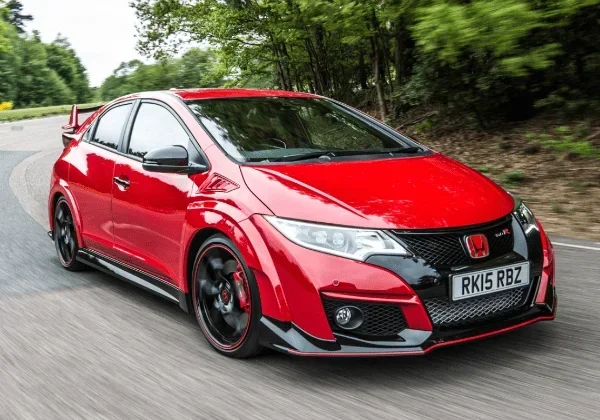
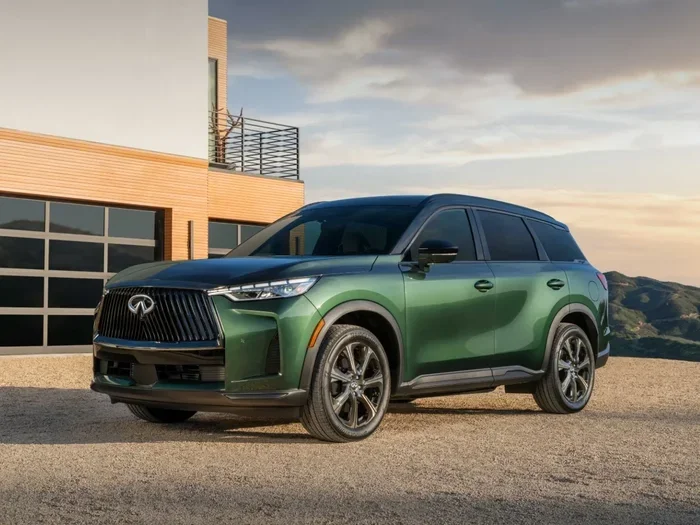
Your car choice directly impacts your insurance premium. A safe, reliable sedan costs less to insure than a sports car or luxury SUV. Insurers look at things like:
- Safety ratings: Cars with high safety scores get lower rates.
- Repair costs: Expensive vehicles cost more to fix after an accident.
- Theft risk: Popular theft targets carry higher premiums.
- Vehicle age: Older cars may have lower comprehensive and collision costs.
Your Coverage Choices
The type of auto insurance coverage you select has a huge impact on your monthly payment. Here are the main options:
- Liability coverage: Covers damage you cause to others. This is the cheapest option and meets most state requirements.
- Collision coverage: Pays for damage to your car in an accident. This is where collision insurance costs come in.
- Comprehensive coverage: Covers non-accident damage like theft, fire, and weather events.
- Full coverage: Combines liability, collision, and comprehensive into one policy.
As a new driver, you might be tempted to go with the cheapest option. But consider this: if you cause a serious accident, minimum liability coverage might not be enough to cover the other person’s medical bills or vehicle damage. Full coverage car insurance gives you much better financial protection.
Your Driving Record
Even as a new driver, your record matters from day one. A clean record with no accidents or tickets keeps your rates lower. One speeding ticket or at-fault accident can spike your insurance premium by 20% to 50% or more.
Some violations stay on your record for three to five years. That means one bad decision can affect your rates for a long time. Drive safely, and your car insurance rates will thank you.
Credit Score and Insurance Score
Many insurers use a credit-based insurance score to help set your rate. A higher credit score generally leads to lower premiums. This might not seem fair, but it’s standard practice in most states.
If your credit score is low, don’t worry. You can still find affordable coverage by shopping around and asking about discounts. Some insurers weigh your driving record more heavily than your credit.
Types of Coverage You Need as a New Driver
Understanding auto insurance coverage can feel overwhelming. But it doesn’t have to be. Let’s break down the essential types of coverage every new driver should know.
Liability Insurance
Liability insurance is the foundation of any car insurance policy. It covers two things:
- Bodily injury liability: Pays for the other person’s medical bills if you cause an accident.
- Property damage liability: Covers damage to the other person’s vehicle or property.
Every state requires some level of liability coverage. But the required minimums are often low. In many cases, they won’t be enough to cover a serious accident. That’s why many financial experts recommend buying more than the minimum.
Comprehensive and Collision Coverage
These two coverages protect your own vehicle. Comprehensive coverage handles non-collision events like theft, vandalism, flooding, and hitting an animal. Collision coverage pays for damage from accidents, regardless of who’s at fault.
As a new driver, you might not need both right away. If your car is old and not worth much, the cost of these coverages might not be justified. But if you have a newer or financed vehicle, your lender will likely require them.
Uninsured and Underinsured Motorist Coverage
This coverage protects you if the other driver doesn’t have insurance or doesn’t have enough. It’s especially valuable for new drivers who might be involved in accidents with uninsured motorists. This type of coverage is relatively affordable and adds an important layer of protection.
Medical Payments and Personal Injury Protection
These coverages pay for your medical expenses after an accident, regardless of who caused it. Some states require personal injury protection (PIP). Others don’t offer it at all. Check your state’s rules to see if this is something you should add to your car insurance policy.
Average Costs by Driver Type in 2024
Let’s look at some real numbers. Keep in mind these are national averages, and your actual rate will depend on the factors we discussed earlier.
Teenage Drivers (16-19)
Teenagers face the highest car insurance costs of any age group. Adding a 16-year-old to a parent’s policy can increase the premium by $100 to $300 per month. Getting their own policy as a teenager can cost $300 to $700 or more per month.
One of the best ways to reduce costs for teen drivers is maintaining good grades. Many insurers offer a good student discount that saves 10% to 25%. Completing a defensive driving course can also lower rates.
Young Adult Drivers (20-24)
Rates start to drop as drivers move into their 20s. A 21-year-old might pay around $150 to $300 per month. By 24, that number could drop to $120 to $250. The key is maintaining a clean driving record during these early years.
Adult First-Time Drivers (25+)
Adults who never learned to drive and are getting their license for the first time pay more than experienced adults, but less than teenagers. A first-time adult driver can expect to pay $100 to $250 per month. Taking a driver’s education course can help bring costs down.
Tips to Lower Your Car Insurance as a New Driver
The good news is that there are many ways to reduce your monthly car insurance payment. Here are proven strategies that actually work.
1. Shop Around and Compare Quotes
Never accept the first quote you get. Different insurers price car insurance very differently. Get at least three to five quotes before you decide. Comparing insurance quotes online takes just a few minutes and can save you hundreds of dollars per year.
2. Add Yourself to a Parent’s Policy
If you’re under 21, staying on your parent’s policy is almost always cheaper than getting your own. The cost of car insurance goes down significantly when you’re listed as a secondary driver on a parent’s plan. Just make sure the primary driver listed is the person who actually drives the car most often.
3. Take a Defensive Driving Course
Many insurers offer discounts for completing an approved defensive driving course. These courses teach you safer driving habits and show insurers you’re serious about reducing risk. A defensive driving course discount can save you 5% to 15% on your premium.
4. Maintain Good Grades
If you’re a student, keep your grades up. A good student discount is one of the easiest ways to save on insurance for young drivers. You typically need a B average or higher to qualify. This discount usually lasts until you turn 25.
5. Choose a Higher Deductible
Your car insurance deductible is the amount you pay out of pocket before insurance kicks in. Choosing a higher deductible — like $1,000 instead of $500 — lowers your monthly payment. Just make sure you can afford the deductible if you ever need to file a claim.
6. Bundle Your Policies
If you have renters or homeowners insurance, ask about bundling. Many insurers give a multi-policy discount when you combine your policies. This can save you 10% to 25% on all your premiums combined.
7. Drive a Safe, Affordable Vehicle
The car you choose affects your insurance rate for new drivers. A sedan with good safety ratings costs less to insure than a sports car. Before you buy a vehicle, check with your insurer to see what the insurance cost would be for that specific model.
8. Avoid Gaps in Coverage
Never let your policy lapse. Even a short gap in coverage can raise your rates when you get a new policy. Insurers see gaps as a red flag. Set up automatic payments to make sure you never miss a due date.
9. Ask About All Available Discounts
Insurers offer more discounts than most people realize. Ask about discounts for:
- Safe driving programs
- Telematics devices that monitor your driving
- Military service
- Professional memberships
- Low-mileage driving
Every little discount adds up. Over a year, these savings can really make a difference in your car insurance cost.
Common Mistakes New Drivers Make with Insurance
Avoiding mistakes can save you money and headaches. Here are the most common errors new drivers make:
- Buying only minimum coverage: Minimum coverage might be legal, but it won’t protect you in a serious accident. The cost of car insurance for higher coverage is worth the peace of mind.
- Not comparing quotes: Sticking with the first insurer you find means you might overpay by hundreds of dollars each year.
- Lying on your application: Misrepresenting your driving history or vehicle use can void your policy when you need it most.
- Forgetting to update your policy: If you move, change vehicles, or add a new driver, update your policy right away.
- Dropping coverage on an old car: If your car is paid off and not worth much, consider dropping comprehensive and collision. But keep your liability coverage active.
One mistake that catches many new drivers off guard is not understanding the difference between insurance for a rental car and regular auto insurance. If you plan to rent a vehicle, check whether your current policy covers rentals or if you need additional coverage.
Also, keep in mind that your car insurance rate is not a one-time thing. Review your policy at least once a year. As you build driving experience, you should qualify for better rates. Don’t be afraid to switch insurers if you find a better deal.
How to Get the Best Deal on New Driver Insurance
Finding the right car insurance policy as a new driver takes a bit of effort, but the savings are worth it. Here’s a step-by-step approach:
- Know what you need: Understand your state’s minimum requirements and decide on your coverage level.
- Gather quotes: Get quotes from at least five different insurers. Use online comparison tools to save time.
- Check for discounts: Ask every insurer about available discounts. You might be surprised at what you qualify for.
- Read the fine print: Understand what’s covered, what’s excluded, and what your deductible will be.
- Ask questions: Don’t be afraid to call and ask about anything you don’t understand. A good agent will explain everything clearly.
- Review annually: Your needs will change over time. Review your policy every year to make sure you’re still getting the best deal.
Remember, the cheapest policy isn’t always the best. Look at the coverage limits, deductible amounts, and customer service reputation. A slightly higher premium with better coverage and service is often the smarter choice.
What to Do If You Can’t Afford Insurance
If the cost of car insurance feels too high, you have options:
- Ask about payment plans: Many insurers let you pay monthly instead of all at once.
- Look for usage-based insurance: Programs that track your driving can offer lower rates if you drive safely.
- Reduce coverage on older vehicles: If you drive an older car, dropping comprehensive and collision can lower costs.
- Explore state programs: Some states offer low-cost insurance programs for drivers who can’t afford standard rates.
- Talk to your agent: An honest agent can help you find a policy that fits your budget without leaving you unprotected.
Driving without insurance is illegal in most states and can lead to fines, license suspension, and even lawsuits. Always maintain at least the minimum required car insurance coverage.
Conclusion
Car insurance for a new driver in 2024 doesn’t have to be overwhelming. Yes, you’ll pay more than experienced drivers — that’s just how the industry works. But with the right knowledge and strategy, you can find a policy that fits your budget and keeps you protected.
Focus on understanding your coverage options, comparing quotes, and taking advantage of every discount available. Your auto insurance rates will improve as you build a clean driving record. Every safe mile you drive pays off in lower premiums over time.
Start shopping early, ask plenty of questions, and don’t settle for a policy that doesn’t meet your needs. The effort you put into finding the right coverage today will pay off for years to come.
Stay safe on the road, drive smart, and remember that your car insurance for new drivers journey is just beginning. With each year of experience, you’ll earn better rates and greater confidence behind the wheel.
Frequently Asked Questions
How much does car insurance cost for a 16-year-old driver?
A 16-year-old driver can expect to pay anywhere from $300 to $700 per month for their own policy. Adding a teen to a parent’s policy typically costs an extra $100 to $300 per month. The exact insurance cost depends on location, vehicle, and coverage level. Shopping around and taking advantage of good student discounts can significantly reduce these expenses.
Can I get car insurance if I’m 17 years old?
Yes, you can get car insurance for a 17-year-old, either through a parent’s policy or your own. Most insurers allow teenagers to be listed on a parent’s plan, which is usually the most affordable option. Some companies also offer policies specifically for young drivers. The car insurance rates will be higher than for older drivers, but discounts can help bring costs down.
What is the cheapest car insurance for new drivers?
The cheapest auto insurance for new drivers typically comes from liability-only coverage on a safe, affordable vehicle. However, this provides limited protection. To find the best value, compare quotes from multiple insurers, ask about discounts, and consider raising your deductible. The lowest price isn’t always the best choice — make sure the coverage limits meet your needs.
Does car insurance go down when you turn 25?
Yes, car insurance rates typically drop significantly around age 25. Insurers view drivers over 25 as less risky. If you’ve maintained a clean driving record, you should see a noticeable decrease in your monthly car insurance payment. Some insurers also offer additional discounts for drivers who complete defensive driving courses.
How can I lower my insurance premium as a new driver?
There are several ways to reduce your insurance premium: take a defensive driving course, maintain good grades if you’re a student, choose a safe vehicle, increase your deductible, bundle policies, and shop around for the best quotes. Every discount you qualify for adds up over time and can save you hundreds of dollars annually.
Do I need full coverage car insurance as a new driver?
Whether you need full coverage car insurance depends on your situation. If your vehicle is financed or leased, your lender will require comprehensive and collision coverage. If your car is paid off and older, liability-only coverage might be enough. Consider your financial situation and risk tolerance when choosing your car insurance policy. Always make sure you have enough liability coverage to protect your assets.
Frequently Asked Questions
What is How Much Is Car Insurance for a New Driver??
How Much Is Car Insurance for a New Driver? is an important topic with many practical applications.