How Many Gallons Does a Nissan Rogue Hold Right Now
The Nissan Rogue fuel tank capacity is 14.5 gallons for most model years, giving you a solid driving range on a single fill-up. Whether you drive the gas or hybrid version, knowing your tank size helps with trip planning and budgeting. Let us break down everything you need to know about the Nissan Rogue gas tank.
So you just bought a Nissan Rogue or are thinking about it. One of the first things you want to know is simple: how many gallons does a Nissan Rogue hold? It sounds like a basic question, but it really matters. Your fuel tank size affects everything from trip planning to how often you stop at the pump.
The good news is that the answer is pretty straightforward. Most Nissan Rogue models carry 14.5 gallons of fuel. That is a solid amount for a compact SUV. It means you can go a long way before needing to refuel. In this guide, we will walk you through everything you need to know about the Nissan Rogue fuel capacity. We will cover tank size, driving range, fuel economy, and practical tips to get the most out of every tank.
Whether you are commuting to work or heading out on a road trip, understanding your vehicle’s fuel system gives you confidence. You will never have to guess when your next stop at the gas station should be. Let us dive in.
Key Takeaways
- Standard Tank Size: The Nissan Rogue holds 14.5 gallons in most trims and model years.
- Driving Range: You can expect roughly 400 to 500 miles on a full tank depending on driving habits.
- Hybrid Option: The Rogue Hybrid has a slightly different fuel setup but similar tank capacity.
- Fuel Economy: The Rogue averages around 26 to 30 mpg combined, making it efficient for an SUV.
- Refueling Tips: Knowing your tank size helps you plan stops and avoid running low on long trips.
- Model Year Matters: Older and newer Rogue models may have slight differences in fuel capacity.
📑 Table of Contents
- Understanding the Nissan Rogue Fuel Tank Capacity
- How Far Can You Drive on a Full Tank?
- Fuel Economy and MPG Ratings
- How Many Miles Can 12 Gallons Take You?
- How Much Weight Can the Fuel Tank and Fuel Add?
- Maintenance Tips for Your Nissan Rogue Fuel System
- Common Mistakes People Make with Fuel Tank Capacity
- Final Thoughts
Understanding the Nissan Rogue Fuel Tank Capacity
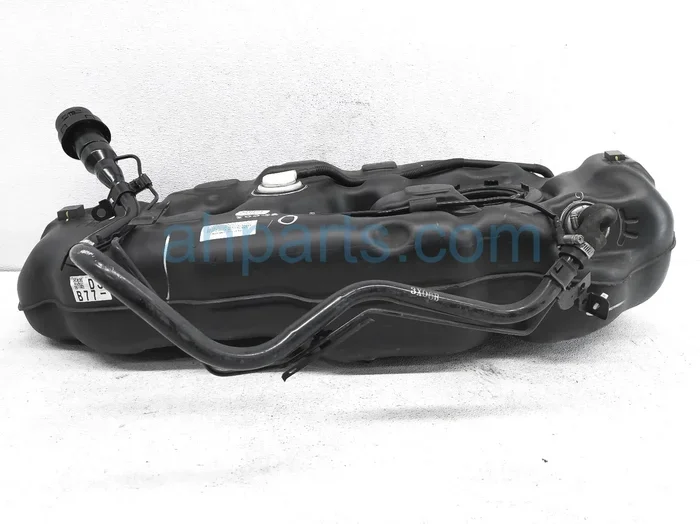
The Nissan Rogue gas tank is designed to balance size and efficiency. Nissan engineers sized it to fit neatly under the vehicle without sacrificing cargo space. The result is a tank that holds 14.5 gallons in most configurations. This number applies to the 2014 model year all the way through the latest 2024 models.
But not all Rogues are exactly the same. There are small differences depending on the trim level and drivetrain. Let us look at the details.
Gas vs Hybrid Tank Size
The standard Nissan Rogue uses a regular gasoline engine. The Rogue Hybrid uses a combination of a gas engine and an electric motor. Both versions carry the same 14.5-gallon tank. The hybrid system simply helps you use less fuel. That means the hybrid can go farther on the same amount of gas.
Some people wonder if the hybrid has a smaller tank because it also uses battery power. That is not the case. The fuel tank is the same size. What changes is how efficiently the engine burns the fuel. This is a big advantage for anyone who drives a lot of miles.
Does the Trim Level Affect Tank Size?
No. Whether you drive the base S trim or the top-of-the-line Platinum, the fuel tank holds 14.5 gallons. Nissan kept this consistent across all Rogue trims. So you do not need to worry about a smaller tank if you buy a lower trim. You also do not get a bigger tank in the higher trims. The capacity is the same across the board.
How Far Can You Drive on a Full Tank?
This is where things get exciting. Knowing your tank size is only half the battle. The real question is how far you can go before the light comes on. With a 14.5-gallon tank and an average fuel economy of about 26 to 30 mpg, you can expect a driving range of around 400 to 450 miles. That is serious road trip capability.
For comparison, if you want to see how other vehicles stack up in terms of fuel range, check out how long you can drive with a full tank for general guidelines across different vehicles. The principles are the same: tank size multiplied by fuel economy gives you your range.
Real-World Driving Range Examples
Let us look at some real numbers. If your Nissan Rogue gets 26 mpg in the city, you can drive about 377 miles on a full tank. If you get 30 mpg on the highway, that number jumps to 435 miles. Most drivers will land somewhere in between, around 400 miles total.
That means you can comfortably drive from New York City to Cleveland on a single tank. Or from Los Angeles to San Francisco and back with a little left over. For daily commuters, a full tank can last you over a week without stopping for gas.
How Does the Rogue Compare to Other Compact SUVs?
The Rogue fuel capacity is competitive in the compact SUV segment. The Honda CR-V holds about 15.3 gallons. The Toyota RAV4 holds around 14.5 gallons, matching the Rogue exactly. The Ford Escape comes in at about 15.3 gallons as well. So the Rogue sits right in the middle of the pack. It is not the biggest tank, but it is not the smallest either.
What makes the Rogue stand out is its fuel economy. Even with a similar tank size to the RAV4, the Rogue’s efficient engine gives it a strong driving range. You get more miles per gallon, which adds up over time.
Fuel Economy and MPG Ratings
The Nissan Rogue is known for being a fuel-efficient SUV. The gas model gets an EPA-rated 26 mpg in the city and 33 mpg on the highway. The Rogue Hybrid does even better, earning around 33 mpg combined. These numbers are impressive for a vehicle of this size.
When you multiply those mpg ratings by the 14.5-gallon tank, you get a clear picture of your potential range. Fuel economy is not just a number on a sticker. It directly impacts your wallet and how often you visit the gas station.
Tips to Improve Your Fuel Economy
Want to squeeze every last mile out of your tank? Here are some practical tips:
- Keep your tires properly inflated. Underinflated tires create drag and waste fuel.
- Drive at steady speeds. Avoid rapid acceleration and hard braking.
- Use cruise control on the highway. It helps maintain a consistent speed.
- Remove excess weight from your vehicle. Extra cargo makes the engine work harder.
- Keep up with regular maintenance. Fresh oil and clean air filters help the engine run efficiently.
These small habits add up. Over thousands of miles, they can save you hundreds of dollars at the pump.
How Many Miles Can 12 Gallons Take You?
Sometimes you do not fill up all the way. Maybe you only put in 12 gallons because the gauge still showed some fuel. In that case, how far can you go? With the Rogue’s average fuel economy, 12 gallons will take you about 312 to 360 miles depending on driving conditions. To get a better sense of fuel calculations across different amounts, you can check out how many miles 12 gallons of gas will take you for a general breakdown.
This is useful information for road trips. You may not always have access to a gas station when you want to fill up completely. Knowing how far a partial tank can take you helps you plan your stops more effectively.
When Should You Refuel?
A good rule of thumb is to refuel when your tank hits a quarter full. That gives you a buffer and prevents you from running too low. Driving on fumes is not great for the fuel pump. It can cause premature wear and even lead to expensive repairs. Keeping your tank at least a quarter full is an easy way to protect your vehicle.
How Much Weight Can the Fuel Tank and Fuel Add?
Gasoline weighs about 6.3 pounds per gallon. With a 14.5-gallon tank full, you are adding roughly 91 pounds of fuel to your vehicle. That is not nothing, but it is well within what the Rogue can handle. For reference, the Rogue has a cargo capacity of around 1,000 pounds. So the weight of a full tank is only a small portion of your total carrying capacity.
If you are curious about how much weight your vehicle can safely carry overall, you can look at how much weight a regular car can carry for general guidelines on vehicle payload limits.
Does Fuel Weight Affect Performance?
In everyday driving, the weight of a full tank has a negligible effect on performance. You will not notice a difference in acceleration or handling. The Rogue is designed to handle the weight of a full tank with ease. Even when the tank is empty, the weight difference is small enough that it does not change the driving experience.
Maintenance Tips for Your Nissan Rogue Fuel System
Taking care of your fuel system helps your Rogue run smoothly for years. A well-maintained fuel system also improves fuel efficiency. Here are some simple maintenance tips every Rogue owner should follow.
Use the Right Fuel
The Nissan Rogue requires regular unleaded gasoline with an octane rating of 87 or higher. You do not need premium fuel. Using the recommended fuel type keeps the engine running properly and avoids unnecessary costs. Always check your owner’s manual if you are unsure.
Keep the Fuel Filter Clean
The fuel filter prevents debris from reaching the engine. Over time, it can become clogged. A clogged filter reduces fuel flow and can hurt your fuel economy. Most experts recommend replacing the fuel filter every 30,000 to 40,000 miles. Check your owner’s manual for the specific interval for your model year.
Watch for Fuel Leaks
Fuel leaks are serious. If you notice a smell of gasoline around your vehicle, check underneath for any signs of dripping. A leaking fuel tank or fuel line is a safety hazard. If you suspect a leak, have it inspected by a mechanic right away. Early detection can prevent costly repairs and keep you safe on the road.
Avoid Running on Empty Too Often
We all get busy. Sometimes we push the fuel gauge past the warning light. But doing this regularly can damage the fuel pump. The pump relies on fuel to stay cool. When the tank is very low, the pump can overheat. Over time, this leads to premature fuel pump failure. Replacing a fuel pump is expensive. It is much cheaper to just fill up before you get too low.
Common Mistakes People Make with Fuel Tank Capacity
Even experienced car owners make mistakes when it comes to fuel management. Here are some common ones to avoid.
- Assuming all model years have the same tank size. While most Rogues hold 14.5 gallons, always double-check your specific model year.
- Overfilling the tank. Topping off past the pump click can cause fuel to overflow or enter the emissions system. This can trigger the check engine light.
- Ignoring the fuel gauge. Waiting until the low fuel light comes on every time puts extra strain on the fuel pump.
- Using the wrong fuel type. Always use regular unleaded unless your manual says otherwise.
- Not tracking your fuel economy. If your mpg drops significantly, it could signal a problem that needs attention.
Avoiding these simple mistakes can save you money and keep your Rogue running at its best.
Final Thoughts
The Nissan Rogue fuel tank holds 14.5 gallons across nearly all model years and trims. That is a versatile capacity that supports both daily commuting and long road trips. With a driving range of up to 450 miles on a full tank and solid fuel economy, the Rogue is a practical choice for families and individuals alike.
Knowing your tank size and fuel capacity empowers you to make smarter decisions at the pump. You can plan stops, budget for fuel costs, and avoid running too low. It is one of those small details that makes a big difference in how you experience your vehicle.
Take care of your fuel system, drive efficiently, and your Nissan Rogue will reward you with reliable performance and great fuel economy for years to come. Fill up, hit the road, and enjoy every mile.
Frequently Asked Questions
How many gallons does a 2024 Nissan Rogue hold?
The 2024 Nissan Rogue holds 14.5 gallons of fuel. This is consistent across all trims and drivetrain options, including the Rogue Hybrid. The tank size has remained the same across recent model years.
Can I put more than 14.5 gallons in my Nissan Rogue?
The tank is designed to hold 14.5 gallons. Trying to add more beyond the tank capacity is not possible and can be dangerous. Always let the pump automatically stop when the tank is full. Overfilling can damage the emissions system.
How often do I need to fill up my Nissan Rogue?
It depends on your driving habits and commute distance. With a 14.5-gallon tank and average fuel economy of 26 to 30 mpg, most drivers can go 400 to 450 miles on a full tank. If you drive 30 to 40 miles a day, you may only need to fill up once a week or so.
Does the Nissan Rogue Hybrid have a different fuel tank size?
No. The Rogue Hybrid also holds 14.5 gallons. The difference is that the hybrid system uses electric assist to improve fuel economy. This means you go farther on the same amount of gas compared to the standard gas-only model.
What is the driving range of a Nissan Rogue on a full tank?
With a 14.5-gallon tank and an average of 26 to 30 mpg, the Nissan Rogue can travel approximately 400 to 450 miles on a full tank. Highway driving typically yields a longer range than city driving due to better fuel economy at steady speeds.
Is the Nissan Rogue fuel tank size the same across all model years?
For the most part, yes. The 14.5-gallon tank has been standard across the Rogue lineup for many years. However, it is always a good idea to check your specific model year in the owner’s manual or on the manufacturer’s website to confirm.
=== CONCLUSION ===
The Nissan Rogue holds 14.5 gallons of fuel, making it a capable and efficient compact SUV for everyday use and long trips alike. Understanding your fuel tank capacity helps you plan better, drive smarter, and save money at the pump. Whether you are driving the gas or hybrid version, the numbers remain consistent and reliable. Keep this guide handy as a reference, and you will always know exactly what your Rogue can do on a full tank.