Will Key in Ignition Drain Battery and How to Fix It
Leaving your key in the ignition can absolutely drain your car battery over time. Whether the key is in the accessory or on position, the electrical systems stay active and slowly deplete power. This guide explains why it happens, how to fix a drained battery, and simple steps to prevent it from ever happening again.
Have you ever walked out to your car and found it won’t start? You turn the key or push the button, and all you get is a clicking sound or complete silence. One of the most common causes of this frustrating situation is a key left in the ignition. It happens to the best of us. You hop out to grab coffee, run into the store, or simply forget to take the key out after parking.
The good news is that this problem is usually fixable. And better yet, it’s almost entirely preventable. In this guide, we will walk through exactly how a key in the ignition drains your battery, what you can do to fix it, and how to make sure it never happens again. Whether you drive a newer model or an older ride, this information applies to almost every vehicle on the road.
Understanding how your car’s electrical system works when the key is in the ignition gives you the power to avoid a dead battery. Let us dive in and break it all down.
Key Takeaways
- Leaving a key in the ignition does drain the battery, especially if left for hours or overnight.
- The accessory and on positions keep electrical systems active, even when the engine is off.
- A dead battery can often be fixed with a jump start or battery charger before permanent damage occurs.
- Simple habits like removing the key can prevent battery drain entirely.
- Older vehicles and aftermarket accessories increase the risk of battery drain from a key left in the ignition.
- Replacing a key fob battery is different from fixing a drained car battery caused by a key in the ignition.
📑 Table of Contents
- What Happens When You Leave a Key in the Ignition
- Will Key in Ignition Drain Battery: The Full Answer
- How to Fix a Battery Drained by a Key in the Ignition
- How to Prevent Battery Drain from a Key in the Ignition
- Common Mistakes That Make Key in Ignition Drain Worse
- How to Tell If Your Battery Is Dying from Key in Ignition
- Key Takeaways
What Happens When You Leave a Key in the Ignition
Most people do not think about what their car is doing when the key stays in the ignition. They assume the engine is off, so everything is off too. That is not true. Your vehicle has several electrical systems that remain active depending on where the key is positioned.
The Different Ignition Positions
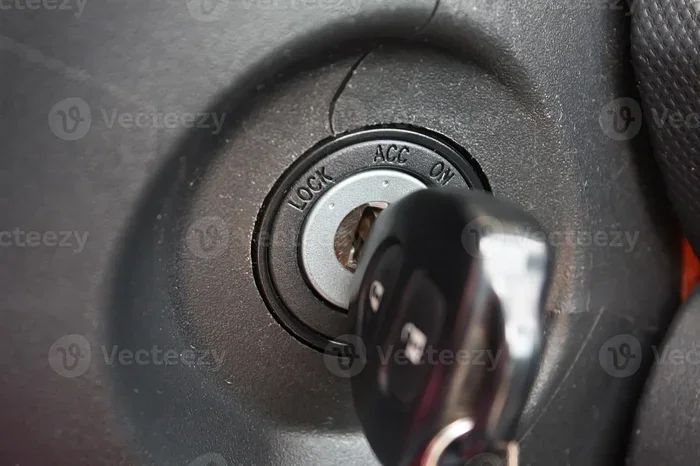
Every car has a few key positions in the ignition switch. Each one powers different parts of your vehicle. Here is a simple breakdown:
- Lock: The steering wheel locks. All electrical systems shut off completely.
- Accessory (ACC): Powers your radio, lights, and other accessories. The engine stays off.
- On/Run: Powers all electrical systems. The dashboard lights up. The engine is ready to start.
- Start: Engages the starter motor to crank the engine. This position snaps back to On once you release the key.
When your key sits in the Accessory or On position, your car is still drawing power from the battery. The radio, interior lights, dashboard displays, and security systems all stay active. Over time, this draws down the battery charge. This is known as parasitic drain, and it is the main reason a key left in the ignition kills your battery.
How Long Does It Take for the Battery to Drain?
The time it takes for a battery to drain depends on several factors. A newer car with a healthy battery might last a day or two with the key in the accessory position. But an older vehicle or one with a weak battery could die in just a few hours.
Factors that affect drain speed include:
- The age and condition of your battery
- Whether any accessories are left on, like the radio or lights
- The temperature outside. Cold weather makes battery drain worse
- Aftermarket electronics like dash cams or phone chargers
- The make and model of your vehicle
If you leave your key in the ignition overnight, there is a very good chance you will not be able to start your car in the morning. This is one of the most common reasons people call for roadside help.
Will Key in Ignition Drain Battery: The Full Answer
The short answer is yes, a key in the ignition will drain your battery. But the full picture is a little more nuanced. Let us look at exactly why this happens and what systems are pulling power from your battery when the engine is not running.
Parasitic Drain Explained
Even when your car is turned off, it still uses a small amount of electricity. This is normal. Your security system, clock, and onboard computer all need power to stay active. This is called parasitic draw, and it is designed to be very small. A healthy battery can handle this overnight without any problem.
But when you leave the key in the ignition, you are adding extra electrical loads to the system. The radio stays on. The power windows might remain active. The dashboard stays lit. All of these draw more power than your battery was designed to handle while the engine is off. Over a few hours, this extra drain can pull your battery below the threshold needed to start the engine.
Does Key Fob Battery Level Matter?
Many modern vehicles with push-button start rely on a key fob battery to communicate with the car. If your key fob battery is low, the car may not recognize the fob properly. Some drivers leave the key fob in the cup holder or console and leave the ignition in the accessory position. This can create a double drain situation. The car is trying to communicate with the fob while also powering accessories, and both draw from the same battery.
If you are dealing with a low key fob battery, consider replacing it soon. You can learn more about key fob battery drain and how it affects your car battery in our guide on can a low battery key fob drain a car battery.
Which Vehicles Are Most at Risk?
Not all cars drain at the same rate. Older vehicles with simpler electrical systems tend to drain slower. But cars with lots of electronic features, like infotainment systems and backup cameras, drain faster. Here is a quick comparison:
| Vehicle Type | Parasitic Drain Rate | Time to Dead Battery (Key in ACC) |
|---|---|---|
| Older Vehicle (pre-2000) | Low | 24-48 hours |
| Mid-Range Vehicle (2005-2015) | Medium | 12-24 hours |
| New Vehicle (2016+) | High | 6-12 hours |
| Luxury / Heavy Electronics | Very High | 3-8 hours |
These numbers are estimates and can vary based on battery health and conditions. But the takeaway is clear. The more electronics your car has, the faster a key in the ignition will drain the battery.
How to Fix a Battery Drained by a Key in the Ignition
So you came back to your car and the battery is dead. Do not panic. This is one of the most common battery problems, and it is usually easy to fix. Here are the best ways to bring your battery back to life.
Option 1: Jump Start Your Car
A jump start is the fastest way to get your car running again. You need another vehicle with a working battery and a set of jumper cables. Here is the basic process:
- Park the two vehicles close together but do not let them touch.
- Turn off both engines and all accessories.
- Connect the red clamp to the dead battery’s positive terminal.
- Connect the other red clamp to the good battery’s positive terminal.
- Connect the black clamp to the good battery’s negative terminal.
- Connect the last black clamp to an unpainted metal surface on the dead car.
- Start the working car and let it run for a few minutes.
- Try starting the dead car.
Once your car starts, let it run for at least 15 to 20 minutes to recharge the battery. This gives the alternator time to restore some charge.
Option 2: Use a Portable Battery Charger
If you do not have another vehicle nearby, a portable battery charger is a lifesaver. These small devices plug into a wall outlet and connect directly to your battery. They charge the battery slowly and safely. Many modern chargers are smart enough to prevent overcharging.
Portable chargers are affordable and worth keeping in your trunk. They work great for car battery maintenance and can save you from a lot of hassle.
Option 3: Replace the Battery
Sometimes the battery is too far gone to recover. If your battery is more than three to five years old, a dead battery might mean it is time for a replacement. Signs your battery needs replacing include:
- The engine cranks slowly when you try to start it
- The dashboard lights are dim
- You need jump starts frequently
- The battery case looks swollen or cracked
- Your battery is more than four years old
If you need help with battery replacement, check whether your local dealership offers free battery services. You can read about whether dealerships replace key fob batteries for free and what other services they may provide.
What to Check After the Battery Is Dead
Once you get your car running again, it is smart to check a few things. A dead battery caused by a key left in the ignition usually does not cause permanent damage. But it is worth inspecting your battery terminals for corrosion. White or greenish buildup on the terminals can signal a bigger problem.
If your car still won’t start even after a jump, there may be another issue. Check out our guide on car not starting but battery is fine what to check for troubleshooting tips that go beyond battery drain.
Quick Tips for Fixing a Drained Battery
- Always keep jumper cables in your trunk
- Invest in a portable battery charger for emergencies
- Test your battery voltage regularly with a multimeter
- If the battery reads below 12.4 volts, consider charging it
- Clean battery terminals with a wire brush if you see corrosion
How to Prevent Battery Drain from a Key in the Ignition
The best fix is prevention. Once you build a few simple habits, you will never have to deal with a dead battery from a key left in the ignition again.
Remove the Key Every Time You Park
This sounds obvious, but it is the single most effective habit. When you turn off the engine, take the key out of the ignition. This ensures all electrical systems power down completely. It takes two seconds and saves you from a lot of trouble.
Set a Reminder or Visual Cue
If you are forgetful, try creating a visual cue. Place your key fob in the center console instead of the ignition slot. Some people put their key in the glove box as a reminder to remove it from the ignition. Over time, it becomes second nature.
Turn the Key to the Lock Position
Make sure the key is fully in the lock position, not just in the accessory or on position. Some vehicles have a gentle click that confirms the key is in the lock. Take a moment to feel for that click every time you park.
Limit Aftermarket Accessories
Aftermarket electronics like dash cams, phone chargers, and LED light bars draw power even when the car is off. If you leave the key in the ignition with these accessories running, the drain happens much faster. Consider hardwiring dash cams to a switch or using a battery maintainer for vehicles that sit for long periods.
Use a Battery Maintainer for Long-Term Parking
If your car sits in the driveway or garage for days at a time, a battery maintainer is a great investment. It keeps the battery at full charge without overcharging. This is especially helpful during cold months when batteries naturally lose charge faster.
Key Fob Battery Maintenance
Keeping your key fob battery fresh also helps. A low key fob battery can cause your car to stay in an active state longer than it should. If you are unsure about do you need to do anything after replacing a key fob battery, the good news is that most vehicles do not require any special steps. Just replace the battery and you are good to go. For more details, check out our article on do you need to do anything after replacing a key fob battery.
Expert Insight: What Mechanics Say About Key in Ignition Drain
Most mechanics agree that leaving a key in the ignition is the number one cause of preventable dead batteries. According to automotive professionals, a vehicle in the accessory position can drain a fully charged battery in as little as 8 to 12 hours. In the on position, that time drops even further.
Experts also recommend getting your battery tested at least twice a year, especially before winter and summer. Extreme temperatures put extra stress on your battery, and a weak battery combined with a key left in the ignition is a recipe for disaster.
If you are concerned about your vehicle’s battery health, a simple load test at any auto parts store can tell you if your battery is on its way out. Many stores, including AutoZone, offer free battery testing. You can also check if AutoZone replaces key fobs and what other free services they offer at your local store.
Common Mistakes That Make Key in Ignition Drain Worse
Even if you try to be careful, certain habits make battery drain from a key in the ignition much worse. Here are the most common mistakes to avoid.
Leaving the Key in the Accessory Position While Waiting
Some people leave the key in the accessory position while they sit in the car listening to the radio or charging their phone. If you step out even for a minute, the battery starts draining. Always turn the key fully to the lock position before exiting the vehicle.
Ignoring Dashboard Warning Lights
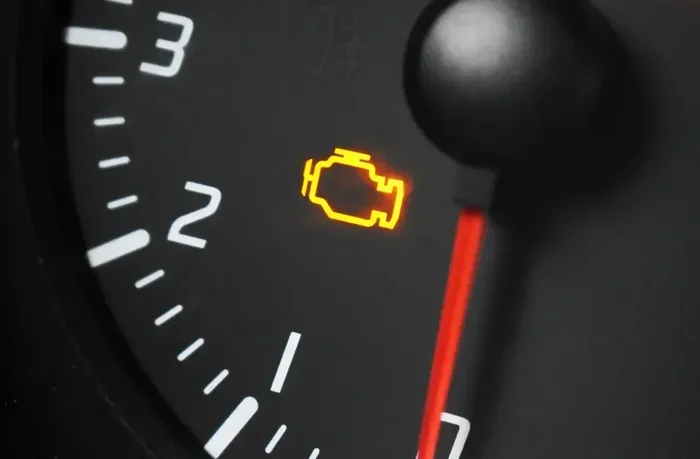
If your dashboard shows a battery warning light, do not ignore it. That light means something is wrong with your charging system. Driving with a faulty alternator or weak battery will only make things worse.
Using the Wrong Key or Fob
Using a key or fob that is not programmed correctly can cause the car to draw extra power trying to establish a connection. Always use the correct key for your vehicle. If your key fob battery is dying, replace it promptly.
Not Addressing Corrosion Early
Battery corrosion increases resistance and makes it harder for your battery to hold a charge. Clean your terminals regularly with a baking soda and water solution. A simple wire brush can remove most buildup.
Assuming a Jump Start Fixes Everything
A jump start gives you enough power to start the car, but it does not fully recharge the battery. If your battery was deeply drained, it may need a full charge cycle or replacement. Driving short trips after a jump start does not fully recharge the battery either.
How to Tell If Your Battery Is Dying from Key in Ignition
Knowing the warning signs of a draining battery can help you take action before you are stranded. Here are the most common signs:
- Slow engine crank: The engine takes longer than usual to start
- Dim headlights: Your lights are noticeably dimmer than normal
- Clicking sound when turning the key: The starter solenoid engages but the engine does not turn over
- Dashboard lights flicker: The lights dim when you try to start the engine
- Battery warning light on the dashboard: This indicates a charging system issue
- Electrical accessories act sluggish: Power windows move slowly or the radio cuts out
If you notice any of these signs, get your battery tested as soon as possible. Catching a weak battery early can save you from a stressful situation on the side of the road.
Key Takeaways
- Leaving a key in the ignition does drain the battery, especially if left in the accessory or on position for extended periods.
- Parasitic drain increases significantly when the key is left out of the lock position.
- A dead battery can usually be fixed with a jump start or portable charger before permanent damage occurs.
- Removing the key every time you park is the single best way to prevent this problem.
- Newer vehicles with more electronics drain faster than older, simpler models.
- Regular battery maintenance and testing can extend the life of your battery and prevent unexpected failures.
Frequently Asked Questions
How long can you leave a key in the ignition before the battery dies?
It depends on your vehicle and battery condition, but most cars will start showing battery drain within 4 to 8 hours in the accessory position. Newer vehicles with more electronics can drain in as little as 3 hours. Always remove the key when you park to avoid this risk entirely.
Can a key in the ignition damage the starter motor?
Leaving the key in the ignition for a short time usually will not damage the starter motor. However, repeatedly leaving the key in the start position for too long can overheat the starter and wear it out prematurely. Always return the key to the lock or off position after starting the engine.
Does a push-button start vehicle drain the battery if the key fob is left inside?
Yes, push-button start vehicles can still drain the battery if the key fob is left inside and the car is not fully powered off. The vehicle may remain in an accessory or standby mode, drawing power from the battery. Always ensure the vehicle is completely off and the key fob is removed or placed properly.
What should I do if my battery dies from a key left in the ignition?
First, try a jump start using another vehicle or a portable battery charger. Let the car run for at least 20 minutes to recharge the battery partially. If the battery is old or has been deeply discharged, consider replacing it. Regularly jump-starting a dead battery can shorten its lifespan.
Is it bad to leave the key in the ignition in the accessory position?
Yes, leaving the key in the accessory position for more than a few minutes will slowly drain your battery. The radio, lights, and other accessories draw power directly from the battery with no help from the alternator. This is safe for short periods but harmful if left for hours or overnight.
How can I test if my battery is healthy after a drain incident?
You can use a multimeter to test your battery voltage. A healthy battery should read 12.6 volts or higher when the engine is off. If it reads below 12.4 volts, the battery may need charging. If it reads below 12.0 volts, the battery is likely weak and may need replacement.
=== CONCLUSION ===
A key left in the ignition will drain your car battery, and it happens more often than most people realize. The accessory and on positions keep your vehicle’s electrical systems active, pulling power from the battery even when the engine is off. Over time, this parasitic drain can leave you stranded with a dead battery.
The good news is that this problem is entirely preventable. Make it a habit to remove the key every time you park. Set a visual cue if you need to. Keep jumper cables or a portable charger in your trunk for emergencies. And pay attention to the warning signs of a weakening battery before it leaves you stuck.
Taking a few seconds to turn off the ignition properly can save you hours of frustration. Your battery works hard every day to keep your car running. Give it the care it deserves by making sure the key is out of the ignition every single time you leave the vehicle. A small habit like this goes a long way toward keeping your car reliable and ready to go whenever you need it.