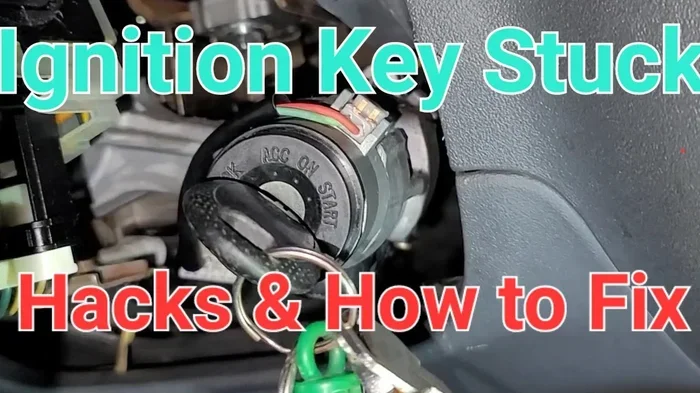
Quick Key Wont Turn in Ignition: Troubleshooting Guide
A key that won’t turn in ignition is one of the most common car problems drivers face. This guide walks you through every likely cause, from a simple steering wheel lock to a worn ignition cylinder. You will learn fast fixes you can do at home and clear signs that mean it is time to see a mechanic.
There are few moments more frustrating than stepping into your car, inserting the key, and realizing nothing happens. The key won’t turn in ignition, and suddenly your whole day feels stuck before it even starts. Whether you are rushing to work or heading out on a weekend trip, this problem can throw a serious wrench into your plans.
The good news is that most ignition-related issues are simple to diagnose and fix. You do not need to be a mechanic to handle the most common causes. In this guide, we will walk you through every reason your key might refuse to turn, give you step-by-step fixes, and show you when it is smart to call in a professional.
We have helped thousands of car owners solve exactly this problem. The tips below are practical, honest, and based on real-world experience. Let us get your key turning again.
Key Takeaways
- Steering wheel lock is the number one reason a key won’t turn. It is an easy fix that costs nothing.
- A worn or damaged key can physically jam inside the ignition cylinder.
- Dead key fob battery often mimics ignition problems in modern vehicles.
- Ignition switch failure requires professional diagnosis and may need full replacement.
- Never force the key — it can break inside the lock and make things worse.
- Regular maintenance of your key and ignition system prevents most problems.
- Knowing when to call a pro saves time and money in the long run.
📑 Table of Contents
Why Your Key Won’t Turn in Ignition
Understanding the root cause is the first step to fixing the problem. Several different issues can stop your key from turning, and each one has a clear solution. Let us look at the most common culprits.
Steering Wheel Lock
This is the single most common reason a key will not turn. When you turn off your car and remove the key, the steering wheel can lock into place. The lock pin slides into the steering column, and the ignition cylinder gets stuck too.
The fix is simple. Gently wiggle the steering wheel left and right while you try to turn the key. You should feel the wheel release after a few seconds. Once it moves freely, the key will turn without resistance.
Quick tip: Never yank the steering wheel hard. You can damage the lock mechanism and create a much bigger problem. Gentle pressure is all you need.
Worn or Damaged Key
Over time, the teeth on your key wear down. This happens naturally from thousands of insertions and removals. A worn key simply cannot push the pins inside the ignition cylinder to the correct height.
You might notice the key feels loose in the lock or slides in and out more easily than before. These are clear signs that your key is wearing down. If the key has any visible bends, cracks, or chips, that is another red flag.
One easy way to prevent this is to keep a spare key and rotate between them. However, if the damage is already done, you will need a replacement key cut to match your current key profile.
Debris and Dirt Inside the Ignition Cylinder
Dust, lint, and small particles can build up inside the ignition cylinder over time. This debris creates friction that prevents the key from sliding in or turning smoothly. It is especially common in cars that sit parked for long periods.
A quick fix is to spray a small amount of electrical contact cleaner into the ignition lock. Do not use WD-40 or similar oils, as they can attract more dirt over time. A little compressed air can also help blow out loose particles.
Key Fob Battery Problems
Modern vehicles with push-button start or smart key systems rely on a key fob battery to communicate with the car. When this battery dies, the car may not recognize the key at all. Many drivers mistake this for an ignition problem when the real issue is much simpler.
Signs Your Key Fob Battery Is Dead
Watch for these warning signs that your key fob battery needs replacing:
- The car does not detect the key when you press the start button.
- You need to hold the fob very close to the start button for it to work.
- The key fob range becomes very short — you must be right next to the car.
- Warning lights on the dashboard flash or stay on after starting.
How to Fix It
Replacing the key fob battery is one of the easiest car maintenance tasks you can do. Most fobs use a CR2032 coin battery, which costs just a few dollars at any drugstore or supermarket.
Open the fob case with a small flathead screwdriver. Remove the old battery, match the positive side orientation, and snap the new one in place. After replacing the battery, check if the car starts normally.
Some vehicles require you to do you need to do anything after replacing a key fob battery, such as pressing a reset button or waiting for the system to re-sync. Check your owner’s manual for model-specific steps.
Also, keep in mind that a low battery key fob can drain a car battery if the fob continuously searches for a signal. This is another reason to replace the fob battery as soon as you notice weak signal strength.
You can also test other key fob functions like window controls to confirm whether the fob is working at all.
Ignition Switch and Cylinder Issues
If the steering wheel is not locked and your key looks fine, the problem may be deeper inside the ignition system. The ignition switch and cylinder are responsible for sending electrical power to your car’s starter, fuel system, and engine control module.
Ignition Switch Failure
The ignition switch is the electrical component behind the key cylinder. When it fails, you may notice several warning signs:
- The car starts but stalls immediately after releasing the key.
- Accessories like the radio or lights work, but the engine will not crank.
- The key feels like it is in the wrong position even when it is in the correct slot.
- Flickering dashboard lights when you turn the key.
An ignition switch failure can be caused by worn electrical contacts, heat damage, or general wear over time. This is not a DIY fix for most drivers. A qualified mechanic can test the switch with a multimeter and replace it if needed.
Ignition Cylinder Wear
The ignition cylinder is the physical lock where you insert the key. Inside, a set of pins must align perfectly for the cylinder to turn. Over years of use, these pins wear down and the cylinder becomes sluggish.
In some cases, the entire cylinder needs replacement. This is more common in high-mileage vehicles or cars that have had the key forced many times. A locksmith or dealership can rekey or replace the cylinder without replacing the full lock assembly.
How to Fix a Stuck Ignition Key
If your key is physically stuck and will not turn, follow these steps carefully. Never force the key — a broken key inside the cylinder is a much bigger headache.
Step-by-Step Troubleshooting
- Check the steering wheel lock. Wiggle the wheel gently while turning the key.
- Inspect the key. Look for bends, cracks, or worn teeth. Compare it to a spare key if you have one.
- Try a different key. A spare key can tell you whether the problem is with the key or the cylinder.
- Clean the cylinder. Use electrical contact cleaner and a cotton swab to remove debris.
- Lubricate lightly. Apply a graphite-based lubricant — not oil — to the key and gently insert and remove it several times.
- Jiggle the key gently. While applying very light turning pressure, wiggle the key up and down slightly.
If none of these steps work, the problem is likely internal and requires professional attention. At that point, it is best to stop trying and call a locksmith or dealership.
What to Do If the Key Breaks Inside the Cylinder
This is a nightmare scenario, but it happens more often than you might think. If part of the key breaks off inside the ignition, do not panic. Do not try to extract it with tweezers or any tool you insert into the lock.
Instead, contact a professional locksmith who has specialized tools for broken key extraction. Trying to remove a broken key yourself can push the pieces deeper and damage the cylinder beyond repair.
When to See a Professional
Not every ignition problem should be handled at home. Some situations clearly call for expert help. Knowing the difference saves you time, money, and frustration.
Red Flags That Mean Call a Mechanic
- The key turns but the engine does not crank at all.
- You hear a clicking sound but the engine will not start.
- The ignition cylinder is visibly damaged or bent.
- You have tried all the DIY fixes and the key still will not turn.
- The steering column feels loose or grinding when you turn the key.
These symptoms often point to electrical problems, internal cylinder damage, or starter motor failure. A professional mechanic has the diagnostic tools to pinpoint the exact issue quickly.
Cost Expectations
Ignition repair costs vary widely depending on your vehicle and the specific problem. A simple steering wheel lock release costs nothing. Replacing a key fob battery runs about five to ten dollars. Ignition switch replacement typically costs between one hundred and three hundred dollars including parts and labor. A full ignition cylinder replacement can range from two hundred to five hundred dollars.
Always ask for a diagnosis fee upfront. Many shops will apply the diagnosis cost toward the repair if you proceed with the fix.
Preventing Ignition Problems in the Future
The best way to deal with a key that won’t turn is to prevent the problem from happening in the first place. A few simple habits can keep your ignition system working smoothly for years.
Simple Maintenance Habits
- Clean your key regularly with a soft cloth to remove oils and grime.
- Replace your key fob battery every one to two years, even if it still works.
- Do not carry heavy keychains that put pressure on the key and ignition cylinder.
- Use the correct key for your vehicle — do not try to force a spare key that does not fit properly.
- Have your ignition cylinder inspected during routine maintenance visits.
Smart Key Habits
If your car uses a smart key or push-button start system, treat the fob with care. Keep it away from water, extreme heat, and magnetic fields. Store it in a dedicated spot at home so you never accidentally sit on it or damage it.
Also, if you ever notice the key fob signal getting weaker, replace the battery immediately. A dying battery can cause intermittent starting problems that are hard to diagnose later.
You can also learn more about related car maintenance topics like choosing the right oil for your car and post key fob battery replacement steps to keep your vehicle running at its best.
Final Thoughts
A key that won’t turn in ignition is almost always a solvable problem. In the majority of cases, the cause is simple — a locked steering wheel, a worn key, or a dead fob battery. With the troubleshooting steps in this guide, you have the tools to handle most situations on your own.
The key is to stay calm, work through the possibilities one at a time, and never force anything. If the problem persists or you notice signs of internal damage, reach out to a trusted mechanic or locksmith. Your ignition system is the heart of your car’s starting process, and it deserves proper care.
Keep this guide bookmarked. The next time your key refuses to cooperate, you will know exactly what to do. A little knowledge goes a long way toward keeping you on the road and out of the repair shop.
Frequently Asked Questions
Why does my key keep getting stuck in the ignition?
The most common reason is a worn ignition cylinder or a damaged key. Dirt and debris inside the lock can also cause the key to stick. Try cleaning the cylinder with electrical contact cleaner and switching to a spare key to see if the problem persists.
Can a dead key fob battery prevent the car from starting?
Yes, absolutely. In vehicles with smart key systems, the car will not recognize a fob with a dead battery. Replace the fob battery with a fresh CR2032 coin cell and try starting the car again. You can also hold the fob directly against the start button as a temporary workaround.
Is it safe to use a spare key if my main key is stuck?
Yes, using a spare key is a great way to test whether the problem is with the key itself or the ignition cylinder. If the spare key turns without issues, your main key is worn or damaged and needs replacement.
How much does it cost to replace an ignition cylinder?
Ignition cylinder replacement typically costs between two hundred and five hundred dollars, depending on your vehicle make and model. Labor charges vary by region and mechanic. Always get a quote before approving the repair.
Can I drive my car if the ignition switch is failing?
You should not drive a car with a failing ignition switch. It can cause the engine to stall unexpectedly while you are driving, which is dangerous. Have the vehicle towed to a repair shop and get the switch replaced before driving it again.
What should I do if the key breaks off in the ignition?
Do not attempt to remove the broken key pieces yourself. Inserting tools into the lock can push fragments deeper and cause more damage. Contact a professional locksmith who has specialized extraction tools and can replace the cylinder if needed.
=== CONCLUSION ===
A key that won’t turn in ignition does not have to ruin your day. Most of the time, the fix is quick, free, and something you can handle yourself. Start with the steering wheel lock, check your key condition, and consider the key fob battery before assuming the worst.
When the problem goes beyond simple fixes, do not hesitate to call a professional. Ignition system issues can be safety concerns, and getting them resolved quickly keeps you and your car protected.
Stay proactive with regular key and ignition maintenance, and you will avoid most of these problems altogether. Keep the tips from this guide in mind, and you will be back on the road in no time.