Is It Safe to Reset the Engine Light on Your Vehicle
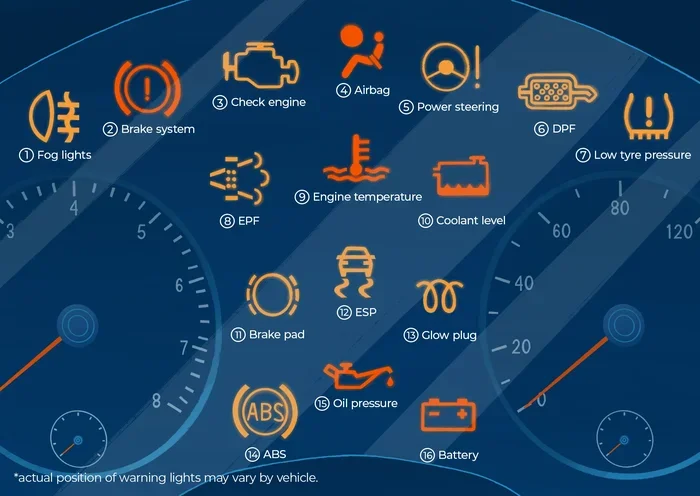
Resetting the engine light can be safe in certain situations, but it is not always the right move. Understanding why your check engine light is on matters more than simply clearing it. This guide covers when it is okay to reset, when to avoid it, and what could happen if you do it wrong.
That little yellow or orange light on your dashboard shows up out of nowhere and suddenly your stomach drops. You wonder, is it safe to reset the engine light on your vehicle? The short answer is: it depends on why the light came on in the first place.
Your check engine light is part of your car’s onboard diagnostics system. It acts like a warning system that alerts you when something in the engine or emissions system is not working correctly. Simply pressing a button to turn it off might feel like a quick fix, but it could hide a serious problem that needs attention.
In this article, we will walk through everything you need to know about resetting your engine light safely. We will cover when it is okay, when it is dangerous, what tools you need, and how to avoid common mistakes. By the end, you will feel confident about what to do the next time that little warning shows up on your dash.
Key Takeaways
- Resetting is sometimes safe: If the issue is minor like a loose gas cap, clearing the light after fixing it is perfectly fine.
- Never reset without diagnosing first: Clearing the light hides the real problem and can lead to bigger, more expensive repairs.
- OBD-II scanners are your best friend: Using a diagnostic tool helps you understand what triggered the warning before you reset anything.
- Some states require the light to be off for emissions testing: Resetting may be necessary in these cases but only after repairs are complete.
- Drive cycles matter: After resetting, your vehicle needs a proper drive cycle to recheck all systems and confirm the fix worked.
- Professional help is wise: When in doubt, let a mechanic read the codes and fix the root cause before clearing anything.
📑 Table of Contents
- What Does the Engine Light Actually Mean?
- Is It Safe to Reset the Engine Light?
- How to Safely Reset the Engine Light
- What Happens If You Reset Without Fixing the Problem?
- When Should You See a Professional?
- Common Mistakes People Make When Resetting the Engine Light
- Quick Tips for Handling the Engine Light
- Final Thoughts
What Does the Engine Light Actually Mean?
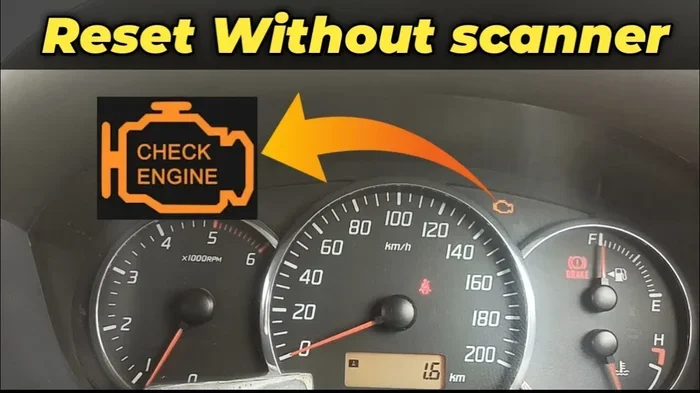
Before you even think about pressing a reset button, you need to understand what the engine warning light is telling you. The light is part of your car’s OBD-II system, which stands for On-Board Diagnostics II. This system has been standard in all vehicles sold in the United States since 1996.
When the system detects a problem, it stores a diagnostic trouble code, also known as a fault code. These codes tell you exactly what went wrong. The check engine light can come on for hundreds of different reasons, ranging from something as simple as a loose gas cap to something serious like a failing catalytic converter.
Common Reasons the Engine Light Comes On
Not every reason the light appears is a reason to panic. Here are some of the most common triggers:
- Loose or faulty gas cap: This is the number one reason. A loose cap lets fuel vapors escape and triggers the emissions system warning.
- Faulty oxygen sensor: This sensor measures unburned oxygen in your exhaust. When it fails, your fuel economy drops and emissions rise.
- Catalytic converter issues: A failing converter means your car is not properly cleaning exhaust gases. This is a more serious and expensive repair.
- Spark plug or ignition coil problems: Worn spark plugs cause misfires that can damage your engine over time.
- Airflow sensor failure: The mass airflow sensor tells your car how much fuel to mix with air. When it goes bad, your engine runs poorly.
- Emissions control system faults: Any part of the emissions system can trigger the light if it is not working within specs.
The point is, the light is a signal, not a death sentence. But ignoring it or simply clearing it without understanding the cause can lead to costly repairs down the road.
Is It Safe to Reset the Engine Light?
This is the big question, and the answer is not a simple yes or no. Whether it is safe depends entirely on the situation. Let us break it down into two scenarios: when it is safe and when it is not.
When It Is Safe to Reset
Resetting the light is safe when you have already fixed the underlying problem. For example, if your gas cap was loose and you tightened it, the light may stay on for a few drive cycles. In this case, resetting it is perfectly fine. Another safe scenario is when a mechanic has diagnosed and repaired the issue and the system needs to be cleared to confirm the fix worked.
If you have completed a repair and want to clear the stored fault codes, go ahead and reset the light. Just make sure the repair was done correctly first. After resetting, drive your vehicle through a complete drive cycle so the system can recheck everything and confirm the problem is resolved.
When It Is NOT Safe to Reset
Resetting the light without knowing what caused it is never a good idea. Here is why: if there is a real problem, clearing the light just hides the symptom. The underlying issue keeps getting worse, and you will not know it until something breaks down or you fail an emissions test.
For instance, if your light came on because of a bad catalytic converter and you just reset it, you are driving with a vehicle that is polluting more than it should. You are also risking a much more expensive repair if the converter fails completely. The same goes for engine misfires caused by bad spark plugs or ignition coils. Driving with those issues can damage your engine over time.
There is also the question of safety. If the light is flashing rather than staying solid, that usually means a more serious problem like an active engine misfire. In that case, you should not keep driving. Can I still drive my car if it says engine malfunction? That is a common question, and the answer depends on the severity of the issue. A solid light usually means you can drive carefully to a shop, but a flashing light means you should stop and get help right away.
How to Safely Reset the Engine Light
If you have fixed the problem or had it repaired and now want to clear the light, here are the safe ways to do it. Always make sure the root cause has been addressed first.
Method 1: Use an OBD-II Scanner
An OBD-II scanner is the most reliable tool for resetting your engine light. These devices plug directly into your car’s diagnostic port, which is usually located under the dashboard on the driver’s side. Here is how to do it:
- Turn your car off and locate the OBD-II port.
- Plug the scanner into the port.
- Turn the ignition to the “on” position without starting the engine.
- Follow the scanner’s instructions to read and then clear the codes.
- Start the engine and check if the light stays off.
OBD-II scanners range from basic code readers to advanced tools that give you live data. You can find affordable ones at most auto parts stores. Some stores like AutoZone will even read your codes for free if you walk in with your car. Can AutoZone check engine light? Yes, many locations offer free diagnostic scanning.
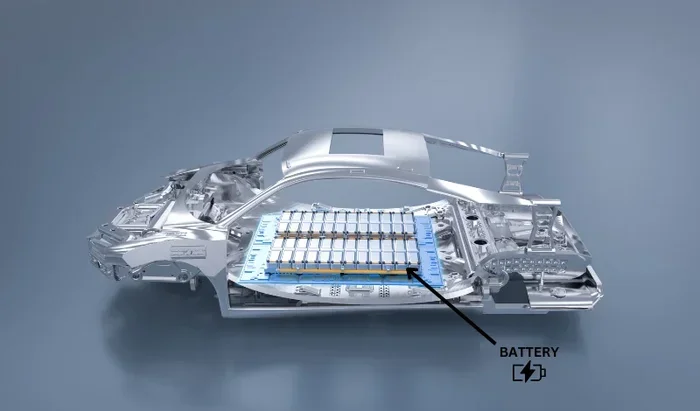
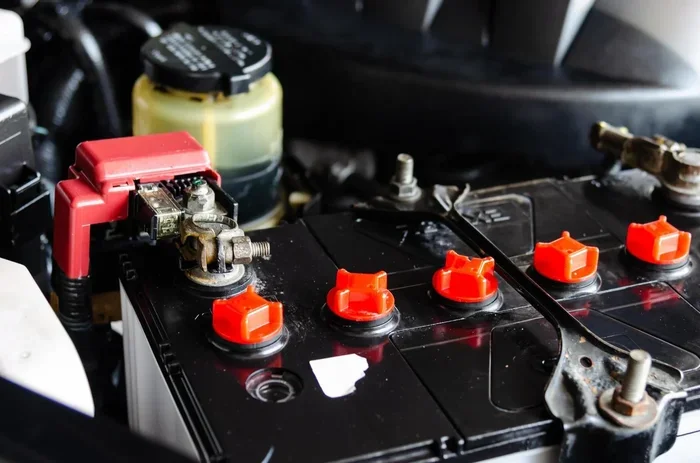
Method 2: Disconnect the Battery
Some people reset the light by disconnecting the car battery. This works by clearing the stored power that keeps the codes in memory. Here is how:
- Turn off the engine and all electrical accessories.
- Open the hood and locate the negative battery terminal.
- Use a wrench to loosen the cable and disconnect it.
- Wait at least 15 minutes.
- Reconnect the cable and tighten it back up.
- Start the car and check if the light is off.
This method works, but it also resets other settings in your car like your radio presets, clock, and sometimes power window calibration. It is not the most recommended method, but it gets the job done in a pinch.
Method 3: Drive Cycle Reset
After clearing the codes, your car needs a drive cycle to relearn and recheck all systems. A drive cycle typically involves:
- Starting the engine from cold.
- Idling for a few minutes.
- Driving at moderate speeds on the highway.
- Coming to a complete stop and restarting.
- Driving in city conditions.
The exact drive cycle varies by vehicle make and model. Check your owner’s manual for the specific procedure. After a full drive cycle, the system should run all its self-tests and confirm whether the problem is truly fixed.
What Happens If You Reset Without Fixing the Problem?
This is where things get risky. If you clear the check engine light without addressing the root cause, the light will almost certainly come back. The OBD-II system continuously monitors your vehicle. Once it detects the same problem again, it will trigger the light and store the code again.
But that is not the only consequence. Here is what can happen if you reset without fixing the issue:
- You will fail an emissions test: Most states require the check engine light to be off for a vehicle to pass inspection. Resetting it temporarily will not fool the test if the underlying problem still exists.
- Your fuel economy drops: Many issues that trigger the engine light affect how efficiently your car burns fuel. Ignoring them means you pay more at the pump.
- You risk more expensive repairs: A small problem like a faulty oxygen sensor can lead to a damaged catalytic converter if left unaddressed. That repair can cost over a thousand dollars.
- You lose valuable diagnostic information: When a mechanic connects a scanner, the stored codes tell them exactly what to look at. Clearing them without fixing the problem means you lose that trail.
The bottom line is that resetting without fixing is like turning off a smoke alarm while there is still a fire in the kitchen. The alarm stops, but the danger is still there.
When Should You See a Professional?
While resetting the engine light is something many car owners can do themselves, there are times when you should let a professional handle it. Here are signs that it is time to visit a mechanic:
- The light is flashing, not solid. A flashing light usually indicates a severe misfire that can damage the catalytic converter.
- You notice other symptoms like rough idling, loss of power, strange noises, or smoke from the exhaust.
- The light comes back immediately after you reset it. This means the problem is still active and needs proper diagnosis.
- You have checked the gas cap and tightened it, but the light stays on after several drive cycles.
- You are unsure what the codes mean even after reading them with a scanner.
A professional mechanic has access to advanced diagnostic tools and the expertise to interpret fault codes correctly. They can also perform the proper repairs and then reset the system to confirm everything is working. If you are dealing with a Toyota vehicle and wondering about maintenance lights, check out Can I Drive With Maintenance Required Light On Toyota for more specific guidance.
Common Mistakes People Make When Resetting the Engine Light
Even with good intentions, car owners often make mistakes when dealing with the engine light. Here are the most common ones to avoid:
Mistake 1: Resetting the Light Just to Pass an Inspection
This is one of the most common reasons people clear the light. While it is true that you need the light off for an emissions test, resetting it without fixing the problem will not work. The test equipment will detect that the readiness monitors have not completed their self-tests, and you will still fail.
Mistake 2: Ignoring the Light Because It Is “Probably Nothing”
Sometimes the light comes on for a minor reason like a loose gas cap, and people assume it will go away on its own. While that can happen, it is always better to check. A quick scan with a code reader takes minutes and can save you from a much bigger problem.
Mistake 3: Using the Wrong Reset Method
Not all reset methods work the same way for every vehicle. Some cars require a proper scan tool to clear codes, while others respond to battery disconnection. Using the wrong method can sometimes cause more issues or fail to clear the codes at all.
Mistake 4: Resetting and Then Ignoring the Problem
This is the big one. Once the light is off, it is easy to forget about the problem that caused it. But the underlying issue does not go away just because the warning light is off. Always diagnose first, then reset only after the repair is complete.
Quick Tips for Handling the Engine Light
- Keep an OBD-II scanner in your glove box. It is one of the most useful tools a car owner can have.
- Write down the fault codes before clearing them. This helps if you need to take the car to a mechanic later.
- Check the gas cap first. It sounds too simple, but a loose cap causes many engine light triggers.
- Do not panic if the light comes on. In many cases, it is a minor issue that is easy and inexpensive to fix.
- Keep up with regular car maintenance. Many problems that trigger the engine light can be prevented with routine service.
- If you are unsure, get a professional diagnosis. A few dollars spent on a proper scan can save hundreds in unnecessary repairs.
Final Thoughts
So, is it safe to reset the engine light on your vehicle? Yes, but only when you know what you are doing and the problem has been addressed. Resetting the light is not a fix. It is a way to clear the warning after the fix is complete. The real work happens in diagnosing and repairing the issue that triggered the light in the first place.
Take the time to understand what your dashboard warning is telling you. Use a scanner to read the codes, address the root cause, and then reset the system properly. Your car, your wallet, and your safety will all thank you for it. A little knowledge goes a long way when it comes to keeping your vehicle running smoothly and avoiding unnecessary repairs.
Remember, the check engine light is your car’s way of communicating with you. Listen to it, take it seriously, and handle it the right way. That is the safest approach to keeping your vehicle in great shape for years to come.
Frequently Asked Questions
Can I reset the engine light myself at home?
Yes, you can reset the engine light yourself using an OBD-II scanner or by disconnecting the battery. However, you should only do this after fixing the underlying problem. Resetting without addressing the cause will just cause the light to come back.
Will resetting the engine light clear fault codes permanently?
Resetting clears the codes from the scanner’s memory, but if the problem still exists, the OBD-II system will detect it again during the next drive cycle and trigger the light once more. The codes will return until the actual issue is repaired.
How long after fixing a problem will the engine light turn off?
It depends on the vehicle and the issue. Some cars turn the light off after just a few drive cycles, while others may take up to 50 to 100 miles of driving. Using an OBD-II scanner to manually clear the codes is the fastest way to turn off the light after the repair is complete.
Can a loose gas cap cause the engine light to come on?
Yes, a loose or faulty gas cap is one of the most common reasons the check engine light activates. The cap seals the fuel system and prevents vapors from escaping. When it is not tight, the emissions system detects a leak and triggers the warning light.
Is it okay to drive with the engine light on?
It depends on the situation. If the light is solid and the car is running normally, you can usually drive carefully to a mechanic. If the light is flashing, you should stop driving immediately and seek help, as a flashing light often indicates a serious issue like an active engine misfire that can cause damage.
Will resetting the engine light affect my car’s performance?
Resetting the light itself does not change how your car performs. However, if the light came on due to a performance issue and you reset it without fixing the problem, the underlying issue will continue to affect your car’s performance, fuel economy, and emissions.