Is Hydrogen Fuel Better Than Electric Cars Explained
Hydrogen fuel and electric cars each have unique strengths that make them better for different drivers and needs. Hydrogen fuel cell vehicles offer fast refueling and long range, while battery electric vehicles provide lower running costs and wider availability. This guide breaks down the real differences so you can make an informed choice.
Hydrogen fuel and electric cars sit at the forefront of clean transportation. Many drivers wonder which option truly delivers the best value, performance, and environmental benefit. The answer is not as simple as picking one over the other. Each technology has distinct advantages and limitations that suit different lifestyles and needs.
In this article, we break down the real differences between hydrogen fuel cell vehicles and battery electric cars. We look at cost, range, refueling time, infrastructure, and environmental impact. By the end, you will have a clear picture of which option fits your situation best. Let us dive into the hydrogen fuel vs electric debate.
Key Takeaways
- Hydrogen Fuel offers fast refueling: You can fill up a hydrogen tank in minutes, similar to gasoline cars.
- Electric vehicles have lower running costs: Charging an EV at home is cheaper than hydrogen refueling in most areas.
- Infrastructure matters: Electric charging stations are far more common than hydrogen refueling stations.
- Environmental impact varies: Both options produce zero tailpipe emissions, but how the energy is made affects their green credentials.
- Range differences exist: Hydrogen cars often match or exceed the range of most battery electric vehicles.
- Cost is a key factor: Hydrogen fuel cell vehicles tend to cost more upfront than comparable electric cars.
- Your driving habits matter: Choose based on your daily mileage, refueling access, and budget.
📑 Table of Contents
What Is Hydrogen Fuel Technology?
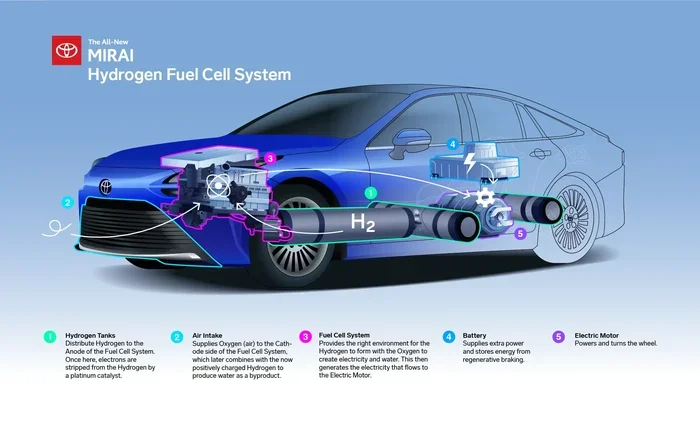
Hydrogen fuel technology uses a fuel cell to generate electricity on board the vehicle. Instead of plugging in to charge a battery, a hydrogen fuel car combines hydrogen gas with oxygen from the air. This chemical reaction produces electricity, which powers an electric motor. The only emission from the tailpipe is water vapor.
How Hydrogen Fuel Cells Work
A hydrogen fuel cell stack contains membranes and electrodes. Hydrogen molecules enter one side, and oxygen enters the other. The membrane splits the hydrogen into protons and electrons. Electrons flow through a circuit, creating electricity. Protons pass through the membrane and combine with oxygen and electrons on the other side, forming water. This process is quiet, efficient, and produces no harmful pollutants.
Think of it this way. A hydrogen fuel cell is like a tiny power plant inside your car. It generates electricity whenever you need it. You do not need to plug in overnight or wait for a slow charge. You simply fill up the tank with hydrogen, and you are ready to go.
Types of Hydrogen Production
Not all hydrogen fuel is created equal. How hydrogen is made determines its environmental impact. There are several methods used today:
- Green hydrogen: Produced using renewable energy like wind or solar power to split water. This is the cleanest option.
- Grey hydrogen: Made from natural gas through a process called steam methane reforming. This method releases carbon dioxide.
- Blue hydrogen: Similar to grey hydrogen, but the carbon emissions are captured and stored underground.
- Turquoise hydrogen: Created through pyrolysis of natural gas, producing solid carbon as a byproduct rather than CO2.
Green hydrogen fuel holds the most promise for a truly zero-emission future. However, it currently makes up a small portion of global hydrogen production. Most hydrogen fuel today comes from grey sources, which still has a carbon footprint.
Hydrogen Fuel vs Electric Cars: Head-to-Head Comparison
Understanding the differences between hydrogen fuel cell vehicles and battery electric vehicles helps you make a smart choice. Both are clean alternatives to gasoline, but they work in very different ways.
Range and Refueling Comparison
One of the biggest advantages of hydrogen fuel cars is refueling speed. Filling up a hydrogen tank takes about the same time as filling a gasoline tank, typically three to five minutes. Battery electric vehicles, on the other hand, take longer to recharge.
Here is a quick look at the comparison:
- Hydrogen refueling time: 3 to 5 minutes for a full tank.
- DC fast charging (EV): 20 to 40 minutes for 80% charge.
- Home charging (EV): 8 to 12 hours for a full charge.
- Hydrogen range: Typically 300 to 400 miles per tank.
- Electric range: Typically 250 to 350 miles per charge.
For long-distance drivers, hydrogen fuel offers a clear convenience advantage. You do not need to plan stops around charging stations. You simply pull into a refueling station, fill up, and continue driving. This makes hydrogen fuel particularly appealing for fleet vehicles and long-haul transport.
If your car has electrical issues and refuses to start despite a healthy battery, you can check our guide on car not starting but battery is fine what to check for troubleshooting tips that apply to both electric and hydrogen vehicles.
Cost and Infrastructure
Cost is where the comparison gets interesting. Hydrogen fuel cell vehicles tend to have a higher purchase price than comparable battery electric cars. The technology is still relatively new and expensive to manufacture. Fuel cell stacks contain precious metals like platinum, which drives up costs.
On the refueling side, hydrogen fuel is currently more expensive per mile than electricity for EVs. A kilogram of hydrogen can cost anywhere from $10 to $16 at public stations. Meanwhile, charging an electric vehicle at home costs much less per mile. Electricity rates vary, but most EV owners pay significantly less to fuel their cars daily.
Infrastructure is another major factor. Electric charging stations are everywhere. You can find them at shopping centers, parking lots, and even along highways. Home charging is also very convenient. You plug in your car overnight and wake up with a full battery every morning.
Hydrogen refueling stations, however, are far less common. Most are located in California and a few other select markets. If you live outside these areas, finding a hydrogen station can be a real challenge. This limits the practicality of hydrogen fuel cell vehicles for many drivers.
When comparing vehicle costs across different models, keep in mind that price differences between brands can be significant. For example, if you are comparing similar sedans, you might find that Corollas are cheaper than Camrys in the traditional combustion space, and similar price gaps exist in the EV and hydrogen markets.
Fueling and Maintenance Differences
Hydrogen fuel cell vehicles have fewer moving parts than traditional combustion engines. This means less wear and tear over time. However, the fuel cell stack itself is a complex and expensive component that may need replacement after many years of use.
Battery electric vehicles also have low maintenance needs. There is no oil to change, no transmission to service, and fewer brake components to replace due to regenerative braking. Both hydrogen fuel and battery electric vehicles offer lower maintenance costs compared to gasoline cars.
One thing to keep in mind with hydrogen systems is the fuel delivery mechanism. Unlike gasoline cars where you simply unscrew a gas cap, hydrogen fueling involves specialized nozzles and sealed connections. If you ever have issues with your fuel system, make sure the fuel flap and connections are working properly. You can learn more about fuel system basics in our article on can you drive without a fuel flap.
Environmental Impact of Hydrogen Fuel
Both hydrogen fuel cell vehicles and battery electric vehicles produce zero tailpipe emissions. This is a major win for air quality in cities and urban areas. However, the full environmental picture goes beyond what comes out of the exhaust pipe.
Battery electric vehicles depend on the electrical grid for charging. If your local grid runs mostly on coal or natural gas, your EV is indirectly contributing to those emissions. On the other hand, if you charge with solar or wind power, your driving is essentially zero-emission.
Hydrogen fuel follows a similar logic. Green hydrogen produced with renewable energy is truly clean. Grey hydrogen made from natural gas carries a carbon cost. The key difference is that hydrogen fuel has more potential pathways to become fully green as production methods improve.
Here are some important environmental considerations:
- Battery mining: EV batteries require lithium, cobalt, and nickel mining, which has environmental and ethical concerns.
- Hydrogen storage: Hydrogen is a gas that requires high-pressure tanks or cryogenic storage, which has its own energy costs.
- Energy efficiency: Battery EVs convert energy more efficiently from source to wheel than hydrogen fuel cell vehicles.
- Lifecycle emissions: Both technologies have lower lifecycle emissions than gasoline cars, even accounting for manufacturing.
Overall, both hydrogen fuel and electric vehicles are far better for the environment than gasoline-powered cars. The greenest choice depends on your local energy mix and the specific fuel source available to you.
Practical Considerations for Buyers
If you are considering a hydrogen fuel cell vehicle or a battery electric car, several practical factors should guide your decision.
Daily Driving Habits
Think about how you use your car every day. Do you commute a fixed route? Do you drive long distances frequently? Do you have access to home charging or nearby refueling stations?
For most daily commuters, a battery electric vehicle works very well. You charge at home overnight and start each day with a full battery. The range of modern EVs easily covers most daily driving needs. You rarely need to stop for a quick top-up during your regular routine.
Hydrogen fuel makes more sense if you frequently drive long distances or cannot charge at home. Truck drivers, delivery fleets, and rural drivers may find hydrogen more practical. The fast refueling time and long range reduce downtime and keep vehicles on the road longer.
Upfront Cost vs Long-Term Savings
Hydrogen fuel cell vehicles currently cost more to buy than most battery EVs. However, hydrogen fuel prices may come down as production scales up. The same goes for fuel cell technology, which should become cheaper as manufacturers build more units.
Battery EVs are seeing steady price drops thanks to improving battery technology and economies of scale. Many affordable EV models are now on the market, making electric ownership accessible to more buyers.
When it comes to protecting your investment, durability matters regardless of which powertrain you choose. Just as vinyl wrap durability on a truck depends on proper care, the longevity of any alternative fuel vehicle depends on regular maintenance and smart usage habits.
Government Incentives and Rebates
Both hydrogen fuel and electric vehicles may qualify for government incentives. Tax credits, rebates, and grants can significantly reduce the purchase price. Check your local and federal programs to see what is available in your area. These incentives can tip the balance in favor of one technology over the other depending on your location.
Common Mistakes to Avoid
Before you commit to either hydrogen fuel or electric vehicle ownership, watch out for these common pitfalls:
- Assuming all hydrogen is green: Most hydrogen today is not produced from renewable sources. Check the source of the hydrogen fuel in your area.
- Ignoring local infrastructure: Do not buy a hydrogen car if there are no refueling stations near your home or workplace.
- Underestimating charging time: If you choose an EV and do not have home charging, daily life can become inconvenient.
- Overlooking total cost of ownership: Purchase price is only one part of the equation. Factor in fuel costs, maintenance, and resale value.
- Skipping the test drive: Both hydrogen fuel and electric vehicles drive differently from gasoline cars. Always test drive before buying.
Avoiding these mistakes saves you time, money, and frustration. Take the time to research your options thoroughly before making a decision.
Expert Insights on the Future of Clean Fuel
Industry experts see both hydrogen fuel and battery electric vehicles playing important roles in the transition to clean transportation. The future is likely not one technology replacing the other but both coexisting for different use cases.
Battery electric vehicles are expected to dominate the passenger car market in the near term. Charging infrastructure is expanding rapidly, and prices continue to fall. Most experts believe EVs will become the default choice for everyday drivers within the next decade.
Hydrogen fuel is likely to carve out a strong niche in heavy-duty transport, long-haul trucking, and commercial fleets. The fast refueling and high energy density of hydrogen make it well-suited for vehicles that need to operate continuously without long downtime.
As green hydrogen production scales up and costs decrease, hydrogen fuel cell technology could become more competitive across all vehicle segments. The key driver will be investment in renewable energy and electrolysis technology.
Key Takeaways
Hydrogen fuel and electric cars each bring something valuable to the table. Here is a summary of what we have covered:
- Hydrogen fuel offers fast refueling and long range: Ideal for drivers who cover lots of miles and cannot charge at home.
- Battery EVs have lower fuel costs and wider infrastructure: Home charging and public stations make EV ownership convenient for most people.
- Environmental impact depends on the energy source: Green hydrogen and renewable-powered EVs are both excellent for the planet.
- Hydrogen vehicles cost more upfront: But prices may drop as the technology matures and production scales up.
- Infrastructure is still the biggest barrier for hydrogen: Refueling stations are limited outside select markets.
- Both technologies reduce emissions significantly: Either choice is better for the environment than a gasoline car.
- Your personal needs should drive the decision: Consider your driving habits, budget, and local resources before choosing.
The hydrogen fuel vs electric debate does not have a single winner. The best choice depends on your individual circumstances, location, and driving patterns. Both technologies represent a major step forward from fossil fuels and will play important roles in shaping the future of transportation.
Conclusion
So, is hydrogen fuel better than electric? The honest answer is that it depends on your needs. Hydrogen fuel cell vehicles excel at fast refueling and long-range driving, making them great for specific use cases like fleet operations and long-distance travel. Battery electric vehicles offer lower running costs, convenient home charging, and a more mature market with better infrastructure.
If you drive short to medium distances and have access to home charging, a battery electric vehicle is likely the more practical and affordable choice. If you need quick refueling, long range, and operate in an area with hydrogen stations, a hydrogen fuel cell vehicle could be the better fit.
Both technologies are evolving rapidly. Costs are coming down, infrastructure is expanding, and new innovations are making each option more attractive every year. The most important thing is to choose the clean transportation option that works best for your life. Whether you go with hydrogen fuel or battery electric, you are making a smart choice for the environment and for the future of driving.
Frequently Asked Questions
Is hydrogen fuel safer than electric car batteries?
Hydrogen fuel is stored in strong, heavily tested tanks designed to withstand impacts and extreme conditions. Electric car batteries also have robust safety systems. Both technologies have excellent safety records. The risks are different but manageable with proper engineering and handling.
How much does hydrogen fuel cost per mile compared to electricity?
Hydrogen fuel currently costs more per mile than charging an electric vehicle. Electricity for home charging is significantly cheaper. However, hydrogen fuel prices may decrease as production increases and refueling infrastructure expands across more regions.
Can hydrogen fuel cars be driven in cold weather?
Yes, hydrogen fuel cell vehicles perform well in cold weather. The fuel cell system generates its own heat, which helps maintain operating temperature. However, like all vehicles, extreme cold can reduce range slightly due to increased energy use for heating.
Are there hydrogen fuel cars available for purchase today?
Yes, a few hydrogen fuel cell vehicles are available for sale, though the selection is limited compared to battery EVs. The Toyota Mirai and Hyundai Nexo are the most well-known models. Availability is concentrated in markets with refueling infrastructure, primarily California.
How long do hydrogen fuel cells last in a vehicle?
Hydrogen fuel cells are designed to last the lifetime of the vehicle. Most manufacturers warranty fuel cells for around eight years or 80,000 miles. The durability of fuel cells continues to improve as the technology matures and manufacturing processes advance.
Will hydrogen fuel infrastructure expand in the coming years?
Many governments and private companies are investing in hydrogen refueling station expansion. Growth is expected to accelerate as fuel cell vehicle adoption increases. However, infrastructure development is slower than electric charging network expansion, which remains the more immediate priority for most markets.