New Hampshire Window Tint Law Everything You Need to Know
New Hampshire Window Tint Law sets clear rules for how dark your car windows can be tinted. The law focuses on visible light transmission (VLT) percentage for each window type. Understanding these tint regulations helps you avoid fines and keep your vehicle street legal. This guide covers every window, exemption, and penalty you need to know.
Getting your car windows tinted is one of the best upgrades you can make. It reduces glare, keeps your interior cool, and adds a sleek look to your ride. But before you head to your local auto shop, you need to know the rules. New Hampshire Window Tint Law has specific guidelines that every car owner must follow. Ignoring these rules can lead to fines, failed inspections, and even the requirement to remove your tint.
This guide breaks down everything you need to know about auto tinting in New Hampshire. We will cover legal tint limits for each window, exemptions, common mistakes, and practical tips. Whether you own a sedan, SUV, or truck, this article has you covered. Let us dive in and make sure your vehicle stays compliant and looks great.
Key Takeaways
- Windshield tint is only allowed on the top 6 inches: This is a strict rule in New Hampshire and must not extend below the AS-1 line.
- Front side windows must allow over 72% VLT: Any tint darker than this on the driver and passenger front windows is illegal.
- Rear windows can be tinted darker: Sedans and SUVs have different rules for rear side and rear windows, with some flexibility.
- Medical exemptions are available: People with certain skin conditions can apply for a special permit for darker tint.
- Reflective tint is restricted: New Hampshire limits the use of metallic or reflective tint film on all windows.
- Violations can lead to fines: Getting caught with illegal tint can result in a ticket and the requirement to remove the tint.
- Professional installation helps ensure compliance: Working with a licensed tint installer reduces the risk of running afoul of state regulations.
📑 Table of Contents
Understanding New Hampshire Window Tint Law Basics
Before we get into the specific rules, it helps to understand the basics. New Hampshire Window Tint Law is designed to balance driver comfort with safety. Tinted windows can reduce visibility, especially at night or in poor weather. That is why the state sets clear limits on how dark your tint can be.
The key measure used in tint regulations is visible light transmission, or VLT. This is the percentage of light that passes through your window film. A higher VLT means a lighter tint. A lower VLT means a darker tint. Every state has its own VLT requirements, and New Hampshire is no exception.
What Is Visible Light Transmission (VLT)?
Visible light transmission is measured as a percentage. For example, a VLT of 70% means that 70% of light passes through the window, and 30% is blocked. When you hear people talk about window tint percentage, this is what they mean. In New Hampshire, the legal VLT limits vary depending on which window you are tinting.
Here is a simple way to think about it. The front windows closest to the driver need to let in more light. This ensures the driver can see clearly. The rear windows can be darker because they are farther from the driver’s line of sight. Understanding VLT is the first step to staying within legal tint limits.
Why Window Tint Matters for Safety and Comfort
Window tint is not just about looks. Car window tint provides real benefits. It blocks harmful UV rays that can cause skin damage and fade your interior. It reduces heat buildup inside your vehicle, making summer drives more comfortable. It also cuts down on glare from the sun and headlights at night.
But there is a tradeoff. Too much tint can reduce your ability to see pedestrians, other vehicles, and road signs. That is why states like New Hampshire regulate tint darkness laws carefully. The goal is to keep everyone on the road safe while still allowing drivers to enjoy the benefits of tinting.
Legal Tint Limits for Each Vehicle Window
New Hampshire Window Tint Law specifies different VLT requirements for each window on your vehicle. These limits depend on the type of vehicle you drive. Let us break it down window by window so there is no confusion.
Windshield Tint Rules
The windshield has the strictest rules. In New Hampshire, you are only allowed to tint the top 6 inches of the windshield. This strip must not extend below the AS-1 line, which is the line marked by the manufacturer. Any tint below this line on the windshield is illegal. This rule ensures the driver has a clear view of the road ahead at all times.
Windshield tint in this upper strip can help reduce glare from the sun without blocking your view. However, the tint must be non-reflective. Metallic or mirror-like finishes are not permitted on the windshield. This keeps the glass clear and safe for driving.
Front Side Window Regulations
For the driver and passenger front side windows, the tint percentage must be above 72% VLT. This means the tint can only block up to 28% of visible light. These windows need to stay relatively light to ensure the driver has good visibility. This is especially important for checking blind spots and reading road signs.
If you are considering tinting your front side windows, make sure the film you choose meets this requirement. Many tint shops carry films that fall within this range. Always ask for the VLT rating before installation. A good tint installer will know the local regulations and help you choose the right film.
Rear Side Windows and Rear Window Rules
The rules for rear windows are more flexible in New Hampshire. For sedans, the rear side windows and rear window must allow more than 72% VLT. This is the same requirement as the front side windows. However, for SUVs and vans, the rear side windows and rear window can be tinted darker.
This difference makes sense because SUVs and vans already have limited rear visibility through the rear window. Allowing darker tint on these vehicles gives owners more freedom to customize their cars. Just make sure you know which category your vehicle falls into before you choose your window film.
Comparison Table: Legal Tint Limits by Vehicle Type
| Window | Sedan VLT Requirement | SUV/Van VLT Requirement |
|---|---|---|
| Windshield | Top 6 inches only, non-reflective | Top 6 inches only, non-reflective |
| Front Side Windows | Over 72% VLT | Over 72% VLT |
| Rear Side Windows | Over 72% VLT | Any darkness allowed |
| Rear Window | Over 72% VLT | Any darkness allowed |
As you can see from the table, the rules are straightforward once you know your vehicle type. Always double-check these limits before purchasing your tint film. Laws can change, so verify the current New Hampshire Window Tint Law with the DMV or a trusted local source.
Special Tint Exemptions and Exceptions
Not everyone has to follow the standard tint rules. New Hampshire Window Tint Law includes provisions for special cases. These exemptions allow certain individuals to use darker tint than what is normally permitted.
Medical Exemption Details
People with certain medical conditions can apply for a tint exemption in New Hampshire. Conditions that make the skin or eyes sensitive to sunlight may qualify. This includes disorders like lupus, porphyria, or severe photosensitivity. A licensed physician must provide documentation confirming the need for darker window tint.
Once approved, the exemption allows for darker tint on specific windows. The exemption certificate must be kept in the vehicle at all times. If you are pulled over, you can show this certificate to prove your tint is legal. Without it, even medically necessary tint can result in a tint ticket.
Other Exceptions and Special Cases
There are a few other situations where different rules may apply. For example, some vehicles come from the factory with tinted windows. These factory tints are generally legal as long as they meet the VLT requirements. Also, law enforcement vehicles and other emergency vehicles may have different tint rules that do not apply to regular drivers.
If you are unsure whether your situation qualifies for an exemption, contact the New Hampshire Division of Motor Vehicles. They can provide guidance on state regulations and help you understand your options. It is always better to ask first than to deal with a violation later.
Common Mistakes That Lead to Tint Tickets
Even with the best intentions, many car owners run into trouble with tint regulations. Understanding the most common mistakes can help you avoid a tint violation and the hassle that comes with it.
How to Avoid a Tint Violation
The number one mistake is buying tint without checking the VLT rating. Not all window films are labeled clearly. Some dark-looking films may block more light than you expect. Always ask the seller or tint installer for the exact VLT percentage before installation.
Another common error is tinting the wrong windows. It is easy to assume all windows follow the same rules, but they do not. The windshield, front side windows, and rear windows all have different limits. Make a checklist based on the legal tint limits we covered earlier. Go through each window one by one before you commit to a tint job.
Some people also forget about the reflectivity requirement. Reflective tint that looks like a mirror is not allowed on most windows in New Hampshire. Even if the VLT is within limits, a reflective finish can still get you pulled over. Stick with matte or semi-gloss finishes that meet the state’s safety standards.
Penalties for Illegal Tint
What happens if you get caught with illegal tint? In New Hampshire, you can receive a citation and a fine. The exact fine amount can vary depending on the situation. In many cases, you will be required to remove the illegal tint to pass your vehicle inspection.
Repeated violations can lead to higher fines and more serious consequences. It is not worth the risk. A small investment in compliant tint film can save you money and trouble down the road. Always work with a reputable auto tinting professional who understands the local laws.
How to Choose the Right Window Tint
Choosing the right window tint involves more than just picking the darkest option. You need to consider legal limits, your personal needs, and the quality of the film. Making the right choice ensures you get the benefits of tinting without running into legal problems.
Types of Window Film Available
There are several types of tint film on the market. Each has its own advantages and tradeoffs. Here are the most common options:
- Dyed Film: This is the most affordable option. It blocks sunlight and reduces heat. However, it may fade over time and offers less UV protection than other types.
- Metalized Film: This film contains tiny metal particles that reflect heat and add strength to the window. It is more durable than dyed film but can interfere with electronic signals like GPS and phone reception.
- Carbon Film: Carbon film offers excellent heat rejection without the signal interference issues of metalized film. It has a matte finish that many people find attractive.
- Ceramic Film: This is the premium option. Ceramic film provides top-tier heat rejection, UV protection, and clarity. It does not interfere with electronics and does not fade over time. However, it comes at a higher price point.
Quick Tips for Selecting Tint
- Always check the VLT rating before purchasing. Make sure it meets the legal tint limits for your vehicle.
- Choose a film with high UV protection to safeguard your skin and your interior.
- Consider your climate. If you live in a hot area, ceramic or carbon film offers the best heat rejection.
- Ask your tint installer about warranty options. Quality films often come with lifetime warranties.
- Avoid tint that looks too dark or too reflective. If it looks illegal, it probably is.
Expert Advice on Tint Installation and Maintenance
Getting your tint installed correctly is just as important as choosing the right film. A poor installation can lead to bubbles, peeling, and uneven appearance. It can also affect how well your tint performs.
DIY vs Professional Installation
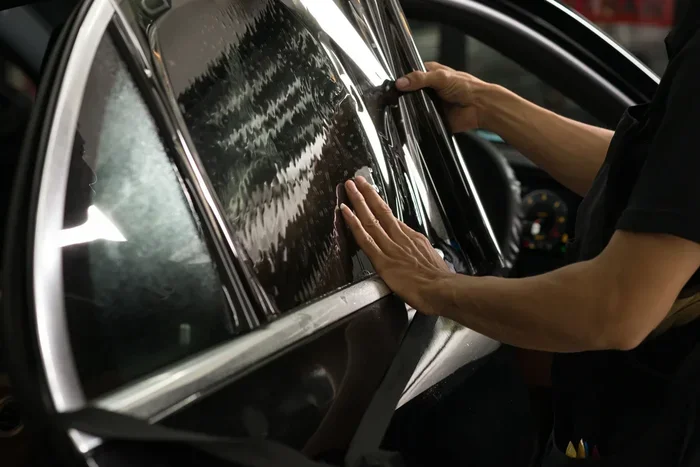
Some car owners consider installing tint themselves to save money. While DIY kits are available, professional installation is strongly recommended. A skilled tint installer has the tools, experience, and knowledge to get a clean, bubble-free finish. They also understand the tint regulations and can ensure your installation meets all legal requirements.
If you do decide to go the DIY route, take your time. Watch tutorial videos, read the instructions carefully, and work in a dust-free environment. But keep in mind that a poorly installed tint can cost you more in the long run if you need to redo it or deal with a violation.
Maintaining Your Window Tint
Once your tint is installed, proper care will help it last longer. Wait at least a week before rolling down your windows. This allows the film to cure fully. Use a non-ammonia cleaner when wiping your windows. Ammonia-based cleaners can break down the tint film over time.
Avoid using rough or abrasive materials on your tinted windows. A soft microfiber cloth is your best friend. If you notice any peeling or bubbling, have it inspected by a professional right away. Catching small issues early can prevent the need for a full replacement.
Regular maintenance also keeps your tint looking its best. Clean windows with tinted film look great and perform better. A little care goes a long way in protecting your investment.
Conclusion
New Hampshire Window Tint Law may seem complex at first, but it becomes simple once you understand the basics. The key is knowing the VLT limits for each window, choosing compliant film, and working with a trusted professional. Whether you need a light tint for glare reduction or a darker tint for privacy, there is a legal option for every vehicle type.
Remember to check for medical exemptions if you have a qualifying condition. Avoid common mistakes like tinting the wrong windows or using reflective film. And always keep your exemption certificate in the vehicle if you have one. By following these guidelines, you can enjoy the benefits of auto tinting without worrying about fines or violations. Stay informed, stay compliant, and enjoy your ride.
Frequently Asked Questions
What is the legal tint limit for front side windows in New Hampshire?
The legal tint limit for front side windows in New Hampshire requires a visible light transmission of over 72%. This means the tint can block no more than 28% of light. Both the driver and passenger front side windows must meet this requirement.
Can I tint my windshield in New Hampshire?
Yes, but only the top 6 inches of the windshield can be tinted. The tint must be non-reflective and must not extend below the AS-1 line. Any tint below this line on the windshield is considered illegal.
Are there medical exemptions for window tint in New Hampshire?
Yes, New Hampshire offers medical exemptions for individuals with conditions that make them sensitive to sunlight. A licensed physician must provide documentation, and the exemption certificate must be kept in the vehicle at all times.
What happens if I get caught with illegal window tint in New Hampshire?
If you are caught with illegal tint, you can receive a citation and a fine. You may also be required to remove the illegal tint to pass your vehicle inspection. Repeated violations can result in higher fines and additional consequences.
Can I use reflective or mirrored tint on my windows?
No, reflective or mirrored tint is not allowed on most windows in New Hampshire. The state restricts the use of metallic or highly reflective finishes to ensure driver safety and visibility.
How much does it cost to tint windows in New Hampshire?
The cost of window tinting varies depending on the type of film, the vehicle, and the installer. Basic dyed film is the most affordable, while premium ceramic film costs more. On average, a full vehicle tint job can range from $100 to $400 or more. Always get quotes from multiple licensed tint installers before deciding.