How Effective Is Auto Window Tinting for UV Protection
Auto window tinting is highly effective at blocking harmful UV rays, often rejecting up to 99% of UV radiation. This simple upgrade protects your skin, preserves your car’s interior, and reduces heat buildup inside your vehicle. Whether you choose ceramic, carbon, or dyed film, the right tint can make a real difference in your daily driving comfort and long-term health.
You probably know that the sun gives off harmful UV rays. But did you know that you are exposed to them every time you drive? Many car owners do not realize that standard factory glass only blocks a portion of UV radiation. This is where auto window tinting comes into the picture. It is one of the simplest and most effective ways to boost your UV protection while driving. In this article, we will break down exactly how effective auto window tinting really is for blocking UV rays, what types of film work best, and why this small upgrade can pay off big time for your health and your vehicle.
Whether you are dealing with a long daily commute or spending hours on road trips, UV exposure while driving is a real concern. Studies show that the left side of the body receives more sun damage in countries where people drive on the right side of the road. The good news is that car window tint can dramatically reduce this risk. Let us dive into everything you need to know about automotive tinting and how it keeps you safe from the sun.
Key Takeaways
- UV Blockade: Quality auto window tinting can block up to 99% of harmful UV rays, far exceeding bare glass protection.
- Health Benefits: Tinting significantly reduces your risk of skin damage and long-term sun exposure while driving.
- Interior Protection: Tinted windows slow down fading and cracking of your car’s dashboard, seats, and trim.
- Heat Reduction: UV-blocking films also reject infrared heat, keeping your car cooler in hot weather.
- Film Matters: Ceramic and carbon tints offer the best UV protection, while dyed films provide basic levels.
- Legal Limits: Always check local window tint laws before installation to avoid fines or removal orders.
- Professional Installation: Hiring a pro ensures bubble-free application and maximum UV rejection performance.
📑 Table of Contents
What Is Auto Window Tinting and How Does It Work?
Auto window tinting is the process of applying a thin film to the interior surface of your car windows. This film is made from layered materials like polyester, metals, ceramics, or dyes. Each layer serves a specific purpose, from blocking heat to reducing glare. The film works by absorbing or reflecting UV rays before they pass through the glass and reach your skin or your car’s interior.
Not all tint films are created equal. Some are designed mainly for appearance, while others focus heavily on solar heat rejection and UV blocking. The effectiveness of any tint depends on the materials used, the manufacturing process, and the quality of installation. When done right, a good tint film becomes an invisible shield that works around the clock to protect you and your car.
How UV Rays Affect Your Car and Body
The sun emits two main types of UV radiation that matter for drivers: UVA and UVB rays. UVA rays penetrate deeper into the skin and cause premature aging and long-term damage. UVB rays are the primary cause of sunburns. Both types contribute to skin cancer risk over time. Standard car windows block most UVB rays but let a significant amount of UVA through. This means you are still getting a substantial dose of harmful radiation even while inside your vehicle. Over years of daily exposure, this adds up and can lead to serious skin damage, especially on the left arm and side of the face for drivers in left-hand traffic countries.
How Effective Is Auto Window Tinting for UV Protection?
The short answer is very effective. High-quality auto window tinting can block up to 99% of both UVA and UVB rays. This is comparable to wearing broad-spectrum sunscreen with an SPF of 50 or higher. But the exact level of protection depends on several factors, including the type of film, its visible light transmission rating, and whether it was installed correctly. Let us look at the numbers more closely.
UV Protection Comparison: Tinted vs. Untinted Windows
| Window Type | UV Blocking | Heat Rejection | Glare Reduction |
|---|---|---|---|
| Untinted factory glass | Blocks 25-50% of UV rays | Low | Minimal |
| Basic dyed tint film | Blocks 50-70% of UV rays | Moderate | Good |
| Carbon tint film | Blocks 80-90% of UV rays | High | Very Good |
| Ceramic tint film | Blocks 99% of UV rays | Very High | Excellent |
As you can see from the table, the type of film you choose makes a huge difference in UV protection. Factory glass alone does not give you nearly enough coverage. A basic dyed film offers some improvement, but it is the premium options like ceramic and carbon tints that deliver the best solar heat rejection and UV blocking performance. If you want maximum protection, ceramic tint is the gold standard.
Real-World Effectiveness of Auto Window Tinting
In real-world driving conditions, auto window tinting has been shown to reduce UV exposure by as much as 99% on treated windows. This means that even on long road trips or daily commutes, your skin is receiving far less damage than it would through untreated glass. Many dermatologists recommend automotive tinting as a practical step for people who spend a lot of time behind the wheel. The film works silently in the background, blocking rays year-round without requiring any effort from you. It is a set-it-and-forget-it solution that keeps working every single time you get behind the wheel.
Types of Window Tint Films and Their UV Blocking Power
Not all window tint films offer the same level of UV protection. Understanding the different types can help you make an informed decision. Here is a closer look at the most common options available today.
Dyed Window Tint
Dyed tint is the most affordable option. It uses layers of dyed film to absorb heat and block some UV rays. However, dyed tint typically only blocks 50 to 70% of UV radiation. It also tends to fade over time, turning purple or bubbling after a few years. If your main goal is appearance and basic sun protection, dyed tint can work. But for serious UV blocking, it falls short.
Metalized Window Tint
Metalized films contain tiny metal particles that reflect heat and UV rays away from your car. These tints block around 70 to 85% of UV radiation and offer strong heat rejection. The downside is that metalized films can interfere with cell phone signals and GPS reception. They also tend to have a shiny, reflective look that some people find unattractive.
Carbon Window Tint
Carbon tint is a popular middle-ground option. It does not contain metal, so it will not interfere with electronics. Carbon films block around 80 to 90% of UV rays and provide excellent solar heat rejection. They also have a matte, non-reflective finish that looks sleek and modern. For drivers who want strong UV protection without the downsides of metalized film, carbon tint is a great choice.
Ceramic Window Tint
Ceramic tint is the top-tier option for UV protection. It uses nano-ceramic particles to block up to 99% of UV rays while still allowing high visible light transmission. Ceramic films reject the most heat, reduce glare effectively, and do not fade over time. They also do not interfere with electronics. The only downside is the price, as ceramic tint is the most expensive option. But if you want the best auto window tinting for long-term protection, it is worth every penny.
Quick Tips for Choosing the Right Tint
- Always check the film’s UV rejection percentage before purchasing.
- Ask the installer about the visible light transmission rating.
- Choose ceramic or carbon for maximum UV blocking performance.
- Consider your local window tint laws to avoid legal issues.
- Do not let price be your only factor — quality matters more for protection.
Benefits Beyond UV Protection
While UV protection is the main reason most people get auto window tinting, the benefits go far beyond that. Here are some extra perks that make tinting a smart investment for any car owner.
Interior Protection and Longevity
Sun exposure is one of the biggest enemies of your car’s interior. Over time, UV rays cause your dashboard, seats, and steering wheel to fade, crack, and peel. Automotive tinting acts as a barrier, significantly slowing down this damage. A good tint film can keep your car looking newer for years, which helps maintain its resale value. Think of it as a shield that protects every surface inside your cabin from the harsh effects of prolonged sun exposure.
Heat Reduction and Comfort
One of the most noticeable benefits of car window tint is the reduction in interior heat. Premium films can reject up to 65 to 80% of solar heat, making your car much cooler on hot days. This means you spend less time blasting the air conditioning and more time enjoying a comfortable ride. Less heat also means less strain on your car’s air conditioning system, which can improve fuel efficiency over time. On a scorching summer day, stepping into a tinted car feels like stepping into a shaded room instead of a sauna.
Glare Reduction for Safer Driving
Sun glare is a serious safety hazard, especially during early morning and late afternoon drives. Glare reduction is one of the immediate benefits of quality tint film. By cutting down the blinding light that comes through your windows, tinting helps you see the road more clearly and react faster to changing conditions. This is especially helpful during long drives when eye fatigue sets in. Less squinting means less eye strain, which keeps you more alert and focused on the road ahead.
Privacy and Security
Tinted windows make it harder for people outside your car to see what is inside. This adds a layer of privacy and can deter potential thieves. When your belongings are less visible, they are less likely to be targeted. Combined with the safety benefits of reduced glare and UV protection, auto window tinting becomes a well-rounded upgrade that adds real value to your daily driving experience.
Common Mistakes to Avoid with Auto Window Tinting
Even though auto window tinting is a straightforward process, mistakes can happen. Avoiding these common errors will help you get the best results and maximum UV protection from your investment.
Skipping the Research on Tint Laws
Every state and country has different regulations on how dark your tint can be. Some areas restrict tint on the front windshield or driver-side windows. If you ignore these laws, you could face fines, failed inspections, or even be forced to remove your tint. Always research your local window tint laws before choosing a film. A reputable installer will also be familiar with the regulations and can guide you on what is legal for your vehicle.
Choosing the Cheapest Option
Budget matters, but going with the absolute cheapest tint often means poor UV blocking and a shorter lifespan. Low-quality dyed films fade, bubble, and peel within a year or two. You will end up paying for a redo anyway. Instead, invest in a quality film from a trusted brand. The slight extra cost pays off in better performance and longer-lasting protection. Look for warranties that cover fading, bubbling, and peeling to ensure you are getting a product that will last.
Ignoring Professional Installation
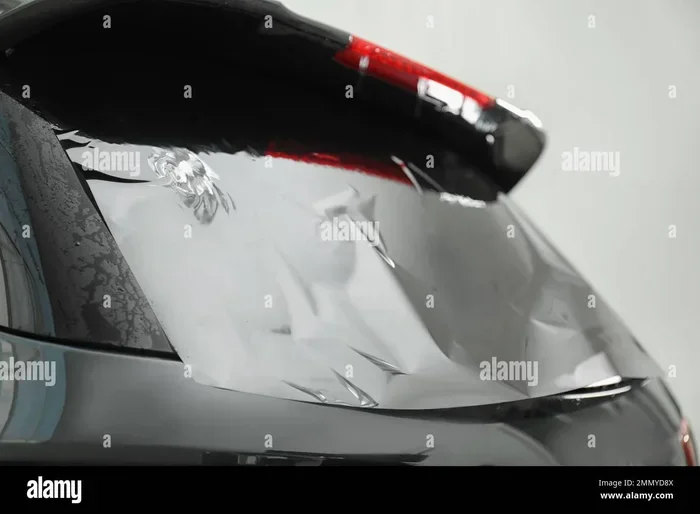
DIY tint kits might seem like a money-saver, but they often lead to air bubbles, dust particles, and uneven application. Poor installation reduces the effectiveness of the film and can even damage your windows. Professional installers have the tools, experience, and clean environments needed for a flawless application. When it comes to maximizing solar heat rejection and UV protection, proper installation is just as important as the film itself.
Forgetting to Cure the Tint Properly
After installation, your tint needs time to cure. During this period, you may notice some haze or small bubbles. This is normal and usually clears up within a few days to a few weeks. Rolling down your windows too soon or exposing the tint to direct sunlight before it has fully cured can compromise the bond and reduce performance. Follow your installer’s aftercare instructions carefully to ensure the film sets properly and delivers long-lasting sun protection.
Expert Insights and Final Thoughts
Dermatologists and automotive experts agree that auto window tinting is one of the most practical steps you can take to reduce your daily UV exposure. The Skin Cancer Foundation has long recommended window tint as part of a comprehensive sun protection strategy for drivers. With the right film and proper installation, you are not just protecting your car — you are protecting your skin, your eyes, and your overall health.
The effectiveness of auto window tinting for UV protection is backed by science and supported by real-world results. From blocking up to 99% of harmful rays to keeping your car cooler and your interior looking newer, the benefits are clear and measurable. Whether you choose ceramic, carbon, or a quality dyed film, the key is to invest in a product that delivers strong UV blocking performance and has it installed by a professional.
Take a moment to assess your current driving habits. How many hours do you spend in the car each week? If the answer is more than a few, UV protection through automotive tinting should be a priority. It is a one-time investment that pays dividends in health, comfort, and vehicle preservation for years to come. Do not wait until the damage is done — protect yourself and your car today with the right auto window tinting solution.
The bottom line is simple: auto window tinting works. It is effective, affordable, and offers benefits that go well beyond just looking good. Make the smart choice for your health and your vehicle. Your future self will thank you every time you get behind the wheel.
Frequently Asked Questions
How much UV protection does factory car glass provide?
Factory car glass typically blocks only 25 to 50% of UV rays, leaving you exposed to a significant amount of harmful radiation. This is why adding auto window tinting is so important for drivers who spend a lot of time on the road.
Is auto window tinting legal everywhere?
No, window tint laws vary by state, province, and country. Some areas restrict tint darkness on certain windows, especially the front windshield and driver-side windows. Always check your local regulations before getting your windows tinted.
How long does auto window tint last?
Quality car window tint can last anywhere from 5 to 10 years, depending on the type of film and the quality of installation. Ceramic and carbon tints tend to last the longest, while basic dyed films may fade or bubble sooner.
Can I tint my windows myself?
You can, but DIY kits often result in air bubbles, dust particles, and uneven application. Professional installation ensures a clean, bubble-free finish that maximizes UV protection and solar heat rejection performance.
Does window tinting affect visibility while driving?
It depends on the visible light transmission rating of the film. Lighter tints have minimal impact on visibility, while darker tints may reduce it. Choose a tint that balances UV protection with safe driving visibility.
What is the best tint type for maximum UV protection?
Ceramic window tint offers the highest level of UV blocking, rejecting up to 99% of harmful rays. It also provides excellent heat rejection and does not interfere with electronics, making it the top choice for serious protection.
=== CONCLUSION ===
Auto window tinting is a highly effective way to protect yourself and your car from harmful UV rays. The right film can block up to 99% of UV radiation, reduce interior heat, prevent fading, and improve driving comfort. With options ranging from budget-friendly dyed films to premium ceramic tints, there is a solution for every driver and every budget. The key is to choose quality, get professional installation, and stay informed about your local tint laws. Invest in UV protection today and enjoy the benefits of a safer, cooler, and better-protected ride for years to come.