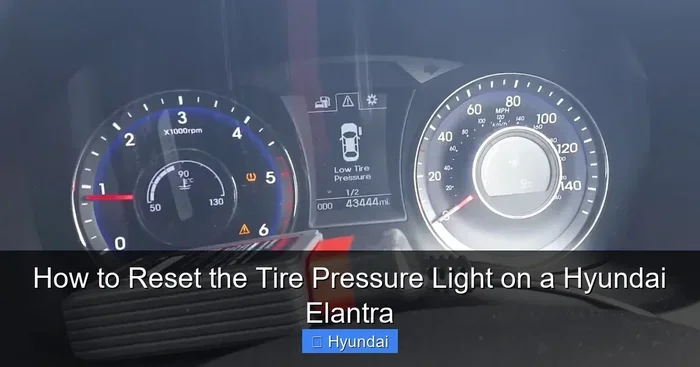
How to Reset the Tire Pressure Light on Your Hyundai Elantra
Resetting the tire pressure light on your Hyundai Elantra is a simple process you can do at home in minutes. Whether the light stays on after you fix a flat or it flickers for no clear reason, this guide walks you through every method. You will learn the TPMS reset button location, how to use a tire pressure gauge, and when to seek help from a Hyundai Elantra maintenance pro.
You are driving your Hyundai Elantra, and suddenly that little horseshoe-shaped light with an exclamation point pops up on your dashboard. It is easy to panic. Is your tire about to blow out? Did you hit a pothole? The truth is, a tire pressure light can come on for many reasons, and most of them are not emergencies.
In this guide, we will walk you through exactly how to reset the tire pressure light on your Hyundai Elantra. We will also cover why the light shows up in the first place, what tools you need, and when it is smart to see a professional. Whether you drive a 2017 Elantra or a brand-new 2024 model, this article has you covered.
The tire pressure monitoring system, or TPMS, is a safety feature designed to keep you and your passengers safe. It watches the air pressure inside your tires and alerts you when something is off. But sometimes the system needs a manual reset after you fix the issue. Let us dive into how that works.
Key Takeaways
- Easy DIY Reset: Most Hyundai Elantra models let you reset the TPMS light using the steering wheel controls or a reset button under the dash.
- Check First: Always verify your tire pressure with a gauge before resetting the light to avoid masking a real problem.
- Common Triggers: Temperature changes, slow leaks, and sensor battery death are the top reasons the light comes on.
- Drive Cycle Method: Driving at steady speeds for a few miles can also clear the light on some Elantra models.
- Professional Help: If the light keeps returning, a faulty sensor or system issue may need a mechanic’s attention.
📑 Table of Contents
- Understanding the Tire Pressure Light on Your Hyundai Elantra
- Common Reasons the Tire Pressure Light Stays On
- Tools You Need to Reset the Tire Pressure Light
- Step-by-Step Guide to Resetting the TPMS Light
- When to See a Professional Mechanic
- Preventing Future Tire Pressure Issues
- Expert Tips for Elantra Owners
- Conclusion
Understanding the Tire Pressure Light on Your Hyundai Elantra
Before you reset anything, it helps to know what you are looking at. The tire pressure warning light looks like a horseshoe or a cross-section of a tire with an exclamation point in the center. On some older Elantra models, it may look slightly different, but the symbol is easy to spot.
The TPMS uses small sensors inside each tire or valve stem to measure air pressure. When pressure drops below the recommended level, the system triggers the dashboard warning. Most Hyundai Elantras recommend a tire pressure of around 32 to 35 PSI, but you should always check the sticker on the driver’s side door jamb for your exact number.
Why Does the Light Come On?
There are several reasons the tire pressure light might activate on your Elantra. Here are the most common ones:
- Low air pressure: A slow leak or a puncture causes one or more tires to lose air.
- Temperature changes: Cold weather can drop tire pressure by 1 PSI for every 10 degrees Fahrenheit drop.
- Sensor battery failure: The TPMS sensor battery typically lasts 5 to 10 years and needs replacement.
- Recent tire change: After you rotate tires, fix a flat, or add air, the system may need a manual reset.
- Sensor malfunction: A damaged or faulty sensor sends incorrect readings to the ECU.
If you recently checked your tire pressure and everything looks fine, the light might be a false alert. Still, it is always best to verify before resetting the system. You can check tire pressure on the dashboard if your Elantra has a digital display, which many newer models do.
Common Reasons the Tire Pressure Light Stays On
Sometimes resetting the light is only a temporary fix if the root cause is not addressed. Here are the most common reasons the TPMS light stays illuminated on a Hyundai Elantra.
Temperature and Weather Changes
Cold mornings are the number one culprit for false TPMS alerts. When the air inside your tires gets cold, it contracts, and the pressure drops. This is completely normal and usually resolves itself once the tires warm up from driving. However, if the light stays on after the tires warm up, you will need to reset it manually.
Slow Tire Leaks
A tiny nail or screw in the tire tread can cause a slow leak that drains air over days or even weeks. You might not notice the tire feels soft until the TPMS triggers. If you recently had a tire repaired or replaced, the tire pressure sensor may still be reading the old low-pressure data.
TPMS Sensor Battery Death
Each TPMS sensor has a small battery inside that powers the wireless signal to your car’s computer. When the battery dies, the sensor cannot communicate properly, and the warning light comes on. This is very common on Elantras that are 7 years old or older. The battery cannot be replaced separately on most modern sensors, so the entire sensor unit needs to be swapped out.
After a Tire Rotation or Flat Repair
If you have your tires rotated or get a flat repaired, the TPMS sensors may need to be recalibrated. Some tire shops do this for free, but others do not. In that case, you will need to reset the tire pressure light yourself using the steps below.
Tools You Need to Reset the Tire Pressure Light
Good news: you do not need expensive tools to reset the TPMS light on a Hyundai Elantra. Here is what you will want to have on hand before you start.
Essential Tools
- Digital tire pressure gauge: A reliable gauge costs under $15 and takes the guesswork out of checking pressure.
- Air compressor or air pump: You can use a portable 12-volt compressor or visit a gas station air pump.
- Owner’s manual: Your Elantra’s manual has the exact TPMS reset procedure for your specific model year.
- OBD2 scanner (optional): A basic OBD2 scanner can read and clear TPMS codes if the manual reset does not work.
Nice to Have Tools
- Tire pressure reset tool: Some aftermarket tools can reprogram TPMS sensors, especially after sensor replacement.
- Valve core tool: Useful if you need to add or remove valve cores to adjust pressure.
- Tire inflator with gauge built in: These combo tools make checking and filling tires quick and easy.
If you are wondering whether you can fix your own tire pressure sensor, the answer is often yes for basic issues like adding air or resetting the system. More complex sensor replacements usually require a professional.
Step-by-Step Guide to Resetting the TPMS Light
Now for the part you have been waiting for. Here is the full process to reset the tire pressure monitoring system on your Hyundai Elantra. The exact steps can vary slightly by model year, so we will cover the two most common methods.
Method 1: Reset Button Under the Dash
Most Hyundai Elantras from 2011 onward have a TPMS reset button located beneath the steering column. Follow these steps:
- Turn the ignition to the ON position. Do not start the engine. Just press the start button or turn the key to the accessory position.
- Locate the reset button. It is usually found under the steering wheel on the left side of the dashboard. It may be labeled “TPMS” or have a tire icon.
- Press and hold the reset button. Hold it for about 3 to 5 seconds until the TPMS warning light on the dashboard starts blinking.
- Start the engine and drive for 20 minutes. The system needs to recalibrate while you drive at a steady speed of around 30 to 50 mph.
- Check the dashboard. After 20 minutes of driving, the light should turn off. If it does not, try Method 2.
Method 2: Steering Wheel Controls
Newer Hyundai Elantra models (2017 and up) use the steering wheel buttons to access the TPMS reset function:
- Press the steering wheel Menu button. Use the arrow buttons on the left side of the steering wheel to navigate to Settings.
- Scroll to Vehicle Settings. Look for the tire pressure or TPMS option in the menu.
- Select “Reset TPMS.” Confirm your selection, and the system will begin the calibration process.
- Drive for 10 to 15 minutes. The system needs real-time data from the tires to complete the reset.
- Verify the light is off. Check the dashboard after your drive. The warning should no longer appear.
Method 3: Drive Cycle Reset
Some Elantra owners have had success with a simple drive cycle reset. This method works when the TPMS light comes on due to a minor pressure fluctuation. Here is what to do:
- Check all four tires and the spare. Make sure each tire is at the recommended PSI.
- Drive at a steady 50 to 60 mph for about 10 miles. Avoid hard braking and sharp turns.
- Let the car sit for at least 20 minutes. The TPMS system recalibrates when the car is stationary.
- Restart the engine. The light should be off if the pressure was the only issue.
This method is not guaranteed for every Elantra model, but it is a quick and easy first attempt. If the light returns after a few days, you may have a deeper issue to address.
When to See a Professional Mechanic
There are times when a DIY reset is not enough. If you have tried all three methods above and the light keeps coming back, it is time to visit a professional. Here are the warning signs that point to a bigger problem:
- The light returns immediately after resetting. This suggests a persistent leak or a faulty sensor.
- One tire consistently reads low. A slow leak that keeps coming back needs professional inspection.
- The TPMS light flashes instead of staying solid. A flashing light often indicates a sensor malfunction, not low pressure.
- Multiple dashboard warning lights appear. This could signal a broader electrical or computer issue.
- You cannot find the reset button. Some older or special edition Elantras may have a different reset procedure that a mechanic can handle quickly.
A qualified mechanic can run a full TPMS diagnostic scan to check each sensor’s battery life and signal strength. They can also perform a tire pressure reset using professional-grade equipment that communicates directly with the TPMS module. This is especially helpful if you need to replace a sensor battery or reprogram sensors after a tire change.
Regular Hyundai Elantra maintenance includes checking your tire pressure at least once a month. This simple habit can prevent the TPMS light from coming on unexpectedly and extends the life of your tires.
Preventing Future Tire Pressure Issues
Once you have successfully reset the light, you will want to keep it from coming back. Prevention is always easier than repair, and a few simple habits can make a big difference.
Check Tire Pressure Monthly
Get into the habit of checking your tire pressure every month. Use a quality digital gauge and check the tires when they are cold (before driving). The recommended PSI for your Elantra is printed on the driver’s side door jamb sticker. Write it down and keep it in your glove box for easy reference.
Invest in a Portable Air Compressor
A small 12-volt portable compressor plugs into your Elantra’s cigarette lighter or USB port. You can top off your tires at home without ever visiting a gas station. These compressors cost between $25 and $50 and are a great investment for any car owner.
Watch for Temperature Swings
Seasonal temperature changes are the most common cause of unexpected TPMS alerts. In the fall and winter, check your tire pressure more frequently. A drop of 10 degrees can reduce pressure by about 1 PSI, which is enough to trigger the warning light on some vehicles.
Replace TPMS Sensors on Schedule
If your Elantra is over 8 years old, consider having the TPMS sensors inspected. A mechanic can check the battery level of each sensor and recommend replacement before they fail completely. Proactive replacement saves you from unexpected warning lights and potential sensor damage.
Keep Your Tires Properly Maintained
Regular tire rotation, alignment checks, and proper inflation all work together to keep your TPMS system happy. Uneven tire wear can put extra stress on sensors, and misaligned wheels can cause one tire to wear faster and lose pressure more quickly.
Taking care of your tires is one of the easiest ways to keep your Hyundai Elantra running safely and efficiently. A well-maintained set of tires also improves fuel economy, which saves you money at the pump.
Expert Tips for Elantra Owners
Here are some extra insights from experienced Elantra owners and automotive professionals:
- Do not ignore the light. Even if your tires look fine, a persistent TPMS light can indicate a sensor issue that will get worse over time.
- Reset after every tire service. Whether you get new tires, a rotation, or a flat repair, always reset the TPMS afterward to recalibrate the system.
- Keep your owner’s manual handy. Different Elantra model years have slightly different reset procedures. Your manual is the most accurate source for your specific car.
- Use the correct valve stems. If you upgrade to aftermarket tires or wheels, make sure the valve stems are compatible with your TPMS sensors.
- Do not rely on the gas station air pump gauge. Those gauges are often inaccurate. A personal digital gauge gives you much more reliable readings.
If you ever find yourself wondering whether you need to reset TPMS after filling air, the answer is usually yes. The system stores the last known pressure reading, and adding air without resetting can leave the light on even though your tires are now at the correct pressure.
Conclusion
Resetting the tire pressure light on your Hyundai Elantra is a straightforward process that most car owners can handle in under 30 minutes. Whether you use the reset button under the dash, the steering wheel menu controls, or a simple drive cycle, the key is to first make sure your tire pressure is correct. Always verify with a quality gauge before resetting, and do not ignore the light if it keeps coming back.
Regular tire maintenance, monthly pressure checks, and timely sensor replacement are the best ways to keep your TPMS system working properly. A well-maintained Elantra is a safe and efficient car, and a properly functioning tire pressure monitoring system is a big part of that.
Take a few minutes today to check your tire pressure and reset the TPMS light if needed. Your Elantra and your wallet will thank you. Safe driving!
Frequently Asked Questions
How do I reset the TPMS light on a Hyundai Elantra?
You can reset the TPMS light using the reset button under the steering column or through the steering wheel menu on newer models. Make sure your tire pressure is correct first, then follow the reset procedure for your specific Elantra model year. Drive for 10 to 20 minutes after resetting to let the system recalibrate.
Why does my Hyundai Elantra tire pressure light keep coming back on?
A recurring TPMS light usually indicates a slow tire leak, a failing sensor battery, or a sensor malfunction. Check all four tires for proper pressure and inspect for punctures or slow leaks. If the pressure is fine, the sensor battery may need replacement, which a mechanic can handle quickly.
Can I drive my Hyundai Elantra with the tire pressure light on?
It is not recommended to drive for long distances with the TPMS light on. Low tire pressure can reduce fuel efficiency, cause uneven tire wear, and increase the risk of a blowout. Check your tire pressure immediately and inflate to the recommended PSI before driving.
How much does it cost to replace a TPMS sensor on a Hyundai Elantra?
TPMS sensor replacement typically costs between $50 and $100 per sensor, including labor. Some tire shops offer package pricing if you need all four sensors replaced at once. The sensor battery itself is part of the sensor unit and cannot be replaced separately on most modern TPMS systems.
Do I need to reset the TPMS after adding air to my tires?
Yes, in most cases you should reset the TPMS after adding air to your tires. The system stores the last pressure reading and may not automatically recognize the new correct pressure. A quick reset using your Elantra’s built-in controls will clear the light and recalibrate the system.
How often should I check my Hyundai Elantra tire pressure?
You should check your tire pressure at least once a month and before any long road trips. Temperature changes can cause pressure to fluctuate, so seasonal shifts are a good time to double-check. Use a reliable digital tire pressure gauge for the most accurate readings.