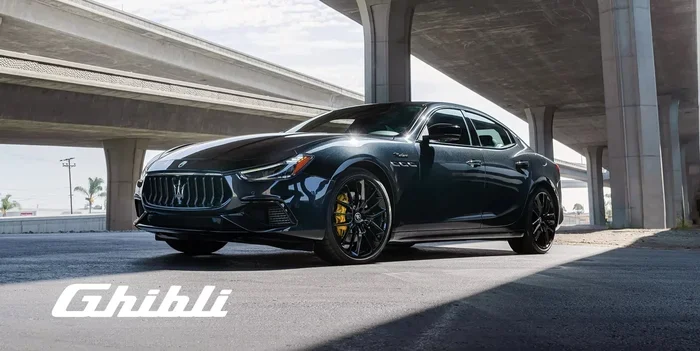
How to Make a Maserati Ghibli Faster and More Powerful
Want to know how to make a Maserati Ghibli faster? This guide covers the best upgrades from ECU tuning and cold air intake to exhaust system improvements and weight reduction. You will learn practical steps to boost horsepower, improve throttle response, and unlock the full potential of your Ghibli’s turbocharged engine. These modifications are proven to deliver real results on the road and track.
The Maserati Ghibli is a stunning luxury sedan that turns heads wherever it goes. But for many owners, the stock setup leaves room for more. If you have ever felt your Ghibli could hit harder off the line or carry more grunt on the highway, you are not alone. The good news is that there are real, proven ways to make this Italian machine significantly faster and more powerful.
How to Make a Maserati Ghibli Faster is a question that many enthusiasts ask after falling in love with the Ghibli’s sleek design and smooth ride. The answer lies in a mix of engine tuning, airflow improvements, exhaust modifications, and smart supporting upgrades. You do not need to spend a fortune to see meaningful gains either. Some upgrades cost just a few hundred dollars and deliver noticeable results. Others are bigger investments that transform the car entirely.
This guide walks you through every practical step you can take today. Whether you are a weekend cruiser or a spirited driver who loves pushing the limits, you will find something here that works for your Ghibli. We will cover everything from simple bolt-on parts to more involved modifications. Each section explains what the upgrade does, why it matters, and what kind of gains you can expect.
Before diving in, it helps to understand what makes the Ghibli tick. The Maserati Ghibli comes with a turbocharged V6 engine that already produces solid horsepower and torque. However, the factory settings prioritize reliability, emissions compliance, and a broad power band over outright speed. That means there is untapped potential waiting to be released. The right combination of upgrades can bring out significantly more power without sacrificing daily drivability.
Key Takeaways
- ECU Tuning: The single most effective way to unlock extra horsepower and torque from your Ghibli’s turbocharged engine.
- Cold Air Intake: A simple bolt-on upgrade that improves airflow and gives your engine better breathing for more power.
- Exhaust System Upgrade: Upgrading your downpipe and sport exhaust reduces back pressure and boosts overall performance.
- Weight Reduction: Removing unnecessary weight helps your Ghibli accelerate faster and handle better.
- Brake and Suspension Upgrades: Faster means nothing if you cannot stop or corner safely. These upgrades complete the performance package.
📑 Table of Contents
Engine Tuning and ECU Remapping
Why ECU Tuning Is the Best First Step
If you want to know how to make a Maserati Ghibli faster, ECU tuning should be at the top of your list. The engine control unit is essentially the brain of your car. It controls fuel delivery, ignition timing, boost pressure, and many other critical parameters. Factory ECU settings are conservative. They are designed to work across all climates, fuel qualities, and driving conditions. This means the engine is not running at its full potential out of the box.
A custom ECU remap adjusts these parameters to unlock hidden power. A professional tuner can increase boost pressure, optimize fuel maps, and refine ignition timing to squeeze out more horsepower and torque. Most Ghibli owners see gains of 30 to 80 horsepower depending on the tune and the specific engine variant. The best part is that a quality tune feels seamless. You get smoother power delivery, sharper throttle response, and a more engaging driving experience.
When searching for a tuner, look for someone experienced with Maserati or Italian luxury vehicles. Engine tuning for a turbocharged V6 requires specific knowledge. A generic tune may not account for the unique characteristics of your Ghibli. Always ask for dyno results from previous clients. A reputable tuner will show you before and after numbers that prove the gains are real.
It is also worth noting that some tuning shops offer stage-based packages. Stage 1 is usually a conservative tune that works with stock hardware. Stage 2 and Stage 3 tunes assume you have supporting modifications like an upgraded intake or exhaust. This staged approach lets you build performance gradually without risking engine damage.
What to Expect From a Quality Tune
A good ECU remap does more than just add numbers to a spec sheet. You should notice the car feels more responsive in everyday driving. The turbo spools up faster. The power band widens. Passing on the highway becomes effortless. Many owners describe the difference as the car finally feeling the way it did when they first test drove it.
Keep in mind that some tunes may affect your warranty. Check with your dealer before proceeding. If you are concerned about warranty work, you can always remove the tune before service appointments. However, some dealers may still flag modifications in their system. It is a conversation worth having upfront.
Cold Air Intake and Airflow Improvements
The Simple Upgrade That Makes a Big Difference
An engine is essentially an air pump. The more air it can breathe, the more fuel it can burn, and the more power it makes. A cold air intake is one of the simplest and most affordable upgrades you can do to your Ghibli. The factory intake system uses a restrictive airbox and paper filter that limits airflow. Replacing it with a high-flow intake lets the engine inhale more freely.
Most cold air intake kits for the Ghibli cost between $300 and $800. Installation is usually straightforward and takes about an hour. The kit typically replaces the factory airbox and filter with a larger cone filter and smoother intake tube. Some kits relocate the filter away from engine heat, which helps deliver cooler, denser air to the engine.
Cooler air is denser and contains more oxygen molecules. More oxygen means the engine can burn more fuel per combustion cycle, which equals more power. You can typically expect a gain of 5 to 15 horsepower with a quality cold air intake. The sound change is also significant. Many owners love the deeper, more aggressive induction note that replaces the quiet factory intake.
When shopping for an intake, look for kits that use a high-flow air filter. Cotton gauze filters are popular because they offer excellent airflow and are washable and reusable. Some brands offer filters that are pre-oiled for maximum filtration efficiency. Avoid cheap knock-off kits that use poor materials and loose-fitting connections. A bad install can hurt performance instead of helping it.
Combining the Intake With Other Upgrades
The intake works best when paired with other airflow improvements. For example, if you also upgrade your exhaust, the engine can breathe in and out more efficiently. This combination is often called a “performance induction and exhaust” setup. Together, these upgrades create a more free-flowing path for air, which amplifies the gains from your ECU tune.
If you live in a hot climate, heat shielding is important. How hot can a car get in the sun is a real concern for any performance enthusiast. Under-hood temperatures can soar, and hot air is less dense. Some intake kits come with heat shields or air ducts that help keep the filter away from engine heat. This ensures consistent performance even on the hottest days.
Exhaust System Upgrades
Unlocking Power by Reducing Back Pressure
The exhaust system is the other half of the breathing equation. After the engine burns fuel and creates power, it needs to expel the exhaust gases quickly and efficiently. A restrictive factory exhaust system slows this process down. Upgrading your exhaust reduces back pressure and allows the engine to breathe out more freely.
The most impactful exhaust upgrade for the Ghibli starts with the downpipe. The downpipe connects the turbocharger to the rest of the exhaust system. A high-flow downpipe uses a larger diameter pipe and less restrictive bends. This allows hot exhaust gases to exit the turbo faster, which helps the turbocharger spool up more quickly. Faster spooling means more low-end torque and quicker throttle response.
After the downpipe, you can upgrade the mid-pipes and rear muffler. A performance exhaust system uses larger diameter piping and high-flow mufflers or resonators. The result is a deeper, more aggressive exhaust note and additional horsepower. Most Ghibli owners see gains of 10 to 25 horsepower with a full exhaust upgrade.
When choosing an exhaust system, consider the material. Stainless steel is the most popular choice because it is durable and resists corrosion. Titanium is lighter and even more durable but costs more. Some systems come with adjustable valves that let you switch between a quiet mode for daily driving and a loud mode for spirited runs.
Watch for Catalytic Converter Issues
One thing to keep in mind with exhaust upgrades is the catalytic converter. A bad catalytic converter can cause a car to overheat if it becomes clogged or restricted. When you install a high-flow exhaust, the converter needs to handle increased exhaust flow and temperature. Make sure your converter is in good condition before upgrading. If you notice a drop in fuel economy, a rotten egg smell, or the check engine light comes on, have the converter checked right away.
Some performance exhaust systems remove the factory catalytic converter entirely in favor of a high-flow test pipe. This is common in track-focused setups but may not be legal for street use in all areas. Check your local emissions laws before making this change. A clogged catalytic converter can also cause overheating issues, so keeping your exhaust system healthy is important for overall engine longevity.
Intercooler and Boost Pressure Upgrades
Keeping Your Turbo Cool Under Pressure
The Maserati Ghibli uses a turbocharger to force more air into the engine. But all that compressed air gets hot, and hot air is less dense. An intercooler cools the air between the turbo and the engine, making it denser and more oxygen-rich. The stock intercooler works fine for factory settings, but when you increase boost pressure through ECU tuning, the stock unit may not be up to the task.
An upgraded intercooler is larger and more efficient. It can handle higher boost levels and keep intake air temperatures lower even during hard driving. This is especially important for boost pressure management. If your intake air temperatures climb too high, the engine may pull timing and reduce power to protect itself. A better intercooler prevents this and lets you enjoy the full benefits of your tune.
Intercooler upgrades for the Ghibli typically range from $500 to $1,500 depending on the brand and design. Some kits replace the entire front mount intercooler with a larger unit. Others add a secondary intercooler or upgrade the piping that connects the turbo to the engine. Look for kits that use aluminum piping and quality fittings for durability and leak-free operation.
Upgrading the Boost Controller
Some enthusiasts go a step further and install an electronic boost controller. This device lets you adjust the maximum boost pressure the turbo produces. More boost means more air in the cylinders, which means more power. However, more boost also means more stress on the engine. You need to make sure your internals can handle the extra pressure. For most Ghibli owners, a professional ECU tune that increases boost safely is enough. A standalone boost controller is best left to experienced builders who understand the limits of the engine.
Supporting Performance Upgrades
Weight Reduction for Better Acceleration
Every car enthusiast knows that reducing weight improves performance. A lighter car accelerates faster, brakes better, and handles more nimbly. The Maserati Ghibli is already a relatively lightweight luxury sedan, but there is always room to shave off a few pounds. Start by removing items from the trunk and cabin that you do not need. Spare tire kits, heavy sound systems, and unnecessary trim pieces can all be candidates for removal.
More serious weight reduction involves swapping out heavy components. Replacing the factory exhaust with a lightweight titanium system saves significant weight. Carbon fiber hoods and trunk lids are popular upgrades. Some owners replace the rear seats with lightweight alternatives if they rarely carry passengers. Every pound you remove helps the Ghibli feel more responsive and agile.
Keep in mind that some weight reduction measures may affect comfort or practicality. The goal is to find a balance that works for your driving style. Even small reductions in weight can make a noticeable difference in how the car feels during spirited driving.
Upgrading the Brakes and Suspension
Making your Ghibli faster means you need to be able to stop and corner effectively. Upgraded brakes are essential. High-performance brake pads and stainless steel braided brake lines improve stopping power and feel. If you really want to push the limits, consider slotted or drilled rotors. These help dissipate heat and prevent brake fade during repeated hard stops.
The suspension upgrade is equally important. Stock suspension is tuned for comfort, not track performance. Stiffer springs and adjustable dampers lower the center of gravity and reduce body roll during cornering. A well-sorted suspension setup transforms how the Ghibli handles. The car feels more planted and confident, especially when carrying speed through turns.
Some owners also upgrade their wheels and tires. Lighter wheels reduce unsprung mass, which improves acceleration, braking, and ride quality. Pair them with high-performance tires that offer better grip, and your Ghibli will feel like a completely different car on twisty roads.
Fuel Quality and Maintenance
Do not overlook the importance of fuel quality. Premium gasoline with a higher octane rating allows the engine to run more advanced timing and higher boost without detonation. If you are investing in performance upgrades, using the best fuel available makes sense. Some tuners recommend 93 octane or higher for maximum benefit. Check your owner manual to confirm the recommended fuel grade for your Ghibli.
Regular maintenance also plays a role in keeping your Ghibli performing at its best. Fresh spark plugs, clean fuel injectors, and a well-functioning cooling system all contribute to consistent power delivery. If you are wondering how long car parts can be on backorder, plan ahead and order performance parts well before you need them. Popular upgrades can sometimes have long wait times, especially for specific Ghibli model years.
Professional Installation vs. DIY
Some upgrades like the cold air intake are straightforward enough for a DIYer with basic tools. Others, like ECU tuning and exhaust system work, are best left to professionals. A sloppy install can cause problems that cost more to fix than the upgrade is worth. For example, an improperly installed exhaust can create exhaust leaks that reduce performance and damage components over time.
If you are not confident in your mechanical skills, find a reputable shop that specializes in luxury or European vehicles. Ask for references and look at reviews. A good shop will warranty their work and stand behind the quality of their installs. Do dealers charge a diagnostic fee? Some do, so it is worth asking upfront. Many independent shops offer competitive rates and specialized expertise that dealers may not match.
Common Mistakes to Avoid When Modifying Your Ghibli
When you are excited about making your car faster, it is easy to make mistakes. Here are some common pitfalls to watch out for:
- Skipping the ECU tune: Bolt-on parts like intakes and exhausts help, but they work best when paired with a proper ECU tune. Without tuning, the engine may not optimize the extra airflow.
- Over-boosting the engine: More boost is not always better. Pushing boost too high without supporting upgrades can damage the engine. Always increase boost gradually and monitor temperatures and knock readings.
- Ignoring heat management: Hot engines make less power. Make sure your cooling system is in good shape before pushing the engine harder. Consider upgrading the radiator or adding an oil cooler if you do a lot of spirited driving.
- Cheap parts from unknown brands: It is tempting to save money with budget parts, but cheap intakes, exhausts, or filters can cause more harm than good. Stick with reputable brands that have proven track records.
- Neglecting maintenance: Performance upgrades put more stress on your engine and drivetrain. Stay on top of oil changes, spark plug replacements, and fluid checks. Neglected maintenance will shorten the life of your upgraded components.
Final Thoughts on Making Your Ghibli Faster
How to Make a Maserati Ghibli Faster and More Powerful comes down to a combination of smart upgrades and proper maintenance. Start with the basics like an ECU tune and cold air intake. These two upgrades alone can transform how your Ghibli feels and performs. Then build from there with exhaust improvements, intercooler upgrades, and supporting modifications like better brakes and suspension.
The beauty of modifying your Ghibli is that you can tailor the upgrades to your goals and budget. Want a subtle improvement for daily driving? A tune and intake will do the trick. Want to turn your Ghibli into a track-ready machine? Go all in with exhaust, intercooler, suspension, and brake upgrades. The possibilities are nearly endless.
Whatever path you choose, remember that quality matters. Invest in reputable parts, work with experienced professionals, and maintain your car properly. A well-built Ghibli with performance upgrades is a truly special machine. It combines Italian luxury with thrilling performance in a way that few other sedans can match. Enjoy the journey of making your Ghibli faster, and savor every moment behind the wheel.
Frequently Asked Questions
What is the easiest upgrade to make a Maserati Ghibli faster?
An ECU tune is the easiest and most effective single upgrade. It requires no physical parts installation in most cases and delivers noticeable gains in horsepower, torque, and throttle response. Many tuners can perform the remap in a single visit.
How much horsepower can I gain from a cold air intake on a Ghibli?
Most owners see gains of 5 to 15 horsepower with a quality cold air intake. The exact number depends on the specific kit, your engine variant, and whether you pair the intake with other upgrades like an ECU tune. The real benefit is often the improved throttle response and sound.
Is it safe to increase boost pressure on a Maserati Ghibli?
Yes, when done properly by an experienced tuner. A professional ECU tune will adjust fuel delivery, ignition timing, and other parameters to safely handle increased boost. Never increase boost without a proper tune, as this can cause engine damage.
Do I need to use premium fuel after upgrading my Ghibli?
It is strongly recommended. Higher octane fuel resists detonation better, which is important when you increase boost pressure or advance ignition timing. Check your owner manual and your tuner’s recommendations for the minimum fuel grade.
Will exhaust upgrades make my Ghibli louder?
Yes, most exhaust upgrades produce a deeper, more aggressive sound. Some systems offer adjustable valves so you can choose between a quiet mode for daily driving and a louder mode for spirited runs. Check local noise ordinances if you plan to keep the system loud at all times.
How often should I maintain my Ghibli after adding performance upgrades?
You should stick to regular maintenance intervals and possibly shorten them slightly. Performance upgrades put more stress on the engine and drivetrain. More frequent oil changes, spark plug replacements, and fluid checks help ensure your upgraded components last a long time.