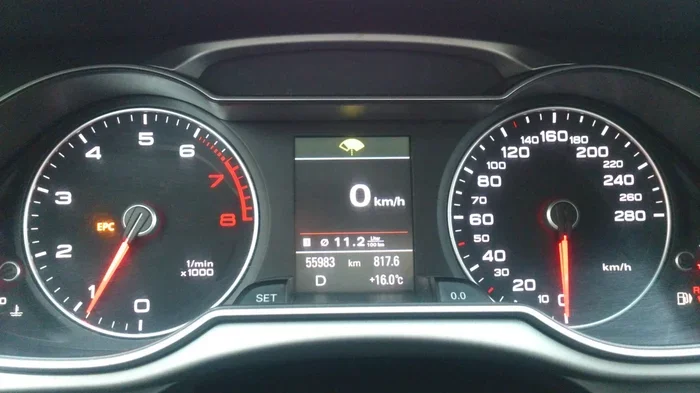
How to Fix the EPC Light on an Audi A6 and Save Money
The EPC light on an Audi A6 signals a problem with the electronic power control system, often linked to the throttle body, sensors, or vacuum leaks. You can troubleshoot and fix many EPC issues yourself using an OBD scanner and basic tools, potentially saving hundreds of dollars in dealership labor costs. This guide walks you through every step, from reading error codes to performing simple repairs at home.
The EPC light on an Audi A6 can send any driver into a panic. One moment you are driving along, and the next, a yellow or red warning symbol lights up on your dashboard shaped like a throttle body with an exclamation point. It stands for Electronic Power Control, and it monitors everything related to your engine’s throttle system, traction control, and electronic stability. When something goes wrong in that system, the light turns on to warn you.
Many Audi owners assume the worst when they see this light. They think a costly dealership visit is inevitable. But here is the good news. Most EPC issues are fixable at home with basic tools and a little patience. You can diagnose the problem, perform the repair, and get back on the road without spending a fortune. This guide will show you exactly how.
Understanding what triggers the EPC light is the first step. Common causes include a dirty throttle body, a faulty mass airflow sensor, a vacuum leak, a bad ignition coil, or a malfunctioning sensor. Some of these repairs cost under fifty dollars and take less than an hour. Others may require more advanced tools and knowledge. Either way, knowing the root cause puts you in control.
Let us dive into the most common reasons the EPC light appears on an Audi A6 and how you can fix each one.
Key Takeaways
- DIY Diagnosis Saves Money: Using an OBD scanner to read EPC error codes lets you skip costly dealership diagnostic fees and pinpoint the exact problem fast.
- Throttle Body Issues Are the #1 Culprit: A dirty or malfunctioning throttle body is the most common reason the EPC light comes on in an Audi A6.
- Vacuum Leaks Cause EPC Warnings Too: Cracked hoses and loose connections can trigger the light and are easy to fix at home.
- Don’t Ignore the Light: Driving with the EPC light on can lead to reduced engine performance, stalling, or further damage over time.
- Resetting the Light Is Not a Fix: Clearing the EPC light without addressing the root cause will only bring it back.
- Know When to See a Pro: Complex issues like turbo boost problems or ECU failures require a qualified technician.
📑 Table of Contents
- What Does the EPC Light Mean on an Audi A6?
- Common Causes of the EPC Light on an Audi A6
- How to Diagnose the EPC Light Yourself
- DIY Fixes to Save Money on EPC Repairs
- When Should You See a Professional Mechanic?
- How to Prevent the EPC Light from Coming Back
- Cost Comparison: DIY vs. Dealership Repairs
- Final Thoughts on Fixing the EPC Light
What Does the EPC Light Mean on an Audi A6?
The EPC warning light is part of your Audi A6’s electronic stability and throttle control system. It works alongside the check engine light and other dashboard indicators to alert you when something is off. Unlike a simple oil pressure warning, the EPC light covers a broader range of electronic and engine management functions.
When the EPC light illuminates, your Audi’s computer has detected a fault in the electronic power control system. This system manages the throttle body, electronic throttle valve, traction control, and in some cases, the turbo boost pressure. A fault in any of these areas can trigger the warning.
Yellow vs. Red EPC Light: What Is the Difference?
The color of the EPC light matters. A yellow or amber EPC light usually means there is a non-critical issue. You can still drive the car, but you should get it checked soon. A red EPC light is more serious. It often means the engine is in limp mode, and you should pull over safely and turn off the engine. Red means stop and investigate immediately.
If your dashboard also shows the check engine light alongside the EPC light, the problem is likely related to emissions, sensor readings, or combustion performance. In some cases, you might notice the car running rough, stalling, or losing power. These symptoms help narrow down the cause.
Common Causes of the EPC Light on an Audi A6
Knowing what triggers the EPC light helps you diagnose the problem faster. Here are the most common causes, ranked from easiest to hardest to fix.
1. Dirty or Faulty Throttle Body
The throttle body controls how much air enters your engine. Over time, carbon buildup and grime accumulate on the throttle plate. This buildup restricts airflow and confuses the electronic control unit (ECU). The result is an EPC warning.
Cleaning the throttle body is one of the most common fixes for Audi A6 EPC issues. You do not need to be a mechanic to do it. A can of throttle body cleaner, a soft cloth, and about thirty minutes is all you need. We will walk you through the process in the DIY section below.
2. Vacuum Leaks
Your Audi A6 relies on a network of vacuum hoses to regulate engine performance. These hoses can crack, harden, or come loose over time. When a vacuum leak develops, the ECU receives incorrect air intake readings. This imbalance triggers the EPC light.
Vacuum leaks often cause rough idling, hesitation during acceleration, or a hissing sound near the engine bay. You can find small leaks using a smoke test tool or by spraying carburetor cleaner around hose connections while the engine is running. If the RPMs change when you spray a certain area, you found your leak.
3. Faulty Mass Airflow Sensor (MAF)
The mass airflow sensor measures the amount of air entering the engine and sends that data to the ECU. A dirty or failing MAF sensor sends incorrect readings, which disrupts the fuel-air mixture. This can trigger the EPC light and cause poor fuel economy, rough idling, or hesitation.
Cleaning the MAF sensor with a dedicated MAF cleaner spray is a simple fix. Avoid touching the delicate wires inside the sensor. If cleaning does not work, replacing the sensor is relatively affordable and straightforward.
4. Ignition Coil or Spark Plug Problems
Worn ignition coils or spark plugs cause misfires. A misfire means one or more cylinders are not firing correctly. The ECU detects this and may illuminate the EPC light as a protective measure. You might also notice a rough running engine, reduced power, or a ticking sound.
Replacing spark plugs on an Audi A6 is a manageable DIY job. Ignition coils are slightly more involved but still within reach for most home mechanics. Always replace coils in pairs if one has failed, as the second coil is usually not far behind.
5. Faulty Throttle Position Sensor (TPS)
The throttle position sensor tells the ECU how far the throttle plate is open. When the TPS fails or sends erratic signals, the ECU cannot properly control the throttle. This directly triggers the EPC light. You may feel a jerky or unpredictable response when pressing the gas pedal.
Replacing the TPS on an Audi A6 typically involves removing the throttle body and swapping out the sensor. It is a moderately difficult repair that requires basic mechanical skills.
6. Turbo Boost Issues
If your Audi A6 is turbocharged, boost leaks or a failing wastegate can cause EPC warnings. Turbo-related EPC issues are more complex and may require professional diagnosis. Signs include a loss of power, whining noises from the turbo, or excessive smoke from the exhaust.
7. ECU or Wiring Problems
In rare cases, the EPC light points to an issue with the engine control unit itself or damaged wiring harnesses. Corroded connectors, frayed wires, or a failing ECU can all cause the light to come on. These problems require advanced diagnostic equipment and professional repair.
How to Diagnose the EPC Light Yourself
You do not need to visit a dealership to find out why your EPC light is on. An OBD-II scanner is your best friend here. These devices plug into your Audi A6’s diagnostic port and read the error codes stored in the ECU. You can buy a basic scanner for under thirty dollars or use a Bluetooth OBD adapter with a smartphone app.
Step-by-Step Diagnostic Process
Follow these steps to diagnose your EPC light at home:
- Park your Audi A6 on a flat surface and turn off the engine. Let it cool for a few minutes.
- Locate the OBD-II diagnostic port. On the Audi A6, it is usually located under the dashboard on the driver’s side, near the steering column.
- Plug in your OBD scanner. Turn the ignition to the “on” position without starting the engine.
- Read the error codes. The scanner will display codes like P0121, P0171, or P0300. Write them down or take a photo.
- Look up each code. Use a reliable code lookup resource or your scanner’s built-in database. Each code tells you which system or sensor is malfunctioning.
- Inspect the relevant component. Based on the codes, check the throttle body, vacuum hoses, sensors, and ignition system for visible damage or wear.
If you are unsure about any step, remember that checking your dashboard warning lights and understanding what they mean is a great starting point. Many online forums and Audi owner communities share real-world EPC code solutions that can help you narrow things down.
DIY Fixes to Save Money on EPC Repairs
The best part about fixing an EPC light yourself is the cost savings. Dealerships often charge diagnostic fees of one hundred dollars or more, plus the cost of parts and labor. By doing the work yourself, you can cut that cost dramatically.
Fix 1: Cleaning the Throttle Body
This is the number one fix for EPC lights on Audi A6 models. Here is how to do it:
- Remove the air intake duct connected to the throttle body.
- Spray throttle body cleaner generously onto the throttle plate and bore.
- Use a soft, lint-free cloth to wipe away carbon deposits gently.
- Do not force the throttle plate open. Let the cleaner do the work.
- Reconnect the air intake duct and start the engine.
- Let the engine idle for a few minutes to clear any remaining cleaner.
- Reset the ECU by disconnecting the battery for fifteen minutes, then reconnecting it.
If the EPC light does not return after this process, you have likely solved the problem. If it does come back, the throttle body may need to be replaced entirely, which costs between two hundred and four hundred dollars for parts.
Fix 2: Repairing Vacuum Leaks
Start by visually inspecting all vacuum hoses in the engine bay. Look for cracks, dry rot, or disconnected ends. Replace any damaged hoses with new ones from an auto parts store. You can also check the intake manifold gasket for leaks. This repair usually costs under twenty dollars in parts and takes about an hour.
Fix 3: Cleaning or Replacing the MAF Sensor
Remove the MAF sensor from the air intake tube. Spray it with MAF cleaner and let it air dry completely. Do not touch the sensor wires. If cleaning does not resolve the issue, a new MAF sensor costs around fifty to one hundred dollars and is easy to swap out.
Fix 4: Replacing Spark Plugs and Ignition Coils
Start with the spark plugs. Remove each one carefully and inspect the electrode for wear or carbon buildup. Replace them with OEM-spec plugs. Then check the ignition coils. If one coil shows signs of cracking or corrosion, replace it and its partner coil at the same time.
For more troubleshooting tips on dashboard warning lights, you can check out this guide on what to do when your low engine oil warning appears on the dashboard. The diagnostic approach is similar across different warning systems.
When Should You See a Professional Mechanic?
Not every EPC issue is a DIY job. Some problems require specialized tools, software, or expertise that goes beyond a basic OBD scanner and a can of cleaner.
You should see a professional if:
- The EPC light comes back immediately after you reset it.
- You are getting multiple error codes that point to different systems.
- The car is in limp mode and will not accelerate properly.
- You suspect a turbo boost issue or ECU failure.
- You have tried the basic fixes and the light persists.
A qualified Audi technician has access to manufacturer-specific diagnostic software like VCDS (VAG-COM). This tool provides deeper access to your Audi A6’s systems and can pinpoint issues that a generic OBD scanner cannot. It is worth the investment for complex or recurring EPC problems.
If you are dealing with a car that will not start and the battery checks out fine, you may want to explore other diagnostic steps. Similarly, if your car overheats and you are wondering if running the heater can help cool the engine, those are separate issues worth investigating alongside your EPC concerns.
How to Prevent the EPC Light from Coming Back
Once you have fixed the EPC light, you want to keep it from coming back. Preventive maintenance goes a long way toward keeping your Audi A6’s electronic systems running smoothly.
- Use quality fuel. Low-quality or contaminated fuel can cause sensor malfunctions and carbon buildup.
- Change your air filter regularly. A clogged air filter restricts airflow and stresses the throttle body and MAF sensor.
- Inspect vacuum hoses annually. Catching cracks and wear early prevents leaks from developing.
- Keep up with scheduled maintenance. Regular oil changes, spark plug replacements, and tune-ups reduce the chance of EPC-triggering issues.
- Address warning lights promptly. Do not ignore the EPC light or the check engine light. The longer you wait, the more damage can occur.
Taking care of your Audi A6 with regular maintenance checks helps avoid unexpected breakdowns and expensive repairs. A little prevention today saves a lot of money tomorrow.
Cost Comparison: DIY vs. Dealership Repairs
One of the biggest reasons to fix the EPC light yourself is the cost difference. Here is a quick comparison of common EPC repairs at a dealership versus a DIY approach.
| Repair | Dealership Cost | DIY Cost | Savings |
|---|---|---|---|
| Throttle Body Cleaning | $200-$400 (labor + cleaner) | $10-$15 (cleaner only) | $185-$385 |
| Vacuum Hose Replacement | $150-$300 | $15-$30 (parts) | $120-$270 |
| MAF Sensor Cleaning | $100-$200 | $5-$10 (cleaner) | $90-$190 |
| MAF Sensor Replacement | $300-$500 | $50-$100 (parts) | $200-$400 |
| Spark Plug Replacement | $200-$400 | $40-$80 (parts) | $120-$320 |
| Ignition Coil Replacement | $300-$600 | $60-$150 (parts) | $150-$450 |
The savings add up quickly when you handle repairs yourself. Even if you need to buy a basic OBD scanner, it pays for itself after the first repair.
Final Thoughts on Fixing the EPC Light
The EPC light on your Audi A6 is a warning, not a disaster. Most of the time, the cause is something simple and affordable to fix. A dirty throttle body, a vacuum leak, or a worn spark plug can all trigger the light. With the right tools and a little knowledge, you can diagnose and repair the issue yourself.
Do not let the EPC light intimidate you. Use an OBD scanner to read the codes, follow the diagnostic steps in this guide, and tackle the repair that matches your skill level. You will save money, learn valuable car maintenance skills, and gain confidence in keeping your Audi A6 running strong.
Remember that some problems require professional help, and that is okay too. The goal is to be informed and empowered. Now you know what the EPC light means, what causes it, and how to fix it. Go ahead and take control of the repair.
Frequently Asked Questions
Can I drive my Audi A6 with the EPC light on?
If the light is yellow and the car is running normally, you can drive it carefully to a repair shop. If the light is red or the car is in limp mode, stop driving and have it towed. Continuing to drive with a red EPC light can cause further engine or transmission damage.
How much does it cost to fix the EPC light on an Audi A6?
The cost depends on the cause. Simple fixes like cleaning the throttle body or replacing a vacuum hose cost under fifty dollars. More complex repairs like replacing the MAF sensor or ignition coils can range from fifty to two hundred dollars in parts. Dealership labor adds significantly to the total.
Will disconnecting the battery reset the EPC light permanently?
No. Disconnecting the battery may temporarily clear the light, but if the underlying problem is not fixed, the EPC light will return. Always diagnose and repair the root cause before resetting any warning light.
What is the difference between the EPC light and the check engine light?
The EPC light specifically monitors the electronic power control system, which includes the throttle body, traction control, and electronic stability systems. The check engine light covers a broader range of issues including emissions, sensors, and combustion problems. They can both be triggered by the same fault in some cases.
Can a dirty air filter cause the EPC light to come on?
Yes, indirectly. A severely clogged air filter restricts airflow to the engine, which can affect the MAF sensor readings and throttle body performance. This may trigger the EPC light in some Audi A6 models. Replacing the air filter is a simple and inexpensive fix.
How often should I clean my Audi A6’s throttle body?
Most Audi A6 owners should clean the throttle body every 30,000 to 50,000 miles. If you notice rough idling, hesitation, or the EPC light coming on, check the throttle body for carbon buildup sooner. Regular cleaning prevents many common EPC issues.