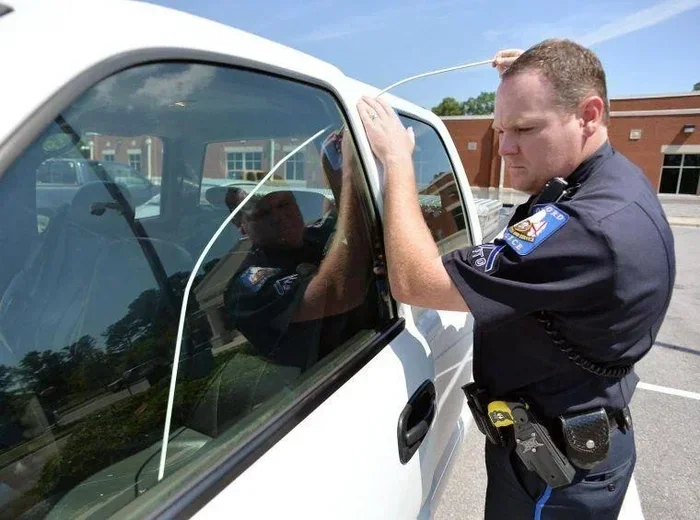
Can the Police Get Keys Out of a Locked Car Right Now
Yes, the police can sometimes help with a locked car situation, but it depends on your location, the circumstances, and department policies. Police lockout tools are available, yet many departments now refer drivers to auto locksmiths for faster service. Knowing your options ahead of time saves stress, money, and precious minutes during an emergency.
You step out of your car for just a second. The door clicks shut behind you. Your keys are sitting on the passenger seat. The doors are locked. You are standing outside your own vehicle with no way in. This is a lockout situation that happens to millions of people every year. And the first question that pops into most minds is the same: can the police get keys out of a locked car?
The short answer is yes, but the full story is more nuanced than you might expect. Police lockout assistance depends on many factors. Your location matters. The time of day matters. Even the specific police department’s policies play a role. Understanding how this process works can save you time, money, and a lot of frustration when you find yourself stranded.
This guide covers everything you need to know about police key extraction from locked vehicles. We will explore the tools they use, when they will help, what alternatives exist, and how to prevent future car lockout emergencies. Whether you are dealing with a real lockout right now or just want to be prepared, this article has you covered.
Key Takeaways
- Police Can Help in Some Cases: Many departments carry lockout tools and can assist with vehicle entry in certain situations.
- Not Always Guaranteed: Police lockout assistance varies by jurisdiction, time of day, and workload.
- Auto Locksmiths Are Often Faster: A professional automotive locksmith typically arrives quicker and offers more services.
- Cost Matters: Police lockout help is usually free, while locksmiths charge a fee that varies by service.
- Prevention Is Key: Keeping a spare car key and using smart habits reduces lockout risks significantly.
- Know Your Rights: Understanding when police will and won’t assist helps you make better decisions during a lockout situation.
- Technology Changes Everything: Modern key fob programming and transponder key systems add complexity to car lockout scenarios.
📑 Table of Contents
How Police Handle Locked Car Situations
What to Expect When You Call 911 for a Lockout
When you dial 911 because you are locked out of your car, the dispatcher will ask you a few questions. They want to know your location, whether anyone is trapped inside the vehicle, and if there is an immediate safety risk. Police lockout response is not treated the same way as other emergencies.
Most departments classify a simple car door unlock as a low-priority call. If there is a child or pet trapped inside, that changes everything. In those cases, officers respond quickly because safety is at stake. But if it is just you and your keys on the seat, you might face a wait.
Some police departments have dedicated lockout tools in their patrol cars. These tools include long reach devices, air wedges, and specialized rods that can manipulate interior locks. Other departments do not carry this equipment at all. It really varies from one jurisdiction to another.
Why Some Police Departments Refuse Lockout Requests
There are several reasons a police department might decline to help with a vehicle key retrieval situation:
- Resource Constraints: Officers are often stretched thin. A lockout situation takes time, and that time could be spent on more urgent calls.
- Liability Concerns: Using lockout tools can sometimes damage the vehicle. Departments worry about who pays for repairs.
- Policy Decisions: Many departments have formally decided to stop offering lockout services altogether.
- Training Gaps: Not all officers receive training in car lockout techniques or key extraction tool usage.
- Liability Concerns: Using lockout tools can sometimes damage the vehicle. Departments worry about who pays for repairs.
Understanding these reasons helps set realistic expectations. Police lockout help is a courtesy, not a guaranteed service in most areas. This is why knowing your alternatives is so important.
Tools and Methods Police Use for Key Extraction
Common Tools in a Police Lockout Kit
When police do carry lockout tools, they typically have a standard kit. Here is what you might find inside:
- Air Wedges: These create a small gap between the door and the frame. Officers then use a long rod to reach the interior lock or button.
- Long Reach Rods: Flexible rods that can maneuver around the interior of the car to press unlock buttons or lift lock mechanisms.
- Slim Jim Tools: These slide between the window and the weather stripping to manipulate the linkage inside the door. However, modern cars make these less effective.
- Key Extractors: Specialized tools for pulling broken keys out of locks or ignitions. This is one of the most common key extraction tasks police handle.
- L-shaped Tools: Simple but effective for reaching push-button locks in newer vehicles.
How Modern Car Security Systems Complicate Things
Today’s vehicles are far more complex than those from even ten years ago. Transponder key systems, key fob programming, and electronic vehicle security systems make simple lockouts much harder to resolve without professional help.
Many modern cars use electronic lock bypass methods that require specialized knowledge. A police officer might be able to physically open the door, but that does not mean the ignition will start. The transponder chip in the key must communicate with the car’s computer. Without the right key, the engine will not turn over.
This is a crucial point many people overlook. Even if the police get the door open, you might still not be able to drive away. Car ignition repair or key fob programming might be needed to get back on the road.
When Police Key Extraction Works Best
Police lockout tools work best in straightforward situations:
- Keys are locked inside the vehicle with no damage.
- The car is an older model without advanced electronic locks.
- There is an emergency, such as a child or pet trapped inside.
- The vehicle belongs to someone who needs immediate access for a valid reason.
In these cases, a skilled officer can often resolve the situation in 10 to 20 minutes. But complex vehicle key retrieval scenarios involving modern security features usually require a professional automotive locksmith.
When Police Will and Won’t Help with Lockouts
Situations Where Police Will Likely Help
Not every lockout situation gets the same response. Here are scenarios where police are most likely to assist:
- Children or Pets Inside: This is the number one reason police respond to lockout calls. If a child or animal is trapped in a hot car, officers will act immediately.
- Disabled or Vulnerable Individuals: Elderly drivers or people with disabilities who cannot access alternative help may receive priority assistance.
- Active Crime Scenes: If the lockout is connected to a crime or safety concern, police will respond and may assist with vehicle access.
- Small Departments with Available Officers: Rural areas and smaller towns often have more flexibility to help with car lockout situations.
Situations Where Police Will Likely Decline
On the other hand, here are times when you should not expect police to help:
- High Call Volume Periods: During busy shifts or emergencies, low-priority lockout calls get deprioritized.
- Urban Areas with High Demand: Large cities often have formal policies against police lockout assistance due to resource limitations.
- No Immediate Safety Risk: If no one is in danger, the call is likely to be treated as non-emergency.
- Repeat Lockout Calls: Some departments limit how many times they will help the same person with a lockout situation.
How to Know What Your Local Police Will Do
The best approach is to call your local police department’s non-emergency line and ask directly. Explain your situation and ask if they offer lockout assistance. Many departments have this information on their website too. Knowing ahead of time prevents panic when you are actually standing outside your locked car.
Some areas have partnerships between police and auto locksmith services. The department might have a preferred locksmith they call out regularly. This can be a great middle ground between waiting for police and paying full price for a private locksmith.
Alternatives When Police Can’t Help
Hiring a Professional Automotive Locksmith
When the police cannot or will not help, a professional automotive locksmith is your best option. These specialists handle locked car key extraction every day. They arrive with the right tools and the training to work on modern vehicles without causing damage.
Most auto locksmiths offer 24/7 emergency car lockout services. Response times vary, but many can reach you within 20 to 30 minutes in urban areas. The cost typically ranges from $50 to $150 for a basic lockout, though prices go higher for key fob programming or transponder key replacement.
Look for locksmiths who are licensed, bonded, and insured. Check reviews online before you need one. Having a trusted lockout service saved in your phone contacts is a smart move that pays off during stressful moments.
Roadside Assistance Programs
If you have a roadside assistance membership through your insurance company or an auto club, this is a great time to use it. Many policies include lockout assistance as a standard benefit. Services like AAA, Allstate, and various insurance providers offer this support to their members.
Roadside assistance is often cheaper than hiring a locksmith out of pocket. Some programs even cover car key replacement if your keys are lost entirely. Check your membership details to see exactly what is included in your plan.
DIY Methods to Consider (With Caution)
There are some DIY car door unlock methods people try, but these come with risks:
- String Method: Works on some older cars with pull-up locks. Thread a string through the door seal and use it to lift the lock mechanism.
- Spatula or Wedge Method: A thin tool can sometimes create enough space to press the unlock button. This works on certain models but can damage weather stripping.
- Calling a Tow Truck: Some tow services offer lockout assistance. This is a viable backup option if a locksmith is not available.
Be careful with DIY approaches. You could scratch your paint, break a window, or damage the lock mechanism. Professional vehicle entry is almost always the safer choice.
Preventing Future Lockout Emergencies
Smart Habits That Keep You Out of Lockout Situations
The best way to deal with a car lockout is to avoid one entirely. Here are simple habits that make a big difference:
- Keep a Spare Key: Store a spare car key in a safe place at home or give one to a trusted friend or family member.
- Use a Key Finder: Bluetooth key finders attach to your keychain and help you locate keys quickly if you set them down.
- Get in the Habit of Checking: Before you close the door, make sure you have your keys in hand. This one simple habit prevents most lockouts.
- Keep a Spare Key at Work: If your workplace allows it, leaving a spare key with a trusted colleague can be a lifesaver.
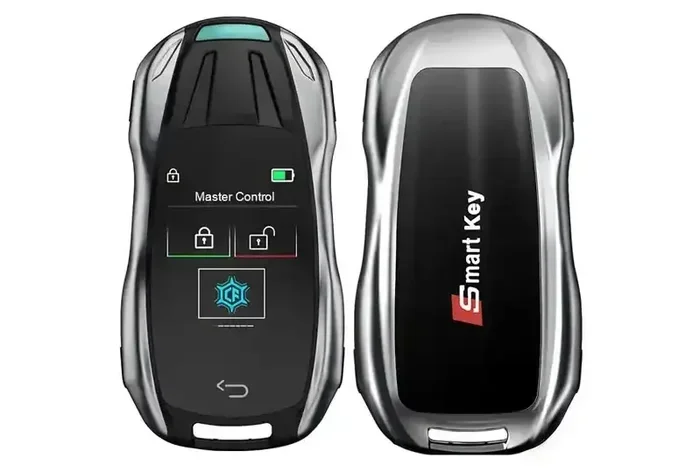
- Upgrade to a Smart Key System: Some modern vehicles allow you to unlock doors using your smartphone. This eliminates traditional lockout scenarios.
When to Replace or Upgrade Your Car Keys
If your keys are old, damaged, or you have lost copies, now is the time to act. Key fob programming and car key replacement are services best handled proactively, not during a stressful lockout. A local automotive locksmith can cut and program a new key for most vehicle makes and models.
Consider getting a spare car key made even if you have not lost one yet. The small upfront cost saves you significant money and hassle if you ever do find yourself locked out. Many locksmiths can create a duplicate key on the spot for a reasonable fee.
Understanding Your Vehicle’s Lock System
Knowing how your car’s lock system works helps you make better decisions during a lockout situation. Read your vehicle owner’s manual to understand the type of locks you have. Some vehicles have manual locks, while others are fully electronic. The more you know about your vehicle security system, the better prepared you are for any situation.
Modern vehicles also have features like remote start, keyless entry, and push-button ignition. These are convenient but add layers of complexity during a lockout. Understanding these systems helps you communicate better with a locksmith or police officer when you need help.
Final Thoughts on Police and Locked Car Keys
So, can the police get keys out of a locked car? The answer is yes, in many cases, but it is not guaranteed. Police lockout tools exist, but department policies, workload, and the specific circumstances all influence whether help will arrive. For many drivers, calling a professional auto locksmith is the fastest and most reliable path back into the vehicle.
Preparation is your greatest ally. Keep a spare car key accessible, save a trusted locksmith’s number in your phone, and understand your roadside assistance coverage. These small steps make a massive difference when you are standing outside a locked car on a hot day or a cold night.
Remember that safety always comes first. If a child or pet is trapped inside a locked vehicle, call 911 immediately. For routine lockouts, evaluate your options calmly and choose the solution that works best for your situation. Knowing what to expect and having a plan in place turns a stressful moment into a manageable one.
The next time someone asks you can the police get keys out of a locked car, you will have a clear, informed answer. Share this knowledge with friends and family. A little preparation today prevents a big headache tomorrow.
Frequently Asked Questions
Will the police come help if I am locked out of my car?
It depends on your local police department’s policies and the circumstances. Many departments carry lockout tools and will assist, especially if there is a safety concern. However, some departments have stopped offering this service due to resource constraints. Calling your local non-emergency line ahead of time can give you a clear answer.
How long does it take for police to unlock a car?
If police do respond, a car door unlock typically takes 10 to 20 minutes for a straightforward case. However, wait times can be longer during busy periods or in areas where police lockout assistance is not a priority. Complex vehicles with electronic locks may take even longer.
Is police lockout help free?
Yes, police lockout help is generally provided at no cost. This is one advantage over hiring a private auto locksmith. However, if the police damage your vehicle during the process, coverage for repairs varies by department policy and local laws.
What should I do if my keys are broken inside the lock?
Call a professional automotive locksmith for key extraction. While police may have key extraction tools, a locksmith has specialized equipment and experience with broken key removal. Trying to remove a broken key yourself can push it deeper into the lock and cause more damage.
Can police help with modern cars that have transponder keys?
Police can often physically open the door, but transponder key systems may prevent the engine from starting. Key fob programming and electronic lock bypass usually require a professional locksmith. Always ask the responding officer about their experience with your specific vehicle type.
How can I prevent getting locked out of my car?
Keep a spare car key in a safe place, develop the habit of checking for keys before closing the door, and consider a Bluetooth key finder. Upgrading to a smart key system or keeping a spare with a trusted person also reduces lockout risks significantly.
=== CONCLUSION ===
Can the police get keys out of a locked car? Yes, they often can, but it is not a guaranteed service everywhere. Police lockout tools and trained officers exist in many departments, yet resource limits and policies mean you should not count on this as your first option. Knowing the alternatives, keeping a spare car key handy, and having a trusted auto locksmith on speed dial are the smartest steps you can take.
Preparation turns a potential crisis into a minor inconvenience. Share this guide with friends and family so they too are ready the next time a lockout situation arises. Stay safe, stay prepared, and never let a locked car ruin your day.