Are Aftermarket Key Fobs Bad Everything You Should Know
Aftermarket key fobs can be a smart and affordable choice for many car owners. They work well for basic functions like locking, unlocking, and remote start. However, they may lack advanced security features found in OEM fobs. The quality varies widely, so choosing the right brand matters a lot. This guide covers everything you need to know about aftermarket key fobs before making a purchase.
Have you ever dropped your car keys and watched the key fob crack or stop working? It happens to the best of us. When that moment arrives, one of the first questions that pops up is whether aftermarket key fobs are worth buying. The short answer is no, they are not inherently bad. But like any product, the quality depends on the brand, the features, and what you need from the device.
Car owners today rely heavily on remote key fobs. They unlock doors, start engines, open trunks, and even locate vehicles in crowded parking lots. Losing or damaging a fob can feel like a small crisis. The good news is that key fob replacement does not have to break the bank. Aftermarket remotes offer a practical alternative to expensive dealer options. This article explores everything you should know before buying one.
Let us walk through the real differences between OEM and aftermarket options. We will cover security, programming, battery life, and more. By the end, you will feel confident making the right choice for your car.
Key Takeaways
- Affordability: Aftermarket key fobs cost much less than OEM options, often saving you 50-80 percent.
- Compatibility: Most aftermarket fobs work with a wide range of vehicles, but always check your model first.
- Security concerns: Some budget fobs may not support advanced encryption or rolling codes.
- Programming ease: Many aftermarket fobs are easy to program at home with simple steps.
- Battery life: Quality aftermarket fobs offer battery life comparable to OEM units.
- Brand matters: Reputable aftermarket brands offer reliable performance and better warranties.
- Know your needs: Basic fobs are fine for simple tasks, but premium vehicles may need OEM-level security.
📑 Table of Contents
- What Are Aftermarket Key Fobs?
- OEM vs Aftermarket Key Fobs: Key Differences
- Are Aftermarket Key Fobs Secure?
- Programming Aftermarket Key Fobs: Is It Easy?
- Battery Life and Maintenance of Aftermarket Key Fobs
- When Should You Choose Aftermarket Key Fobs?
- Common Mistakes to Avoid When Buying Aftermarket Key Fobs
- Expert Insights on Aftermarket Key Fobs
- Key Takeaways
- Conclusion
What Are Aftermarket Key Fobs?
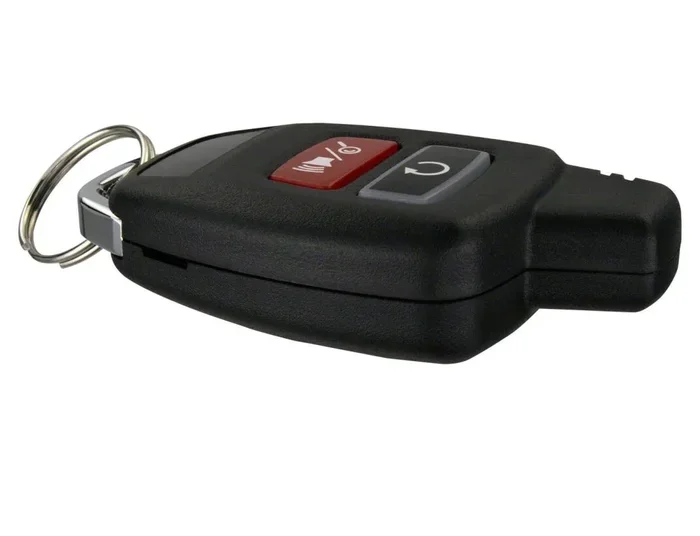
An aftermarket key fob is a replacement remote made by a third-party manufacturer. It is not produced by the original car maker. Instead, independent companies design and build these fobs to match the functions of the original equipment manufacturer (OEM) version. They aim to provide the same convenience at a fraction of the cost.
Most aftermarket remotes look almost identical to the factory fob. They use the same buttons and often the same casing design. Some are even pre-programmed for certain vehicle models. The technology inside, however, can vary quite a bit from one brand to another.
How Do Aftermarket Key Fobs Work?
Like factory fobs, aftermarket key fobs send a radio signal to your car. The vehicle receives the signal and responds by locking, unlocking, or performing another command. Most modern fobs use a transponder key system. This means the fob and the car communicate using a unique code.
Budget aftermarket fobs may use simpler signal technology. Premium aftermarket fobs often replicate the rolling code system used by OEM fobs. A rolling code changes the access code every time you press a button. This makes it much harder for thieves to intercept and copy the signal.
OEM vs Aftermarket Key Fobs: Key Differences
Understanding the difference between OEM and aftermarket key fobs helps you make a smart purchase. Let us break down the main areas where they differ.
Build Quality and Materials
OEM fobs are built to exact factory specifications. The materials feel solid, and the buttons have a satisfying click. Aftermarket remotes vary widely. Some brands use high-quality plastics and responsive buttons that feel just like the original. Others cut corners with cheap materials that may crack or wear out quickly.
Security Features
This is the biggest concern for most car owners. OEM fobs typically come with advanced vehicle security features. These include encrypted signals, rolling codes, and vehicle immobilizer compatibility. Aftermarket fobs may or may not include these features. Basic models often lack advanced encryption, which could leave your car more vulnerable.
Price Comparison
The price difference is the main reason most people choose aftermarket key fobs. An OEM fob from a dealership can cost anywhere from 150 to 500 dollars. A quality aftermarket remote often costs between 15 and 50 dollars. That is a huge savings, especially if you need a spare fob or have young drivers in the household.
Programming and Compatibility
OEM fobs come pre-programmed or require dealer-level tools for setup. Aftermarket key fobs often come with simple programming instructions. Many can be programmed at home in just a few minutes. However, some advanced fobs for luxury vehicles may need a professional car key programming service.
| Feature | OEM Key Fob | Aftermarket Key Fob |
|---|---|---|
| Price Range | 150 – 500+ dollars | 15 – 50 dollars |
| Build Quality | Excellent, factory-grade | Varies by brand |
| Security Encryption | Advanced, proprietary | Basic to advanced |
| Rolling Code Support | Yes, standard | Depends on the model |
| Programming Ease | Dealer required often | Usually DIY-friendly |
| Warranty | Limited, dealer-backed | Varies, often 1-2 years |
| Battery Life | 2 – 4 years | 1 – 3 years typically |
| Compatibility | Exact match for your vehicle | Check model fitment |
Are Aftermarket Key Fobs Secure?
Security is the number one concern for car owners considering aftermarket key fobs. The short answer is that it depends on the fob you choose. Not all aftermarket fobs are created equal, and some are much more secure than others.
Understanding Key Fob Signal Technology
Modern cars use smart key fob technology with encrypted signals. When you press a button, the fob sends a unique code to the car. The car verifies that code before responding. This system is called rolling code authentication. It prevents thieves from capturing your signal and replaying it later.
Budget aftermarket remotes sometimes use fixed codes. A fixed code stays the same every time you press the button. This makes the fob easier to copy or clone. Thieves with simple scanning devices can intercept a fixed code and gain access to your vehicle.
What to Look for in a Secure Aftermarket Fob
If you want a secure key fob replacement, look for these features:
- Rolling code support: The fob changes its access code with every use.
- Encryption compatibility: Matches or closely mirrors OEM encryption standards.
- Vehicle immobilizer integration: Works with your car’s immobilizer system to prevent theft.
- Anti-cloning protection: Prevents unauthorized copying of the fob signal.
- FCC or CE certification: Shows the fob meets regulatory safety standards.
The Risk of Cheap Knockoff Fobs
Ultra-cheap fobs sold on random online marketplaces can be risky. These aftermarket car parts often lack proper testing and quality control. They may interfere with other electronic devices or fail to work after a few months. More importantly, they may not provide adequate vehicle security. Stick with reputable aftermarket brands that have positive reviews and clear return policies.
Programming Aftermarket Key Fobs: Is It Easy?
One of the biggest advantages of aftermarket key fobs is that many are easy to program yourself. You do not always need to visit a dealership or locksmith. However, the process varies depending on your vehicle make and model.
Step-by-Step Programming Tips
Here is a general overview of how key fob programming works for most aftermarket remotes:
- Sit inside your car with all doors closed.
- Insert your original key into the ignition.
- Turn the key to the “On” position without starting the engine.
- Press and hold the lock button on the original fob.
- Within a specific time window, press the lock button on the new aftermarket remote.
- Turn the key off and remove it from the ignition.
- Test the new fob by standing a few feet away and pressing the lock button.
Always check the specific instructions that come with your remote key fob. Some vehicles require a slightly different sequence. If you feel unsure, a local locksmith can usually program the fob for a small fee.
When You Need Professional Help
Luxury vehicles and newer models with proximity-based smart keys can be trickier. These fobs often need specialized diagnostic tools for programming. In these cases, a professional car key programming service is a smart investment. It ensures the fob works correctly and does not interfere with your car’s existing systems.
Battery Life and Maintenance of Aftermarket Key Fobs
Just like OEM fobs, aftermarket key fobs run on small coin-cell batteries. The good news is that these batteries are cheap and easy to replace. Most key fob batteries last between one and three years, depending on how often you use the fob.
Tips to Extend Key Fob Battery Life
- Avoid extreme temperatures: Heat and cold drain batteries faster. Do not leave your fob on the dashboard in direct sunlight.
- Press buttons gently: Holding the button down too long can waste battery power.
- Keep spare batteries on hand: A CR2032 battery is the most common type used in remote key fobs. Keep one in your glove box.
- Store properly: When not in use, keep the fob away from other electronic devices that might cause key fob signal interference.
Signs Your Key Fob Battery Is Dying
Watch for these warning signs that your key fob battery needs replacing:
- The fob works only when you are very close to the car.
- Buttons feel less responsive or require extra pressure.
- The remote start feature stops working before the lock/unlock function.
- The fob range becomes noticeably shorter.
Replacing the battery in most aftermarket remotes is simple. Use a small flathead screwdriver to pop open the back cover. Swap the old battery for a new one, and you are good to go. This easy maintenance tip applies to both OEM and aftermarket key fobs alike.
When Should You Choose Aftermarket Key Fobs?
Aftermarket key fobs are a great choice in many situations. Here are some common scenarios where they make sense.
You Need a Spare Fob
Having a second fob is always a good idea. If your primary fob gets lost or damaged, a spare saves you from a stressful situation. A quality aftermarket remote works perfectly as a backup. You do not need to pay OEM prices for a second copy.
You Have an Older Vehicle
Older cars often use simpler key fob technology that does not require advanced encryption. For these vehicles, aftermarket key fobs are an excellent and cost-effective solution. The security risk is lower because the vehicle itself may not have the same level of built-in protection as newer models.
You Want Multiple Fobs for Family Members
If you have a family and everyone needs their own fob, aftermarket remotes help you save a significant amount of money. Buying four or five OEM fobs can cost over a thousand dollars. The same number of quality aftermarket fobs might cost 100 to 200 dollars total.
You Drive a Common Vehicle Model
Popular car models have many aftermarket fob options available. Brands like Ford, Toyota, Honda, Chevrolet, and Nissan all have well-supported key fob replacement markets. Finding a compatible and reliable aftermarket fob for these vehicles is usually straightforward.
Common Mistakes to Avoid When Buying Aftermarket Key Fobs
Not all aftermarket key fobs are created equal. Avoid these common mistakes to ensure a smooth experience.
Buying the Cheapest Option Without Research
The lowest-priced fob is not always the best deal. Ultra-cheap fobs often have poor build quality and weak signal range. They may stop working after a few weeks. Read reviews, check return policies, and buy from reputable sellers.
Ignoring Compatibility
Not every aftermarket fob fits every vehicle. Always verify the compatibility list before purchasing. Check your vehicle year, make, model, and trim level. Some fobs work for a range of years, while others are model-specific.
Skipping the Programming Instructions
Every remote key fob comes with specific programming steps. Skipping the instructions can lead to frustration. Take five minutes to read the manual before you start. It saves time and prevents unnecessary trips to a locksmith.
Overlooking Signal Range
Budget aftermarket remotes sometimes have shorter signal ranges than OEM fobs. If you need to unlock your car from across a large parking lot, check the advertised range before buying. A range of at least 50 feet is typical for most quality aftermarket fobs.
Expert Insights on Aftermarket Key Fobs
Automotive experts generally agree that aftermarket key fobs are a viable option for most everyday drivers. The key is to choose a reputable brand and understand your vehicle’s needs. According to industry professionals, the aftermarket remote key fob market has improved significantly over the past decade. Quality brands now offer fobs with encryption and rolling code support that closely matches OEM performance.
Locksmiths and car key specialists often recommend aftermarket fobs for non-luxury vehicles. For high-end cars with advanced proximity-based smart keys, they sometimes suggest sticking with OEM fobs. The added security features in premium vehicles are more complex, and aftermarket copies may not fully replicate them.
One expert tip is to always keep your original fob if it still works. Even if you switch to an aftermarket key fob for daily use, the original fob serves as a backup. It also retains any specialized programming that your vehicle may need in the future.
Key Takeaways
- Affordability: Aftermarket key fobs save you 50 to 80 percent compared to OEM options.
- Security varies: Choose fobs with rolling code support and encryption for better vehicle security.
- DIY programming: Most aftermarket fobs are easy to program at home without special tools.
- Battery maintenance: Regular battery replacement keeps your remote key fob working reliably.
- Brand reputation matters: Stick with well-reviewed aftermarket brands for the best results.
- Check compatibility: Always verify fitment before purchasing to avoid returns and frustration.
- Know your vehicle: Older and common models are ideal candidates for quality aftermarket fobs.
Conclusion
So, are aftermarket key fobs bad? The answer is clear. They are not bad at all. In fact, they can be a fantastic solution for car owners who need a reliable key fob replacement without spending a fortune. The key is to do your homework. Choose a reputable brand, check compatibility, and understand the security features your vehicle needs.
For most everyday drivers, a quality aftermarket remote works just as well as an OEM fob. It unlocks the car, locks the doors, and starts the engine with the same ease. The main trade-off is that you may not get the same level of advanced security encryption found in premium factory fobs. But for the vast majority of vehicles on the road today, that trade-off is well worth the savings.
Whether you need a spare fob, a replacement for a damaged one, or simply want to save money, aftermarket key fobs deserve a serious look. Just remember to buy from trusted sellers, follow the programming instructions carefully, and enjoy the convenience of a working remote key fob at a price that makes sense.
Your car is one of your biggest investments. Taking care of it includes making smart choices about parts like key fobs. With the right aftermarket remote in your pocket, you stay in control of your vehicle’s access and security. And that peace of mind is priceless.
Frequently Asked Questions
Can aftermarket key fobs be as secure as OEM fobs?
Yes, many quality aftermarket fobs now offer rolling code support and encryption that matches OEM security levels. The key is to choose a reputable brand and avoid ultra-cheap options that lack proper encryption. Always check for features like anti-cloning protection and vehicle immobilizer compatibility.
How do I know if an aftermarket key fob is compatible with my car?
Check the seller’s compatibility list using your vehicle year, make, model, and trim level. Most reputable sellers provide detailed fitment guides. When in doubt, consult your vehicle owner’s manual or contact the seller directly with your VIN number.
Can I program an aftermarket key fob myself?
Yes, most aftermarket fobs come with easy-to-follow programming instructions that you can do at home. The process usually takes just a few minutes and does not require special tools. For luxury or newer vehicles with advanced smart keys, a professional locksmith may be needed.
How long does the battery last in an aftermarket key fob?
Most aftermarket key fobs use CR2032 batteries that last between one and three years. Battery life depends on how frequently you use the fob and the signal strength required. Keeping spare batteries on hand is a smart habit for any car owner.
Are aftermarket key fobs covered by any warranty?
Many reputable aftermarket brands offer warranties ranging from one to two years. Warranty coverage typically includes defects in materials and workmanship. Always check the return and warranty policy before purchasing to protect your investment.
Will an aftermarket key fob void my car’s warranty?
In most cases, using an aftermarket key fob does not void your vehicle warranty. However, if a problem with the aftermarket fob causes damage to your car’s electrical system, it could become a warranty issue. Always check with your dealership if you have concerns about warranty coverage.