When Should I Use Sport Mode While Driving My Vehicle
Sport mode changes how your car feels, responds, and performs on the road. It adjusts throttle, transmission, and steering to give you a more engaging drive. Use it when you need extra power, sharper handling, or a more dynamic ride.
You have probably noticed a button or switch on your dashboard labeled “Sport Mode.” Maybe you have pressed it once or twice out of curiosity. But do you really know what it does? More importantly, do you know when should I use sport mode while driving?
The answer is not as simple as “always” or “never.” Sport mode changes the way your car behaves. It tweaks the engine, the transmission, and sometimes even the steering. The result is a more lively, responsive driving experience. But that does not mean it belongs in every situation.
This guide will walk you through everything you need to know. You will learn what sport mode actually does, when it makes sense to use it, and when it is better to keep it off. By the end, you will feel confident about when to press that button.
Let us dive in and break down the world of sport mode once and for all.
Key Takeaways
- Sport mode enhances throttle response: Your engine reacts faster, giving you quicker acceleration and a more connected driving feel.
- Transmission shifts differently: The gearbox holds gears longer and shifts at higher RPMs for better power delivery.
- Best for highways and open roads: Sport mode shines when you need quick overtakes or want a more spirited drive on clear roads.
- Not ideal for daily city commuting: The stiffer suspension and aggressive throttle can make stop-and-go traffic tiring.
- It won’t damage your car: Modern vehicles are built to handle sport mode regularly without long-term harm.
- Fuel economy drops slightly: Expect a small decrease in MPG when sport mode is active.
- Trust your driving conditions: Always switch back to normal mode in rain, snow, or heavy traffic for safety.
📑 Table of Contents
- What Does Sport Mode Actually Do?
- When to Use Sport Mode on Highways
- When to Use Sport Mode in City Driving
- Sport Mode vs Normal Mode: Key Differences
- Is Sport Mode Bad for Your Car?
- How to Know If Sport Mode Is Right for You
- Quick Tips for Using Sport Mode Effectively
- Common Mistakes Drivers Make with Sport Mode
- Expert Insights on Sport Mode
- Key Takeaways
- Conclusion
What Does Sport Mode Actually Do?
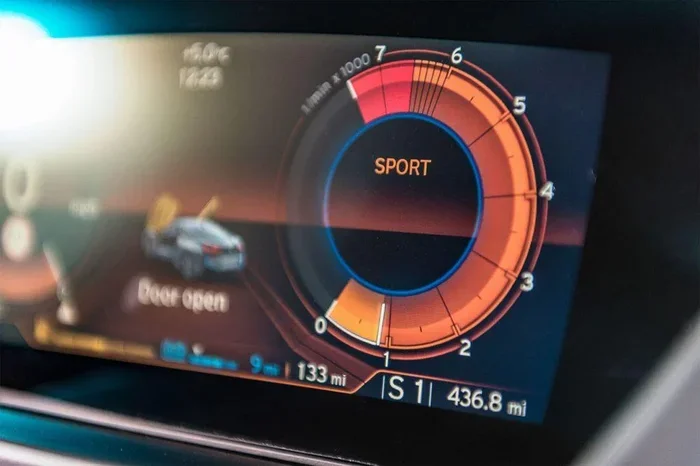
Before we talk about when to use sport mode, let us understand what it does. When you activate sport mode, your car changes several settings at once. These changes work together to make the drive feel more sporty and engaging.
How Sport Mode Changes Your Driving
Sport mode primarily affects three areas. The first is throttle response. In normal mode, your car eases into acceleration. The engine takes its time building power. In sport mode, the throttle opens up faster. A light press on the pedal gives you an immediate surge of power. This makes your car feel much more responsive.
The second area is the transmission. Your car’s gearbox controls when it shifts gears. In normal mode, it shifts early to save fuel. In sport mode, it holds gears longer. This keeps the engine in its power band. You get more available torque and stronger acceleration. Many cars also allow manual shifting through sport mode using paddle shifters.
The third area is steering feel. Some vehicles tighten the steering in sport mode. The wheel feels heavier and more precise. This gives you better control during spirited driving. It also makes cornering feel more confidence-inspiring.
What Happens Under the Hood
Under the hood, sport mode tells the engine control unit to prioritize performance. The engine may adjust ignition timing. It might change the fuel injection pattern. Some cars even open the sport exhaust valves slightly. This creates a more aggressive sound and better airflow.
If your car has adjustable suspension, sport mode often stiffens it. The dampers firm up. This reduces body roll during turns. Your car stays flatter and more stable. However, it may also feel harsher over bumps.
All of these changes work together. They transform your daily driver into something that feels closer to a sports car. But they also come with trade-offs, which we will explore soon.
When to Use Sport Mode on Highways
Highway driving is one of the best times to use sport mode. The road conditions are usually stable. There are fewer stops and starts. You have space to enjoy the extra performance.
Overtaking Made Easier
Have you ever been on a highway and needed to pass a slow truck? In normal mode, you might have to press the pedal hard and wait for the transmission to downshift. Sport mode eliminates that lag. The moment you step on the gas, the car responds. The transmission drops a gear or two instantly. You get a burst of power that makes overtaking quick and safe.
This is especially helpful in turbocharged vehicles. The turbo provides extra boost, and sport mode lets you access it faster. You can merge back into the right lane with confidence.
Maintaining Speed on Inclines
Highways often have steep inclines and overpasses. In normal mode, your car might struggle to hold speed on these hills. The transmission shifts up too early. The engine loses momentum. Sport mode keeps the gears lower. The engine stays in its power range. You maintain speed without constantly flooring the pedal.
This also reduces the need for constant braking on downhill sections. The engine braking effect is stronger in sport mode. Your car slows down more naturally. You rely less on the brake pedal. This can make long highway drives feel more controlled and less tiring.
When to Use Sport Mode in City Driving
City driving is a different story. Stop-and-go traffic, tight corners, and pedestrian-filled streets all change the equation. Sport mode can still be useful here, but you need to be more selective.
Navigating Busy Intersections
At busy intersections, you often need quick acceleration from a complete stop. Sport mode helps with this. The throttle responds instantly. You can jump forward the moment the light turns green. This is useful in areas where traffic lights change quickly and you need to keep up with the flow.
However, be careful. The aggressive throttle can make it easy to rev too high. You might lurch forward if you are not gentle with the pedal. Take it easy in heavy traffic. You do not want to stall the car or surprise the driver behind you.
Quick Acceleration from Stops
If you live in a city with frequent highway merges, sport mode can be a lifesaver. You use it for short bursts. You activate it when you need to merge onto a busy highway. Then you switch back to normal mode once you are up to speed. This gives you the best of both worlds.
Think of sport mode as a tool, not a permanent setting. Use it when the situation calls for extra performance. Then turn it off when you do not need it anymore.
Sport Mode vs Normal Mode: Key Differences
Understanding the differences between sport mode and normal mode helps you make better decisions. Let us look at what changes and why it matters.
A Side-by-Side Comparison
Here is a quick look at how sport mode and normal mode compare across key areas:
- Throttle Response: Normal mode is gentle and gradual. Sport mode is sharp and immediate.
- Transmission Shifting: Normal mode shifts early for efficiency. Sport mode holds gears longer for power.
- Steering Feel: Normal mode is light and easy. Sport mode is firmer and more precise.
- Suspension Stiffness: Normal mode prioritizes comfort. Sport mode firms up for better handling.
- Fuel Economy: Normal mode is more efficient. Sport mode uses more fuel.
- Engine Sound: Normal mode is quiet. Sport mode is louder and more aggressive.
These differences might seem small on paper. But when you are behind the wheel, the contrast is very noticeable. You feel every change in the way the car responds to your inputs.
Which Mode Should You Use Daily?
For most people, normal mode is the right choice for daily driving. It is comfortable. It is efficient. It suits the routine of commuting, running errands, and cruising. Sport mode is better saved for specific situations where you want more from your car.
That said, if you enjoy driving and want every trip to feel more engaging, sport mode can become your default. It is all about personal preference and driving style.
Is Sport Mode Bad for Your Car?
This is one of the most common questions drivers ask. The short answer is no. Sport mode is not bad for your car. But let us look at the details so you fully understand why.
Understanding the Trade-Offs
Sport mode does put more strain on your engine. The RPMs stay higher. The engine works harder. This means more wear on internal components over time. But modern cars are built to handle this. Engineers design sport mode specifically for regular use. Your engine, transmission, and brakes can handle the extra load without issues.
The bigger concern is fuel economy. Sport mode uses more gas. The engine burns more fuel because it runs at higher RPMs. If you use sport mode every day, you will notice the difference at the pump. Over time, this can add up to a noticeable increase in your fuel costs.
Long-Term Effects on Your Vehicle
Using sport mode occasionally will not shorten your car’s lifespan. The key word is occasionally. If you always drive in sport mode, you might notice a few things over the years. Your brakes may wear faster. The engine oil may degrade more quickly. The transmission fluid may need changing sooner.
But these are normal maintenance items. They are not signs of damage. As long as you follow your regular service schedule, your car will be just fine. Stick to the recommended oil change intervals. Check your brake pads regularly. Keep up with transmission fluid changes. Your car will handle sport mode just fine.
One more thing to keep in mind. Sport mode can drain your battery faster in some vehicles. The electrical systems work harder. The engine runs at higher loads. If your battery is already weak, this could be a factor. But for most drivers, this is not a real concern.
How to Know If Sport Mode Is Right for You
Not every driver needs sport mode. But if you enjoy being behind the wheel, it can add a lot of fun to your drives. Here is how to figure out if it fits your style.
Signs You Should Switch to Sport Mode
You should consider using sport mode if any of these sound familiar:
- You love the feeling of a powerful engine and quick acceleration.
- You often drive on open roads or highways with little traffic.
- You enjoy spirited driving and want sharper handling.
- You need extra power for overtaking or merging frequently.
- You want a more engaging and interactive driving experience.
If these points resonate with you, sport mode is a great tool to have in your driving arsenal. Use it when the road calls for it.
When to Stick with Normal Mode
On the other hand, normal mode is better when:
- You are driving in heavy traffic or congested areas.
- Road conditions are wet, icy, or slippery.
- You are focused on fuel economy and saving money.
- You are driving at low speeds through residential neighborhoods.
- You prefer a smooth, comfortable ride above all else.
Normal mode gives you a relaxed, efficient drive. It is perfect for the daily grind. There is no shame in leaving sport mode off most of the time.
Quick Tips for Using Sport Mode Effectively
Here are some practical tips to get the most out of sport mode:
- Use it for short bursts. Activate sport mode when you need extra performance. Turn it off when you do not. This saves fuel and reduces unnecessary wear.
- Pay attention to your RPMs. Sport mode keeps the engine revving higher. Do not let the RPMs redline too often. This can cause unnecessary engine stress.
- Combine with manual mode if available. Many cars let you manually shift gears in sport mode. Use paddle shifters to hold lower gears on hills or during spirited driving.
- Adjust your driving style. Sport mode changes how the car feels. You need to adapt. Be smoother with the throttle. Brake earlier. The car will respond differently.
- Check your owner’s manual. Every car is different. Your manual will tell you exactly what sport mode changes in your specific vehicle. This is the best way to understand its full impact.
- Use it on familiar roads. Do not try sport mode for the first time on a winding mountain road in the rain. Practice on safe, open roads first. Get a feel for how the car behaves.
Common Mistakes Drivers Make with Sport Mode
Even experienced drivers sometimes misuse sport mode. Here are a few common mistakes to avoid:
- Leaving sport mode on all the time. This kills your fuel economy and makes the ride uncomfortable. It is meant to be used selectively.
- Using sport mode in bad weather. Wet or icy roads need the stability of normal mode. Sport mode can make the car feel twitchy and harder to control.
- Ignoring the extra strain on brakes. Sport mode means more aggressive driving. Your brakes work harder. Do not skip brake inspections.
- Revving too high in city traffic. It is easy to over-rev in stop-and-go traffic with sport mode on. Be mindful of your RPMs and the car around you.
- Assuming sport mode equals more speed. Sport mode does not make your car faster in terms of top speed. It makes it feel more responsive and engaging. The difference is in the feel, not the numbers.
Avoiding these mistakes will help you get the most out of sport mode without any downsides. Drive smart and enjoy the experience.
Expert Insights on Sport Mode
Automotive experts agree that sport mode is a valuable feature when used correctly. According to many driving instructors, sport mode is best for experienced drivers who understand how to manage a more responsive car. Beginners might find the aggressive throttle and stiff steering overwhelming at first.
Many car manufacturers design sport mode with specific driving scenarios in mind. Some brands tune it for highway performance. Others focus on track-day driving. Understanding what your car’s sport mode is optimized for helps you use it more effectively.
Driving enthusiasts often recommend using sport mode on scenic roads. Winding routes with open stretches let you really feel the benefits. The sharper steering and quicker throttle response make every corner more exciting. It transforms an ordinary drive into something memorable.
However, experts also caution against using sport mode as a substitute for safe driving habits. The extra power and responsiveness do not replace good judgment. Always drive within your limits and adjust to road conditions.
Key Takeaways
- Sport mode enhances throttle response: Your engine reacts faster, giving you quicker acceleration and a more connected driving feel.
- Transmission shifts differently: The gearbox holds gears longer and shifts at higher RPMs for better power delivery.
- Best for highways and open roads: Sport mode shines when you need quick overtakes or want a more spirited drive on clear roads.
- Not ideal for daily city commuting: The stiffer suspension and aggressive throttle can make stop-and-go traffic tiring.
- It won’t damage your car: Modern vehicles are built to handle sport mode regularly without long-term harm.
- Fuel economy drops slightly: Expect a small decrease in MPG when sport mode is active.
- Trust your driving conditions: Always switch back to normal mode in rain, snow, or heavy traffic for safety.
Conclusion
So, when should I use sport mode while driving? The answer depends on your situation, your road, and your mood. Sport mode is a fantastic tool that brings out the best in your car. It makes acceleration sharper, handling more precise, and the overall drive more engaging.
Use it on highways when you need quick overtakes. Use it on open roads when you want to enjoy the drive. Use it in the city for short bursts of extra responsiveness. But always switch back to normal mode when conditions call for it. Wet roads, heavy traffic, and daily commuting are all better suited to normal mode.
The beauty of sport mode is that it is always there when you need it. You do not have to commit to it. Flip the switch when the moment feels right. Turn it off when you do not. Your car, your rules, your drive.
Now that you know exactly what sport mode does and when to use it, go out and enjoy the ride. Press that button when the road calls. Your car will thank you for it.
Frequently Asked Questions
Can I use sport mode while driving at high speeds on the highway?
Yes, sport mode is great for highway driving. It keeps the transmission in lower gears for better power. This makes overtaking easier and more confident. Just remember to switch back to normal mode when you do not need the extra performance.
Will sport mode damage my transmission over time?
No, sport mode will not damage your transmission. Modern cars are engineered to handle sport mode regularly. The transmission shifts are still within safe limits. Just keep up with your regular transmission fluid changes and your car will stay healthy.
Does sport mode make my car louder?
In many cars, yes. Sport mode often opens exhaust valves or changes engine tuning. This creates a more aggressive and sporty sound. Some drivers love this. Others find it too loud for daily driving. It is a matter of personal preference.
Can I switch between normal and sport mode while driving?
Absolutely. Most cars let you switch modes on the fly. You can go from normal to sport and back again while driving. The car adjusts instantly. This makes it easy to use sport mode only when you need it.
Is sport mode the same as using manual mode or paddle shifters?
Not exactly. Sport mode changes multiple settings at once, including throttle and steering. Manual mode or paddle shifters let you control gear changes yourself. Some cars combine both in sport mode. But they are not the same feature.
Should I use sport mode in the rain or snow?
No, you should avoid sport mode in rain or snow. The aggressive throttle can cause wheel spin. The firmer suspension reduces comfort on slippery roads. Normal mode or snow mode is safer in these conditions. Always prioritize traction and stability over performance in bad weather.