Can I Take a Rental Car to Canada and Drive There Now
Yes, you can take a rental car to Canada and drive there now, but you must follow specific rules and prepare the right documents. Most major rental companies allow cross-border trips, yet fees, insurance, and return policies vary widely. This guide covers every requirement so your rental car to Canada trip goes smoothly.
Have you ever thought about driving a rental car to Canada for a vacation or a road trip? It is a fantastic way to explore the Great White North without the hassle of flying and renting a car once you arrive. But before you pack your bags and hit the road, there are some important things you need to know.
Taking a rental car to Canada is definitely possible, but it comes with its own set of rules and requirements. Not every rental company allows it. Not every insurance policy covers you once you cross the border. And the fees can add up fast if you are not careful. This article breaks down everything you need to plan a successful cross-border rental car trip.
Whether you live in a border state or are flying in from farther south, understanding the process ahead of time saves you money and stress. Let us dive into the details of how to drive a rental car to Canada without any surprises.
Key Takeaways
- Cross-border rentals are allowed: Most major car rental companies let you drive a rental car to Canada with proper documentation and approval.
- Documents are essential: You need a valid passport, driver’s license, credit card, and rental agreement to cross the border legally.
- Insurance rules differ: Your US rental insurance may not cover Canada, so always check and purchase additional coverage if needed.
- Fees add up quickly: Expect border crossing fees, tolls, and possible one-way drop-off charges when returning the vehicle in Canada.
- Canadian driving laws apply: Speed limits, seatbelt rules, and winter tire requirements differ from US standards and must be followed.
- Plan your return carefully: One-way rentals to Canada are available but often come with high drop-off fees.
📑 Table of Contents
- Understanding the Rules for Taking a Rental Car to Canada
- Rental Car Companies That Allow Cross-Border Trips
- Insurance and Fees for Driving a Rental Car in Canada
- Driving Laws and Tips for Canada
- Common Mistakes to Avoid When Taking a Rental Car to Canada
- Final Thoughts on Taking a Rental Car to Canada
Understanding the Rules for Taking a Rental Car to Canada
The first thing you need to know is that not all rental companies allow their vehicles to cross the border. Each company sets its own rental car restrictions Canada policies. Some are very open about it, while others strictly prohibit cross-border trips. Before you book, always check the rental company’s terms and conditions.
Who Can Cross the Border with a Rental Car?
Most rental companies in the United States allow their customers to drive a rental car to Canada if they meet certain requirements. You typically need to be at least 25 years old, have a valid driver’s license, and present a major credit card in your name. Some companies also require that the primary driver has held their license for at least one year.
If you plan to add an additional driver rental car for your trip, make sure that person is also listed on the rental agreement. Not all companies allow extra drivers for cross-border trips. This is an important detail that many travelers overlook.
Required Documents for a Rental Car Border Crossing
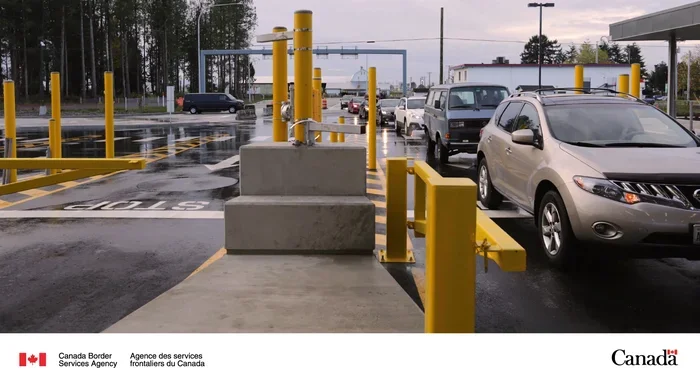
You cannot simply show up at the border with a rental car and expect to cross. You need several documents ready to go. First, you need a valid passport. A passport card or an enhanced driver’s license may also work for land crossings, but a full passport book is the safest choice.
Second, bring your valid US driver’s license. You do not need an international driving permit for Canada if you hold a US license, but having one can help if you run into any issues with local authorities. Third, always carry the rental agreement and your credit card used for the booking.
The border agents may ask to see all of these documents. Having them ready and organized makes the crossing process much faster and smoother.
Rental Car Companies That Allow Cross-Border Trips
Not every car rental company treats cross-border trips the same way. Some welcome them with open arms, while others put up walls. Here is a closer look at what to expect from the major players in the industry.
Major Companies and Their Policies
Companies like Enterprise, Hertz, Avis, and Budget generally allow border crossing rental car trips to Canada. However, each has its own set of rules. For example, some require you to notify the rental location in advance that you plan to take the vehicle across the border. Others may restrict travel to certain provinces or areas.
Budget and Avis are known for being fairly flexible with cross-border rentals. Enterprise and Hertz also allow it but may require additional paperwork at the time of pickup. Always call the specific location where you plan to rent the car and confirm their rental car restrictions Canada policies before you book.
One-Way Rentals to Canada
One-way rentals to Canada are a great option if you do not want to drive back to the US. Many rental companies offer one-way rental Canada services, allowing you to pick up the car in the US and drop it off at a Canadian location. This is perfect for road trips where you plan to explore Canada and then fly home from a Canadian airport.
However, one-way rentals often come with a border fees rental car charge or a drop-off fee. These fees can range from $50 to several hundred dollars depending on the distance and the company. Always ask about these fees upfront so there are no surprises at the counter.
Insurance and Fees for Driving a Rental Car in Canada
Insurance is one of the most important parts of any rental car to Canada trip. Your US rental car insurance may not automatically cover you once you cross into Canada. This is a detail that trips up many travelers every year.
Do You Need Extra Insurance?
Most US rental car insurance policies do not extend coverage to Canada. This means your personal car insurance and your credit card rental coverage may not apply either. To stay protected, you should purchase the rental company’s insurance coverage for Canada before you leave the US.
Some credit cards do offer cross-border rental coverage, but the terms vary widely. Call your credit card company and ask specifically about rental car insurance Canada coverage. If your current coverage does not apply, buying the rental company’s insurance is the safest route.
Also, keep in mind that Canadian law requires minimum liability coverage. Rental companies include this in their rates, but it is always good to verify that the coverage meets Canadian standards.
Border Crossing Fees and Tolls
Crossing the US-Canada border is not free. Some rental companies charge a border fees rental car surcharge, which can range from $15 to $50 per crossing. This fee covers the administrative hassle of processing a cross-border rental agreement.
Once you are on Canadian roads, you will also encounter toll roads. The 407 ETR in Ontario is a major electronic toll highway. Make sure you understand the toll system in the areas you plan to visit. Some tolls are automatic and billed to your license plate, so check with the rental company about how tolls are handled.
Driving Laws and Tips for Canada
Driving in Canada is similar to driving in the US, but there are important differences you need to know. Ignoring these differences can lead to fines, accidents, or even having your rental car impounded.
Speed Limits and Road Rules
Speed limits in Canada are posted in kilometers per hour, not miles per hour. If you are used to miles, this can be confusing at first. A quick tip: divide the Canadian speed limit by 1.6 to get the approximate miles per hour equivalent.
Seatbelt laws in Canada are strict. Everyone in the vehicle must wear a seatbelt, and the driver is responsible for making sure all passengers comply. Canadian driving laws also prohibit the use of handheld devices while driving. Use a hands-free system if you need to make calls or use GPS.
Winter Driving Essentials
If you plan to visit Canada during the colder months, winter tires are not just recommended, they are required in some provinces. Quebec, for example, mandates winter tires from December 1 to March 15. Other provinces strongly recommend them but do not make them law.
When you take a rental car to Canada in winter, ask the rental company about winter tire options. Some vehicles come with all-season tires that are suitable for light snow, but dedicated winter tires provide much better traction. Also, keep an emergency kit in the car with blankets, a flashlight, and a small shovel.
Fuel Policy and GPS Tips
Fuel policies vary between rental companies. Most require you to return the vehicle with the same fuel level as when you picked it up. Always fill up before you return the car to avoid hefty refueling charges. Some companies also offer pre-purchased fuel plans, but these are often more expensive per liter than filling up yourself.
Navigating Canada can be tricky if you are not familiar with the area. Many rental companies offer a GPS rental car Canada option, but using your smartphone with a data plan is often more convenient. Just make sure you have a mount or holder that does not block your view of the road.
Common Mistakes to Avoid When Taking a Rental Car to Canada
Even experienced travelers make mistakes when planning a rental car to Canada trip. Here are the most common errors and how to avoid them.
Forgetting to Declare the Rental at the Border
Always tell the border agent that you are driving a rental car. Do not try to hide this information. If the agent asks to see your rental agreement, having it ready makes the process much easier. Failing to declare a rental car can lead to delays or even being turned away at the border.
Ignoring Return Location Rules
If you plan a rental car return Canada trip, make sure you understand the drop-off rules. Some locations only accept returns during business hours. Others may charge a premium for after-hours returns. Always confirm the return process before you start your trip.
Underestimating the Cost
Many travelers budget for gas and tolls but forget about border fees, insurance upgrades, and one-way drop-off charges. Add up all the potential costs before you commit to a rental. This way, there are no unwelcome surprises when you return the vehicle.
Not Checking the Vehicle Before You Leave
Always do a thorough walk-around inspection of the rental car before you leave the lot. Take photos of any existing damage and make sure the rental agent notes it on the agreement. This protects you from being charged for pre-existing damage when you return the vehicle.
Final Thoughts on Taking a Rental Car to Canada
Taking a rental car to Canada is a wonderful way to explore this beautiful country on your own terms. The freedom to stop wherever you want, the ability to reach remote destinations, and the convenience of having your own vehicle make it a top choice for many travelers.
But success comes down to preparation. Know the rental company’s policies. Gather all required documents. Understand the insurance coverage. And respect the driving laws of Canada. Do these things, and your drive from US to Canada will be an unforgettable adventure.
Start planning today. Check the rental companies near you, compare prices, and book your rental car to Canada well in advance. The more prepared you are, the more relaxed and enjoyable your trip will be.
Frequently Asked Questions
Do I need a passport to take a rental car to Canada?
Yes, a valid passport is required for all travelers crossing the US-Canada border by car. A passport card or enhanced driver’s license may work for land crossings, but a full passport book is the most widely accepted form of identification.
Can I use my US car insurance when driving a rental car in Canada?
Most US rental car insurance policies do not extend coverage to Canada. You should contact your insurance provider and the rental company to confirm what coverage applies. Purchasing the rental company’s Canadian insurance is often the safest option.
Are there toll roads in Canada that I need to know about?
Yes, Canada has several toll roads, bridges, and tunnels. The 407 ETR in Ontario is a major electronic toll highway. Tolls are often billed automatically to your license plate, so ask the rental company how tolls are handled before your trip.
Do I need winter tires for a rental car in Canada?
Winter tires are legally required in Quebec from December to March. Other provinces strongly recommend them during winter months. Always check with the rental company about tire options when booking a rental car to Canada during the colder season.
Can I return the rental car to a different location in Canada?
Yes, many rental companies offer one-way rentals that allow you to drop off the vehicle at a different location. This is called a one-way drop-off and usually comes with an additional fee. Always confirm the return location and any associated charges before you book.
What happens if I get a speeding ticket in Canada while driving a rental car?
If you receive a speeding ticket in Canada, the fine is typically paid on the spot or sent to the rental company, who will then bill you. Speeding violations can also affect your driving record and may lead to additional fees from the rental company.
=== CONCLUSION ===
Taking a rental car to Canada opens up a world of travel possibilities. You get the freedom to explore cities, national parks, and scenic routes at your own pace. The process is straightforward as long as you prepare ahead of time and follow the rules.
Remember to check your rental company’s cross-border policies, gather all necessary documents, and understand the insurance and fee structure. Avoid the common mistakes that trip up so many travelers, and always respect Canadian driving laws. With the right preparation, your rental car to Canada trip will be smooth, affordable, and incredibly rewarding.
So go ahead and plan that northern adventure. The road to Canada awaits, and with the right rental car, you are ready to explore every mile of it.