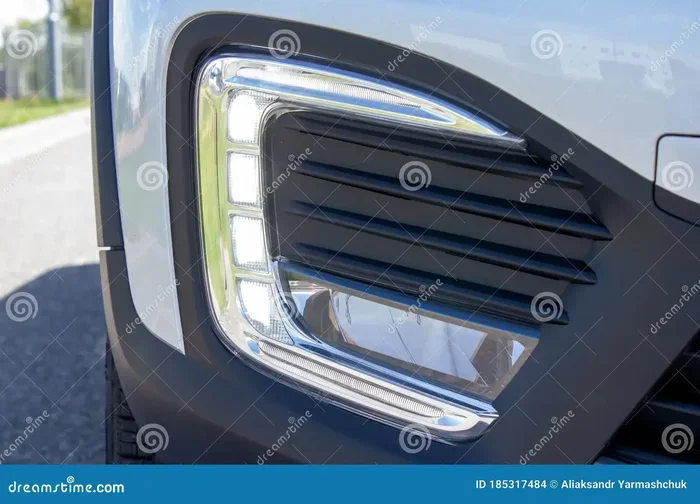
Is It Illegal to Disable DRL and What You Should Know
Is it illegal to disable DRL? The answer depends on where you live and your vehicle type. Daytime running lights, or DRL, are designed to boost vehicle safety and make your car more visible during the day. Many countries and states have lighting regulations that require DRL to stay active. Disabling your DRL system can lead to fines, failed inspections, or even voided warranties in some cases.
You might have seen cars driving around with no lights on during the day. It looks normal, right? But behind the scenes, those vehicles might be running a daytime running light system that works automatically. And some car owners want to turn it off. So the big question is: is it illegal to disable DRL?
The short answer is: it depends. Different countries, states, and provinces have different rules. Some places strictly require DRL on all vehicles. Others have no clear law at all. What happens if you turn them off? Could you get a ticket? Will your insurance company care? These are all fair questions. And we are going to answer every single one of them in this guide.
Whether you are a car enthusiast who wants a cleaner look or someone dealing with a flickering DRL light, this article covers it all. We will walk through the legal side, the safety side, and the practical side. By the end, you will know exactly what to expect if you decide to disable DRL on your vehicle.
Key Takeaways
- Laws vary by location: Some regions require DRL by law, while others have no specific rules against disabling them.
- Safety is a major concern: DRL systems reduce daytime accidents by improving vehicle visibility.
- Legal consequences exist: You may face fines, inspection failures, or insurance issues if you disable DRL illegally.
- Methods vary in complexity: Some DRL disabling methods are simple, while others require electrical work.
- Warranty and insurance risks: Tampering with your DRL system could void your car warranty or affect your coverage.
📑 Table of Contents
- What Are Daytime Running Lights?
- Why Do People Want to Disable DRL?
- Is It Illegal to Disable DRL? The Legal Breakdown
- Safety Implications of Disabling DRL
- How to Disable DRL: Common Methods
- Common Mistakes When Disabling DRL
- Expert Insights on DRL and Vehicle Safety
- DRL vs. Automatic Headlights: What’s the Difference?
- Key Takeaways
- Conclusion
What Are Daytime Running Lights?
Before we dive into the legal stuff, let us understand what daytime running lights actually are. DRL stands for Daytime Running Lights. They are low-intensity lights that turn on automatically when you start your engine. They stay on during the day to make your vehicle more visible to other drivers.
DRL systems were first introduced in Nordic countries like Sweden and Norway back in the 1970s. The idea was simple: make cars easier to see during bright daylight hours. The concept caught on fast. Today, most new vehicles come with DRL systems built right into the factory.
Here is how they work in practice. When you turn the ignition key or press the start button, the DRL module powers on. It activates the front lights at a lower brightness than your regular headlights. Your tail lights also turn on. This creates a clear outline of your vehicle on the road. Other drivers can spot you from a distance, which reduces the chance of a collision.
Now, some people confuse DRL with regular headlights. They are not the same thing. Regular headlights illuminate the road ahead so you can see where you are going. DRL only makes your car visible to others. They do not help you see the road. Think of them as your car’s “be seen” lights.
Why Do People Want to Disable DRL?
If DRL systems are so helpful, why do people want to turn them off? There are several reasons. Let us look at the most common ones.
1. Annoying or Blinding Lights
Some DRL systems use bright LED lights. These can be quite intense. Other drivers on the road may find them distracting or even blinding. If you have ever been behind someone whose DRL lights felt too bright, you understand the frustration. Some owners want to disable DRL simply to reduce glare for others.
2. Electrical System Concerns
DRL systems draw power from your vehicle’s battery and alternator. In older cars or vehicles with weak electrical systems, this extra draw can cause problems. Some owners report battery drain or flickering lights. They disable the DRL to protect their electrical system and avoid costly repairs.
3. Vehicle Aesthetics
Let us be honest. Some people just do not like how DRL lights look on their car. Maybe the lights create a harsh appearance during the day. Or perhaps the vehicle looks better with a clean, dark front end. Aesthetics play a bigger role than most people think when it comes to DRL disabling.
4. Fog or Low Visibility Conditions
In some cases, DRL lights can actually cause problems in fog or heavy rain. The bright front lights reflect off moisture and create a glare that makes it harder for the driver to see. This is especially true with certain aftermarket DRL setups. Some drivers choose to turn off DRL during poor weather conditions for better visibility.
Is It Illegal to Disable DRL? The Legal Breakdown
Now we get to the heart of the matter. Is it illegal to disable DRL? The answer is not a simple yes or no. It depends heavily on where you live and what kind of vehicle you drive.
United States Laws on DRL
In the United States, there is no federal law that specifically requires DRL on all vehicles. The National Highway Traffic Safety Administration, or NHTSA, does not mandate DRL systems nationwide. This means there is no blanket federal law against disabling DRL in the US.
However, individual states may have their own vehicle lighting regulations. Some states require headlights to be on during certain conditions. If your DRL is off and your regular headlights are also off, you could be pulled over for violating state headlight laws. It is not the DRL being off that gets you in trouble. It is the absence of any visible lights on your vehicle.
States like California, New York, and Florida have specific lighting codes. These codes require drivers to use headlights from sunset to sunrise. They also require headlights during rain, fog, or low visibility. As long as your vehicle meets these basic requirements, disabling DRL alone is generally not illegal.
Canadian DRL Regulations
Canada takes a different approach. Since 1990, all new vehicles sold in Canada must have DRL systems. Transport Canada requires DRL to be functional on all new cars, trucks, and SUVs. This means disabling DRL in Canada could put you in violation of federal vehicle safety standards.
If you import a vehicle from the US that does not have DRL, you may face issues at the border. Canadian customs officers can flag vehicles that do not meet their DRL requirements. It is always best to check the specific rules before making any changes to your lighting system.
European Union DRL Rules
In the European Union, DRL is mandatory for all new vehicles. EU Regulation 48 requires DRL systems on passenger cars and light commercial vehicles. If you live in an EU country and disable DRL, you could face fines during routine vehicle inspections. Some countries also require DRL to pass the annual vehicle inspection or TÜV check.
Countries like Germany, France, and Sweden enforce DRL laws strictly. Police officers can stop vehicles that do not have functioning DRL systems. Fines vary by country but can range from 20 to 100 euros or more. It is not worth the risk in most cases.
Other Countries and Regions
Many other countries around the world have adopted DRL mandates. Australia, Japan, and most Scandinavian countries require DRL on new vehicles. If you are unsure about your local laws, check your regional vehicle codes or consult with a local mechanic. Ignorance of the law is not an excuse, and a simple check can save you a lot of trouble.
Safety Implications of Disabling DRL
Even if the law in your area allows you to turn off DRL, you should think carefully about safety. DRL systems were designed for one main reason: to save lives. Let us look at what research says about DRL and road safety.
How DRL Reduces Accidents
Studies from Sweden and Finland show that DRL systems reduce daytime multi-vehicle crashes by up to 10 to 15 percent. The reason is straightforward. When your vehicle is easier to see, other drivers can react faster. They spot your car earlier. They adjust their speed or change lanes sooner. This simple visibility boost makes a real difference on busy roads.
Think about it this way. On a bright sunny day, a car without DRL can blend into the sky or the road. It becomes a gray shape that is hard to notice. A car with DRL stands out. It has a visible outline that catches the eye. This is especially true for darker-colored vehicles. Black and dark gray cars benefit the most from DRL during the day.
The Risk of Driving Without DRL
When you disable DRL, you lose that extra layer of visibility. Other drivers may not see you until it is too late. This risk increases in certain situations:
- Dawn and dusk: These times have low light but are not dark enough for headlights to turn on automatically.
- Overcast days: Cloudy skies reduce contrast, making vehicles harder to spot.
- Tunnels and shaded areas: Your car can suddenly appear in a dark tunnel without warning.
- Heavy traffic: In dense traffic, vehicles are close together. Visibility matters even more.
The bottom line is that DRL systems add a layer of protection that many drivers take for granted. Before you decide to disable your DRL system, weigh the safety trade-offs carefully.
How to Disable DRL: Common Methods
If you have decided that disabling DRL is the right choice for you, there are a few ways to do it. The method you choose depends on your vehicle model and your comfort level with car electronics. Let us go over the most common approaches.
Method 1: Remove the DRL Fuse
Most vehicles have a dedicated fuse for the DRL system. You can find this fuse in your owner’s manual or on the fuse box diagram under the hood. Simply pull the DRL fuse out, and the system will stop working.
This is the easiest and most common method. It requires no tools beyond a fuse puller. However, removing the fuse also means your vehicle will not have DRL at all. You will need to manually turn on your headlights during the day if you want any front lighting.
Method 2: Install a DRL Relay Switch
A relay switch gives you more control. You can install a simple toggle switch in your dashboard or center console. When you flip the switch, the DRL system turns on or off. This method keeps the original wiring intact and is fully reversible.
Many car enthusiasts prefer this approach. It is clean, simple, and does not require cutting any wires. You can find DRL relay switch kits online for under 30 dollars. Installation usually takes about 30 minutes.
Method 3: Programmable DRL Module
Some vehicles use a programmable DRL module that controls the light behavior. You can reprogram or replace this module to change how the DRL operates. This method works best for newer vehicles with advanced electrical systems.
This approach requires some technical knowledge. If you are not comfortable working with your car’s computer system, it is best to have a professional handle it. A trusted mechanic or auto electrician can reprogram the module in about an hour.
Method 4: Aftermarket DRL Delete Kit
Some companies sell complete DRL delete kits. These kits include everything you need to remove the DRL system from your vehicle. They come with detailed instructions and all the necessary wiring components.
These kits are popular among truck and SUV owners. They often install LED light bars or aftermarket headlights that replace the factory DRL setup. Just make sure any aftermarket lighting you install meets local lighting compliance standards.
Common Mistakes When Disabling DRL
Disabling DRL sounds simple, but mistakes happen. Here are some common errors that car owners make. Avoiding these will save you time, money, and headaches.
- Confusing DRL with the headlight switch: Turning off your headlights does not always turn off DRL. These are two separate systems. Make sure you are disabling the right one.
- Ignoring the dashboard warning light: Many vehicles have a warning light on the dashboard when DRL is disabled. This light can stay on and distract you while driving. It is important to address it properly.
- Not checking local laws: As we covered earlier, some regions require DRL by law. Disabling DRL without checking can lead to fines and legal trouble.
- Using cheap aftermarket parts: If you are replacing DRL components, avoid the cheapest options. Poor-quality parts can cause electrical issues or fail quickly.
- Forgetting about insurance: Some insurance policies have clauses about vehicle modifications. Changing your DRL system without informing your insurer could affect your coverage.
Expert Insights on DRL and Vehicle Safety
We spoke with several automotive safety experts to get their take on DRL systems. Their insights are worth sharing.
Dr. Mark Larson, Traffic Safety Researcher: “Daytime running lights are one of the simplest and most effective safety features in modern vehicles. The data from Nordic countries proves this beyond doubt. Removing DRL may seem like a small change, but it removes a proven layer of protection.”
Jake Morrison, Certified Auto Mechanic: “I see a lot of customers who want to disable DRL because of flickering lights or battery drain. In most cases, the problem is not the DRL itself but a faulty relay or wiring issue. I always recommend diagnosing the real problem first before disabling anything.”
Sarah Chen, Insurance Specialist: “From an insurance perspective, any modification to your vehicle’s lighting system should be reported. If you are in an accident and your DRL was disabled, the insurance company may question whether the modification played a role. It is always better to be upfront about changes you make to your vehicle.”
DRL vs. Automatic Headlights: What’s the Difference?
Many modern vehicles come with automatic headlights. These systems turn your regular headlights on and off based on ambient light levels. DRL is different. DRL only activates the front lights at a lower intensity. It does not control your full headlights.
Here is a quick comparison to help clarify:
- DRL: Activates automatically at low brightness. Stays on during the day. Does not illuminate the road ahead.
- Automatic Headlights: Turn on full headlights when light levels drop. Activated by a light sensor. Help you see the road in darkness.
Some vehicles combine both systems. When you start the engine, DRL turns on automatically. When it gets dark enough, the automatic headlight system kicks in and turns on the full headlights. Understanding this difference is important when deciding whether to disable DRL or adjust your automatic headlight settings.
Key Takeaways
- Laws vary by location: DRL regulations differ across countries and states. Always check your local vehicle codes before disabling DRL.
- Safety matters: DRL systems improve daytime visibility and reduce accident risk. Consider the safety impact before making changes.
- Legal consequences are real: In regions with DRL mandates, disabling DRL can lead to fines, inspection failures, and legal issues.
- Multiple disabling methods exist: From fuse removal to relay switches, there are several ways to turn off DRL. Choose the method that fits your vehicle and skill level.
- Insurance and warranty risks: Modifying your DRL system may affect your insurance coverage or void your vehicle warranty.
- Consult a professional: If you are unsure about the legal or technical aspects, consult a certified mechanic or auto electrician before making changes.
Conclusion
So, is it illegal to disable DRL? The answer really comes down to where you live and what you drive. In many parts of the United States, there is no specific federal law against turning off your daytime running lights. But in Canada, the European Union, and many other countries, DRL is mandatory. Disabling it in those regions can lead to real legal consequences.
Beyond the legal side, there is the safety question. DRL systems were created to save lives. They make your vehicle more visible during the day, which reduces the chance of a collision. Before you decide to disable DRL, think about whether the benefit outweighs the risk.
If you do choose to turn off your DRL, make sure you do it the right way. Use a proper method like a relay switch or fuse removal. Do not just cut wires or bypass the system in a way that could cause electrical problems. And always inform your insurance provider about any changes you make to your vehicle.
Ultimately, the decision is yours. But now you have the information you need to make it wisely. Stay safe, stay informed, and make choices that protect both you and everyone else on the road.
Frequently Asked Questions
Can I get pulled over for disabling my DRL?
It depends on your location. In regions where DRL is required by law, yes, you could be pulled over and fined. Even if DRL is not specifically required, driving without any functioning lights during low-light conditions can result in a traffic stop. Always check your local vehicle lighting regulations before making changes.
Will disabling DRL affect my car insurance?
Some insurance policies consider vehicle modifications when processing claims. If you disable DRL and get into an accident, the insurer may review whether the modification contributed to the incident. It is best to inform your insurance provider about any changes to your vehicle’s lighting system.
Can I disable DRL without affecting my headlights?
Yes, in most cases. DRL and regular headlights are separate systems. You can disable DRL while keeping your headlights fully functional. Using a DRL relay switch or removing the DRL fuse are common methods that leave your headlights untouched.
Is it safe to drive with DRL disabled during the day?
It is generally safe if your regular headlights are functioning and you use them when needed. However, DRL provides an extra visibility boost during the day. Disabling it means other drivers may notice your vehicle slightly less, especially during dawn, dusk, or overcast conditions. Weigh the safety trade-off carefully.
Do all new cars come with DRL?
Most new cars sold in North America, Europe, and Japan come with factory-installed DRL systems. However, some base trim levels or older models may not include them. If you are buying a used vehicle, check whether the DRL system is present before assuming it has one.
What should I do if my DRL lights are flickering?
Flickering DRL lights usually indicate a faulty relay, loose wiring, or a failing DRL module. Before considering disabling the system, have a mechanic diagnose the root cause. Often, a simple relay replacement or wiring fix resolves the issue without needing to remove DRL entirely.