Is 30 Percent Tint Too Dark at Night While Driving
Is 30 percent tint too dark at night? Many drivers worry about visibility, but the answer depends on several factors. A 30 percent tint allows about 30% of light through, which can feel dark in poorly lit areas. However, most drivers adjust within a few days. Knowing your local tint laws and choosing the right film makes all the difference. This guide covers everything you need to make an informed decision.
You just got your car windows tinted. It looks sleek. It looks cool. But then the sun goes down, and you realize something. Is 30 percent tint too dark at night while driving? That question keeps you staring at the road a little longer than usual. You squint. You slow down. You wonder if you made the right choice.
This is a question many car owners ask after installing a 30 percent window tint. The truth is, it is not a simple yes or no answer. Several factors come into play. Your local laws matter. The type of film matters. Your personal comfort matters too. Let us break it all down so you can drive with confidence, day or night.
Key Takeaways
- 30% tint is legal in many states for side and rear windows, but front windshield rules vary.
- Nighttime visibility can decrease with 30% tint, especially on unlit roads.
- High-quality ceramic or carbon films reduce glare better than dyed films.
- Most drivers adapt within 1-2 weeks of driving with 30% tint.
- Cleaning and maintaining your tint helps preserve clarity and visibility.
- Checking local laws first prevents fines and tint removal costs.
- Pairing tint with proper headlights improves overall night driving safety.
📑 Table of Contents
- What Does 30 Percent Tint Actually Mean?
- Is 30 Percent Tint Too Dark at Night?
- Legal Tint Limits and What You Need to Know
- Benefits of 30 Percent Tint That Make It Worth It
- Tips for Driving Safely with 30 Percent Tint at Night
- Choosing the Right Tint Film for Night Driving
- Common Mistakes People Make With Dark Tint
- Expert Insights on 30 Percent Tint and Night Driving
- Conclusion
What Does 30 Percent Tint Actually Mean?
Before we dive into night driving, let us understand what 30 percent tint really means. Many people get confused by the numbers. Tint percentage refers to Visible Light Transmission, or VLT. This is the amount of light the film allows to pass through your glass.
How VLT Works
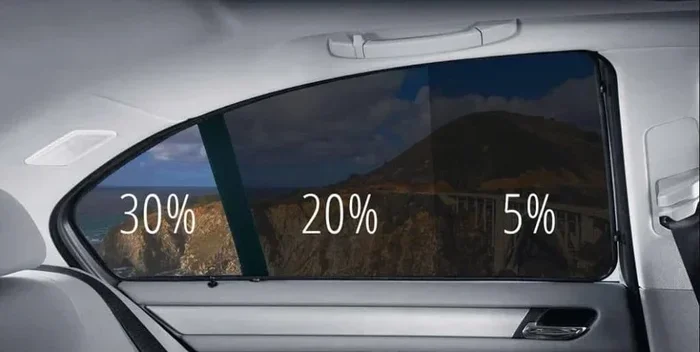
A 30 percent tint film blocks 70 percent of light. It only lets 30 percent through. Think of it like sunglasses for your car windows. The lower the number, the darker the tint. Here is a simple comparison to help you visualize different tint levels:
- 50% tint – Lets half the light through. A light, subtle look.
- 35% tint – Medium tint. Popular for a balanced style.
- 30% tint – Noticeably darker. Common for rear windows.
- 20% tint – Dark. Often used for privacy.
- 5% tint – Very dark. Known as “limo tint.”
So a 30 percent tint is on the darker side. It gives your car a stylish look. But how does it perform when the sun goes down? That is where things get interesting.
Is 30 Percent Tint Too Dark at Night?
The short answer is: it can be. But it is not always the case. Nighttime driving with 30 percent tint presents unique challenges. The amount of light reaching your eyes is already reduced. Add a dark tint, and the situation gets tighter.
How 30% Tint Affects Night Visibility
At night, your eyes rely heavily on available light. Street lamps, headlights, and moonlight all help you see. A 30 percent tint cuts down on all of that. Unlit rural roads can feel almost pitch black. Even city streets with moderate lighting may seem dimmer than usual.
Here are the main visibility challenges drivers face with 30 percent tint at night:
- Reduced depth perception – It becomes harder to judge distances.
- Slower eye adjustment – Your eyes take longer to adapt to changes in light.
- Glare from oncoming headlights – Dark tint can sometimes intensify glare.
- Difficulty reading road signs – Reflective signs become harder to see.
- Reduced color recognition – Colors appear muted or washed out.
Now, this does not mean you cannot drive safely. It means you need to be aware. Most drivers find that their eyes adjust within one to two weeks. After that, night driving with 30% tint becomes much more manageable.
Factors That Influence Night Visibility
Not everyone experiences the same level of difficulty. Several factors affect how dark 30 percent tint feels at night:
- The type of film used – Ceramic and carbon films perform better than dyed films.
- The quality of the installation – Bubbles or uneven application reduce clarity.
- Your car’s original glass tint – Some factory glass already has a slight tint.
- Weather conditions – Rain, fog, and overcast skies reduce light even more.
- Your age and eye health – Older drivers may struggle more with reduced light.
Understanding these factors helps you set realistic expectations. It also helps you choose the right film for your needs.
Legal Tint Limits and What You Need to Know
Tint laws vary by state and country. Before you panic about night visibility, check if your tint is even legal. Window tint laws are designed to balance style, privacy, and safety.
Common Legal Tint Rules in the US
Most states have specific rules about how dark your tint can be. Here is a general overview of common regulations:
- Front side windows – Many states require 70% VLT or higher.
- Rear side windows – 30% tint is often legal on rear windows.
- Rear windshield – Usually allowed with a mirror or antenna on each side.
- Front windshield – Non-reflective tint is often allowed on the top 4-6 inches only.
This means a 30 percent tint on your front windows may actually be illegal in many places. Always check your local tint regulations before installation. Getting caught with an illegal tint can result in fines and forced removal.
Why Laws Exist for Tint Darkness
Governments set tint limits for safety. Darker tints reduce visibility for the driver. They also reduce visibility for other drivers. Police officers need to see inside your vehicle during traffic stops. Safety regulations exist to protect everyone on the road.
Some states allow medical exemptions for darker tints. If you have a light sensitivity condition, you may qualify. Contact your local Department of Motor Vehicles for details.
Benefits of 30 Percent Tint That Make It Worth It
Despite the night driving challenges, 30 percent tint offers real benefits. Many drivers choose this tint level for good reasons. Let us look at why it remains so popular.
UV Protection and Heat Rejection
A quality 30 percent tint film blocks up to 99% of harmful UV rays. This protects your skin during long drives. It also protects your car’s interior from fading and cracking. UV-blocking window film extends the life of your dashboard and seats.
Heat rejection is another major benefit. A 30% tint can reduce cabin temperature by 30 to 50 degrees. This means a more comfortable ride in the summer. Your air conditioning system does not have to work as hard either.
Glare Reduction and Eye Comfort
Glare from the sun and other vehicles can cause eye strain. A good tint film reduces this glare significantly. Glare reduction is one of the top reasons drivers choose window tint. During the day, 30% tint makes driving more comfortable.
Even at night, reduced glare from headlights behind you can be helpful. The key is finding a film that balances glare reduction with light transmission.
Privacy and Security
Let us be honest. Privacy is a big reason people tint their windows. A 30% tint makes it hard for others to see inside your car. This protects your valuables from prying eyes. It also adds a layer of security if someone tries to break in.
Many drivers feel safer knowing their belongings are less visible. Whether you are parked at the mall or on a dark street, privacy tint gives you peace of mind.
Tips for Driving Safely with 30 Percent Tint at Night
If you already have 30% tint or are considering it, there are steps you can take to drive safely at night. These practical tips make a big difference.
Keep Your Windows Clean
Dirty windows make tint look even darker. Dirt and grime scatter light, reducing clarity. Clean both the inside and outside of your tinted windows regularly. Use a non-ammonia-based cleaner to protect the film. A microfiber cloth works best to avoid scratches.
Upgrade Your Headlights
Your headlights are your primary light source at night. Old, dim headlights make 30% tint feel much darker. Consider upgrading to LED or HID headlights for better road illumination. Proper headlight alignment also helps you see more of the road ahead.
Use the Right Mirror Settings
Adjust your side mirrors to reduce blind spots. This compensates for the reduced visibility from tinted windows. Auto-dimming mirrors are especially helpful. They reduce glare from vehicles behind you without you having to do anything.
Take Breaks on Long Drives
Fatigue worsens the effects of reduced visibility. If you are driving long distances at night, take regular breaks. Step out of the car and rest your eyes. This helps your eyes readjust and stay sharp.
Consider Night Driving Glasses
Some drivers benefit from anti-reflective night driving glasses. These reduce glare and improve contrast. They work especially well with tinted windows. Look for glasses with yellow or clear lenses for nighttime use.
Choosing the Right Tint Film for Night Driving
If you are still deciding on a tint, your film choice matters a lot. Not all 30% tint films are created equal. The type of film you choose affects night visibility significantly.
Ceramic vs. Carbon vs. Dyed Film
There are three main types of window tint film. Each has pros and cons for night driving:
- Ceramic film – The best option for night driving. It offers high heat rejection without reducing visibility. Ceramic film is more expensive but performs exceptionally well.
- Carbon film – A solid middle-ground choice. It does not fade over time and provides good clarity. Carbon film is slightly better than dyed film for nighttime visibility.
- Dyed film – The most affordable option. However, it reduces visibility more and can fade over time. Dyed film is not ideal for night driving.
If night driving is a priority, invest in ceramic or carbon window film. The extra cost is worth the improved visibility and comfort.
Choosing the Right VLT for Your Needs
Not sure 30% is right for you? Consider these alternatives:
- 35% tint – Slightly lighter. Better for night driving while still looking dark.
- 50% tint – Much better for night visibility. A good compromise between style and function.
- 20% tint – Darker than 30%. Only recommended for rear windows in most cases.
Think about where you drive most often. If you spend a lot of time on dark rural roads, a lighter tint might serve you better. If you mostly drive in well-lit city areas, 30% tint works fine.
Common Mistakes People Make With Dark Tint
Many drivers make avoidable mistakes with their window tint. Learning from these errors helps you get the best experience.
Ignoring Local Tint Laws
This is the number one mistake. Getting a dark tint without checking the law leads to tickets and removal. Always research legal tint limits in your area before visiting a shop.
Choosing Price Over Quality
Cheap dyed films look great at first. Within a year, they bubble, fade, and reduce visibility even more. Quality window film costs more upfront but lasts longer and performs better.
Skipping Professional Installation
DIY tint kits seem tempting. But improper installation leads to air bubbles, peeling, and uneven coverage. These imperfections reduce visibility and look terrible. Professional tint installation ensures a smooth, even finish that lasts for years.
Neglecting Window Cleaning
Dirty tinted windows reduce visibility fast. Many people forget to clean their tint properly. Use the right products and clean regularly to maintain clarity.
Expert Insights on 30 Percent Tint and Night Driving
We spoke with several automotive tint professionals to get their take on 30% tint and night driving. Here is what they had to say:
Most experts agree that 30% tint is manageable at night for the majority of drivers. The key is choosing a high-quality film and keeping your windows clean. Professionals also emphasize that proper installation makes a huge difference in how the tint performs after dark.
One tint specialist shared this insight: “Drivers who struggle most with 30% tint at night usually have other factors at play. Dirty windows, poor headlights, or pre-existing eye conditions all contribute. Address those first before blaming the tint.”
Another expert added, “If you do a lot of rural night driving, consider going with 35% or even 50% on your front windows. Your safety matters more than a certain tint percentage.”
This advice aligns with what we see in real-world driving conditions. The right tint choice depends on your driving habits, environment, and personal comfort level.
Conclusion
So, is 30 percent tint too dark at night while driving? The answer is nuanced. For most drivers, 30% tint is perfectly fine once they adjust. It does reduce nighttime visibility to some degree. But with the right film, clean windows, and proper headlights, you can drive safely.
30 percent tint offers great benefits during the day. UV protection, heat rejection, glare reduction, and privacy are all real advantages. Just be mindful of the challenges it presents at night. Know your local laws. Choose quality film. And always prioritize safety over style.
If you are still on the fence, consider a lighter tint for your front windows. Save the darker 30% tint for your rear windows and windshield. This approach gives you the best of both worlds. Style by day, safety by night. Drive confidently and enjoy the ride, no matter what time the sun goes down.
Frequently Asked Questions
Can I drive at night with 30 percent tint?
Yes, most drivers can safely drive at night with 30% tint. It may take one to two weeks for your eyes to fully adjust. High-quality ceramic or carbon films reduce the visibility impact significantly.
Is 30 percent tint legal on front windows?
This depends on your state or country. Many places require at least 70% VLT on front side windows. Always check your local window tint laws before installing tint on your front windows.
Does 30 percent tint affect GPS and phone visibility?
It can make screens harder to see in low light. However, most modern screens are bright enough to remain visible through 30% tint. Adjusting screen brightness helps with this issue.
What tint is best for night driving?
Lighter tints like 35% or 50% are generally better for night driving. They allow more light through while still providing privacy and UV protection. Ceramic films in lighter shades offer the best balance.
How long does it take to adjust to 30 percent tint at night?
Most drivers adjust within one to two weeks. During this period, drive more cautiously and keep your windows clean. After the adjustment period, night driving feels much more natural.
Can I remove 30 percent tint if it is too dark for night driving?
Yes, window tint can be professionally removed. If you find 30% tint too dark for your needs, a professional can safely strip the film and reinstall a lighter shade. This is a better option than risking safety on the road.
=== CONCLUSION ===
Is 30 percent tint too dark at night while driving? Not necessarily. With the right knowledge, quality film, and smart driving habits, 30% tint works well for most people. The key is understanding the trade-offs and making informed choices. Consider your driving environment, local laws, and personal comfort. Choose a film that balances style with safety. And remember, no tint is worth compromising your visibility on dark roads. Drive safe, drive smart, and enjoy the benefits of your 30 percent car window tint.