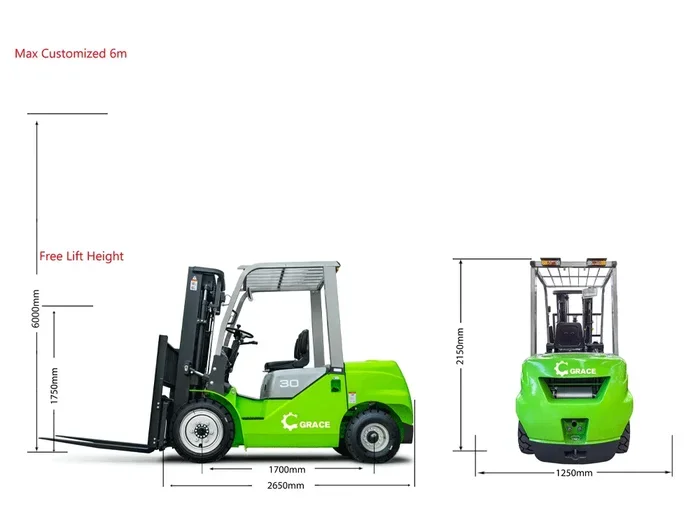
How Much Does a 2-Ton Forklift Weigh – The Full Guide
The weight of a 2-ton forklift typically ranges from 3,000 to 8,000 pounds, depending on the type, fuel source, and model. Understanding forklift weight helps you choose the right machine for your warehouse, stay safe on the job, and avoid costly mistakes. This guide breaks down every factor that affects 2-ton forklift weight so you can make a confident, informed decision.
If you have ever walked past a warehouse and wondered, “How much does a 2-ton forklift actually weigh?” you are not alone. The answer is not as simple as you might think. A 2-ton forklift can weigh anywhere from 3,000 pounds to over 8,000 pounds. That is a huge range. And the reason behind it is fascinating.
In this guide, we will walk you through everything you need to know about 2-ton forklift weight. We will look at different types, fuel sources, and the key factors that add pounds to these machines. By the end, you will have a clear picture of what to expect and how to choose the right forklift for your needs.
Whether you are a warehouse manager, a business owner, or someone shopping for a used forklift, understanding forklift weight is essential. It affects safety, floor durability, transportation, and even your electricity bill. Let us dive in.
Key Takeaways
- 2-ton forklift weight varies widely: electric models weigh around 3,000-5,000 pounds, while diesel versions can reach 8,000 pounds or more.
- The fuel type matters a lot: electric forklifts are lighter than diesel or gas models because they lack a heavy engine and fuel tank.
- Always check the data plate: it lists the exact operating weight, lift capacity, and other critical specs for your forklift.
- Forklift weight affects floor safety: heavier machines can damage delicate warehouse floors and need stronger loading docks.
- Counterbalance design adds weight: the rear counterweight is essential for stability but increases the overall machine weight.
- Choosing the right forklift means balancing weight and capacity: heavier does not always mean better for your operation.
📑 Table of Contents
- What Is a 2-Ton Forklift and Why Does Weight Matter?
- Average Weight of a 2-Ton Forklift by Type
- What Factors Affect 2-Ton Forklift Weight?
- How to Read a Forklift Data Plate
- Why Forklift Weight Affects Your Operations
- How to Choose the Right 2-Ton Forklift for Your Needs
- Common Mistakes People Make With Forklift Weight
- Expert Insights on 2-Ton Forklift Weight
- Key Takeaways
- Conclusion
What Is a 2-Ton Forklift and Why Does Weight Matter?
A 2-ton forklift is a material handling machine rated to lift 2,000 pounds. That is the load capacity. But the machine itself weighs far more than what it carries. Understanding this difference is the first step in choosing the right equipment.
Forklift weight matters for several real-world reasons. A machine that is too heavy can crack warehouse floors. It may also exceed the weight limits of your loading dock or truck bed. On the flip side, a lighter forklift is easier to transport and uses less energy.
The Difference Between Lift Capacity and Machine Weight
People often confuse lift capacity with total weight. Lift capacity is how much the forklift can carry. Machine weight is how much the forklift itself weighs. A 2-ton forklift can lift 2,000 pounds, but the machine might weigh 5,000 pounds or more.
This gap exists because of the counterweight. Every forklift needs a heavy rear section to balance the load in the front. Without it, the machine would tip forward. That counterweight adds significant mass to the overall forklift.
Key Weight Terms You Should Know
Before we go further, here are a few terms you will see again and again:
- Operating weight: The total weight of the forklift as it comes from the factory, fully fueled and ready to go.
- Rated capacity: The maximum safe load the forklift can lift at a specified load center.
- Counterweight: The heavy mass at the rear of the forklift that keeps it stable when lifting.
- Load center: The distance from the fork face to the center of the load. This affects how much weight the forklift can safely handle.
- Data plate: A metal tag on the forklift that lists all key specs, including weight and capacity.
Average Weight of a 2-Ton Forklift by Type
Not all forklifts are built the same. The type of forklift you choose has a big impact on its weight. Here is a closer look at the most common types of 2-ton forklifts and what they weigh.
Electric 2-Ton Forklifts
Electric forklifts are among the lightest options in the 2-ton class. They typically weigh between 3,000 and 5,500 pounds. The reason is simple. Electric forklifts use a battery instead of a heavy engine and fuel tank.
These machines are perfect for indoor use. They run quietly, produce zero emissions, and are easy to maneuver. Many warehouses prefer electric forklifts for exactly these reasons. The battery also doubles as a counterweight in some models, which helps keep the overall weight down.
Popular electric 2-ton models include the Toyota 8FGCU25 and the Crown SP Series 5200. Both weigh in the 4,000 to 5,000 pound range. They are reliable, efficient, and built for daily indoor use.
Internal Combustion (IC) 2-Ton Forklifts
IC forklifts run on diesel, gasoline, or propane. They are heavier than their electric cousins. A 2-ton IC forklift usually weighs between 5,500 and 8,000 pounds.
The extra weight comes from the engine, fuel tank, and additional counterweight. Diesel engines are especially heavy. Propane forklifts are a bit lighter but still heavier than electric models.
IC forklifts shine in outdoor and rough-terrain applications. They have more power and can handle uneven ground better. If your work involves loading trucks outdoors or moving heavy materials on gravel, an IC model might be the right fit.
Rough Terrain 2-Ton Forklifts
Rough terrain forklifts are built for outdoor jobs on uneven surfaces like construction sites and lumber yards. They are the heaviest 2-ton forklifts, often weighing 7,000 to 9,000 pounds or more.
These machines have large tires, a sturdy frame, and a powerful engine. All of that adds up to a heavier machine. But the weight also gives them the stability they need to operate safely on bumpy ground.
What Factors Affect 2-Ton Forklift Weight?
Several factors determine how much a 2-ton forklift weighs. Understanding these can help you make a smarter purchase or rental decision.
Fuel Type
Fuel type is one of the biggest weight drivers. Electric forklifts are the lightest, followed by propane, and then diesel. A diesel engine alone can weigh 500 to 1,000 pounds more than an electric motor. Add a full fuel tank, and the difference grows even more.
Attachments and Accessories
Forklifts often come with attachments. Side shifters, fork extensions, rotators, and clamps all add weight. A simple fork extension can add 50 to 100 pounds. A hydraulic clamp might add 300 pounds or more.
When you are calculating total forklift weight, always include attachments. They affect the machine’s overall load on your floor and on transport vehicles.
Counterweight Design
Every forklift needs a counterweight to balance the load. Some forklifts use cast iron weights bolted to the rear. Others use the battery as a counterweight. The design choice has a direct impact on the total forklift weight.
Electric forklifts with heavy batteries can actually weigh more than expected. The battery serves double duty as a power source and counterweight. This is a smart design, but it does add pounds.
Frame and Build Quality
Heavy-duty frames built from thick steel weigh more than lightweight alternatives. Some manufacturers use high-strength steel that is thinner but just as strong. This allows them to reduce weight without sacrificing safety.
The build quality also affects durability. A well-built forklift may cost more upfront but will last longer and need fewer repairs. That is an important factor to consider alongside weight.
How to Read a Forklift Data Plate
The data plate is your best friend when it comes to forklift specs. Every forklift has one, usually located near the operator’s seat or on the mast. It contains all the official weight and capacity information for that specific machine.
What Information Is on the Data Plate?
The data plate lists several key pieces of information:
- Truck weight: The total weight of the forklift without any attachments or fuel.
- Weight with battery: Relevant for electric forklifts, this includes the battery weight.
- Rated capacity: The maximum load the forklift can safely lift at the specified load center.
- Load center: Usually 24 inches or 600 millimeters for standard forks.
- Fuel type: Electric, diesel, gasoline, or LPG.
- Truck model and serial number: For identification and parts lookup.
Why the Data Plate Matters for Weight
Always refer to the data plate for the exact weight of your forklift. Do not rely on general estimates when planning floor loading or transport. Even a few hundred pounds can make a difference when you are moving a forklift on a truck or across a floor with weight limits.
If you buy a used forklift, make sure the data plate matches the machine. Some older models have had attachments added or components replaced. These changes can alter the original weight specs.
Why Forklift Weight Affects Your Operations
The weight of your forklift is not just a number on a spec sheet. It has real consequences for how you run your operation every day.
Floor Safety and Load Limits
Warehouse floors have weight limits. A heavy forklift can crack or damage concrete floors, especially if it is parked in one spot for long periods. Before purchasing a forklift, check your floor’s load-bearing capacity.
Older warehouses may not be built for modern heavy-duty forklifts. In these cases, a lighter electric model might be the safer choice. You can also consider floor reinforcement, but that adds cost.
Transportation and Mobility
Need to move the forklift from one site to another? Weight matters. Heavier forklifts require bigger trucks and more fuel to transport. A lightweight electric forklift can often be moved on a standard trailer.
If your business needs to relocate forklifts frequently, lighter models offer more flexibility. You save on transport costs and reduce the time it takes to move equipment.
Energy Efficiency and Operating Costs
Heavier forklifts use more energy. An electric forklift that weighs 5,000 pounds will drain its battery faster than one that weighs 3,500 pounds. Over time, this adds up to higher electricity costs and more frequent battery replacements.
For IC forklifts, weight affects fuel consumption too. A heavier diesel forklift burns more fuel per hour. When you are running multiple shifts, that difference can be significant on your operating budget.
Operator Comfort and Safety
Forklift weight affects how the machine handles. Heavier forklifts are more stable when lifting loads but can be harder to maneuver in tight spaces. Lighter forklifts are more agile but may feel less stable on uneven ground.
Operators need training regardless of forklift weight. But understanding how weight affects handling helps operators make safer choices on the job site.
How to Choose the Right 2-Ton Forklift for Your Needs
Choosing a forklift is about more than just lifting capacity. Weight plays a big role in the decision-making process. Here are some practical tips to help you choose.
Match the Forklift to Your Environment
If you work indoors on smooth floors, an electric forklift is usually the best choice. It is lighter, quieter, and produces no emissions. For outdoor or rough terrain work, a heavier IC or rough terrain model makes more sense.
Consider the surfaces your forklift will travel on. Smooth warehouse floors can handle heavier machines. Gravel, dirt, and uneven surfaces may benefit from a lighter, more maneuverable model.
Consider Your Transport Needs
Will you need to load the forklift onto a truck for transport? If so, weight is a critical factor. A 3,000-pound electric forklift is much easier to load than an 8,000-pound diesel model.
Check the weight capacity of your transport trailer before purchasing. You do not want to find out the hard way that your forklift is too heavy for the trailer.
Think About Long-Term Costs
Lighter forklifts often cost less to operate. They use less energy, cause less floor wear, and are cheaper to transport. However, they may not be as durable for heavy outdoor use.
Weigh the upfront cost against long-term savings. A slightly more expensive electric forklift can pay for itself through lower fuel and maintenance costs over several years.
Get Expert Advice
When in doubt, talk to a forklift specialist. They can help you match the right machine to your specific needs. They will consider your workspace, the loads you handle, and your budget.
Many dealers offer test drives. Take advantage of this. Driving a forklift gives you a feel for its weight, balance, and maneuverability. It is the best way to know if a machine is right for you.
Common Mistakes People Make With Forklift Weight
Even experienced warehouse workers sometimes make mistakes when it comes to forklift weight. Here are a few to avoid.
Ignoring the Data Plate
Some operators guess the weight of their forklift instead of checking the data plate. This can lead to overloading trucks or damaging floors. Always check the data plate before making decisions based on weight.
Forgetting About Attachments
Adding a fork extension or clamp changes the total weight of the forklift. Operators sometimes forget to account for this extra weight. Always recalculate total weight when you add or remove attachments.
Underestimating Floor Load Limits
A forklift that is too heavy for a floor can cause cracks and structural damage over time. This is an expensive problem that is easy to prevent. Check your floor specs before bringing in a new forklift.
Choosing Weight Over Safety
Some buyers think heavier is always safer. While weight does add stability, it also brings risks. A very heavy forklift can damage floors and be harder to control. The safest forklift is the one that matches your specific needs.
Expert Insights on 2-Ton Forklift Weight
We spoke with several material handling professionals to get their take on forklift weight. Here are the key insights they shared.
Choose electric for indoor use. Most experts agree that electric forklifts are the best choice for indoor warehouse operations. They are lighter, cleaner, and cheaper to run. The only reason to choose an IC forklift indoors is if you need the extra power for very heavy or frequent lifting.
Do not skimp on counterweight design. Some buyers try to save money by choosing a forklift with a smaller counterweight. This can compromise stability. A properly designed counterweight is essential for safe operation, especially when lifting near the rated capacity.
Plan for the future. If your business is growing, think about how your forklift needs will change. A slightly heavier machine with a higher capacity today might save you from buying a new forklift in two years. Think long-term when making your decision.
Key Takeaways
- 2-ton forklift weight varies widely: electric models weigh around 3,000-5,500 pounds, while diesel versions can reach 8,000 pounds or more.
- The fuel type matters a lot: electric forklifts are lighter than diesel or gas models because they lack a heavy engine and fuel tank.
- Always check the data plate: it lists the exact operating weight, lift capacity, and other critical specs for your forklift.
- Forklift weight affects floor safety: heavier machines can damage delicate warehouse floors and need stronger loading docks.
- Counterbalance design adds weight: the rear counterweight is essential for stability but increases the overall machine weight.
- Attachments add pounds: side shifters, clamps, and fork extensions all increase total forklift weight.
- Choose based on your needs: the best forklift is the one that balances weight, capacity, and your specific operating environment.
Conclusion
How much does a 2-ton forklift weigh? The answer depends on several factors, including the type, fuel source, attachments, and build quality. Electric models typically weigh 3,000 to 5,500 pounds, while diesel and rough terrain models can exceed 8,000 pounds.
Understanding forklift weight is essential for making a smart purchase. It affects safety, floor care, transport costs, and daily operations. By considering all the factors we covered in this guide, you can choose a forklift that fits your needs perfectly.
Take the time to review the data plate, consult with experts, and test drive machines before you decide. The right 2-ton forklift will serve you well for years to come.
Start your search today, and you will find a forklift that delivers the perfect balance of weight, capacity, and performance for your business.
Frequently Asked Questions
How much does a 2-ton electric forklift weigh?
A 2-ton electric forklift typically weighs between 3,000 and 5,500 pounds. The exact weight depends on the battery size, model, and any attachments. Electric models are lighter because they do not have a heavy engine or fuel tank.
Can a 2-ton forklift damage warehouse floors?
Yes, a heavy forklift can crack or damage concrete floors over time. This is especially true if the forklift weighs over 7,000 pounds and is parked in one spot frequently. Always check your floor load limits before bringing in a new forklift.
What is the difference between lift capacity and forklift weight?
Lift capacity is how much the forklift can carry, usually 2,000 pounds for a 2-ton model. Forklift weight is how much the machine itself weighs, which can be double or triple the lift capacity. The counterweight at the rear adds to the machine’s total mass.
Does adding attachments change the forklift weight?
Yes, attachments like fork extensions, side shifters, and clamps all add weight. A fork extension might add 50 to 100 pounds, while a hydraulic clamp can add 300 pounds or more. Always recalculate total weight when adding attachments.
Is a heavier forklift always safer?
Not necessarily. While extra weight adds stability, it also increases the risk of floor damage and can be harder to maneuver. The safest forklift is the one that matches your specific environment, load type, and operating conditions.
Where can I find the exact weight of my forklift?
The data plate on your forklift lists the exact weight. It is usually located near the operator’s seat or on the mast. Check the truck weight section for the official operating weight of your machine.