Are Toyota HiAce Vans Any Good Heres the Real Deal
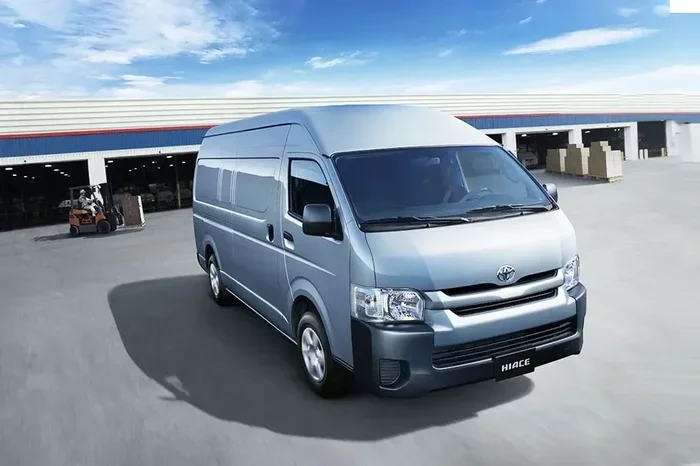
Toyota HiAce vans are widely regarded as some of the most reliable and versatile commercial vehicles on the road today. They offer strong diesel engines, generous cargo space, and excellent resale value that make them a top pick for businesses and families alike. Whether you need a workhorse cargo van or a comfortable passenger hauler, the HiAce delivers solid performance and long-term durability.
So, are Toyota HiAce vans any good? If you have been shopping around for a reliable commercial van or a spacious people carrier, you have probably come across the Toyota HiAce. It is one of the most popular vans in the world, and for good reason. This vehicle has earned a strong reputation among business owners, delivery companies, and families who need a dependable and versatile ride. In this article, we will look at everything you need to know about the Toyota HiAce. We will cover reliability, performance, cargo space, fuel economy, and real-world ownership experience. By the end, you will have a clear picture of whether this van is the right choice for you.
The Toyota HiAce has been around since 1967. Over the decades, Toyota has refined this vehicle into one of the most trusted names in the commercial van market. It competes with models like the Ford Transit, Mercedes Sprinter, and Volkswagen Crafter. But what sets the HiAce apart? It is the combination of durability, affordability, and practicality. Many owners report logging over 300,000 miles with proper maintenance. That kind of longevity is hard to beat. Whether you are a small business owner looking for a cargo van or a large family searching for a spacious people carrier, the HiAce deserves a serious look.
Key Takeaways
- Proven Reliability: Toyota HiAce vans have a strong track record of durability and low maintenance costs over many years of ownership.
- Multiple Configurations: You can choose from commuter, cargo, and luxury trims to match your specific needs and budget.
- Strong Resale Value: HiAce vans hold their value exceptionally well, making them a smart long-term investment.
- Good Fuel Economy: The diesel engines offer competitive fuel efficiency for a vehicle of this size and capability.
- Spacious Interior: With generous cargo space and flexible seating options, the HiAce works for many different use cases.
- Some Drawbacks Exist: Higher upfront costs and limited tech features in base models are worth considering before buying.
📑 Table of Contents
- What Makes Toyota HiAce Vans Stand Out
- Toyota HiAce Van Models and Configurations
- Reliability and Durability
- Cargo Space and Practicality
- Fuel Economy and Running Costs
- Common Complaints and Drawbacks
- Is a Toyota HiAce Van Right for You?
- Comparison: Toyota HiAce vs Key Competitors
- Expert Insights on Toyota HiAce Vans
- Quick Tips for Toyota HiAce Owners
- Common Mistakes to Avoid When Buying a Toyota HiAce
- Conclusion
What Makes Toyota HiAce Vans Stand Out
There are many reasons why the Toyota HiAce has remained a favorite for decades. Let us break down the key strengths that make this van a standout choice in a crowded market.
Reliability You Can Count On
When it comes to van reliability, Toyota is a name you can trust. The HiAce is built with simple, proven engineering that focuses on longevity. Unlike some competitors that rely on complex electronics and turbocharging, the HiAce keeps things straightforward. This means fewer things can go wrong over time. Many fleet operators and small business owners choose the HiAce specifically because it rarely lets them down. Regular oil changes and basic maintenance are usually all it takes to keep one running strong for hundreds of thousands of miles.
Impressive Cargo Space
The HiAce offers one of the most versatile cargo spaces in its class. Depending on the model and configuration, you can get up to 16 cubic meters of loading space. That is plenty of room for furniture deliveries, construction materials, or wholesale goods. The interior is also very flat and open, which makes it easy to load and unload heavy items. If you need a cargo van that can handle tough jobs day after day, the HiAce does not disappoint.
Strong Resale Value
One of the biggest advantages of owning a Toyota HiAce is its resale value. These vans hold their price remarkably well compared to competitors. This is because there is always strong demand for used HiAce models in the commercial and passenger markets. If you plan to keep a van for several years and then sell it, the HiAce will cost you less in depreciation than most rivals. That alone can make the higher upfront price worth it over time.
Toyota HiAce Van Models and Configurations
Toyota offers the HiAce in several different configurations to suit various needs. Let us look at the most popular options available.
HiAce Commuter
The HiAce Commuter is designed for transporting passengers. It typically seats between 12 and 16 people, depending on the trim level. This model is popular among tour companies, airport shuttle services, and large families. The interior is comfortable enough for longer trips, with reclining seats and reasonable legroom. It is not a luxury vehicle, but it gets the job done reliably and comfortably.
HiAce Cargo Van
The HiAce Cargo version is built for hauling goods. It comes with a partition between the driver cabin and the cargo area. The suspension is tuned for carrying heavy loads, and the frame is robust enough to handle tough working conditions. This is the go-to choice for delivery businesses, moving companies, and tradespeople who need a dependable work vehicle.
HiAce GL and DX Trims
The GL and DX trims offer different levels of comfort and features. The GL trim is more basic and budget-friendly, while the DX trim adds extras like power windows, better audio systems, and upgraded seating. If you are using the van for passenger transport or as a mobile office, the DX trim provides a more refined experience. Both trims share the same strong mechanical foundation, so you get Toyota reliability regardless of which one you choose.
Reliability and Durability
When people ask if Toyota HiAce vans are any good, reliability is usually at the top of the list. And the answer is a strong yes. Toyota has built its entire brand on producing vehicles that last, and the HiAce is no exception.
Engine Performance
The HiAce typically comes with a diesel engine that delivers solid torque and fuel efficiency. The most common engine options are 2.5-liter and 3.0-liter turbodiesel units. These engines are known for being tough and long-lasting. They are not the most powerful in the class, but they provide more than enough grunt for most working applications. The 3.0-liter engine, in particular, handles heavy loads with ease and still delivers respectable fuel economy.
Long-Term Ownership Experience
Owners who have kept their HiAce vans for 10 years or more consistently report positive experiences. The main maintenance items include regular oil changes, brake pad replacements, and occasional suspension work. These are all routine and affordable fixes. Unlike some European vans that require expensive specialist parts and labor, the HiAce uses widely available components that keep repair costs low. This makes long-term ownership very affordable, even for high-mileage users.
Cargo Space and Practicality
The HiAce truly shines when it comes to practicality. The interior dimensions are generous across the board, and Toyota has designed the van with real-world usability in mind.
The cargo area length varies by model, ranging from about 2.3 meters to over 4 meters. This gives you plenty of flexibility depending on what you need to carry. The floor is flat, which makes loading pallets and large items much easier. The rear doors open wide, providing excellent access from both sides. Some models also feature a side sliding door, which is very convenient in tight parking spaces or loading docks.
For those who need a passenger van, the HiAce offers comfortable seating with multiple row configurations. The second and third rows can be folded flat to create additional cargo space when needed. This versatility is one of the strongest selling points of the vehicle. You can switch between carrying people and carrying goods depending on the day.
Fuel Economy and Running Costs
Operating costs are a major factor when choosing a commercial van, and the HiAce does well in this area. The diesel engines are tuned for efficiency, delivering an average of 8 to 12 kilometers per liter depending on driving conditions and load. This is competitive for a vehicle of this size and class.
Maintenance costs are also reasonable. Toyota parts are widely available and affordable in most markets. The simple design of the engine and drivetrain means fewer expensive repairs compared to more complex competitors. Insurance costs tend to be moderate as well, since the HiAce is a common and well-understood vehicle in the commercial market.
If you are running a small delivery business or using the van daily for work, the running costs of a HiAce will be easy on your budget. The combination of good fuel economy and low maintenance needs means you keep more money in your pocket over the long haul.
Common Complaints and Drawbacks
No vehicle is perfect, and the Toyota HiAce has its share of criticisms. It is important to be aware of these before making a purchase decision.
The first common complaint is the ride comfort. The HiAce is a work vehicle first and a comfort vehicle second. The suspension can feel firm and harsh, especially when fully loaded. On long passenger trips, this can become tiring for riders. If you are considering the HiAce as a family van for road trips, keep this in mind.
The second issue is the technology and features. Base models come with very basic interiors and limited modern tech. You may not find advanced infotainment systems, driver assistance features, or premium materials in lower trims. If you want a van with modern connectivity and comfort features, you will need to step up to a higher trim level or add aftermarket upgrades.
The third drawback is the engine refinement. While the diesel engines are reliable, they can be noisy at idle and under heavy load. This is common in commercial vans, but it is worth noting if you plan on spending a lot of time inside the cab. The NVH levels (noise, vibration, and harshness) are higher than you would find in a passenger car or even some luxury vans.
Is a Toyota HiAce Van Right for You?
The Toyota HiAce is an excellent choice for many different users. If you run a small business that needs a dependable delivery van, the HiAce is hard to beat. If you need to transport a large group of people regularly, the commuter model works well. Even if you are a tradesperson who needs a rugged and spacious vehicle, the HiAce delivers where it counts.
However, if you prioritize ride comfort, modern technology, and a premium driving experience, you might want to look at competitors like the Mercedes Sprinter or the Volkswagen Crafter. These vans offer more refined interiors and advanced features, though they typically come with a higher price tag and potentially higher maintenance costs.
Ultimately, the decision comes down to your needs and budget. If you value reliability, low running costs, and long-term durability above all else, the Toyota HiAce should be at the top of your list. It is a vehicle that has earned its reputation through decades of real-world performance across the globe.
Before you buy, we recommend test-driving the specific model you are considering. Pay attention to how it handles, how comfortable the seating is, and whether the cargo space meets your requirements. Talk to current HiAce owners in your area and ask about their experiences. The more research you do, the more confident you will feel in your decision.
Comparison: Toyota HiAce vs Key Competitors
| Feature | Toyota HiAce | Ford Transit | Mercedes Sprinter |
|---|---|---|---|
| Starting Price (approx) | Moderate | Moderate to High | High |
| Engine Options | 2.5L and 3.0L Diesel | 2.0L Diesel, 3.5L Petrol | 2.0L to 3.0L Diesel |
| Cargo Space | Up to 16 cu m | Up to 15 cu m | Up to 17 cu m |
| Seating Capacity | Up to 16 | Up to 15 | Up to 16 |
| Fuel Economy | 8-12 km/L | 7-10 km/L | 7-11 km/L |
| Resale Value | Excellent | Good | Good |
| Maintenance Cost | Low | Moderate | Moderate to High |
| Reliability Rating | Excellent | Good | Good |
As you can see from the comparison, the Toyota HiAce holds its own very well against some of the biggest names in the van market. It may not have the flashiest features or the most powerful engine options, but it delivers where it matters most: reliability, practicality, and long-term value.
Expert Insights on Toyota HiAce Vans
Industry experts consistently rate the HiAce as one of the best commercial vans available. Fleet managers praise its low total cost of ownership and minimal downtime. Automotive journalists highlight its proven engineering and global availability. Many van reviewers note that the HiAce is particularly well-suited for high-mileage commercial use where downtime and repair costs can eat into profits.
One expert from a leading automotive publication noted, “The Toyota HiAce may not be the most exciting van on the market, but it is arguably the most sensible. It does not try to be flashy, and that is exactly why it works so well for so many people.” This sentiment is echoed by thousands of satisfied HiAce owners around the world.
Quick Tips for Toyota HiAce Owners
- Stick to regular maintenance schedules. Oil changes and filter replacements are the simplest ways to ensure a long engine life.
- Invest in quality tires. The HiAce carries heavy loads, so durable tires will improve safety and fuel economy.
- Consider aftermarket upgrades. If you want better infotainment or comfort features, there are many affordable options available.
- Check the diesel particulate filter regularly. This is especially important if you do mostly short trips around town.
- Keep records of all service and repairs. This documentation will help maintain resale value and make future troubleshooting easier.
Common Mistakes to Avoid When Buying a Toyota HiAce
One common mistake is buying the base trim without considering your actual needs. While the GL model is affordable, you may find that the DX or a higher-spec version better suits your daily use. Another mistake is ignoring the service history when buying a used HiAce. Always ask for complete maintenance records and have a trusted mechanic inspect the vehicle before purchase.
Some buyers also overlook the importance of warranty coverage. Even though the HiAce is known for reliability, having a solid warranty can save you significant money if something does go wrong. Check what warranty comes with the vehicle and consider extending it if the van will be used for heavy-duty purposes.
Finally, do not underestimate the value of test driving multiple models back to back. The HiAce handles differently than its competitors, and you will not know if it feels right for you until you sit behind the wheel and drive it in conditions similar to your daily use.
Conclusion
So, are Toyota HiAce vans any good? The answer is a resounding yes. The Toyota HiAce is a proven, reliable, and practical commercial van that has earned the trust of millions of users worldwide. It offers strong diesel engines, generous cargo space, excellent fuel economy, and outstanding resale value. While it may not have the flashiest tech or the most luxurious interior, it more than makes up for it with durability and real-world capability.
If you are looking for a van that will serve you faithfully for many years without breaking the bank on repairs and maintenance, the HiAce is one of the best choices you can make. It is a vehicle that simply works, day in and day out, no matter what you throw at it. Whether for business or personal use, the Toyota HiAce continues to prove that sometimes the best vehicle is the one that just keeps going.
Take the time to research the specific model and trim that fits your needs. Visit dealers, test drive the van, and talk to current owners. When you find the right HiAce for your situation, you will understand why this vehicle has remained a global favorite for over five decades. The real deal is clear: the Toyota HiAce is a van you can count on.
Frequently Asked Questions
How long does a Toyota HiAce van typically last?
With proper maintenance, a Toyota HiAce van can easily last 300,000 miles or more. Many owners report logging over 500,000 kilometers before major issues arise. The simple and robust engineering of the HiAce contributes significantly to this impressive longevity.
What is the fuel economy of a Toyota HiAce van?
The HiAce typically delivers between 8 and 12 kilometers per liter, depending on the engine size, load, and driving conditions. The diesel engines are optimized for efficiency, making the HiAce a cost-effective choice for high-mileage commercial use.
Is the Toyota HiAce van good for families?
Yes, the HiAce Commuter model can seat up to 16 passengers and offers a comfortable interior for family trips. However, the ride can feel firm compared to dedicated family SUVs, so test driving is recommended if comfort is a top priority for your household.
How much does a Toyota HiAce van cost?
The price varies by model, trim, and market. New HiAce vans typically range from moderate to upper-moderate pricing compared to competitors. Used models offer excellent value because of the van’s strong resale value and widespread availability.
What engine does the Toyota HiAce van use?
The most common engine options are a 2.5-liter and a 3.0-liter turbodiesel. These engines are known for their durability and strong torque output, making them well-suited for both cargo and passenger applications.
Are Toyota HiAce vans expensive to maintain?
No, the HiAce is actually one of the more affordable vans to maintain. Parts are widely available and reasonably priced, and the simple mechanical design means fewer expensive repairs. Regular basic maintenance keeps running costs low over the long term.