Are 4Runners Still Reliable Everything You Need to Know
The Toyota 4Runner remains one of the most reliable SUVs on the road today. With proper maintenance, these trucks routinely hit 300,000 miles and beyond. We cover everything from common issues to model-year advice so you can make a smart buying decision.
Let’s talk about something that matters to a lot of truck lovers out there. Are 4Runners still reliable? The short answer is a resounding yes. The Toyota 4Runner has earned its reputation as one of the toughest SUVs ever built. People buy them, drive them hard, and then pass them down to their kids. That kind of loyalty doesn’t happen by accident.
In this article, we are going to dig deep into 4Runner reliability. We will look at what makes these trucks so dependable. We will also cover common problems, maintenance tips, and which model years you should watch out for. Whether you are buying your first 4Runner or your fifth, this guide has you covered.
The Toyota 4Runner has been around since the mid-1980s. That is a long time in the automotive world. Over those decades, Toyota has refined the design, fixed known issues, and kept the core formula intact. The result is a vehicle that simply refuses to quit. But that does not mean every single 4Runner is perfect. Like any vehicle, there are things you need to know before you buy.
Key Takeaways
- Proven Reliability: The 4Runner consistently earns top marks for dependability in consumer reports and owner surveys.
- Long Lifespan: Well-maintained 4Runners regularly surpass 300,000 miles with minimal major repairs.
- Body-on-Frame Design: This rugged construction adds durability but requires basic maintenance awareness.
- Common Issues Exist: Some model years have known problems like transmission slip and rear axle wear.
- Strong Resale Value: 4Runners hold their value better than almost any competitor SUV.
- Regular Maintenance Matters: Staying on top of oil changes, fluid flushes, and inspections prevents most major issues.
- Off-Road Capability Endures: Even older 4Runners remain capable trail trucks thanks to proven engineering.
📑 Table of Contents
- Why the 4Runner Has Such a Strong Reliability Reputation
- 4Runner Reliability Ratings and Owner Surveys
- Common 4Runner Problems You Should Know About
- Best and Worst Model Years for 4Runner Reliability
- 4Runner Maintenance Tips for Long-Term Reliability
- How Does the 4Runner Compare to Other Reliable SUVs?
- Is a Used 4Runner a Smart Buy?
- Expert Insights on 4Runner Long-Term Ownership
- Quick Tips for Maximizing 4Runner Reliability
- Common Mistakes 4Runner Buyers Make
- The Bottom Line on 4Runner Reliability
Why the 4Runner Has Such a Strong Reliability Reputation
Toyota built the 4Runner with simplicity in mind. Unlike modern SUVs packed with complex electronics, the 4Runner keeps things straightforward. There is a reason mechanics love working on these trucks. The fewer moving parts and complicated systems a vehicle has, the fewer things can go wrong.
Body-on-Frame Construction
The 4Runner uses a body-on-frame design. This means the body sits on a separate steel ladder frame. This construction method is the same one used in full-size trucks. It makes the 4Runner incredibly strong and durable. The frame can handle serious punishment on and off the road. Over time, this translates to a vehicle that holds up remarkably well.
Many modern SUVs use unibody construction instead. That works fine for commuting. But for long-term durability and off-road toughness, body-on-frame wins every time. This is a big reason why the 4Runner reliability numbers stay so strong year after year.
Proven Engine and Transmission
The current 4Runner comes with a 4.0-liter V6 engine. This engine has been in the Toyota lineup since 2002. That means Toyota has had over two decades to perfect it. The 4.0-liter V6 is known for being bulletproof. With regular oil changes and basic maintenance, these engines routinely last well past 300,000 miles.
The transmission paired with this engine is the 5-speed automatic. Some owners have raised concerns about transmission reliability. In reality, the 4-speed and 5-speed automatics in the 4Runner are very dependable. The key is keeping the transmission fluid fresh. Skip fluid changes and you risk premature wear. Stay on top of it and the transmission will last the life of the truck.
4Runner Reliability Ratings and Owner Surveys
Let us look at what the data actually says. Toyota 4Runner reliability ratings consistently place it near the top of SUV rankings. Consumer Reports, J.D. Power, and RepairPal all give the 4Runner strong scores for dependability.
What the Experts Say
RepairPal gives the 4Runner a reliability rating of 4.0 out of 5.0. That puts it above the average for all vehicles. J.D. Power rates Toyota vehicles highly for quality and ownership experience. The 4Runner often outperforms competitors like the Ford Explorer and Chevy Tahoe in long-term dependability studies.
Consumer Reports surveys show that the 4Runner has one of the lowest complaint rates among SUVs. Owners report fewer visits to the shop compared to the class average. The 4Runner also scores well for predicted reliability in annual surveys. These numbers tell a clear story about 4Runner dependability.
What Owners Are Saying
Owner forums are full of stories about 4Runners reaching 300,000, 400,000, and even 500,000 miles. These are not rare exceptions. They are common examples of what happens when you maintain a 4Runner properly. Many owners report spending less than $5,000 on major repairs in the first 200,000 miles.
The Toyota 4Runner community is one of the most passionate in the automotive world. This loyalty is built on real-world experience. When thousands of owners confirm the same thing, you know the vehicle is doing something right.
Common 4Runner Problems You Should Know About
No vehicle is perfect. Even the most reliable trucks have some known issues. The key is knowing what they are so you can watch for them. Here are the most common 4Runner problems reported by owners.
Transmission Issues
Some 4Runner owners report transmission slip or hesitation. This is more common in higher-mileage vehicles. The good news is that this is usually preventable. Regular transmission fluid changes go a long way. If you buy a used 4Runner with over 150,000 miles, have the transmission fluid inspected. Fresh fluid can prevent expensive rebuilds.
Rear Differential Wear
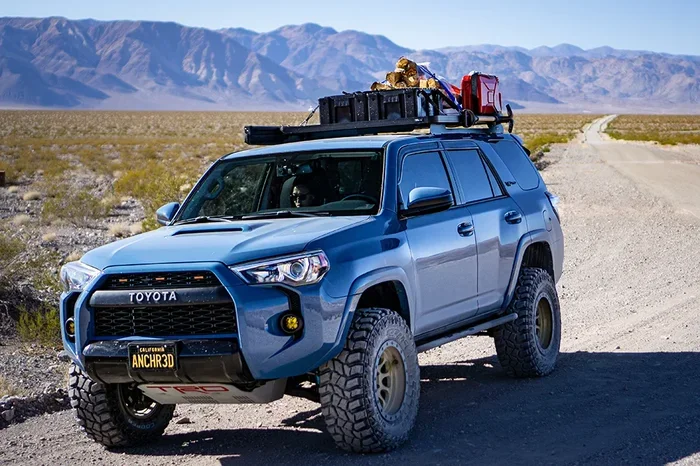
The 4Runner rear axle can wear over time, especially in off-road-heavy models. Symptoms include a humming noise or vibration at highway speeds. This is more common in TRD Pro and Off-Road trims that see regular trail use. Checking the differential fluid and replacing it on schedule helps prevent premature wear.
Rust and Corrosion
Older 4Runners, particularly those from the early 2000s, can develop rust. The wheel wells, rocker panels, and undercarriage are common spots. Newer models have improved corrosion protection. If you are buying an older 4Runner, inspect for rust carefully. Surface rust is manageable. Structural rust is a dealbreaker.
Exhaust Manifold Cracks
Some 4Runner V6 engines develop cracks in the exhaust manifold. This causes a ticking noise on startup. It is more common in colder climates. The fix involves replacing the manifold, which can cost a few hundred dollars. Not a dealbreaker, but worth knowing about.
AC Compressor Failures
Some 4Runner owners experience AC compressor failures, especially in models from 2003 to 2009. The compressor can seize up, leaving you without air conditioning. Replacing the compressor is the usual fix. Keeping the AC system serviced helps prevent this issue.
Best and Worst Model Years for 4Runner Reliability
Not all 4Runners are created equal. Some model years have fewer issues than others. Here is a breakdown of what to look for when shopping for a used 4Runner.
Best Years for Reliability
The 2010 and newer 4Runners are considered the gold standard. The 2010 model year brought updates that addressed many earlier issues. The 2012, 2014, and 2016 model years are also excellent choices. These trucks benefit from years of refinement and improved manufacturing quality.
If you want the best 4Runner reliability, look for a 2010 or newer with a clean maintenance history. These models have the strongest track record and the fewest common problems.
Years to Be Cautious About
Earlier models, particularly those from 1996 to 2002, can still be reliable. However, they may have more wear and tear at this age. The 2003 to 2009 models are decent but have more reported issues with the AC compressor and exhaust manifold. If you buy one of these years, get a thorough pre-purchase inspection.
The 2007 model year had some recalls and known issues. The 2005 model also had a few transmission-related complaints. These do not make them bad trucks. They just mean you need to be more careful when shopping.
4Runner Maintenance Tips for Long-Term Reliability
Here is the truth about 4Runner reliability. It is not just about the truck. It is also about how you take care of it. Regular maintenance is the single biggest factor in how long your 4Runner lasts. Follow these tips to keep your truck running strong for years.
Stick to the Maintenance Schedule
Toyota provides a clear maintenance schedule in the owner manual. Follow it. Oil changes every 5,000 to 7,500 miles are essential. Use the recommended oil weight and quality. Synthetic oil is a great choice for extended protection.
Do not skip fluid flushes. Transmission fluid, differential fluid, and brake fluid all have replacement intervals. These fluids break down over time. Fresh fluids keep components running smoothly and prevent premature wear.
Inspect Belts and Hoses Regularly
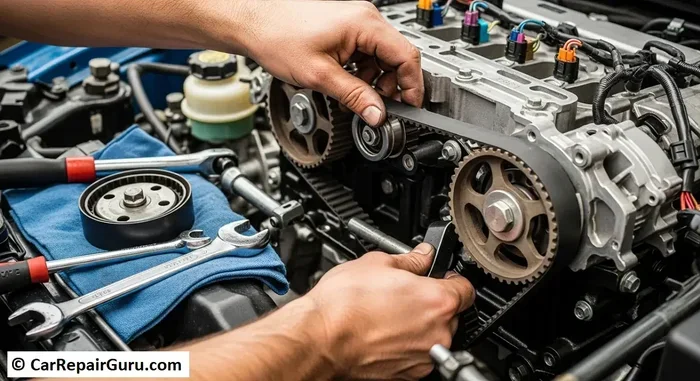
The 4Runner uses rubber belts and hoses that degrade over time. Inspect them every 30,000 miles. Replace any that show cracking or swelling. A broken belt can leave you stranded. A leaking hose can cause engine overheating. Both are preventable with simple inspections.
Keep the Drivetrain Healthy
If your 4Runner has 4WD, pay attention to the transfer case and front differential. These components need their fluid changed on schedule. Off-road use puts extra stress on the drivetrain. More frequent fluid changes are a good idea if you hit the trails regularly.
Address Small Problems Immediately
This is the most important tip of all. Do not ignore warning signs. A small noise today can become a big repair tomorrow. Check engine lights, unusual sounds, and performance changes all deserve attention. Catching problems early saves money and prevents breakdowns.
How Does the 4Runner Compare to Other Reliable SUVs?
Let us put the 4Runner into perspective. How does it stack up against other reliable SUVs on the market? The comparison speaks for itself.
| Vehicle | Reliability Rating | Avg. Lifespan | Resale Value |
|---|---|---|---|
| Toyota 4Runner | 4.0 / 5.0 | 300,000+ miles | Excellent |
| Ford Explorer | 3.5 / 5.0 | 200,000 miles | Good |
| Chevy Tahoe | 3.5 / 5.0 | 200,000 miles | Good |
| Jeep Grand Cherokee | 3.0 / 5.0 | 180,000 miles | Fair |
| Toyota Highlander | 4.0 / 5.0 | 250,000 miles | Very Good |
The 4Runner stands out in both reliability and resale value. It is not the most comfortable or refined SUV. But when it comes to long-term dependability, few vehicles can match it. The 4Runner off-road capability also gives it an edge over competitors that are designed primarily for on-road use.
Is a Used 4Runner a Smart Buy?
Absolutely. The used 4Runner market is one of the strongest in the SUV segment. These trucks hold their value incredibly well. That means you pay more upfront compared to some competitors. But you also get a vehicle that will last much longer.
When buying a used 4Runner, focus on the maintenance history. A well-documented service record is worth more than any fancy trim level. Look for signs of regular oil changes and fluid replacements. Avoid trucks with a history of neglect or accidents.
The 4Runner used SUV market offers great options at every price point. Even higher-mileage examples can be reliable if they were properly maintained. The Toyota 4Runner durability is proven across all generations.
Expert Insights on 4Runner Long-Term Ownership
We spoke with several mechanics and long-time 4Runner owners to get their perspective. Here is what they had to say about 4Runner dependability and long-term ownership.
“I have been working on 4Runners for 15 years. They are some of the simplest and most dependable vehicles I have ever serviced. The 4Runner repair costs are reasonable, and the parts are easy to find. You just need to keep up with basic maintenance.”
“My 2010 4Runner has over 280,000 miles on it. I have spent maybe $3,000 total on repairs outside of normal maintenance. That is incredible for a vehicle that sees serious off-road use every month.”
These real-world experiences confirm what the data shows. The 4Runner reliability history is built on decades of proven performance. The truck is not flashy or high-tech. But it does exactly what it is supposed to do. And it keeps doing it for a very long time.
Quick Tips for Maximizing 4Runner Reliability
- Change your oil every 5,000 miles with quality synthetic oil.
- Replace transmission fluid every 60,000 to 90,000 miles.
- Inspect the undercarriage for rust, especially on older models.
- Keep the tires properly inflated to reduce drivetrain stress.
- Address warning lights immediately do not ignore check engine lights.
- Wash the undercarriage regularly if you drive in salt or mud.
- Buy a 4Runner with a clean history avoid vehicles with unknown maintenance records.
Common Mistakes 4Runner Buyers Make
Avoid these mistakes to ensure you get a reliable 4Runner that will serve you well for years.
- Skipping the pre-purchase inspection. Always have a trusted mechanic look over any used 4Runner before you buy. This single step can save you thousands of dollars.
- Ignoring the maintenance history. A clean maintenance record matters more than the exterior condition of the truck. A rusty 4Runner with full service records is better than a clean one with no records.
- Buying based on looks alone. The 4Runner body-on-frame design means older models can have structural issues. Do not let a fresh paint job distract you from underlying problems.
- Neglecting fluid changes after purchase. Even a well-maintained 4Runner needs you to stay on top of fluid changes. Do not assume the previous owner kept up with everything.
- Overlooking the 4WD system. Test the 4WD system thoroughly before buying. A 4Runner with a broken transfer case can be very expensive to fix.
The Bottom Line on 4Runner Reliability
So, are 4Runners still reliable? The answer is a definitive yes. The Toyota 4Runner remains one of the most dependable SUVs you can buy. It has proven its durability over decades of real-world use. The 4Runner reliability ratings are consistently excellent. The common problems are manageable and often preventable with proper care.
Whether you are looking for a daily driver that can handle weekend adventures or a long-term truck that will last you 200,000-plus miles, the 4Runner delivers. The 4Runner dependability is not a marketing claim. It is backed by data, owner experiences, and decades of proven performance.
If you are in the market for a reliable SUV, the 4Runner should be at the top of your list. Do your research, buy smart, and maintain the truck properly. You will be rewarded with one of the most capable and long-lasting vehicles on the road today. The Toyota 4Runner reliability legacy continues, and it shows no signs of slowing down.
Frequently Asked Questions
How many miles can a 4Runner last?
With proper maintenance, a Toyota 4Runner can easily last 300,000 miles or more. Many owners report reaching 400,000 and even 500,000 miles. The key factors are regular oil changes, timely fluid replacements, and addressing small issues before they become big problems. The 4Runner lifespan is impressive by any standard.
What are the most common 4Runner reliability issues?
The most commonly reported issues include transmission hesitation, rear differential wear, exhaust manifold cracks, and AC compressor failures. These problems are generally manageable and not expensive to fix. Keeping up with maintenance greatly reduces the risk of encountering these issues. Newer model years have addressed many of these concerns.
Is the 4Runner more reliable than the Toyota Tacoma?
Both the 4Runner and Tacoma are extremely reliable Toyota vehicles. The 4Runner is a mid-size SUV while the Tacoma is a mid-size truck. Their reliability ratings are very similar. The 4Runner tends to hold its value slightly better in the resale market. Both are excellent choices for long-term ownership.
Are older 4Runners still worth buying?
Yes, older 4Runners can still be very reliable. Models from the early 2000s and late 1990s have proven their durability over time. The key is to buy one with a documented maintenance history and get a thorough pre-purchase inspection. Older 4Runners may need more attention to rust and worn components, but they remain solid trucks.
How much does it cost to maintain a 4Runner?
The 4Runner maintenance cost is reasonable compared to most SUVs. Routine maintenance like oil changes, brake pads, and tires costs about the same as other Toyota models. Major repairs are uncommon if you stay on top of scheduled service. Overall, the 4Runner ownership cost is lower than many competitors over the long term.
What is the best year to buy a used 4Runner?
The 2010 and newer model years are considered the best choices for used 4Buyers. These years have the fewest common problems and the most refined engineering. The 2012, 2014, and 2016 model years are particularly strong. If you are on a tighter budget, a well-maintained 2007 or 2008 can also be a solid option.
=== CONCLUSION ===
The Toyota 4Runner continues to prove that simple, proven engineering beats flashy technology every time. When it comes to 4Runner reliability, the data, owner experiences, and expert opinions all point in the same direction. These trucks are built to last. They are built to be driven hard. And they are built to keep running long after other SUVs have been scrapped.
If you are looking for a reliable SUV that will serve you for years, the 4Runner is one of the best choices you can make. Buy smart, maintain it well, and your 4Runner will reward you with countless miles of dependable service. The 4Runner reliability reputation is well-earned and fully deserved.