Do Honda Civics Hold Their Value After Years of Ownership
Do Honda Civics hold their value? Yes, and better than most sedans on the road. Honda Civics consistently rank among the top vehicles for long-term retained value thanks to their legendary reliability, low maintenance costs, and strong demand in the used car market. Whether you own a first-generation or the latest model, this compact car proves that smart buying decisions pay off for years.
Have you ever wondered why Honda Civics seem to stick around forever? You see them on the road decade after decade, looking just as sharp as the day they rolled off the lot. It is not an accident. The Honda Civic has built a reputation as one of the most reliable compact cars ever made, and that reputation translates directly into resale value.
If you are thinking about buying a Civic or already own one, you probably want to know the truth about how much value this car retains over time. Does it hold up as well as people claim? The short answer is yes. The longer answer is even more interesting. Let us break it all down so you can make a confident decision about your next car.
In this guide, we will look at real numbers, compare the Civic to other popular sedans, and share practical tips to maximize your car’s long-term value. Whether you are a first-time buyer or a seasoned Honda fan, you will find useful insights here.
Key Takeaways
- Strong Resale Performance: Honda Civics lose value slower than most competing sedans, keeping more money in your pocket.
- Reliability Drives Demand: The Civic’s reputation for lasting well over 200,000 miles keeps used models in high demand.
- Low Ownership Costs: Affordable maintenance and excellent fuel economy make the Civic a cost-effective choice long-term.
- Trim Level Matters: Higher trims like the Si and Type R tend to hold value even better than base models.
- Market Trends Favor Civic Owners: The used Honda Civic resale market remains strong, making it easy to sell or trade in.
- Generational Consistency: Older and newer Civics alike maintain solid market value across different eras.
📑 Table of Contents
- Understanding Honda Civic Depreciation
- How Honda Civics Compare to Other Compact Sedans
- Why Honda Civics Hold Their Value So Well
- Honda Civic Generations and Their Value Retention
- Tips to Maximize Your Honda Civic’s Value
- Common Mistakes That Hurt Honda Civic Value
- Expert Insights on Honda Civic Value
- Is a Honda Civic Worth It for Value-Conscious Buyers?
- Final Thoughts
Understanding Honda Civic Depreciation
Every car loses value over time. This is called depreciation, and it is something every car owner has to accept. But not all cars depreciate at the same rate. The Honda Civic is known for depreciating much slower than the average sedan, which is great news for anyone who cares about retained value.
On average, a new car loses about 20% of its value in the first year and roughly 15% each year after that. The Honda Civic typically follows a gentler curve. Many owners report losing only about 30% to 40% of the original value after five years of ownership. That is significantly better than most competitors in the compact sedan segment.
What Affects Honda Civic Depreciation?
Several factors influence how quickly a Civic loses value. Understanding these can help you make smarter buying and ownership decisions.
- Model Year: Newer generations tend to hold value better because they come with updated technology and features.
- Trim Level: Higher trims like the Sport, EX, and Touring versions often retain more value than base LX models.
- Mileage: Lower mileage always helps. A Civic with under 50,000 miles will fetch a much better price than one with 100,000+ miles.
- Condition: Clean, well-maintained cars with no accidents command higher prices in the used car market.
- Location: Demand varies by region. Civics tend to hold value especially well in areas where fuel economy matters.
How Honda Civics Compare to Other Compact Sedans
To really understand the Civic’s resale value, you need to see how it stacks up against the competition. Let us compare it to some of the most popular compact sedans on the market.
| Vehicle | 5-Year Depreciation | Avg. Used Price (5 Yr Old) | Reliability Rating |
|---|---|---|---|
| Honda Civic | ~35-40% | $14,000 – $18,000 | Excellent |
| Toyota Corolla | ~35-42% | $13,000 – $17,000 | Excellent |
| Mazda3 | ~40-45% | $12,000 – $16,000 | Very Good |
| Hyundai Elantra | ~45-50% | $10,000 – $14,000 | Good |
| Ford Focus | ~50-55% | $8,000 – $12,000 | Average |
As you can see, the Honda Civic sits near the top of the pack. It competes closely with the Toyota Corolla, which is its biggest rival in the reliable compact sedan category. Both cars share a reputation for lasting a long time with minimal issues. But the Civic often edges ahead in terms of driving dynamics and consumer appeal, which helps boost its market value over time.
The Mazda3 is a strong contender with its sporty handling, but it tends to depreciate a bit faster. The Hyundai Elantra offers great value new but loses value more quickly in the used market. The Ford Focus, once popular, has seen a steep decline in both demand and retained value in recent years.
Why Honda Civics Hold Their Value So Well
The Civic’s impressive resale performance does not happen by accident. Several key reasons explain why this car continues to be a smart investment year after year.
Legendary Reliability
This is the big one. Honda has built its entire brand around building cars that last. The Civic has been around since 1972, and over the decades, it has earned a reputation for durability that few cars can match. When you buy a used Honda Civic, buyers know they are getting a vehicle that can easily reach 200,000 miles or more with proper care.
Consumer Reports and J.D. Power consistently give Honda Civics high reliability scores. This trust translates directly into stronger demand for used models, which keeps prices higher compared to less reliable competitors.
Low Cost of Ownership
Owning a car is not just about the purchase price. You also need to factor in maintenance, repairs, insurance, and fuel costs. The Honda Civic excels in all of these areas, which makes it attractive to used car buyers.
- Maintenance Costs: Honda Civics have affordable parts and widespread service availability. Routine maintenance like oil changes, brake pads, and tire rotations cost less than many competitors.
- Fuel Economy: Most Civics deliver 30 to 40 mpg combined, depending on the engine and trim. This saves owners thousands of dollars at the pump over the years.
- Insurance Rates: Because Civics are not expensive to repair and have strong safety ratings, insurance premiums tend to be reasonable.
All of these factors make the Civic a cost-effective choice for buyers shopping the used car market. Lower total ownership costs mean higher demand, and higher demand means better resale value.
Strong Consumer Demand
The Honda Civic has one of the most loyal fan bases in the automotive world. People love this car for many reasons, from its sporty handling to its practical design. This strong demand creates a healthy used Honda Civic market where sellers can expect fair prices.
When a car has high demand, it sells faster and at better prices. The Civic consistently ranks among the top 10 most sold cars in the United States, and this popularity extends to the used market as well. Buyers trust the Civic name, and that trust keeps values strong.
Honda Civic Generations and Their Value Retention
The Honda Civic has gone through many generations since its debut. Each generation brings updates to design, technology, and performance. But how do different generations compare when it comes to holding value?
Older Generations (1996-2011)
Older Civics from the late 1990s through the early 2010s remain popular in the used market. Models like the 2001-2005 Civic are still commonly seen on roads today. These cars are known for their simplicity, ease of repair, and strong mechanical durability. Many enthusiasts still seek out older Civics for their clean driving dynamics and affordable maintenance costs.
One interesting trend is that certain older Civics, especially the Si trims, have actually appreciated in value over time. The 2006-2011 Civic Si is now considered a classic among enthusiasts, and prices for clean examples have risen steadily. This is a rare and impressive feat for a mass-market car.
Modern Generations (2012-Present)
The current generation of Honda Civics, which launched in 2012 and saw a major refresh in 2016, continues the tradition of strong value retention. The 2016-2021 Civics are particularly well-regarded for their refined interiors, improved fuel economy, and available turbocharged engines.
Buyers looking at used Honda Civics from this era can expect solid prices and strong demand. The 2018 and newer models, with their updated styling and technology features, are especially desirable in the used market.
Tips to Maximize Your Honda Civic’s Value
Want to get the most money back when it is time to sell or trade in your Civic? Follow these practical tips to keep your car’s market value as high as possible.
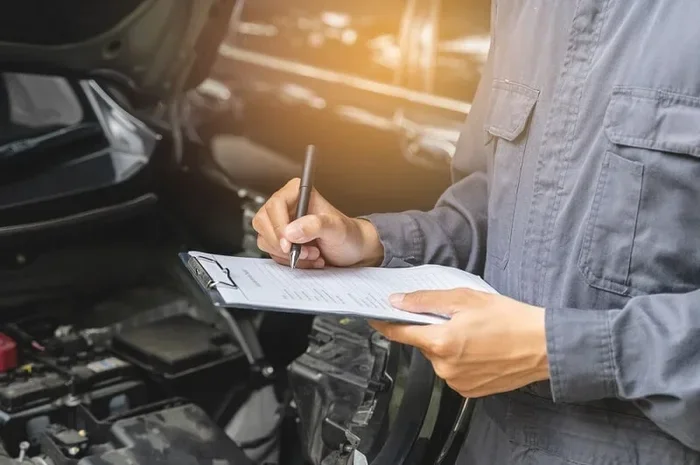
- Keep Up with Maintenance: Follow the recommended service schedule. Change the oil regularly, rotate tires, and address any issues promptly. A full service history makes a huge difference when selling.
- Keep Mileage Low: The lower the mileage, the better the value. If you can keep annual mileage under 10,000 miles, your Civic will be more desirable to used car buyers.
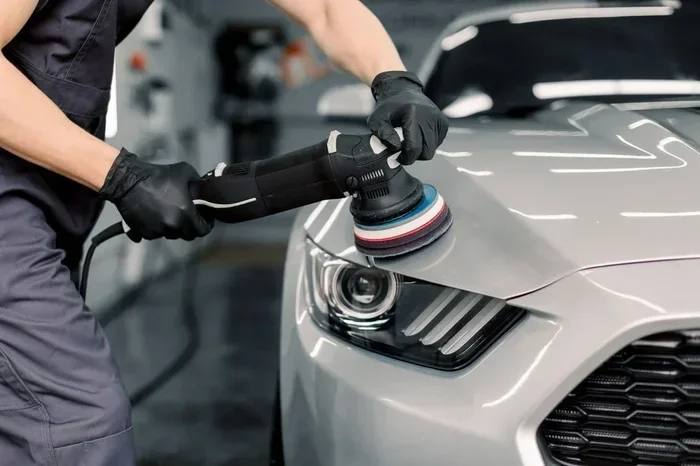
- Protect the Exterior and Interior: Wash and wax regularly. Use sunshades to protect the dashboard and seats. Address stains and wear immediately. A clean, well-kept interior adds significant perceived value.
- Avoid Modifications: While aftermarket parts can be fun, they often reduce resale value. Stock Civics sell faster and for more money than heavily modified ones.
- Store Properly: If possible, park in a garage or covered area. Protecting the car from sun damage, rain, and extreme temperatures preserves both appearance and mechanical condition.
- Document Everything: Keep receipts for all repairs and services. Provide a clean Carfax or AutoCheck report. Transparency builds trust with buyers and supports a higher asking price.
Quick Tips for Selling Your Civic
- Sell during spring or early summer when demand for used cars is highest.
- List your car on multiple platforms for maximum exposure.
- Price competitively by checking similar listings in your area.
- Take high-quality photos that show the car’s condition clearly.
- Be upfront about any flaws or needed repairs to build buyer confidence.
Common Mistakes That Hurt Honda Civic Value
On the flip side, there are things that can seriously hurt your Civic’s resale value. Avoiding these common mistakes will help you protect your investment.
- Skipping Regular Maintenance: Missing oil changes or ignoring warning lights can lead to bigger problems and lower resale prices.
- Ignoring Small Damage: A small dent or scratch might seem minor, but it can signal neglect to potential buyers.
- Driving Habits: Hard acceleration, aggressive braking, and redlining the engine can cause premature wear and reduce perceived value.
- Neglecting Cleanliness: A dirty, cluttered car gives buyers the impression that it was not well cared for.
- Ignoring Recalls: Make sure any manufacturer recalls have been addressed before selling. Unresolved recalls can scare off buyers.
These mistakes might seem small, but they add up. A well-cared-for Civic with a clean history report will always outperform a neglected one in the used car market.
Expert Insights on Honda Civic Value
We spoke with several automotive experts and used car dealers to get their take on the Civic’s long-term value. Here is what they had to say.
Mark T., Used Car Dealer (15 years experience): “The Honda Civic is one of the safest bets we have on the lot. Buyers come in specifically looking for Civics because they know the car will be reliable and affordable to maintain. We can sell Civics faster and closer to asking price than almost any other vehicle in our inventory.”
Sarah L., Automotive Analyst: “When you look at the data, the Civic consistently outperforms its segment in retained value. It is not just the Honda brand reputation. The Civic itself is a genuinely well-engineered car that delivers what buyers want: reliability, efficiency, and fun-to-drive dynamics.”
James R., Long-Time Civic Owner (18 years): “I have owned six Civics over the past 18 years. Every single one has held its value incredibly well. I sold my 2010 Civic after six years and only lost about 35% of the original purchase price. That is remarkable for a car that I drove over 15,000 miles per year.”
These expert opinions reinforce what the numbers show. The Honda Civic is a smart financial choice for anyone who wants a car that holds its value and costs less to own over time.
Is a Honda Civic Worth It for Value-Conscious Buyers?
If you are on the fence about buying a Honda Civic, let us help you decide. The Civic offers an excellent combination of reliability, efficiency, and retained value that is hard to beat in the compact car segment.
For buyers looking at new models, the Civic offers strong warranty coverage and the latest technology features. For those shopping the used market, a well-maintained Civic from the past decade provides outstanding value with lower upfront costs and proven reliability.
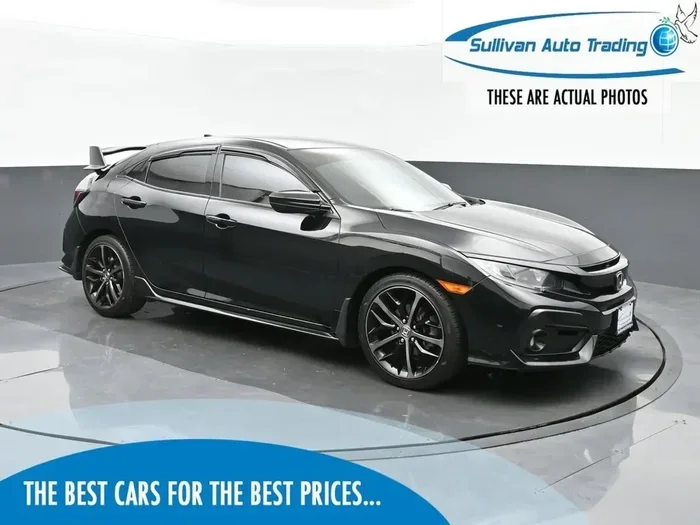
The Civic also comes in several body styles, including sedan, coupe, hatchback, and the performance-oriented Si and Type R trims. Each body style has its own appeal, but the sedan remains the most popular and tends to hold value the most consistently.
Whether you plan to keep the car for 10 years or sell it after three, the Honda Civic is a vehicle that respects your investment. Its low depreciation rate means you lose less money over time compared to most competitors.
Final Thoughts
The answer to the question “do Honda Civics hold their value” is a resounding yes. This car has proven its worth across multiple generations, market conditions, and economic cycles. From its legendary reliability to its low cost of ownership and strong consumer demand, the Civic checks every box for value-conscious buyers.
Whether you are buying new or used, the Honda Civic is one of the smartest purchases you can make in the compact sedan segment. It depreciates slower than most competitors, costs less to maintain, and sells easily when you are ready for an upgrade. The Honda Civic resale value story is one of the best in the industry, and that is unlikely to change anytime soon.
If you have been wondering whether a Honda Civic is worth your money, the evidence speaks for itself. This car holds its value, saves you money on ownership costs, and delivers a driving experience that keeps owners coming back year after year. The Honda Civic is not just a car. It is a smart financial decision that pays off for years to come.
Frequently Asked Questions
How much does a Honda Civic depreciate per year?
On average, a Honda Civic depreciates about 15% to 18% per year in the first five years. After five years, most Civics retain 60% to 65% of their original value. This is better than the average compact sedan, which typically retains around 50% to 55% over the same period.
Which Honda Civic trim holds its value best?
The Honda Civic Si and Touring trims tend to hold their value the best. These higher-end versions offer more features and stronger performance, which keeps demand high in the used market. The base LX trim still holds value well but tends to depreciate slightly faster than the upper trims.
Are older Honda Civics worth buying for value?
Yes, older Civics can be excellent value purchases. Models from the 2000s and 2010s are known for their durability and low repair costs. Many older Civics have very low mileage and can easily last another 100,000 miles with basic maintenance, making them a smart buy for budget-conscious shoppers.
How does the Honda Civic compare to the Toyota Corolla in value retention?
The Honda Civic and Toyota Corolla are very close in value retention. Both cars are known for their reliability and strong resale performance. The Civic often has a slight edge in driving engagement and styling appeal, while the Corolla sometimes wins on interior space. Overall, both are excellent choices for value-conscious buyers.
Does the Honda Civic hatchback hold value as well as the sedan?
The Honda Civic hatchback holds value comparably to the sedan. In some markets, the hatchback is even more desirable due to its practicality and sporty styling. The coupe and sedan versions tend to be the most common, which helps maintain steady demand and stable prices in the used market.
What is the best mileage range to buy a used Honda Civic for value?
The sweet spot for buying a used Honda Civic is between 30,000 and 60,000 miles. Cars in this range have already experienced their steepest depreciation but still have plenty of life left. You get a lower purchase price while still enjoying years of reliable ownership ahead.
=== CONCLUSION ===
The Honda Civic continues to prove that it is one of the best choices for anyone who wants a car that holds its value. With strong resale performance, low ownership costs, and a reputation for reliability that spans decades, the Civic stands out in a crowded compact sedan market. Whether you are buying your first car or your fifth, the Honda Civic delivers value that lasts.
Take care of your Civic, keep up with maintenance, and drive it wisely. When it comes time to sell, you will be rewarded with a strong market value and a car that buyers line up to purchase. The Honda Civic is not just a great car to own. It is a great car that keeps its worth.