Do Car Lights on Auto Drain Your Car Battery Quickly
Car lights on auto can drain your battery if the system stays on too long or if there’s an underlying electrical issue. Automatic headlights are designed to save energy, but they still draw power when the engine is off. Understanding how auto light sensors work helps you avoid car battery drain and keep your vehicle running strong.
Have you ever walked out to your car and found it won’t start? That sinking feeling hits hard. You turn the key, and all you hear is a slow click. Then it hits you. You left the lights on. Or worse, your car has auto lights, and they drained the battery overnight.
This is a common problem for car owners. Do car lights on auto drain the battery? The short answer is yes, they can. But the full story is more nuanced. Auto lights are designed to be convenient. They turn on when it gets dark and turn off when there’s enough daylight. But they still draw power, especially when your engine is not running.
In this article, we will break down everything you need to know about car lights on auto and battery drain. You will learn how auto light systems work, what causes battery drain, and how to prevent it. We will also cover warning signs and maintenance tips to keep your vehicle battery healthy for years.
Whether you drive a new car or an older model, this guide has practical advice you can use today. Let us dive in.
Key Takeaways
- Auto lights do drain battery power: Even in auto mode, headlights and interior lights consume energy when the engine is off.
- Parasitic draw is the real culprit: Small electrical draws from auto light systems can slowly kill your battery over time.
- Prevention is simple: Turning lights off manually when parked for long periods prevents unnecessary battery drain.
- Watch for warning signs: Dim lights, slow cranking, and dashboard warnings signal a weak vehicle battery.
- Regular maintenance helps: Clean battery terminals and check battery health to extend your battery’s lifespan.
- Newer cars handle this better: Modern vehicles have smart systems that minimize parasitic draw from auto lights.
- Replace when needed: A dying car battery shows clear signs, and timely replacement saves you from roadside trouble.
📑 Table of Contents
- How Auto Lights Work in Modern Cars
- Do Car Lights on Auto Actually Drain Your Battery?
- What Causes Battery Drain from Auto Lights
- How to Prevent Battery Drain from Auto Lights
- Signs Your Car Battery Is Dying
- When to Replace Your Car Battery
- Common Mistakes That Accelerate Battery Drain
- Frequently Asked Questions
- Final Thoughts
How Auto Lights Work in Modern Cars
Most modern vehicles come with automatic headlights built into the factory settings. These systems use a light sensor mounted on the dashboard or near the rearview mirror. The sensor detects ambient light levels and tells the headlights to turn on or off.
The Role of the Light Sensor
The auto light sensor is a small device that measures how much light is around your car. When it gets dark enough, it sends a signal to the headlights to activate. When daylight returns, it tells them to shut off. This is great for convenience. You do not have to think about flipping a switch every time the sun goes down.
But here is the catch. The sensor keeps the electrical system active. Even when your car is parked, the auto light system remains ready to respond. This means it draws a small amount of power from the car battery at all times.
Daytime Running Lights vs. Auto Lights
Some people confuse daytime running lights with auto headlights. They are different. Daytime running lights stay on whenever the engine is running. They improve visibility during the day. Auto lights, on the other hand, respond to ambient light conditions. They can turn on during the day if it is cloudy or in a tunnel.
Both systems draw power, but auto lights have the potential to stay on longer. If your car is parked in a dark garage, the auto sensor might keep the lights on even after you turn off the engine. This leads to battery drain over time.
Do Car Lights on Auto Actually Drain Your Battery?
The honest answer is yes, but the impact depends on several factors. A healthy car battery can handle a small parasitic draw from auto lights for a few days. But if your battery is old or weak, even a small draw can cause problems.
What Is Parasitic Draw?
Parasitic draw is the power your car uses when the engine is off. Every electronic system in your vehicle draws some power, even when you are not driving. The clock, the alarm system, the auto light module, and the onboard computer all consume energy. This is normal. A small parasitic draw of 25 to 50 milliamps is typical in most vehicles.
However, if the auto lights stay on for hours while parked, the draw increases significantly. Headlights use about 10 to 15 amps each. Interior lights use 1 to 3 amps. If these stay on all night, they can drain a car battery completely by morning.
How Long Can Auto Lights Drain a Battery?
This depends on your battery health and the type of lights your car uses. Here is a simple breakdown:
- New battery with auto lights left on for 2 hours: The battery will likely recover after a short drive.
- Moderate battery with lights on overnight: The battery may be too weak to start the car by morning.
- Old battery with lights on for several hours: The battery may need replacement entirely.
The auto light system itself draws very little power in standby mode. The real problem happens when the lights stay on longer than intended. This is why many car owners notice battery drain after leaving their car parked for extended periods.
Do All Cars Have This Problem?
Not all cars experience the same level of battery drain from auto lights. Newer vehicles have smarter electrical systems that minimize standby power consumption. Many modern cars have an auto shutoff feature that turns the lights off after a set period. Older cars may not have this feature, making them more vulnerable to battery drain.
If you drive an older model, it is a good idea to manually turn off your lights when you park. This simple habit can save you from a dead vehicle battery.
What Causes Battery Drain from Auto Lights
Several factors contribute to battery drain from auto lights. Understanding these causes helps you take preventive action.
Lights Left On After Parking
The most common cause is simply forgetting to turn off the lights. With auto headlights, the system might keep the lights on if it is dark enough. Parking in a dark garage or under a tree at night can trick the light sensor into keeping the lights on longer than needed.
Faulty Light Sensor
A malfunctioning auto light sensor can cause the lights to stay on even in daylight. If your headlights are on during the middle of the day, the sensor might be stuck. This creates unnecessary parasitic draw and drains your car battery faster than normal.
Wiring Issues and Short Circuits
Old or damaged wiring can cause electrical problems. A short circuit in the headlight circuit can keep the lights drawing power even when they appear to be off. This is a serious issue that requires professional inspection.
Weak or Aging Battery
An old car battery cannot handle the same level of electrical drain as a new one. Most vehicle batteries last between 3 and 5 years. If your battery is older than that, even a small parasitic draw from auto lights can cause it to fail.
Interior Lights and Dome Lights
It is not just the headlights that cause battery drain. Interior lights, dome lights, and dashboard warning lights also draw power. If your interior light stays on because of a faulty door switch, it can drain your battery overnight.
How to Prevent Battery Drain from Auto Lights
The good news is that preventing battery drain from auto lights is straightforward. A few simple habits and checks can save you from a dead battery.
Turn Off Auto Lights When Parked Long-Term
If you are going on a long trip or leaving your car parked for several days, switch the light setting to “off.” This disables the auto light system and prevents any unnecessary parasitic draw.
Check Your Light Sensor Regularly
Make sure your auto light sensor is working correctly. Test it by covering the sensor with your hand and seeing if the lights turn on. If the lights do not respond, the sensor might need replacement.
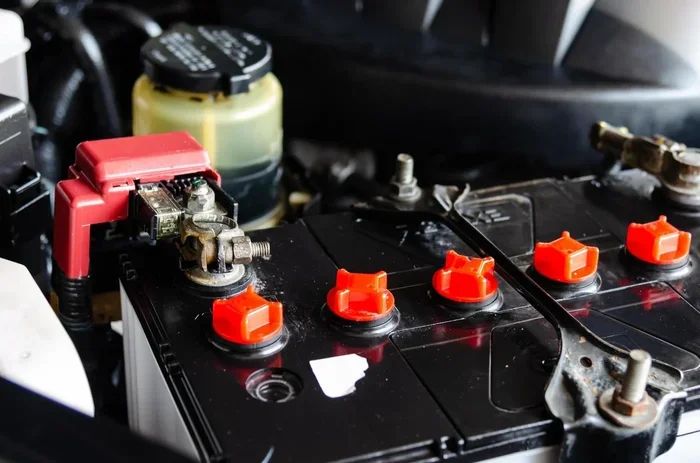
Keep Battery Terminals Clean
Battery terminals can corrode over time. Corrosion reduces the flow of electricity and weakens battery performance. Clean your terminals with a baking soda and water solution every few months. This simple step extends your battery life significantly.
Use a Battery Tender or Maintainer
If you park your car for long periods, use a battery tender or maintainer. This device keeps your car battery charged without overcharging it. It is especially useful for seasonal vehicles or cars that sit in the garage for weeks at a time.
Drive Your Car Regularly
Your alternator charges the battery while you drive. If you only take short trips, the battery may not fully recharge. Try to drive your car for at least 20 to 30 minutes at a time to allow the alternator to restore the battery charge.
Upgrade to LED Headlights
LED headlights use significantly less power than traditional halogen bulbs. Upgrading to LED headlights reduces the parasitic draw from your auto light system and puts less strain on your vehicle battery.
Quick Tips to Save Your Battery
- Always switch lights to “off” before leaving the car for long periods.
- Check that all interior lights turn off when you close the doors.
- Replace old batteries before they fail completely.
- Keep jumper cables in your trunk for emergencies.
- Get a battery tester to check battery health at home.
Signs Your Car Battery Is Dying
Knowing the warning signs of a weak car battery helps you act before you are stranded. Here are the most common symptoms to watch for.
Slow Engine Crank
When you turn the key, does the engine crank slowly? A healthy battery starts the engine quickly and smoothly. A slow crank is one of the first signs of a weak vehicle battery.
Dim Headlights and Dashboard Lights
If your headlights look dimmer than usual or your dashboard lights flicker, your battery may not be providing enough power. This is especially noticeable when the auto lights are on and the engine is idling.
Dashboard Warning Lights
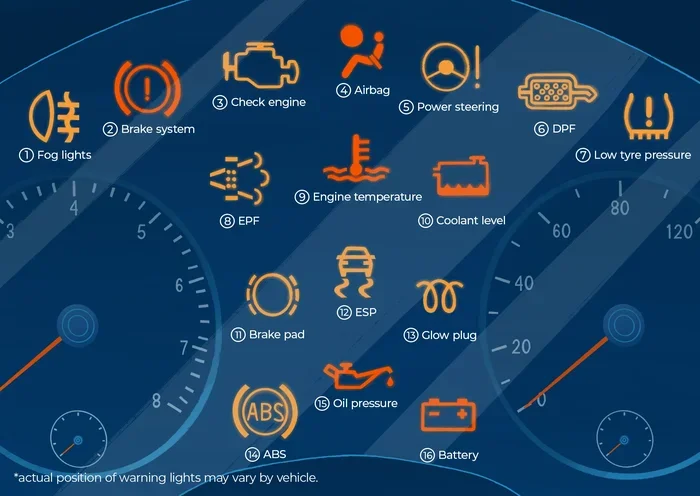
Most modern cars have a battery warning light on the dashboard. If this light comes on, do not ignore it. It signals a problem with your electrical system or battery health.
Battery Case Swelling
A swollen or bloated battery case is a serious sign. Heat and overcharging cause the case to expand. If you notice this, replace the battery immediately. A swollen battery is a safety hazard.
Frequent Jump Starts
If you need jump starts more than twice a month, your battery is on its way out. Frequent jump starting puts extra stress on the battery and shortens its lifespan.
When to Replace Your Car Battery
Even with the best care, every car battery eventually needs replacement. Knowing when to replace it saves you from unexpected breakdowns.
Battery Age
Most vehicle batteries last between 3 and 5 years. Check your battery’s manufacture date on the label. If it is older than 3 years, have it tested regularly. Many auto parts stores offer free battery testing.
Cold Weather Performance
Cold weather is tough on car batteries. If your battery struggles to start the car in winter, it may be time for a replacement. Low temperatures reduce the battery’s ability to hold a charge.
Electrical Issues
If you notice electrical problems like power window delays, flickering lights, or slow accessory operation, your battery might be failing. These issues often point to a weak vehicle battery that cannot power all the systems properly.
Professional Inspection
When in doubt, get a professional inspection. A mechanic can test your battery health, check for corrosion on the terminals, and measure the alternator output. This ensures your car electrical system is working as it should.
Expert Insight
Many experienced mechanics recommend replacing your car battery every 4 years as a preventive measure. This avoids the risk of a sudden failure and keeps your vehicle electrical system running smoothly. It is a small cost compared to the hassle of a dead battery on a busy road.
Common Mistakes That Accelerate Battery Drain
Avoiding common mistakes goes a long way in protecting your car battery. Here are the errors many car owners make without realizing it.
- Leaving the car in auto lights overnight: The auto sensor may keep lights on in dark parking areas.
- Ignoring interior lights: A dome light that stays on all night drains significant power.
- Not driving the car regularly: Short trips do not give the alternator enough time to recharge the battery.
- Using aftermarket electronics: Additional lights or devices increase the electrical draw on the battery.
- Skipping battery maintenance: Dirty terminals and old batteries lose capacity over time.
Comparison Table: Battery Drain by Light Type
| Light Type | Power Draw (Amps) | Overnight Drain Risk |
|---|---|---|
| Headlights (Halogen) | 10-15 | High |
| Headlights (LED) | 2-5 | Low to Moderate |
| Interior/Dome Lights | 1-3 | Moderate |
| Daytime Running Lights | 3-5 | Low |
| Auto Lights (Standby) | 0.1-0.5 | Very Low |
This table shows that headlights cause the most battery drain when left on overnight. LED lights draw far less power, making them a better choice for battery health. The standby draw from the auto light system itself is minimal, but it adds up over time.
Frequently Asked Questions
Do auto headlights drain the car battery when the engine is off?
Yes, they can. Auto headlights draw power from the car battery whenever they are on, even if the engine is not running. The standby draw from the auto light sensor is very small, but if the lights stay on for hours, it can significantly drain a weak vehicle battery.
How long can car lights stay on before the battery dies?
It depends on the battery condition and the type of lights. Halogen headlights left on overnight can drain most car batteries completely. LED lights last longer but will still cause battery drain if left on for 8 to 12 hours. A healthy battery may survive a single overnight incident, but an old battery will not.
Is it safe to leave car lights on auto all the time?
For daily driving, yes. The auto light system is designed to operate continuously. The standby power draw is minimal. However, if you park your car for several days without driving, it is best to switch the lights to “off” to prevent parasitic draw from draining the battery.
Can a bad alternator cause battery drain even with auto lights off?
Absolutely. The alternator charges the battery while you drive. If the alternator is failing, the battery does not recharge properly. This leads to repeated battery drain even when the lights are off. If you notice dimming lights or frequent jump starts, have your alternator checked by a professional.
What is the normal parasitic draw for a car with auto lights?
A normal parasitic draw ranges from 25 to 50 milliamps. This includes the power used by the auto light system, the clock, the alarm, and the onboard computer. If your car battery shows a draw above 75 milliamps, there may be an electrical issue that needs attention.
How can I test my car battery at home?
You can use a simple battery tester available at most auto parts stores. These devices measure battery voltage and charge level. A fully charged battery should read 12.6 volts or higher. If it reads below 12.4 volts, the battery needs charging. Below 12.0 volts, it likely needs replacement. Testing your battery every few months is a great way to stay ahead of battery problems.
Final Thoughts
Car lights on auto are a convenient feature, but they do come with a small cost. The auto light system draws power from your car battery, especially when the engine is off. Understanding how this works helps you take simple steps to protect your vehicle battery and avoid unexpected breakdowns.
The key is balance. Use your auto headlights for daily driving and convenience. But when you park for long periods, switch to “off” and give your battery a break. Keep your battery terminals clean, drive your car regularly, and replace your battery every 3 to 5 years.
Watch for warning signs like slow cranking, dim lights, and dashboard warnings. These are your car’s way of telling you the battery needs attention. Catching these signs early saves you time, money, and the frustration of a dead car battery on a bad day.
Taking care of your vehicle battery is one of the easiest forms of car maintenance. A little attention goes a long way. Your auto light system will keep working reliably, and your battery will stay healthy for miles to come. Stay proactive, stay informed, and keep your car running strong.