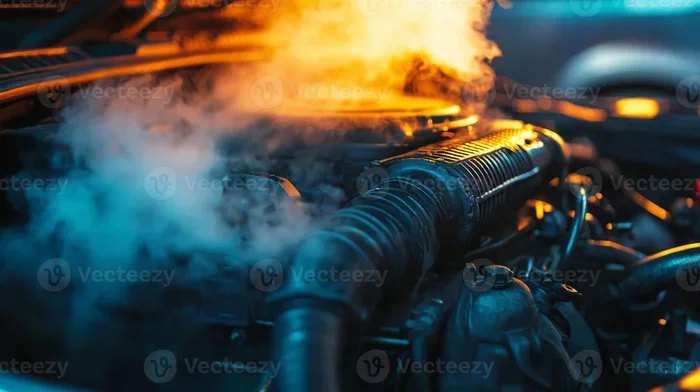
Can a Clogged Catalytic Converter Cause Your Car to Overheat
Yes, a clogged catalytic converter can cause your car to overheat. When exhaust flow is restricted, back pressure builds up and traps heat inside the engine. This extra heat can lead to serious damage if you ignore the warning signs.
Your car’s engine runs hot. That’s normal. But when the temperature needle starts climbing into the red, something is wrong. One hidden culprit that many drivers overlook is the catalytic converter. This small part sits in your exhaust system and cleans up harmful gases. But what happens when it gets clogged? Can a clogged catalytic converter cause your car to overheat? The answer is yes. A blocked converter creates back pressure that traps heat. That heat builds up and can push your engine into overheating territory. In this guide, we’ll break down exactly how this happens. We’ll cover the warning signs, the diagnosis, and what you can do to fix it. Let’s dive in.
Many people think of the catalytic converter as a simple exhaust part. It’s not. It’s a critical component of your car’s emissions system. When it works right, it turns dangerous gases like carbon monoxide into less harmful ones. But when it gets clogged, it chokes your engine. The exhaust can’t flow out properly. That restriction causes a domino effect. Heat builds up, engine performance drops, and eventually your cooling system can’t keep up. Understanding this connection is the first step to protecting your car.
Key Takeaways
- A clogged catalytic converter restricts exhaust flow: This creates back pressure that pushes heat back into the engine.
- Overheating is a real risk: A blocked converter can cause your temperature gauge to climb into the danger zone.
- Early warning signs include reduced power and a lit check engine light: Don’t ignore these symptoms.
- Other issues can mimic a clogged converter: A failing water pump or low coolant can also cause overheating.
- Regular maintenance helps prevent clogs: Using quality fuel and addressing engine misfires quickly keeps your converter healthy.
- Driving with a clogged converter can ruin your engine: Prompt repair saves you from costly breakdowns.
📑 Table of Contents
- What Does a Catalytic Converter Do?
- How a Clogged Catalytic Converter Affects Engine Temperature
- Warning Signs of a Clogged Catalytic Converter
- Can a Clogged Catalytic Converter Cause Overheating? The Connection
- Other Reasons Your Car Might Overheat
- How to Diagnose and Fix a Clogged Catalytic Converter
- Preventive Maintenance Tips
- Conclusion
What Does a Catalytic Converter Do?
Before we look at clogs, let’s understand the job. The catalytic converter sits between your engine and the tailpipe. It uses a honeycomb structure coated with precious metals like platinum and palladium. As hot exhaust gases pass through, chemical reactions convert pollutants into water vapor and carbon dioxide. This process happens at very high temperatures. In fact, the converter itself can reach over 1,200 degrees Fahrenheit. When it’s working well, you never notice it. When it fails, you’ll definitely notice.
The Exhaust Flow Connection
Your engine needs to breathe out. Think of exhaust like breathing out after a hard workout. If you can’t exhale properly, you get hot and stressed. The same thing happens to your engine. A healthy exhaust system lets gases flow out smoothly. A clogged converter creates a bottleneck. Exhaust gases get trapped. That trapped heat radiates back into the engine block. Over time, this raises your overall engine temperature. The cooling system has to work harder. If the clog is bad enough, the system simply can’t keep up.
How a Clogged Catalytic Converter Affects Engine Temperature
So how exactly does a clog cause overheating? It all comes down to pressure and heat. A restricted exhaust creates what mechanics call high back pressure. This pressure pushes against the pistons as they try to expel gases. The engine has to work harder. More work means more heat. Meanwhile, the trapped exhaust gases stay hot inside the converter and the pipes. That heat soaks back into the engine. Your radiator and coolant system were designed to handle normal operating temperatures. When those temperatures spike, the coolant can boil. The thermostat may stay closed. The water pump struggles. Soon you’re watching your temperature gauge climb.
Back Pressure and Engine Heat
Back pressure is the enemy here. Normal exhaust pressure is low. A clogged converter raises it significantly. You can measure this with a gauge attached to the oxygen sensor port. High back pressure means the engine is fighting to push exhaust out. That fight generates extra heat. In severe cases, the exhaust valves can overheat and warp. The head gasket can fail. These are expensive repairs that started with a simple clog. A clogged catalytic converter doesn’t just cause mild warmth. It can push your engine into full overheating mode.
Cooling System Strain
Your car’s cooling system is designed for a specific heat load. When exhaust heat builds up, the system gets overwhelmed. The radiator fan kicks on more often. The coolant circulates faster. But if the source of the extra heat isn’t removed, the system loses the battle. You might notice the heater blowing hot air even when the engine is overheating. That’s a telltale sign of trapped exhaust heat. The coolant temperature sensor reads high, but the root cause is the converter, not the radiator.
Warning Signs of a Clogged Catalytic Converter
You don’t want to wait until your car is boiling over. There are early warning signs that point to a clogged converter. Learning these signs helps you act fast. Here’s what to watch for.
- Reduced engine power: Your car feels sluggish, especially when accelerating. The engine chokes on its own exhaust.
- Dark exhaust smoke: You might see black or gray smoke from the tailpipe. This indicates unburned fuel and restricted flow.
- Rotten egg smell: A sulfur or rotten egg odor from the exhaust means the converter isn’t processing gases properly.
- Check engine light: The dashboard light comes on. OBD-II scanners often show codes like P0420 or P0430 for catalyst efficiency.
- Increased fuel consumption: Your car uses more gas because the engine is working harder to push through the blockage.
- Engine runs hot: The temperature gauge sits higher than normal, especially at idle or in traffic.
Why These Signs Matter
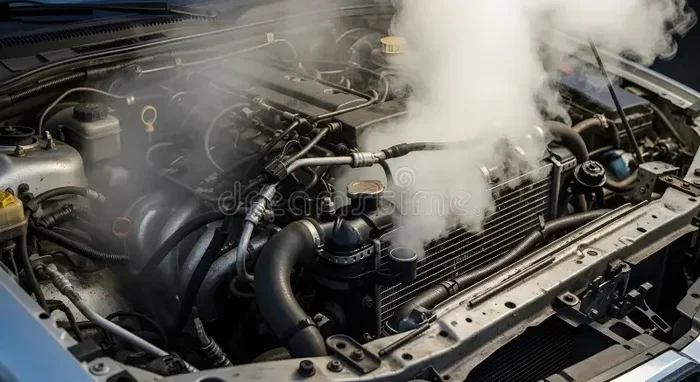
Each of these signs is a clue. Reduced power and bad smell often appear first. The check engine light follows as the oxygen sensors detect a problem. If you ignore these, the engine temperature rises. You’ll start seeing overheating symptoms like steam from the hood or a burning smell. At that point, damage may already be done. A clogged catalytic converter is a progressive problem. It gets worse over time. Catching it early saves your engine and your wallet.
Can a Clogged Catalytic Converter Cause Overheating? The Connection
Let’s answer the big question directly. Yes, a clogged catalytic converter can cause your car to overheat. The connection is clear and well-documented in automotive repair manuals. When the converter becomes restricted by carbon buildup, melted substrate, or physical debris, exhaust flow drops. That drop creates a heat feedback loop. Hot exhaust stays in the system longer. The engine absorbs that heat. The cooling system can’t dissipate it fast enough. The result is overheating.
The Domino Effect of a Blocked Converter
Here’s how the domino effect works. First, exhaust gases can’t exit quickly. Pressure builds in the exhaust manifold. That pressure pushes against the pistons during the exhaust stroke. The engine loses efficiency. Combustion temperatures rise because the engine is working harder. The extra heat transfers to the coolant. The coolant temperature climbs. The thermostat opens and closes rapidly. The radiator fan runs constantly. If the blockage is severe, the coolant boils. You get steam, loss of power, and potential engine damage. A clogged catalytic converter is often the starting point of this chain reaction.
Real-World Example
Imagine driving on a highway. Your car feels fine. Then you notice a slight loss of power. The check engine light blinks. You keep driving. Within a few miles, the temperature gauge starts climbing. You pull over and see steam rising from under the hood. A mechanic later tells you the catalytic converter was completely plugged. The exhaust couldn’t escape. The engine overheated and the head gasket blew. This scenario happens more often than you think. A simple clog turned into a major repair because the driver didn’t recognize the early signs.
When Overheating Points to the Converter
Not every overheat means a clogged converter. But if you notice the signs we listed earlier, it’s worth checking. A mechanic can perform a back pressure test. They unscrew the oxygen sensor and hook up a gauge. If pressure is high at idle, the converter is likely restricted. They might also use an infrared thermometer to check the temperature of the converter. A severely clogged converter will be much hotter on the outlet side than the inlet side. This temperature difference confirms the blockage. Once confirmed, you have a clear path to repair.
Other Reasons Your Car Might Overheat
A clogged catalytic converter isn’t the only cause of car overheating. Many other issues can push your temperature into the red. It’s important to rule these out so you don’t replace a converter when the real problem is simpler. Here are common overheating causes.
- Low coolant level: A leak in the radiator, hose, or water pump reduces coolant. The engine can’t stay cool.
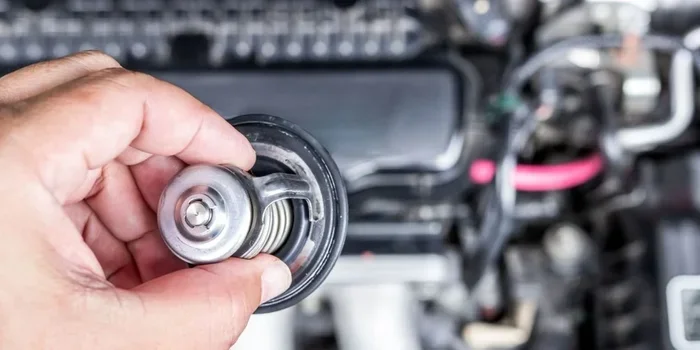
- Faulty thermostat: A stuck thermostat keeps coolant from flowing to the radiator. The engine overheats quickly.
- Water pump failure: The pump circulates coolant. If it fails, heat builds up fast.
- Radiator fan malfunction: The fan pulls air through the radiator at low speeds. If it breaks, the engine overheats in traffic.
- Blown head gasket: Combustion gases leak into the cooling system. This creates air pockets and overheating.
- Blocked radiator: Dirt, bugs, or debris can block airflow through the radiator fins.
How to Tell the Difference
Distinguishing a clogged converter from other causes requires some detective work. If you have low coolant or a fan that isn’t spinning, those are easy fixes. A clogged converter often comes with exhaust symptoms like the rotten egg smell and dark smoke. A head gasket leak might show a milky residue under the oil cap. A mechanic can run a cooling system pressure test to find leaks. They can also scan for converter-specific codes. The key is not to guess. Get a proper diagnosis so you fix the right part.
How to Diagnose and Fix a Clogged Catalytic Converter
If you suspect your converter is clogged, you have options. Some fixes are simple. Others require a professional. Let’s walk through the diagnosis and repair steps.
Step 1: Read the Codes
Start with an OBD-II scanner. Plug it into the port under your dashboard. Look for codes related to catalyst efficiency. Codes P0420 and P0430 are the most common. These codes mean the converter isn’t cleaning exhaust gases as it should. They don’t always mean it’s clogged, but they point you in the right direction. You might also see codes for rich fuel mixture, which can cause carbon buildup in the converter.
Step 2: Perform a Back Pressure Test
A back pressure test is the gold standard for diagnosing a clogged converter. The mechanic removes the upstream oxygen sensor and screws in a pressure gauge. At idle, normal back pressure should be under 1.5 psi. If it reads 3 psi or higher, the converter is restricted. Some shops also test by removing the oxygen sensor entirely and seeing if engine performance improves. If the car runs better with the sensor out, exhaust flow is definitely blocked.
Step 3: Check for Physical Damage
Sometimes a converter doesn’t clog from the inside out. It can crack or break apart, and the pieces can block the exhaust. A visual inspection can reveal this. The mechanic will look for dents, heat damage, or loose substrate inside the converter. They may also tap the converter and listen for rattling. A rattling sound often means the internal honeycomb has broken apart.
Fix Options: Clean or Replace
Once you confirm a clog, you have two main paths. You can try a chemical cleaner or a replacement. Chemical cleaners are added to the fuel tank. They claim to dissolve carbon deposits in the converter. These products work only on mild clogs. If the converter is badly melted or physically damaged, no cleaner will help. In that case, you need a new converter. OEM converters are expensive. Aftermarket options are cheaper but may not meet the same durability standards. Your mechanic can advise on the best choice for your vehicle and budget.
Quick Tips for Repair
- Don’t ignore the check engine light: Early action prevents a small clog from becoming a big problem.
- Fix engine misfires quickly: Unburned fuel can melt the converter substrate and cause a clog.
- Use quality fuel: Top-tier gasoline has fewer contaminants that can build up in the converter.
- Consider a catalytic converter cleaner: If your converter is mildly clogged, a cleaner might restore flow. Use it as a preventive measure, not a cure for severe damage.
Preventive Maintenance Tips
Prevention is always better than repair. You can take steps to keep your catalytic converter healthy and avoid overheating issues. These simple habits extend the life of your converter and your engine.
- Address engine misfires immediately: A misfiring cylinder sends unburned fuel into the exhaust. That fuel ignites inside the converter and can melt the substrate.
- Keep your engine tuned: A properly tuned engine burns fuel efficiently. Less unburned fuel means less carbon buildup in the converter.
- Use the right oil: Low-quality oil can leave deposits that eventually clog the converter. Stick with manufacturer-recommended oil.
- Check for exhaust leaks: Leaks upstream of the converter can cause it to work harder and overheat. Fix leaks early.
- Avoid short trips when possible: The converter needs high temperatures to burn off deposits. Short trips don’t allow it to reach full operating temperature. Take longer drives occasionally to heat things up.
- Monitor your temperature gauge: Make it a habit to glance at your temperature gauge while driving. Early detection of overheating saves you from major damage.
Common Mistakes That Lead to Clogs
Many drivers unknowingly harm their catalytic converters. One common mistake is ignoring the check engine light. Another is adding oil additives that contain phosphorus. Phosphorus can coat the converter’s precious metals and reduce its effectiveness. Using leaded fuel in a car designed for unleaded is another fast track to a clogged converter. Avoid these mistakes and your converter will last much longer.
Expert Insight: The Hidden Cost of Ignoring a Clog
We spoke with a longtime mechanic about the real cost of ignoring a clogged converter. He said, “I see this all the time. A driver notices the car is a little sluggish and the check engine light is on. They keep driving for months. The converter fully clogs. Now the engine overheats. The head gasket blows. The repair bill goes from a few hundred dollars for a converter to over two thousand for a head gasket and engine work.” His advice is simple: “When the light comes on, get it checked. A small problem today is a big problem tomorrow.”
Conclusion
A clogged catalytic converter can absolutely cause your car to overheat. The connection is clear. Restricted exhaust flow creates back pressure. That pressure traps heat in the engine. The cooling system can’t keep up. Temperatures rise. You see warning signs like reduced power, dark smoke, and a check engine light. Ignoring these signs leads to serious engine damage. The good news is that you can prevent this. Regular maintenance, prompt attention to warning lights, and quality fuel keep your converter flowing freely. If you suspect a clog, get a back pressure test right away. Early diagnosis saves money and keeps your car running cool. Don’t let a small clog turn into a big breakdown. Take care of your catalytic converter, and it will take care of your engine.
Frequently Asked Questions
Can a clogged catalytic converter cause a car to overheat at idle?
Yes, it can. At idle, exhaust flow is already slower. A clog makes it even harder for gases to escape. This builds up heat quickly. You might notice the temperature gauge rising when you’re stopped at a red light.
How do I know if my catalytic converter is clogged or if my car is overheating for another reason?
Look for exhaust-related symptoms. A rotten egg smell, dark smoke, and reduced power point to the converter. A clogged converter also triggers specific OBD-II codes like P0420. A mechanic can run a back pressure test to confirm the clog.
Will a clogged catalytic converter damage my engine?
Yes, over time. The extra heat and back pressure can warp exhaust valves, blow the head gasket, and crack the engine block. Driving with a clogged converter for extended periods often leads to expensive engine repairs.
Can I clean a clogged catalytic converter myself?
You can try a fuel-borne catalytic converter cleaner. These products work on mild carbon buildup. They won’t fix a melted or physically damaged converter. If the clog is severe, you’ll need a replacement part.
How much does it cost to replace a clogged catalytic converter?
Cost varies widely. Aftermarket converters run from $200 to $800. OEM converters can cost $1,000 or more. Add labor costs, which typically range from $100 to $300. The total depends on your vehicle make and model.
Is it safe to drive with a clogged catalytic converter?
It’s not recommended. A clogged converter can cause overheating and engine damage. In some states, driving with a failed converter will cause you to fail an emissions test. Have it inspected and repaired as soon as possible.