Can You Still Drive a Hybrid Without the Battery At All
The short answer is yes, but it is risky and limits your driving. A hybrid without the battery can only run on the gasoline engine at low speeds, losing regenerative braking and power assist. This can overheat the electric motor and damage the powertrain. Learn the real risks, warning signs, and your options in this guide.
Key Takeaways
- A hybrid can limp along on gasoline only if the battery is dead, but performance and safety suffer.
- Driving without a functioning hybrid battery risks overheating the electric motor and causing costly powertrain damage.
- Warning signs include reduced fuel economy, strange noises, and dashboard warning lights.
- Extreme temperatures and old age are the top causes of hybrid battery failure.
- You have options: roadside assistance, battery repair, or full replacement.
- Preventive maintenance can extend hybrid battery life by many years.
📑 Table of Contents
What Happens When a Hybrid Battery Dies?
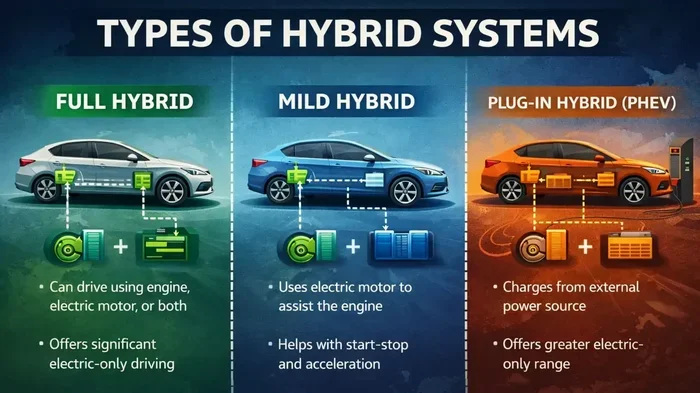
A hybrid vehicle relies on two power sources: a gasoline engine and an electric motor. The electric motor gets its energy from a high-voltage battery pack. When that battery pack fails, the car does not simply shut off like a regular vehicle. Instead, the hybrid system tries to keep you moving using only the gasoline engine. This is called limp mode.
In limp mode, the car runs, but not well. You lose the electric boost that helps with acceleration. You also lose regenerative braking, which captures energy when you slow down. The gasoline engine has to work harder. This leads to poor fuel economy and extra wear on the engine.
Quick Tip: If your hybrid starts acting strange, pull over safely and turn on your hazard lights. Do not try to push a hybrid car to restart it. The high-voltage system can be dangerous.
Common Mistake: Many drivers ignore the early warning signs of a failing battery. They assume the car will still run fine. But driving on a dead hybrid battery can cause bigger problems later.
Understanding the Hybrid System
To understand why a hybrid without the battery struggles, you need a simple picture of how the system works. A hybrid vehicle uses a small battery pack, usually made of nickel-metal hydride or lithium-ion cells. This pack powers the electric motor. The motor works together with the gasoline engine to move the car.
When you brake, the electric motor acts as a generator. It turns the wheels and sends energy back to the battery. This is called regenerative braking. It is a key part of the hybrid system. Without a working battery, this energy has nowhere to go.
The hybrid system also uses a 12-volt auxiliary battery to power the car’s computers. This is different from the high-voltage traction battery. The 12-volt battery can be dead and the car still will not start. But if the high-voltage battery pack is dead, the car can still run on gasoline alone.
Immediate Effects on Driving
When the high-voltage battery dies, you will notice the changes right away. The car might feel sluggish. Acceleration will be slow because you no longer have electric power assist. The gasoline engine will run louder because it is doing all the work.
Your fuel economy will drop. A hybrid vehicle normally gets great gas mileage. Without the battery, it uses more fuel than a regular car. You might also see warning lights on the dashboard. These lights tell you the hybrid system is in a fault state.
Expert Insight: According to hybrid technicians, a car in limp mode can still move at low speeds, usually under 40 mph. But it is not safe for highway driving. The lack of power assist makes merging and passing dangerous.
Can You Still Drive a Hybrid Without the Battery?
The direct answer to the question can you still drive a hybrid without the battery is yes, but only in a limited way. You can drive a hybrid without the battery using the gasoline engine alone. The car will move, but it will not perform like a normal hybrid. It will not perform like a normal car either.
Think of it like riding a bicycle with a flat tire. You can still pedal, but it is hard work and you go nowhere fast. A hybrid without the battery is the same. The gasoline engine tries to do the job of both the engine and the electric motor. This puts a lot of strain on the engine.
Quick Tip: If you must drive a hybrid with a dead battery, keep your speed low. Stay under 40 mph. Avoid hills and heavy traffic. This reduces the strain on the gasoline engine and gives you the best chance of reaching a safe spot.
Common Mistake: Some drivers try to force the car to go faster by pressing the gas pedal hard. This only overheats the gasoline engine. It can cause the engine to overheat and lead to a much bigger repair bill.
The Short Answer
Yes, you can drive a hybrid without the battery for a short distance. The gasoline engine will power the car. But you will lose all the benefits of a hybrid. You will lose regenerative braking. You will lose electric power assist. And you will lose the fuel-saving features that make a hybrid worth owning.
The car will not run forever on gasoline alone if the battery is completely dead. Some models will shut down after a few miles to protect the engine. Other models will keep running but with very poor performance. It depends on the car’s design and how bad the battery failure is.
What “Driving” Really Means
When we say you can drive a hybrid without the battery, we mean you can move the car from point A to point B. You cannot drive it the way you normally would. The car will feel weak. It will use more fuel. It will make strange noises. And it will not be safe in emergency situations.
For example, if you need to merge onto a highway, a healthy hybrid can use electric power to accelerate quickly. A hybrid with a dead battery will struggle. The gasoline engine will lag. This delay can be dangerous. You might not be able to merge safely.
Expert Insight: Hybrid engineers say that a hybrid without the battery should only be driven to the nearest repair shop. Do not use it for your daily commute. The risk of breaking down in traffic is too high.
The Risks and Dangers of Driving on a Failing Hybrid Battery
Driving a hybrid with a bad battery is not just inconvenient. It can be dangerous. It can also cause expensive damage to other parts of the car. Understanding these risks helps you make smart decisions.
Safety Concerns
The biggest safety risk is losing power assist. When you need to accelerate quickly, the gasoline engine alone may not respond fast enough. This is especially true when going uphill or passing another car.
Another risk is the loss of regenerative braking. In a normal hybrid, the electric motor helps slow the car down. This reduces the load on the traditional brake pads. Without regenerative braking, your brake pads wear out faster. They can also overheat on long downhill drives, which reduces braking power.
Quick Tip: If your hybrid battery dies on the road, turn on your emergency flashers. Coast to the side of the road. Call for a tow truck. Do not try to drive far without the battery.
Damage to the Powertrain
The powertrain is the system that makes the car move. It includes the engine, transmission, and electric motor. When the battery fails, the gasoline engine takes all the stress. This can cause the engine to overheat.
Overheating can warp engine parts. It can blow head gaskets. It can ruin the transmission. These repairs cost thousands of dollars. A simple battery replacement might have cost a few hundred dollars less.
Also, the electric motor is designed to work with the battery. Running the motor without a proper power source can burn out the motor windings. This is a very expensive repair that could total the car.
Common Mistake: Ignoring the check engine light or the hybrid warning light. Many drivers think the car is fine because it still runs. But the warning light is telling you the hybrid system is in a fault state. Continuing to drive can make the problem much worse.
Common Reasons Hybrid Batteries Fail
Hybrid batteries do not just stop working for no reason. There are common causes that lead to failure. Knowing these causes can help you prevent a dead battery.
Age and Mileage
The most common cause of hybrid battery failure is age. Most hybrid batteries last between 8 and 15 years. After that, the battery cells start to wear out. The capacity drops. The battery cannot hold a full charge.
Mileage also matters. A hybrid that has driven 150,000 miles or more will have a battery that is near the end of its life. The cells inside the battery pack degrade over time. They can no longer deliver the power needed for the electric motor.
Extreme Temperatures
Both very hot and very cold weather can damage a hybrid battery. Extreme heat speeds up chemical breakdown inside the cells. Extreme cold reduces the battery’s ability to hold a charge.
If you live in a place with hot summers, your battery may wear out faster. Parking in the shade or a garage can help. In cold climates, keeping the car in a heated garage can protect the battery.
Charging and Maintenance Issues
Hybrid batteries need a healthy charging system to work. If the battery management system has a glitch, it can overcharge or undercharge the cells. This damages the battery over time.
Also, if you never drive the car for long periods, the battery can develop a deep discharge. This happens when the battery sits unused for weeks or months. It can permanently damage the cells.
Expert Insight: Hybrid mechanics recommend driving your hybrid at least once a week for 30 minutes. This keeps the battery charged and the cells balanced. It also keeps the 12-volt system healthy.
How to Tell If Your Hybrid Battery Is Going Bad
Catching a failing battery early can save you from a roadside breakdown. There are clear warning signs that your hybrid battery is going bad.
Warning Signs to Watch For
Here are the most common signs of a dying hybrid battery:
- Reduced fuel economy: Your gas mileage drops even if your driving habits have not changed.
- Strange noises: You hear humming, clicking, or grinding sounds from the engine bay.
- Dashboard warning lights: The check engine light or the hybrid system warning light stays on.
- State of charge fluctuation: The battery charge meter bounces up and down erratically.
- Limp mode activation: The car limits its speed and power without warning.
- Difficulty starting: The car takes longer to start or fails to start sometimes.
Diagnostic Tools and Professional Checks
If you notice any of these signs, get a diagnostic check. A mechanic can read the fault codes from the hybrid system. They can test the battery’s state of health.
A simple voltage test is not enough for a hybrid battery. The battery pack has many cells. A professional uses a battery tester that checks each cell’s voltage and internal resistance. This gives an accurate picture of the battery’s condition.
Quick Tip: Many auto parts stores offer free code reads. But for a hybrid, you need a shop that has the right diagnostic equipment. Ask for a hybrid-certified mechanic.
What to Do When Your Hybrid Battery Fails
Finding out your hybrid battery has failed can be stressful. But you have options. You do not have to buy a new car. Here is what you should do step by step.
Roadside Options and Safety
If your car dies on the road, stay calm. Turn on your hazard lights. Move the car to the shoulder if possible. Call a tow truck or roadside assistance.
Do not try to drive the car far in limp mode. You risk overheating the engine or damaging the electric motor. A flatbed tow is the safest way to move the car to a repair shop.
Common Mistake: Trying to jump-start a hybrid with a dead high-voltage battery. You cannot jump-start the main traction battery. You can only jump-start the 12-volt auxiliary battery. And even then, it is best to call a professional.
Replacement vs. Repair
When you get to the shop, the mechanic will give you options. You can replace the entire battery pack. You can repair the pack by replacing bad cells. Or you can try a refurbished battery.
Hybrid battery replacement cost can be high. A new pack can cost $2,000 to $8,000 depending on the car model. But a cell repair or refurbished pack can cost much less. Sometimes it is just a few hundred dollars.
Before you agree to a full replacement, ask about other options. A reputable shop will explain the pros and cons of each choice. They can help you find the most affordable solution.
Expert Insight: Hybrid battery experts say that a single bad cell often causes the whole pack to fail. Replacing just the bad cells can restore the battery to 90% of its original capacity. This is a much cheaper fix than a full replacement.
Preventive Maintenance Tips
The best way to avoid a dead battery is to take care of your hybrid. Follow these simple maintenance tips:
- Drive the car regularly: At least once a week for 30 minutes.
- Keep the battery cool: Park in the shade or a garage when possible.
- Check the cooling system: The battery has its own cooling system. Make sure it is working properly.
- Watch for warning signs: Do not ignore strange noises or warning lights.
- Follow the service schedule: Stick to the manufacturer’s recommended maintenance intervals.
Key Takeaways: A hybrid without the battery can still move, but it is risky and inefficient. Regular maintenance can prevent battery failure. When the battery does fail, you have repair and replacement options. Always prioritize safety and get professional help.
Conclusion
So, can you still drive a hybrid without the battery? Yes, but only for a short, limited distance. The car will run on the gasoline engine alone. You will lose regenerative braking, power assist, and fuel economy. Driving this way can damage the engine and the electric motor.
If your hybrid battery dies, do not panic. Pull over safely and call for help. Get a proper diagnosis from a hybrid-certified mechanic. Explore all your options, from cell repair to full replacement.
The most important thing is to not ignore the warning signs. A failing battery can be fixed if you catch it early. Regular maintenance keeps your hybrid running strong for years. Take care of your hybrid vehicle, and it will take care of you.
Frequently Asked Questions
Can you drive a hybrid with a completely dead battery?
Yes, you can drive a hybrid with a completely dead battery, but only in limp mode. The gasoline engine will power the car at low speeds. You will lose regenerative braking and electric power assist. It is not safe for long distances or highway driving.
How far can you drive a hybrid without a working battery?
You can usually drive a few miles to a few tens of miles on gasoline alone. The exact distance depends on your car model and how much fuel is in the tank. Do not push it. Get the car to a repair shop as soon as possible.
Is it safe to drive a hybrid with a failing battery?
It is not safe. A failing battery can cause sudden power loss. It can also overheat the gasoline engine. The loss of regenerative braking increases stopping distance. If you notice warning signs, pull over and get help.
How much does it cost to replace a hybrid battery?
The cost ranges from $2,000 to $8,000 for a new battery pack. Cell repairs or refurbished packs can cost much less, sometimes $500 to $1,500. The price depends on the car model and the type of battery.
Can a hybrid battery be repaired instead of replaced?
Yes, often it can. A hybrid battery is made of many individual cells. If one or a few cells fail, a mechanic can replace just those cells. This is much cheaper than replacing the whole pack. Always ask about repair options before agreeing to a full replacement.
How long does a hybrid battery last?
Most hybrid batteries last between 8 and 15 years, or 100,000 to 150,000 miles. Proper maintenance, regular driving, and avoiding extreme temperatures can help extend the battery life beyond these averages.