How Many Miles Do Jeep Wranglers Last in Real Life
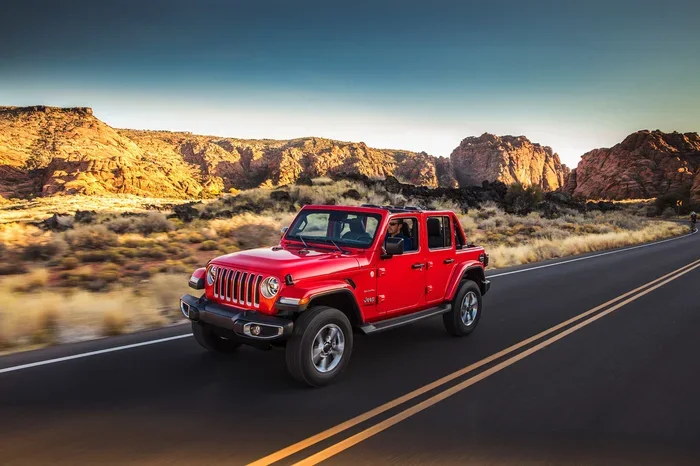
Jeep Wranglers are built to last, and with proper care, they can easily reach 200,000 to 300,000 miles. The Jeep Wrangler lifespan depends on several factors, including the model year, engine type, maintenance habits, and driving conditions. This guide covers everything you need to know about Jeep Wrangler mileage, common issues, and how to extend your vehicle’s life.
If you own a Jeep Wrangler or are considering buying one, you have probably asked yourself this question: how many miles do Jeep Wranglers last? It is a great question, and the answer is more encouraging than you might think. These iconic off-road vehicles have earned a reputation for durability and toughness. Many Jeep Wrangler owners report their trucks running strong well past the 200,000-mile mark. Some even push their Wranglers to 300,000 miles or more with proper care.
The truth is, there is no single number that answers this question. Your Jeep Wrangler mileage depends on a mix of factors. These include the model year, engine type, how well you maintain it, and the kind of driving you do. In this article, we will walk you through everything you need to know. We will look at what affects the Jeep Wrangler lifespan, common problems that pop up, and practical tips to keep your Wrangler on the road for years to come.
Whether you drive a classic YJ from the 1990s or a brand-new JL model, this guide has something for you. We will break down real owner experiences, share expert insights, and give you actionable advice. By the end, you will have a clear picture of what to expect from your Jeep Wrangler in terms of mileage and long-term reliability.
Key Takeaways
- Jeep Wranglers can last 200,000+ miles: With regular maintenance, many owners report their Wranglers reaching 300,000 miles or more.
- Model generation matters: Newer JL models often last longer thanks to improved engineering and materials.
- Maintenance is everything: Staying on top of oil changes, fluid checks, and rust prevention dramatically extends Jeep Wrangler longevity.
- Rust is the biggest enemy: Addressing rust early can save your Wrangler from major structural damage.
- Resale value stays strong: Even high-mileage Wranglers hold their value remarkably well in the used market.
- Driving habits affect lifespan: Gentle driving and avoiding extreme off-road abuse can add years to your Wrangler’s life.
📑 Table of Contents
- How Many Miles Do Jeep Wranglers Last: Key Factors That Determine Lifespan
- Jeep Wrangler Longevity by Model Generation
- Common Issues That Affect Jeep Wrangler Mileage
- How to Make Your Jeep Wrangler Last Longer
- Jeep Wrangler Resale Value and Longevity
- Real Owner Stories and Mileage Reports
- Conclusion
How Many Miles Do Jeep Wranglers Last: Key Factors That Determine Lifespan
Several key factors play a role in how long your Jeep Wrangler will last. Understanding these can help you make smarter decisions about maintenance and driving habits. Let us dive into the biggest factors that affect Jeep Wrangler longevity.
Engine Type and Its Impact
The engine in your Jeep Wrangler matters a lot when it comes to lifespan. Over the years, Jeep has offered several different engine options. Each one has its own strengths and weaknesses in terms of durability and Jeep Wrangler engine life.
The classic 2.5-liter inline-four engine was a workhorse in older models. It was simple, easy to repair, and could last a long time with basic care. The 4.0-liter inline-six engine, found in many TJ and JK models, is legendary for its reliability. Many mechanics consider it one of the most bulletproof engines ever put in a Jeep.
More recent Wranglers come with the 3.6-liter Pentastar V6. This engine offers more power and better Jeep Wrangler fuel economy than older options. It is also designed with modern materials and technology that help it last longer. The 2.0-liter turbocharged four-cylinder is another newer option. It provides strong performance but requires more careful maintenance to reach its full potential.
Here is a quick look at how the main engine options compare in terms of expected lifespan:
| Engine | Models | Expected Lifespan | Known Strengths |
|---|---|---|---|
| 2.5L Inline-4 | YJ, TJ | 200,000+ miles | Simple design, easy repairs |
| 4.0L Inline-6 | TJ, JK | 250,000+ miles | Legendary reliability, strong torque |
| 3.6L Pentastar V6 | JL, JK (later) | 250,000+ miles | Modern tech, good fuel economy |
| 2.0L Turbo I4 | JL | 200,000+ miles | Powerful, efficient, but complex |
No matter which engine you have, regular oil changes and timely repairs are the best ways to protect it. The simpler engines tend to be easier and cheaper to maintain over time, which is a big plus for Jeep Wrangler ownership costs.
Transmission and Drivetrain Factors
The transmission and drivetrain also play a big role in your Jeep Wrangler reliability. Older Wranglers often came with manual transmissions, which are generally simpler and last longer with proper care. The NV3550 and NSG370 manual gearboxes found in JK and JL models are well-regarded for their durability and Jeep Wrangler transmission life.
Automatic transmissions have improved over the years too. The 42RLE automatic in older TJ models had some known issues, but the 8HP70 automatic in newer JL models is much more robust. It handles the torque better and shifts more smoothly.
The transfer case and front and rear axles are also critical components. Jeep Wrangler 4×4 durability depends heavily on these parts staying in good shape. Regular fluid changes in the transfer case and differentials can prevent premature wear and costly repairs.
Quick Tips for Transmission Care
- Change transmission fluid every 30,000 to 60,000 miles.
- Use the factory-recommended fluid type for your model.
- Shift into neutral at stops to reduce clutch wear (manual models).
- Address any slipping or grinding sounds immediately.
Jeep Wrangler Longevity by Model Generation
Not all Jeep Wranglers are created equal when it comes to lifespan. Different model generations used different materials, engineering standards, and technology. Let us look at how each generation holds up over time and what you can expect from your Jeep Wrangler model years.
The Classic YJ and TJ Models
The YJ Wrangler (1987 to 1995) and the TJ Wrangler (1997 to 2006) are beloved by enthusiasts. These older models are simple in design, which makes them easy to repair. Many owners of YJ and TJ models report reaching 200,000 to 250,000 miles without major issues.
The main challenge with these older generations is rust. The YJ and TJ models are particularly prone to Jeep Wrangler rust issues on the body panels, frame, and rocker panels. If you live in a cold or coastal area, rust can significantly shorten your Jeep Wrangler lifespan. Regular rust inspections and prompt repairs are essential.
On the positive side, parts for these older models are abundant and affordable. You can find aftermarket support for nearly every component. This makes it easy and cost-effective to keep a YJ or TJ running for a very long time. The simple Jeep Wrangler engine options in these generations also mean fewer things can go wrong.
The JK Generation
The JK Wrangler (2007 to 2018) brought significant improvements in build quality and safety. The JK generation introduced features like electronic stability control and improved crash protection. These changes made the Wrangler more suitable for daily driving without sacrificing its off-road durability.
In terms of mileage, JK Wranglers are known for being quite durable. The 4.0-liter engine and the 3.8-liter V6 in earlier models are proven performers. The 3.6-liter Pentastar V6 that replaced it in 2012 is even better. Many JK owners report their vehicles reaching 250,000 miles with routine Jeep Wrangler maintenance.
Common issues with the JK generation include death wobble (a steering instability), soft top leaks, and occasional electrical gremlins. None of these are deal-breakers, but they do require attention. Staying on top of these issues helps maintain your Jeep Wrangler reliability over the long haul.
The Modern JL Generation
The JL Wrangler (2018 to present) represents the latest evolution in Jeep Wrangler design. It features more advanced engineering, better materials, and improved manufacturing processes. The result is a Wrangler that is expected to last even longer than its predecessors.
The JL comes with the 2.0-liter turbocharged engine or the 3.6-liter Pentastar V6. Both are modern powertrains designed for longevity. The 8-speed automatic transmission in the JL is a significant upgrade over older automatics. It reduces wear on the drivetrain and improves overall driving comfort.
Early data on JL models looks very promising for long-term durability. The improved rust protection, better sealing, and more robust electrical systems all point to a longer Jeep Wrangler lifespan compared to older generations. However, it is still early, and real-world mileage data will become clearer as these vehicles age.
Common Mistakes That Shorten Your Wrangler’s Life
- Ignoring rust spots until they become major structural problems.
- Skipping oil changes or using the wrong oil grade for your engine.
- Neglecting transfer case and differential fluid changes.
- Overloading the vehicle beyond its rated capacity.
- Driving with warning lights illuminated on the dashboard.
Common Issues That Affect Jeep Wrangler Mileage
Every vehicle has its quirks, and the Jeep Wrangler is no exception. Understanding the Jeep Wrangler common problems that affect mileage can help you address issues before they turn into expensive repairs. Let us look at the two biggest categories of concern.
Rust and Corrosion Problems
Rust is the number one enemy of any Jeep Wrangler, especially older models. The YJ and TJ generations are particularly vulnerable. Rust can attack the frame, rocker panels, wheel wells, and body seams. If left unchecked, rust can cause serious structural damage that shortens your Jeep Wrangler lifespan significantly.
Modern Wranglers have improved rust protection, but they are not immune. The JL generation still has reported rust issues on some models, particularly around the windshield seal and door hinges. Regular washing, waxing, and applying rust inhibitor can help prevent corrosion from taking hold.
If you live in an area that uses road salt in winter, you need to be extra vigilant. Washing the undercarriage regularly during winter months can make a huge difference. Catching rust early and treating it promptly is always cheaper than letting it spread and cause frame damage. This is one of the most important aspects of Jeep Wrangler maintenance that many owners overlook.
Electrical and Mechanical Wear
As Jeep Wranglers age, electrical issues can start to appear. Older models may experience problems with the wiring harness, ground connections, and various sensors. Newer models have more complex electrical systems, which can develop issues over time as well.
Mechanical wear is another factor that affects Jeep Wrangler mileage. Suspension components, ball joints, tie rod ends, and control arm bushings all wear out over time. These parts are relatively inexpensive to replace, but ignoring them can lead to more serious damage and unsafe driving conditions.
The Jeep Wrangler repair costs for these common issues are generally manageable. Most suspension repairs fall in the $200 to $800 range depending on the part and labor. Electrical repairs can vary widely, from simple ground wire fixes to more complex harness replacements. Staying proactive with inspections keeps these costs low.
Expert Insight
Many mechanics agree that the Jeep Wrangler’s mechanical simplicity is its greatest strength. Unlike modern SUVs with complex computer systems, the Wrangler is straightforward to diagnose and repair. This simplicity contributes directly to its long lifespan and lower long-term Jeep Wrangler ownership costs.
How to Make Your Jeep Wrangler Last Longer
Want to push your Jeep Wrangler past 200,000 miles or even 300,000 miles? It is absolutely possible with the right approach. Here are the most important steps you can take to extend your Jeep Wrangler longevity and keep your truck running strong.
Regular Maintenance Schedule
The single most important thing you can do for your Jeep Wrangler is follow a consistent maintenance schedule. This means staying on top of oil changes, fluid checks, filter replacements, and inspections. Here is a basic maintenance timeline to follow:
- Every 5,000 to 7,500 miles: Change the engine oil and oil filter. Check all fluid levels including coolant, brake fluid, and transmission fluid.
- Every 15,000 miles: Replace the air filter and inspect the brake system. Check the battery and electrical connections.
- Every 30,000 miles: Change the transmission fluid and transfer case fluid. Inspect the cooling system and replace the coolant if needed.
- Every 60,000 miles: Replace spark plugs (gasoline models). Inspect the drivetrain and suspension components thoroughly.
- Every 100,000 miles: Consider a major service including timing chain inspection (if applicable), fuel system cleaning, and a comprehensive drivetrain check.
Sticking to this schedule might seem like a lot, but it pays off enormously. A well-maintained Jeep Wrangler reliability rating stays strong for decades. The cost of regular maintenance is far less than the cost of major repairs caused by neglect. Think of it as an investment in your vehicle’s future.
Driving Habits That Extend Lifespan
How you drive your Jeep Wrangler also affects its longevity. Aggressive driving, excessive idling, and ignoring warning signs all take a toll on the engine and drivetrain. Here are some driving habits that can help your Wrangler last longer:
- Warm up the engine gently before pushing it hard, especially in cold weather.
- Avoid rapid acceleration and hard braking when possible.
- Do not overload the vehicle beyond its rated capacity.
- Shift to neutral at stops to reduce strain on the engine and transmission.
- Address unusual noises, vibrations, or warning lights immediately.
- Take your Wrangler on regular drives to keep all systems lubricated and functioning properly.
These habits might seem minor, but they add up over tens of thousands of miles. They help reduce wear on the engine, transmission, brakes, and suspension. Over time, they can add years to your Jeep Wrangler lifespan and save you money on Jeep Wrangler repair costs.
Quick Tips for Maximizing Your Wrangler’s Mileage
- Keep a maintenance log to track all services and repairs.
- Use OEM or high-quality aftermarket parts for repairs.
- Store your Wrangler in a dry, covered area when possible.
- Wash the undercarriage regularly, especially in winter months.
- Address small issues before they become big and expensive problems.
Jeep Wrangler Resale Value and Longevity
One of the most impressive things about Jeep Wranglers is how well they hold their value. Even high-mileage Wranglers remain desirable in the used market. This is a direct reflection of the vehicle’s reputation for durability and the strong Jeep Wrangler community of loyal owners.
Why Wranglers Hold Value So Well
Several factors contribute to the Jeep Wrangler resale value. First, the Wrangler has a massive and passionate fan base. People love these vehicles, and demand remains strong year after year. Second, the Wrangler’s simple design makes it easy to maintain and repair, which means used buyers are not inheriting a money pit.
Third, Jeep Wranglers are versatile. They can be daily drivers, weekend off-roaders, and everything in between. This versatility appeals to a wide range of buyers. Finally, the iconic design of the Wrangler has remained largely unchanged for decades. People buy Wranglers because they love the Wrangler look and feel, and that does not go out of style.
According to data from automotive valuation sources, Jeep Wranglers retain about 60 to 70 percent of their value after five years. This is excellent for a vehicle that is used both on and off the road. The strong resale market also means that your Jeep Wrangler longevity translates directly into financial value.
High-Mileage Wranglers in the Market
If you are shopping for a used Jeep Wrangler, do not be afraid of higher mileage. A well-maintained Wrangler with 200,000 miles can be a better buy than a neglected one with 80,000 miles. The key is to look at the maintenance history and get a pre-purchase inspection from a trusted mechanic.
When evaluating a high-mileage Wrangler, pay close attention to the frame for rust, the suspension for wear, and the engine for any signs of trouble. A vehicle that has been properly maintained at 200,000 miles will likely continue to run well for another 50,000 to 100,000 miles with the right care.
The Jeep Wrangler ownership costs for high-mileage vehicles are generally reasonable. Parts are widely available and affordable, and the mechanical simplicity keeps repair costs lower than many competing vehicles. This makes Wranglers an excellent choice for buyers looking for a long-term, cost-effective vehicle with proven Jeep Wrangler reliability.
Real Owner Stories and Mileage Reports
The best way to understand how many miles Jeep Wranglers last is to hear from real owners. The Jeep Wrangler community is active and passionate, and many owners share their mileage stories online. Let us look at some real-world insights from the community.
Community Insights
Jeep Wrangler forums and social media groups are full of stories from owners who have pushed their vehicles to incredible mileage. It is not uncommon to see posts from owners celebrating 250,000 miles or 300,000 miles on their Wranglers. Many of these owners credit regular maintenance and gentle driving for their success.
One common theme in these stories is the importance of addressing small issues early. Owners who catch rust spots, fluid leaks, or unusual sounds early tend to have much better long-term results. Those who ignore warning signs often face much more expensive repairs down the road.
The community also shares practical tips for extending Jeep Wrangler mileage. These include using rust inhibitors, upgrading to synthetic oil, installing better air filters, and performing regular undercarriage washes. These small efforts can add up to significant gains in long-term durability and off-road durability.
What the Data Shows
When we look at the broader data, the picture is clear. Jeep Wrangler reliability ratings from sources like Consumer Reports and J.D. Power consistently place the Wrangler in the average to above-average range for vehicle longevity. The 4.0-liter engine in particular has a reputation for exceptional durability and is often cited as one of the most reliable engines in the Jeep lineup.
The average Jeep Wrangler lifespan is estimated at around 200,000 to 250,000 miles for most model years. With excellent maintenance and favorable driving conditions, many Wranglers exceed this range. The key takeaway is that your Jeep Wrangler mileage is largely in your hands. How well you care for the vehicle directly impacts how long it lasts.
For prospective buyers, this data is encouraging. A used Jeep Wrangler with 150,000 miles is not near the end of its life. With proper care, it could easily go another 100,000 miles or more. The proven Jeep Wrangler reliability and durability are backed by decades of production and millions of miles driven by enthusiasts around the world.
Expert Insight
Automotive experts consistently point out that the Jeep Wrangler’s design philosophy prioritizes durability over complexity. The solid axle design, body-on-frame construction, and simple mechanical systems all contribute to a vehicle that is built to last. This is why the Wrangler remains one of the longest-lasting vehicles in its class and continues to be a favorite among off-road enthusiasts and daily drivers alike.
Conclusion
So, how many miles do Jeep Wranglers last? The answer is clear: with proper care and maintenance, a Jeep Wrangler can easily last 200,000 to 300,000 miles or more. The Jeep Wrangler lifespan depends on several factors, including the model generation, engine type, maintenance habits, and driving conditions. But the bottom line is that these vehicles are built to endure.
Rust prevention, regular maintenance, and smart driving habits are the keys to maximizing your Jeep Wrangler mileage. The JK and JL generations offer improved durability and modern features that make long-term ownership even more rewarding. Whether you are a first-time Wrangler buyer or a longtime owner, taking care of your vehicle pays off in reliability, enjoyment, and strong resale value.
The Jeep Wrangler is more than just a vehicle. It is a lifestyle, a community, and a proven machine that has earned its reputation for toughness and longevity. By following the tips in this guide, you can ensure your Wrangler stays on the road and ready for adventure for many miles to come. Take care of your Jeep Wrangler, and it will take care of you for decades.
Frequently Asked Questions
What is the average Jeep Wrangler lifespan in miles?
Most Jeep Wranglers last between 200,000 and 300,000 miles with proper maintenance. Some well-cared-for models exceed 300,000 miles. Your mileage will depend on engine type, driving habits, and how consistently you follow the maintenance schedule.
Is a Jeep Wrangler with 200,000 miles still reliable?
Yes, a well-maintained Jeep Wrangler with 200,000 miles can still be very reliable. The key is to review the maintenance history and have a trusted mechanic inspect the vehicle before purchase. Many Wranglers continue running strong well beyond this mileage.
How often should I maintain my Jeep Wrangler to maximize its lifespan?
You should change the oil every 5,000 to 7,500 miles and follow a regular maintenance schedule for fluids, filters, and inspections. Staying on top of these services is the single best way to extend your Jeep Wrangler longevity and prevent costly repairs.
What causes rust on Jeep Wranglers and how can I prevent it?
Rust is caused by moisture, road salt, and exposure to the elements, especially on older models. You can prevent it by washing the undercarriage regularly, applying rust inhibitors, and addressing any rust spots immediately before they spread to structural areas.
Which Jeep Wrangler model generation lasts the longest?
The modern JL generation (2018 to present) shows the most promise for long-term durability thanks to improved materials and engineering. However, the JK generation and older models like the TJ with the 4.0-liter engine are also known for exceptional longevity when properly maintained.
Are Jeep Wranglers expensive to repair compared to other SUVs?
Generally, no. Jeep Wranglers have simple mechanical systems and abundant affordable parts, which keeps Jeep Wrangler repair costs lower than many competing SUVs. The mechanical simplicity also makes repairs easier and less labor-intensive for most shops.