Ford Focus Wont Start but Has Power: Causes and Fixes
A Ford Focus that has dashboard power but refuses to start is a frustrating problem with several common culprits. From a weak battery and bad ignition relay to a faulty starter motor or dead key fob battery, the reasons are usually fixable at home. This guide walks you through every likely cause, how to test for it, and the best way to repair it. You will learn practical steps to diagnose and solve the Ford Focus wont start but has power issue quickly and affordably.
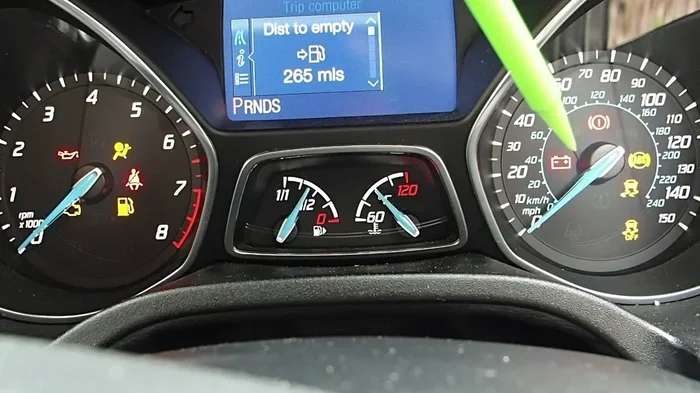
There is nothing quite like the feeling of turning your key or pressing the start button and hearing nothing but silence. Your Ford Focus has power. The dashboard lights up. The radio works. But the engine simply will not turn over. It is one of the most confusing and annoying problems a car owner can face.
If you are dealing with a Ford Focus wont start but has power situation, you are not alone. This is a very common issue that affects many Ford Focus models across different years. The good news is that the causes are usually straightforward. Most of the time, you can fix the problem yourself without spending a lot of money on a mechanic.
This article breaks down every possible reason your Ford Focus has electrical power but will not start. We will cover the most common causes, how to test for each one, and the best way to fix it. Whether you are a beginner or a seasoned DIYer, you will find practical steps that actually work.
Key Takeaways
- Battery and electrical connections are the most common cause: Corroded terminals or a weak battery can give you dashboard lights but prevent starting.
- The ignition relay and starter motor are frequent failures: These components can fail even when your Ford Focus has full electrical power.
- A dead key fob battery or immobilizer issue can mimic a no-start condition: The car sees power but refuses to recognize the key.
- Fuel pump and crankshaft sensor problems cause power-with-no-start symptoms too: Your engine needs both fuel and a proper signal to fire up.
- Most fixes are affordable and DIY-friendly: You can replace relays, fuses, and batteries without visiting a mechanic.
- Preventive maintenance saves you from future headaches: Regular checks of your battery, terminals, and fuses keep your Ford Focus running smoothly.
📑 Table of Contents
- Why Your Ford Focus Has Power But Won’t Start
- Common Causes for Ford Focus Won’t Start but Has Power
- How to Diagnose the Problem Yourself
- Step-by-Step Fixes for Each Cause
- Powertrain Control Module and Electrical Issues
- Preventive Maintenance Tips
- When to See a Professional Mechanic
- Common Mistakes to Avoid
- Quick Tips to Remember
- Key Takeaways
- Conclusion
Why Your Ford Focus Has Power But Won’t Start
Understanding why your car has power but will not start starts with knowing how your vehicle works. When you turn the key or push the start button, several systems need to work together. The battery sends power to the starter motor. The starter motor turns the engine. The fuel pump delivers gasoline. The spark plugs ignite the fuel. If any one of these parts fails, your engine will not start even though everything else works.
This is why a Ford Focus wont start but has power is such a common problem. The electrical system is alive and well, but something in the starting or fuel system has failed. The dashboard lights, the radio, the headlights — they all draw very little power. The starter motor, on the other hand, needs a huge burst of energy. When something goes wrong in that chain, your car shows you power but refuses to start.
The most important thing to remember is this: your car is telling you something. It is not a random mystery. There is a specific reason, and once you identify it, the fix is usually simple. Let us walk through every possible cause.
The Difference Between a No-Start and a No-Crank
Before we dive deeper, it helps to understand the difference between a no-start and a no-crank. A no-crank means you turn the key and hear nothing at all. The engine does not even try to turn. A no-start means the engine cranks — you hear the starter motor working — but it will not fire up and run.
Both situations fall under the Ford Focus wont start but has power umbrella. But the causes are different. A no-crank problem usually points to the starter motor, ignition switch, or electrical connection. A no-start problem often involves the fuel pump, spark plugs, or crankshaft position sensor. Knowing which one you have helps you narrow down the cause fast.
Common Causes for Ford Focus Won’t Start but Has Power
Let us get into the meat of the issue. Here are the most common reasons your Ford Focus has power but will not start. Each one comes with clear symptoms and practical fixes.
Weak or Failing Battery
Even though your dashboard lights work, your battery might not have enough juice to crank the engine. The starter motor needs a massive amount of power — much more than your radio or dashboard lights. A battery that is partially dead can still power your accessories but fail when asked to start the engine.
Look for these signs of a weak battery:
- Dashboard lights are dimmer than usual.
- The starter motor turns slowly or sluggishly.
- Your Ford Focus has been sitting for a while without driving.
- You live in a cold climate, which drains batteries faster.
A battery tester is the best tool for checking your battery health. You can pick one up for under $30 at any auto parts store. If your battery is more than three to five years old, it might be time for a replacement.
Corroded or Loose Battery Terminals
This is one of the sneakiest causes of a Ford Focus wont start but has power problem. Your battery terminals can look fine on the outside but be covered in a white or greenish crust of corrosion on the inside. This corrosion blocks the electrical connection between the battery and the rest of the car.
To check for this, pop the hood and look at your battery terminals. If you see any buildup, you have found your problem. The fix is simple:
- Disconnect the negative terminal first, then the positive.
- Clean the terminals with a wire brush or a baking soda and water solution.
- Reconnect the positive terminal first, then the negative.
- Try starting your car again.
Many people overlook this simple fix. A clean connection can make all the difference between a car that starts and one that does not.
Faulty Starter Motor
The starter motor is the part that actually turns your engine over when you start the car. If it fails, you might hear a single click when you turn the key, or nothing at all. Your Ford Focus will still have power because the electrical system is separate from the starter motor.
Signs of a bad starter motor include:
- A single loud click when you turn the key.
- Whirring noise without the engine turning over.
- Intermittent starting — sometimes it works, sometimes it does not.
Replacing a starter motor on a Ford Focus is a moderate DIY job. You will need basic tools and about an hour of your time. The part itself usually costs between $100 and $300 depending on your model year.
Bad Ignition Relay
The ignition relay is a small electrical switch that sends power from the battery to the starter motor and ignition system. When this relay goes bad, your Ford Focus has power for everything else but cannot send power to the starting system.
This is one of the easiest and cheapest fixes. The ignition relay is located in your fuse box. You can find the exact location in your Ford Focus owner’s manual. Simply swap the ignition relay with a similar relay in the box — like the fuel pump relay — and test your car.
If the car starts with the swapped relay, you have found your culprit. Replace the faulty relay, and your problem is solved. This fix costs under $10 and takes about five minutes.
Dead Key Fob Battery
If your Ford Focus uses a push-button start, a dead key fob battery can cause a no-start condition even though your car has full power. The car’s computer cannot recognize the key fob, so it will not allow the engine to start. This is a security feature called the immobilizer system.
Signs of a dead key fob battery include:
- The push-button start does not respond at all.
- The security light on the dashboard stays on.
- The key fob works for locking/unlocking but not for starting.
Most Ford Focus key fobs use a CR2032 battery. Replacing it is as easy as popping open the fob, swapping the old battery for a new one, and snapping it back together. This is a fix you can do in under two minutes.
As a quick tip, always keep a spare CR2032 battery in your glove box. It saves you from being stranded with a dead key fob battery.
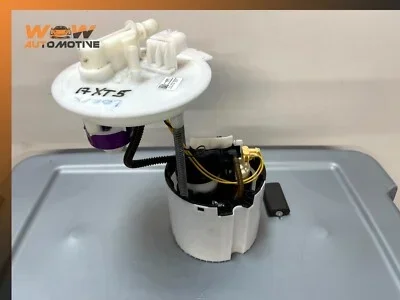
Failed Fuel Pump
Your engine needs fuel to run. The fuel pump sends gasoline from the tank to the engine. When the fuel pump fails, your Ford Focus will crank but not start. You might hear the fuel pump hum for a second when you turn the key to the ON position, but then nothing happens.
Here are signs of a failing fuel pump:
- The engine cranks but will not fire up.
- Your car stalls unexpectedly while driving.
- You notice a whining noise coming from the fuel tank area.
- Your car struggles to start after sitting for a while.
Fuel pump replacement is more involved than the fixes above. It usually requires dropping the fuel tank or accessing the pump from inside the trunk. If you are not comfortable with this, it is worth having a professional handle it. The part and labor typically cost between $400 and $800.
Crankshaft Position Sensor Failure
The crankshaft position sensor tells your engine’s computer exactly where the crankshaft is at all times. Without this information, the computer cannot time the spark plugs or fuel injectors correctly. The result is a Ford Focus that cranks but will not start.
This sensor is relatively inexpensive and easy to replace on most Ford Focus models. The part usually costs between $20 and $60. The location varies by model year, but it is typically found near the front of the engine, close to the crankshaft pulley.
If your check engine light is on and you see a crankshaft position sensor code, this is almost certainly your problem. A simple OBD2 scanner can confirm it.
Blown Fuse or Faulty Fuse Box
Your Ford Focus has multiple fuses that protect different electrical circuits. If the fuse for the starter motor, fuel pump, or ignition system blows, your car will have power but will not start. This is a surprisingly common and often overlooked cause.
Check your fuse box for blown fuses. Look for the fuse with a broken or melted filament inside. Replace it with a new fuse of the same amperage. If the new fuse blows right away, you have a deeper electrical issue that needs professional diagnosis.
How to Diagnose the Problem Yourself
Diagnosing why your Ford Focus wont start but has power does not require a degree in engineering. With a few basic tools and a systematic approach, you can find the cause in under an hour.
Step 1: Check the Battery Voltage
Use a multimeter to test your battery voltage. A fully charged battery should read 12.6 volts or higher. If it reads below 12.0 volts, your battery is weak and might not have enough power to crank the engine. A reading between 12.0 and 12.6 means the battery is okay, and you need to look at other causes.
Step 2: Turn the Key to the ON Position and Listen
Before you try to start the car, turn the key to the ON position without starting the engine. Listen for a brief hum from the back of the car. That hum is your fuel pump priming. If you do not hear it, your fuel pump or its relay might be the problem.
Step 3: Check for the Security Light
Look at your dashboard when you turn the key to the ON position. If the security light stays on and does not go off after a few seconds, your car’s immobilizer system might be preventing the engine from starting. This often points to a key fob battery issue or a problem with the immobilizer module.
Step 4: Inspect the Starter Motor
Have someone turn the key while you tap lightly on the starter motor with a rubber mallet. If the car starts after tapping, your starter motor has a dead spot and needs replacement. This is a classic diagnostic trick that mechanics use every day.
Step 5: Check All Relevant Fuses
Go through your fuse box and inspect every fuse related to starting, fuel, and ignition. Replace any blown fuses and try starting the car again. If a fuse blows again immediately, stop and seek professional help — you might have a short circuit.
Step-by-Step Fixes for Each Cause
Now that you have diagnosed the problem, here is how to fix each cause step by step.
Fixing a Weak Battery
If your battery is low, you have two options. You can jump-start your Ford Focus using jumper cables and another vehicle. Once the car is running, drive it for at least 20 minutes to recharge the battery. If the battery is old and won’t hold a charge, replace it with a new one. Make sure to choose the correct group size for your Ford Focus model year.
Fixing Corroded Terminals
Clean the terminals with a wire brush or a mixture of baking soda and water. Apply a thin layer of petroleum jelly or dielectric grease after cleaning to prevent future corrosion. This simple maintenance step can prevent many starting problems down the road.
Replacing the Starter Motor
Disconnect the battery. Locate the starter motor, which is usually at the bottom of the engine near the transmission. Disconnect the electrical connector and the mounting bolts. Remove the old starter and install the new one in reverse order. Reconnect the battery and test your car.
Swapping the Ignition Relay
Open your fuse box and locate the ignition relay. Pull it out and swap it with a relay of the same type and amperage. Try starting your car. If it works, buy a new ignition relay and replace the old one permanently.
Replacing the Key Fob Battery
Use a small flathead screwdriver to pry open the key fob. Remove the old CR2032 battery and insert a new one, making sure the positive side faces up. Snap the fob back together and try starting your car.
Replacing the Fuel Pump
This is a more involved repair. You will need to access the fuel pump, which is usually inside the fuel tank. Remove the rear seat or access panel, disconnect the fuel lines and electrical connector, and swap out the old pump for the new one. Reassemble everything and test your car.
If you are not comfortable working with fuel components, have a professional do this repair. Safety comes first.
Replacing the Crankshaft Position Sensor
Locate the sensor near the crankshaft pulley. Disconnect the electrical connector, remove the mounting bolt, and pull out the old sensor. Install the new sensor, reconnect the electrical connector, and clear any error codes with an OBD2 scanner. Your Ford Focus should start normally after this fix.
Powertrain Control Module and Electrical Issues
In rare cases, the problem might be with the powertrain control module, which is the main computer that controls your engine and transmission. If this module fails, your Ford Focus might have power but will not start because it cannot send the correct signals to the starter motor, fuel pump, or ignition system.
Signs of a failing powertrain control module include:
- Multiple warning lights on the dashboard.
- The car starts sometimes but not other times.
- Unexplained stalling or poor performance.
- Error codes related to multiple systems.
If you suspect a powertrain control module issue, take your car to a qualified mechanic. Replacing this module requires specialized programming and is not a DIY fix for most people.
Ground Wire Problems
Your Ford Focus relies on proper grounding to complete electrical circuits. If a ground wire is loose, corroded, or broken, your car can have power for some systems but not enough to start. Check the ground wires connecting the battery to the engine and the chassis. Clean any corrosion and tighten the connections.
Preventive Maintenance Tips
The best way to avoid a Ford Focus wont start but has power problem is to stay ahead of it with regular maintenance.
Battery Maintenance
Check your battery voltage every few months. Clean the terminals at least once a year. Replace your battery every three to five years, even if it seems to be working fine. Prevention is always cheaper than repair.
Key Fob Battery Replacement
Replace your key fob battery once a year, or whenever you notice the range decreasing. Keep a spare battery in your car at all times.
Regular Fuse Checks
Open your fuse box every few months and visually inspect the fuses. Replace any that look discolored or have broken filaments. This takes five minutes and can save you from unexpected no-start situations.
Fuel System Care
Keep your fuel tank at least a quarter full at all times. This keeps the fuel pump cool and extends its life. Use quality fuel and consider adding a fuel system cleaner every few thousand miles.
When to See a Professional Mechanic
Not every problem is a DIY fix. If you have checked the battery, terminals, fuses, and key fob, and your Ford Focus still will not start, it is time to see a professional. Similarly, if you smell fuel, see fluid leaks, or notice any unusual noises, do not attempt to drive or keep working on the car yourself.
A professional mechanic has specialized tools like advanced diagnostic scanners and oscilloscopes that can pinpoint electrical problems quickly. They can also safely work on fuel system components and complex electrical systems that require specialized knowledge.
Here are signs you should seek professional help:
- Your car cranks but will not start after checking all common causes.
- You see fluid leaking under your car.
- The check engine light is flashing, not solid.
- You hear unusual grinding or knocking noises when you try to start.
- Multiple electrical systems are malfunctioning at the same time.
Common Mistakes to Avoid
When dealing with a Ford Focus wont start but has power problem, people often make mistakes that make things worse or waste their time.
One common mistake is replacing the battery when the real problem is a corroded terminal. Cleaning the terminals might solve the issue for free, and buying a new battery is unnecessary.
Another mistake is ignoring the key fob battery. Many people assume the car has an electrical problem when the real issue is a dead key fob battery. Always check the simplest things first.
Some people keep trying to start the car repeatedly when the engine will not turn over. This can overheat the starter motor and cause additional damage. If your car does not start after three or four attempts, stop and diagnose the problem properly.
Finally, do not ignore warning signs. If your Ford Focus has been showing dimming lights, slow cranking, or intermittent starting problems for weeks, address them now before they become a full no-start situation.
Quick Tips to Remember
Keep these quick tips in mind for your next no-start situation:
- Always check the battery and terminals first. They are the cheapest and easiest fix.
- Keep a multimeter in your glove box. It helps you test battery voltage and electrical connections quickly.
- Carry a spare key fob battery. A dead key fob battery is the easiest fix to miss.
- Know where your fuse box is. Checking fuses takes five minutes and solves many problems.
- Do not panic if the car will not start. Stay calm, work through the checklist, and you will find the cause.
Key Takeaways
- A Ford Focus wont start but has power is usually caused by a weak battery, corroded terminals, or a bad ignition relay.
- The starter motor, fuel pump, and crankshaft position sensor are common mechanical causes of this problem.
- A dead key fob battery can prevent push-button start models from starting even though the car has full electrical power.
- Most of these fixes are affordable and can be done at home with basic tools.
- Regular maintenance of your battery, terminals, fuses, and key fob prevents most no-start problems.
- When in doubt, consult a professional mechanic for complex electrical or fuel system issues.
Conclusion
Dealing with a Ford Focus wont start but has power situation is frustrating, but it is almost always fixable. The causes range from simple solutions like a dead key fob battery or corroded terminals to more involved repairs like a failed fuel pump or starter motor. The key is to work through the possibilities systematically, starting with the easiest and cheapest fixes first.
By understanding how your Ford Focus starting system works and knowing the common causes, you can save time and money. Most of the fixes described in this article can be done at home with basic tools and about an hour of your time. Even if you need professional help, knowing the cause beforehand saves you from being overcharged or misdiagnosed.
Take care of your Ford Focus, and it will take care of you. Keep your battery healthy, your terminals clean, your fob battery fresh, and your fuses in good shape. These simple habits go a long way toward preventing a no-start situation and keeping your car reliable for years to come.
Now that you know the causes and fixes for a Ford Focus that has power but will not start, you are ready to tackle the problem head-on. Grab your tools, follow the steps in this guide, and get back on the road with confidence.
Frequently Asked Questions
Why does my Ford Focus have power but won’t start?
The most common reasons are a weak battery, corroded terminals, a bad ignition relay, a faulty starter motor, or a dead key fob battery. Your car’s electrical system can power the dashboard and accessories while the starting system fails independently. Check the battery voltage and terminals first, as these are the easiest and most affordable fixes.
Can a dead key fob battery cause a Ford Focus not to start?
Yes, absolutely. If your Ford Focus uses a push-button start system, the car’s computer needs to recognize the key fob before it will allow the engine to start. A dead key fob battery prevents this recognition. Replacing the CR2032 battery inside the fob usually solves this problem in under two minutes.
How do I know if my starter motor is bad?
Signs of a bad starter motor include a single loud click when you turn the key, a whirring sound without the engine turning over, or intermittent starting failures. You can also tap lightly on the starter motor with a rubber mallet while someone turns the key. If the car starts after tapping, the starter motor likely needs replacement.
What is the cost to fix a Ford Focus that won’t start?
The cost depends entirely on the cause. Replacing a key fob battery costs about $5. An ignition relay costs under $10. A new battery ranges from $100 to $200. A starter motor replacement costs $200 to $400 for parts and labor. A fuel pump replacement can run $400 to $800. Always diagnose the specific cause before replacing parts.
Should I jump-start my Ford Focus if it won’t start but has power?
It depends. If the battery is weak, a jump-start can get your car running temporarily. However, if the real problem is a bad starter motor, ignition relay, or fuel pump, a jump-start will not help at all. Always check the battery voltage first to confirm it is the issue before attempting a jump-start.
How can I prevent my Ford Focus from not starting in the future?
Replace your battery every three to five years, clean the terminals annually, check your fuses regularly, and replace your key fob battery once a year. Keeping your fuel tank at least a quarter full also helps extend the life of the fuel pump. These simple habits prevent most no-start problems before they happen.