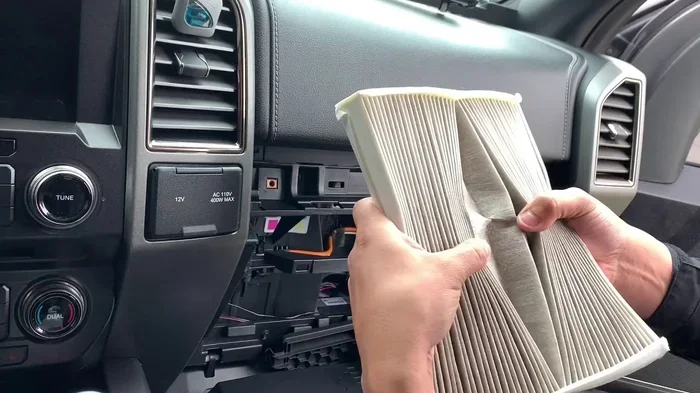
Does Your 2006 Ford F-150 Have a Cabin Air Filter
The 2006 Ford F-150 does not come with a factory cabin air filter. This means the truck relies on a basic airflow system without built-in dust and pollen filtration. However, you can still improve your cab air quality with aftermarket solutions and simple maintenance tips.
Have you ever wondered about the air you breathe inside your 2006 Ford F-150? Whether you use your truck for work, hauling, or weekend adventures, the quality of air inside the cab matters more than most people think. One question that comes up often is whether this classic pickup has a cabin air filter. The short answer is no, not from the factory. But the full story is more interesting than you might expect. In this article, we will break down everything you need to know about cabin air filtration in the 2006 F-150. You will learn what a cabin air filter does, why your truck lacks one, and how you can still achieve clean, fresh air inside the cab.
Many truck owners assume their vehicle has a cabin filter simply because newer models do. The truth is, Ford made significant changes to the F-150 lineup over the years. The 2006 model year sits in an interesting spot in the timeline. Understanding this helps you make better decisions about maintaining and improving your truck. Let us dive into the details and give you practical solutions that actually work.
Key Takeaways
- No Factory Cabin Filter: The 2006 Ford F-150 was not equipped with a cabin air filter from the factory.
- Aftermarket Options Exist: You can add a cabin air filter to your 2006 F-150 through retrofit kits and aftermarket solutions.
- Air Quality Matters: Without a cabin filter, dust, pollen, and allergens can enter the cab through the ventilation system.
- Easy Installation: Retrofitting a cabin air filter is a straightforward process that most truck owners can handle at home.
- Regular Maintenance Helps: Simple steps like cleaning vents and replacing engine air filters improve overall cab air quality.
- Know the Difference: A cabin air filter is different from the engine air filter, and both play important roles.
- Health Benefits: Adding filtration can reduce sneezing, coughing, and allergy symptoms while driving.
📑 Table of Contents
- What Is a Cabin Air Filter and Why Does It Matter?
- Does the 2006 Ford F-150 Come With a Cabin Air Filter?
- How to Tell If Your F-150 Has a Cabin Air Filter
- Benefits of Adding a Cabin Air Filter to Your 2006 F-150
- How to Install an Aftermarket Cabin Air Filter in Your 2006 F-150
- Maintaining Clean Air Inside Your F-150 Cab
- Common Mistakes Truck Owners Make About Cabin Air Filters
- Expert Insights on Truck Cabin Air Quality
- Key Takeaways
- Conclusion
What Is a Cabin Air Filter and Why Does It Matter?
A cabin air filter is a small filtration device placed inside the vehicle’s HVAC system. It sits between the outside air intake and the interior of the cab. Its job is simple but important. It catches dust, pollen, mold spores, and other airborne particles before they reach you. Think of it as a shield for your lungs while you drive.
Most modern vehicles come with this filter standard. It is usually located behind the glove box or under the dashboard. When air flows through the vents, it passes through this filter first. This keeps the interior air quality much cleaner than it would be otherwise. For people with allergies or asthma, a cabin filter can make a huge difference in daily comfort.
How Does Cabin Filtration Work?
The air filtration process is straightforward. Outside air enters the vehicle through vents near the base of the windshield. That air then flows through the cabin filter. The filter traps tiny particles like dust, pollen, and even some bacteria. Clean air then moves through the HVAC system and into the cab. This whole process happens every time you run the fan or air conditioning.
The filter itself is usually made of folded paper or synthetic material. Some premium filters include activated charcoal layers. These charcoal layers help absorb odors and harmful gases. This adds another level of protection for you and your passengers. Over time, the filter fills up with trapped particles. That is why regular cabin filter replacement is so important.
Why Is Interior Air Quality Important in Trucks?
Trucks like the Ford F-150 spend a lot of time on dusty roads and construction sites. The cab can collect a surprising amount of debris. Without proper air purification, this debris circulates every time you turn on the fan. You might notice dust settling on the dashboard or a musty smell coming from the vents. These are signs that your air quality needs attention.
Good cabin airflow does more than just keep you comfortable. It can reduce fatigue on long drives. It helps you stay alert and focused. It also prevents unpleasant odors from building up inside the truck. For families who use their F-150 as a daily driver, clean air is especially important for children and older passengers.
Does the 2006 Ford F-150 Come With a Cabin Air Filter?
Here is the direct answer. The 2006 Ford F-150 does not include a factory cabin air filter. Ford did not equip this model year with one. If you look through the owner’s manual, you will not find any reference to a cabin filter. This is because Ford started adding them to the F-150 lineup a few years later.
Some people confuse the cabin air filter with the engine air filter. The engine air filter is a completely different part. It sits in the engine bay and cleans air before it enters the combustion chamber. The 2006 F-150 absolutely does have an engine air filter. But the cabin air filter is meant for the passenger area. These two filters serve different purposes and are located in different places.
When Did Ford Start Adding Cabin Air Filters to the F-150?
Ford began including cabin air filters on the F-150 starting around the 2007 and 2008 model years. This change came as part of a broader industry trend. Automakers recognized that customers wanted better interior air quality. By the mid-2000s, most passenger vehicles and many trucks had adopted this feature.
The 2006 F-150 sits just before this shift. It was one of the last model years without a factory cabin filter. If you own a 2006 model, you are not missing out on a defective vehicle. You simply have a truck built before this feature became standard. The good news is that you can still add this filtration system yourself.
Why Did Ford Omit It From the 2006 Model?
In 2006, cabin air filters were not yet universal across all vehicle segments. Ford focused on other features for the F-150 that year. Things like improved towing capacity, better fuel economy, and updated styling took priority. The cabin filtration concept was still relatively new in the truck market.
Cost was also a factor. Adding a cabin filter increases manufacturing complexity and price. Ford kept the 2006 F-150 competitive by offering strong value without every luxury feature. For many buyers, this was a smart trade-off. The truck delivered excellent performance and durability at an affordable price point.
How to Tell If Your F-150 Has a Cabin Air Filter
If you are unsure whether your specific truck has a cabin filter, there are a few ways to check. This is especially helpful if you bought a used 2006 F-150 and are not sure what has been modified. Let us walk through the easiest methods.
Check the Owner’s Manual
The fastest way is to look at the owner’s manual. Search for sections about the HVAC system or maintenance schedule. If there is no mention of a cabin air filter, your truck likely does not have one. The 2006 F-150 manual will not reference this part at all. That is a clear indicator that the factory did not include it.
Look Behind the Glove Box
In vehicles that have a cabin filter, it is usually accessible behind the glove box. Open the glove box and look for a rectangular housing or a removable cover. If you see nothing like that, your truck probably does not have a factory filter. On the 2006 F-150, the glove box area is straightforward with no hidden filter compartment.
Check for Aftermarket Additions
Sometimes a previous owner added an aftermarket cabin filter kit. If the truck has been modified, there might be a filter hidden somewhere in the ventilation system. Look closely at the area under the dashboard near the firewall. You might find a small filter holder that was installed after the truck was built.
Signs Your Truck Might Benefit From a Cabin Filter
Even without a factory cabin filter, there are signs that your cab air could be better. If you notice excessive dust on the dashboard shortly after cleaning it, that is a red flag. A musty or stale smell when you turn on the fan is another sign. Frequent sneezing or coughing while driving can also point to poor cabin air quality. If any of these sound familiar, adding a cabin filter is a smart move.
Benefits of Adding a Cabin Air Filter to Your 2006 F-150
Just because your truck did not come with a factory cabin filter does not mean you cannot enjoy the benefits. Aftermarket cabin air filter solutions are widely available and easy to install. Let us look at the key advantages.
Improved Air Quality for Allergy Sufferers
If you suffer from seasonal allergies, a cabin filter can be a game changer. It catches pollen, mold spores, and dust before they enter the cab. This means less sneezing, fewer itchy eyes, and easier breathing while you drive. For families with young children or elderly passengers, this benefit is especially meaningful.
Reduced Dust and Debris Inside the Cab
Dust is a constant companion for anyone who drives a truck regularly. A cabin filtration system dramatically reduces the amount of dust that settles on surfaces. Your dashboard, seats, and vents stay cleaner for longer. This means less frequent interior cleaning and a more pleasant driving environment.
Better Odor Control
Charcoal-infused cabin filters do more than catch particles. They also absorb unpleasant odors. Whether it is road grime, exhaust fumes, or the smell of pets, a good filter helps keep the cab smelling fresh. This is especially useful for work trucks that carry materials or equipment throughout the day.
Health Benefits for Regular Drivers
Long-term exposure to poor air quality can affect your health. Particulate matter from road dust and exhaust can irritate your lungs and respiratory system. A cabin filter acts as a barrier against these harmful particles. Over time, breathing cleaner air can support better overall health for you and your passengers.
Increased Resale Value
Believe it or not, adding a cabin filter can boost your truck’s resale value. Buyers look for well-maintained vehicles with thoughtful upgrades. A clean, fresh-smelling cab signals that the truck has been cared for. It is a small investment that can pay off when it is time to sell or trade in your 2006 F-150.
How to Install an Aftermarket Cabin Air Filter in Your 2006 F-150
Installing an aftermarket cabin air filter is one of the easiest upgrades you can do. You do not need advanced mechanical skills or expensive tools. Most kits come with everything you need and clear instructions. Let us walk through the general process.
What You Will Need
- An aftermarket cabin air filter kit compatible with the 2006 F-150
- A screwdriver or trim removal tool
- A clean workspace with good lighting
- About 30 to 60 minutes of free time
Step-by-Step Installation Guide
Step 1: Start by turning off the engine and opening the glove box. Remove any items inside. You need clear access to the area behind the glove box.
Step 2: Locate the HVAC intake area. On the 2006 F-150, this is typically found behind the glove box or near the base of the windshield on the passenger side. Look for a rectangular housing or a flat area where a filter could sit.
Step 3: Remove any screws or clips holding the cover in place. Use your trim removal tool carefully to avoid damaging plastic clips. Set the screws and clips aside in a safe spot.
Step 4: Place the cabin air filter into the housing. Make sure it fits snugly and sits flat. Pay attention to the airflow direction arrow printed on the filter. The arrow should point toward the HVAC system.
Step 5: Replace the cover and secure it with the screws or clips you removed. Make sure everything sits flush and there are no gaps.
Step 6: Close the glove box and turn on the fan. Check for any unusual noises or air leaks. If everything sounds and feels normal, your installation is complete.
Tips for a Smooth Installation
- Take photos before you disassemble anything. This helps you remember how everything goes back together.
- Do not force any clips or screws. If something does not budge, double-check for hidden fasteners.
- Choose a cabin filter that matches the dimensions of your truck’s housing.
- Replace the filter every 12,000 to 15,000 miles for best results.
- If you feel unsure, watch a video tutorial specific to the 2006 F-150 before starting.
Recommended Aftermarket Cabin Filter Brands
Several brands offer retrofit cabin air filters for the 2006 F-150. Brands like Wix, Fram, and K&N make reliable options. Look for filters specifically designed for your truck model. Reading customer reviews can help you find the best fit and filtration performance. Some filters also include charcoal layers for odor control, which is a nice bonus for work trucks.
Maintaining Clean Air Inside Your F-150 Cab
Adding a cabin filter is a great first step. But maintaining clean air inside your cab requires a few more habits. These simple practices keep your truck’s interior fresh and healthy all year round.
Replace Your Cabin Filter Regularly
A dirty cabin filter does more harm than good. It restricts cab airflow and can harbor mold and bacteria. Check your filter every few months. Replace it when it looks dark or clogged. Most aftermarket filters cost between $15 and $40, making this a very affordable maintenance task.
Clean the Vents and Ducts
Dust and debris can build up inside the vent system even with a filter in place. Use a soft brush or compressed air to clean the vent slats regularly. You can also use a vacuum attachment to remove dust from the glove box area and surrounding surfaces. This simple step prevents buildup and keeps air flowing freely.
Use the Recirculation Mode Wisely
Your F-150’s HVAC system has a recirculation mode. This mode reuses the air already inside the cab instead of pulling in outside air. It is great for keeping dust out when driving on unpaved roads. However, use it in moderation. Prolonged recirculation can make the interior air stale. Switch to fresh air mode periodically to let in clean outside air.
Keep the Interior Clean
Vacuum the seats and floor mats regularly. Spills and food crumbs can attract pests and create odors. A clean interior supports better air quality. Consider using all-natural or hypoallergenic seat covers and floor mats. These materials resist dust and are easier to clean than fabric alternatives.
Address Moisture Problems Promptly
Moisture inside the cab can lead to mold and mildew growth. This seriously affects air quality. If you notice water leaks or condensation on the windows, address the issue quickly. Check the weather stripping around doors and windows. Replace any worn seals to prevent moisture from entering the cab.
Change the Engine Air Filter Too
Do not forget about the engine air filter. A clean engine air filter ensures proper airflow to the engine. This indirectly supports better cab air quality. A clogged engine filter can reduce ventilation performance. Check the engine air filter as part of your regular F-150 maintenance routine. Most experts recommend replacing it every 15,000 to 30,000 miles depending on driving conditions.
Common Mistakes Truck Owners Make About Cabin Air Filters
There are several mistakes that truck owners make when thinking about cabin filters. Avoiding these pitfalls saves you time, money, and frustration.
Confusing the Cabin Filter With the Engine Filter
This is the most common mistake. The cabin filter cleans air for the passengers. The engine filter cleans air for the engine. They are different parts with different locations and different replacement schedules. Always check which filter you actually need before ordering a replacement.
Assuming All Trucks Have Cabin Filters
Not every truck comes with a cabin air filter. Older models like the 2006 F-150 often do not have one. Always verify your specific model year before assuming a feature is present. Check the owner’s manual or consult a trusted mechanic if you are unsure.
Ignoring the Filter Until Problems Appear
Many people wait until they notice reduced airflow or bad smells before checking the cabin filter. By that point, the filter may already be severely clogged. Regular inspection and proactive replacement keep your cabin air quality at its best. Set a reminder on your phone to check the filter every few months.
Buying the Wrong Size Filter
Aftermarket filters come in various sizes. Using the wrong size means poor filtration and potential airflow issues. Always double-check the dimensions and compatibility before purchasing. Most aftermarket kits list the compatible vehicle models clearly on the packaging.
Skipping the Charcoal Layer
If you want odor control in addition to particle filtration, choose a filter with an activated charcoal layer. Standard particle filters do not absorb smells. The charcoal layer adds significant value, especially for trucks used in work environments or around pets.
Expert Insights on Truck Cabin Air Quality
Automotive experts agree that cabin air quality is often overlooked in truck maintenance. According to several mechanics who specialize in Ford trucks, adding a cabin filter to older models is one of the most impactful upgrades you can make. It costs very little and takes less than an hour to install. The return on investment in terms of comfort and health is significant.
One certified Ford technician shared that many 2006 F-150 owners are surprised to learn their truck does not have a factory cabin filter. Once they understand the aftermarket options, most choose to install one quickly. The technician recommends using a high-quality filter and replacing it on a regular schedule. He also advises keeping the HVAC system clean to prevent mold buildup in the ducts.
Another expert emphasized the importance of choosing the right filter material. HEPA-style filters offer the best particle capture. However, they can slightly reduce airflow if the filter is too dense. Finding a balance between filtration efficiency and airflow is key to maintaining good cabin ventilation in your F-150.
Key Takeaways
- No Factory Cabin Filter: The 2006 Ford F-150 does not include a cabin air filter from the factory. This was standard practice for that model year.
- Aftermarket Solutions Work Great: You can easily add a cabin air filter through retrofit kits available from major brands.
- Installation Is Simple: Most owners can install an aftermarket cabin filter in under an hour with basic tools.
- Health and Comfort Benefits: A cabin filter reduces dust, pollen, and odors inside the cab for a more comfortable driving experience.
- Regular Maintenance Matters: Replace the filter every 12,000 to 15,000 miles and clean the vents regularly for best results.
- Know Your Filters: The cabin air filter and engine air filter are different parts. Both require attention for optimal truck performance.
- Small Upgrade, Big Impact: Adding a cabin filter is one of the most cost-effective upgrades you can make for your 2006 F-150.
Conclusion
The 2006 Ford F-150 does not come with a factory cabin air filter, but that does not mean you are stuck with poor cab air quality. You have plenty of options to improve the air you breathe every time you get behind the wheel. Adding an aftermarket cabin filter is one of the simplest and most affordable upgrades available. It takes minimal effort to install and delivers noticeable results in air freshness, dust reduction, and overall comfort.
Beyond the cabin filter, simple habits like regular vent cleaning, using the recirculation mode wisely, and keeping the interior tidy all contribute to better air quality. These small steps add up over time and make a real difference in your daily driving experience. Whether you use your F-150 for work, play, or both, breathing clean air inside the cab should be a priority.
If you have been wondering about cabin air filtration for your 2006 F-150, now is the perfect time to take action. The information in this article gives you everything you need to get started. From choosing the right filter to maintaining it over time, you are fully equipped to make your truck cab a cleaner, healthier place. Your lungs will thank you every time you hit the road.
Frequently Asked Questions
Can I add a cabin air filter to my 2006 Ford F-150 if it didn’t come with one?
Yes, absolutely. Aftermarket cabin air filter kits are widely available and designed for retrofit installation. The process is straightforward and requires only basic tools. Most owners can complete the installation in under an hour at home.
How often should I replace the cabin air filter in my 2006 F-150?
Most experts recommend replacing the cabin air filter every 12,000 to 15,000 miles. However, if you frequently drive on dusty or unpaved roads, you may need to replace it more often. Regular inspection helps you determine the right replacement schedule for your driving conditions.
Related searches: cabin air filter replacement cost, how often to change cabin air filter.
What is the difference between a cabin air filter and an engine air filter?
A cabin air filter cleans the air that enters the passenger cab. It removes dust, pollen, and allergens before they reach you. An engine air filter cleans the air that enters the engine for combustion. Both filters are essential but serve completely different purposes in your vehicle.
Are charcoal cabin air filters better than standard filters?
Charcoal filters offer an extra layer of protection. The activated charcoal layer absorbs odors, exhaust fumes, and harmful gases in addition to trapping particles. If you want better odor control and improved air quality, a charcoal-infused cabin filter is an excellent choice for your 2006 F-150.
Will adding a cabin air filter reduce airflow from my vents?
A properly sized and installed cabin filter should not significantly reduce airflow. However, using a filter that is too dense or the wrong size can restrict airflow slightly. Choose a filter designed for your F-150 model and replace it regularly to maintain optimal airflow and filtration performance.
Where can I buy a cabin air filter for a 2006 Ford F-150?
Aftermarket cabin air filters are available at auto parts stores, online retailers, and Ford dealerships. Popular brands include Wix, Fram, K&N, and PAC. Always verify compatibility with the 2006 F-150 before purchasing. Reading customer reviews can also help you find the best option for your needs.