How Many Miles Does a Toyota 4Runner Last on Average
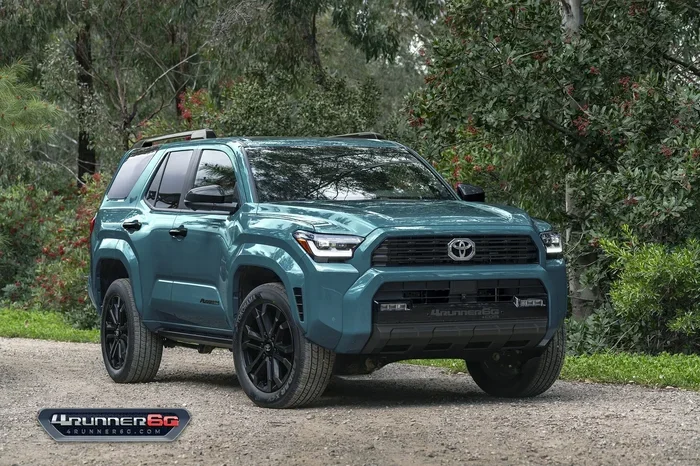
The Toyota 4Runner is one of the most durable SUVs on the road, with an average lifespan of 200,000 to 300,000 miles when properly maintained. Regular maintenance, driving habits, and model year all play a big role in determining how long your 4Runner will last. With the right care, many owners push their 4Runners well past the 300,000-mile mark.
The Toyota 4Runner has earned a reputation as one of the toughest and longest-lasting SUVs ever built. If you are shopping for a used 4Runner or already own one, you probably wonder how many miles does a Toyota 4Runner last on average. The answer might surprise you.
Most Toyota 4Runners can comfortably reach 200,000 to 300,000 miles with proper care. Some dedicated owners have pushed their 4Runners past the 350,000-mile mark. That kind of durability is rare in the SUV world and is a big reason why the 4Runner remains so popular.
In this guide, we will break down everything you need to know about 4Runner longevity. We will cover what affects lifespan, common problems at high mileage, and how to make your 4Runner last as long as possible. Whether you are buying your first 4Runner or your fifth, this article has the details you need.
Key Takeaways
- Average Lifespan: A well-maintained Toyota 4Runner typically lasts between 200,000 and 300,000 miles, with some models exceeding 350,000 miles.
- Engine Reliability: The 4Runner’s engines are known for durability, especially the 4.0L V6 and the older 4.0L and 3.4L powerplants.
- Maintenance Matters: Staying on top of oil changes, transmission fluid, and brake jobs dramatically extends vehicle life.
- Resale Value: Even high-mileage 4Runners hold their value surprisingly well due to Toyota’s strong reputation.
- Common Issues: Rust, transmission wear, and suspension components are the most common mileage-related problems.
- Off-Road Impact: Frequent off-roading can accelerate wear on certain components but doesn’t necessarily shorten overall lifespan.
📑 Table of Contents
How Many Miles Does a Toyota 4Runner Last on Average?
The average lifespan of a Toyota 4Runner depends on several factors, but most experts agree on a range. A well-cared-for 4Runner will typically last between 200,000 and 300,000 miles. Some models even reach 400,000 miles, though those are less common.
To put this in perspective, the average car on the road today lasts about 12,000 to 15,000 miles per year. If you drive 15,000 miles annually, a 4Runner that lasts 250,000 miles will serve you for roughly 16 years. That is a long time to get value from a single vehicle.
How Does the 4Runner Compare to Other SUVs?
The 4Runner consistently ranks near the top in vehicle longevity studies. Toyota vehicles in general are known for their reliability, and the 4Runner is no exception. Compared to many competitors in the midsize SUV segment, the 4Runner often outlasts them by tens of thousands of miles.
For example, many mainstream midsize SUVs start showing significant wear around the 150,000-mile mark. The 4Runner, on the other hand, often feels just as strong at 200,000 miles as it did at 20,000 miles. This is a testament to Toyota’s engineering and the simple, proven design of the 4Runner.
If you want to learn more about making any vehicle last longer, check out our guide on how to make a car last 500,000 miles. Many of those tips apply directly to the 4Runner as well.
What Makes the Toyota 4Runner So Durable?
Several factors contribute to the 4Runner’s impressive longevity. Understanding these can help you appreciate why this vehicle has such a strong reputation for lasting through the years.
Simple, Proven Engineering
The 4Runner uses a body-on-frame design with a solid rear axle. This setup has been around for decades and is known for its strength and simplicity. There are fewer complex electronics and computer systems to fail compared to more modern unibody SUVs.
The engines used in the 4Runner, particularly the 4.0L V6 found in models from 2003 to 2023, are naturally aspirated and straightforward. They do not rely on turbochargers or direct injection systems that can be expensive to repair. Simplicity equals reliability, and the 4Runner embodies that philosophy.
Strong Drivetrain and Transmission
The 4Runner comes with a robust transmission and drivetrain built to handle heavy loads and tough conditions. The automatic transmission in most modern 4Runners is a conventional torque-converter design, which tends to be more durable than newer dual-clutch or CVT systems.
Many 4Runner owners use their vehicles for towing and off-roading. The drivetrain is designed to handle that stress without breaking down quickly. This is one reason why the 4Runner can easily accumulate high mileage without major mechanical failures.
Toyota’s Reputation for Quality
Toyota has built its brand on reliability and durability. The company’s manufacturing standards are among the strictest in the industry. Every 4Runner that rolls off the assembly line goes through rigorous quality checks.
This commitment to quality means fewer defects and fewer surprise repairs. When something does go wrong, Toyota parts are widely available and affordable compared to many luxury brands. That accessibility makes long-term ownership much more practical.
Common Issues That Affect 4Runner Mileage
Even the most reliable vehicle will face issues as it accumulates miles. Knowing what to watch for can help you address problems before they become expensive repairs.
Rust and Corrosion
Rust is one of the biggest enemies of any 4Runner, especially models from the early 2000s. The frame, rocker panels, and wheel wells are common areas where rust can develop. In snowy or coastal regions, rust can progress faster.
Regularly inspecting your 4Runner for rust and treating it early can prevent structural damage. A rust-free 4Runner will last significantly longer than one with untreated corrosion. If you are buying used, always check the frame and undercarriage carefully.
Transmission Wear at High Mileage
While the 4Runner’s transmission is generally reliable, it can develop issues after 200,000 miles. Slipping gears, rough shifting, and fluid leaks are common warning signs. Regular transmission fluid changes can help prevent these problems.
Most Toyota mechanics recommend changing the transmission fluid every 60,000 to 90,000 miles. This simple maintenance task can add years of life to your transmission and save you from a costly rebuild.
Suspension and Steering Components
The 4Runner’s suspension takes a beating, especially if you use it off-road. Control arms, ball joints, tie rods, and bushings wear out over time. At around 150,000 to 200,000 miles, you may start replacing these components.
Suspension repairs are not cheap, but they are necessary for safe driving. Keeping up with these replacements ensures your 4Runner handles well and lasts longer. Ignoring suspension issues can lead to uneven tire wear and more expensive damage down the road.
Engine and Cooling System
The 4Runner’s engines are tough, but they are not immune to problems. The 4.0L V6 is known for occasional oil consumption and valve cover gasket leaks. The cooling system, including the water pump and thermostat, can also wear out over time.
Staying on top of coolant flushes and coolant hose inspections will help your engine run smoothly for many miles. Overheating is one of the fastest ways to kill an engine, so never ignore warning signs like temperature gauge spikes or coolant leaks.
How to Make Your 4Runner Last Longer
If you want your 4Runner to reach and exceed 300,000 miles, following a solid maintenance routine is essential. Here are the most important steps you can take.
Follow the Maintenance Schedule
Toyota provides a detailed maintenance schedule for every 4Runner model year. Following it to the letter is the single best thing you can do for your vehicle’s longevity. This includes oil changes, filter replacements, brake inspections, and fluid flushes.
Do not skip scheduled services, even if your 4Runner seems fine. Many serious problems start small and grow silently. Regular maintenance catches these issues early before they cause major damage.
Use Quality Parts and Fluids
Using genuine Toyota parts and manufacturer-recommended fluids goes a long way. Aftermarket parts vary widely in quality, and cheap fluids can cause premature wear on sensitive components.
For example, using the correct viscosity engine oil and quality coolant protects your engine and cooling system. It might cost a little more upfront, but it saves money in the long run by preventing premature failures.
Drive with Care
How you drive affects how long your 4Runner lasts. Aggressive driving, rapid acceleration, and hard braking all put extra stress on the engine, transmission, and brakes.
Smooth, steady driving is much easier on your vehicle. Allow the engine to warm up properly before driving hard, especially in cold weather. These small habits add up over hundreds of thousands of miles.
For more tips on extending your vehicle’s life, our article on is it worth keeping a car with 200K miles offers great insights that apply to the 4Runner as well.
Store and Protect Your 4Runner
How you store your 4Runner matters, especially in harsh climates. Keeping it in a garage or covered parking area protects the paint, seals, and undercarriage from the elements.
In winter, road salt is particularly damaging. Washing the undercarriage regularly during winter months can prevent rust and corrosion. In coastal areas, salt air can cause similar damage, so regular washing is important year-round.
Is a High-Mileage 4Runner Worth Buying?
Buying a used 4Runner with high mileage can be a smart decision, but it requires careful evaluation. The 4Runner holds its value well, and even models with 200,000+ miles can be reliable daily drivers.
When shopping for a high-mileage 4Runner, look for a clean history report. A vehicle that has been well-maintained with regular oil changes and services will last much longer than one that has been neglected. Ask the seller for service records if possible.
Have a trusted mechanic inspect the vehicle before you buy. They can spot potential issues that might not be visible during a test drive. Pay special attention to the transmission, suspension, and frame condition.
It is also worth noting that Toyota 4Runners with higher mileage often sell for reasonable prices. You can sometimes find a well-maintained 4Runner with 200,000 miles for a fraction of what a new one costs. That makes the high-mileage option very appealing for budget-conscious buyers.
For context on mileage benchmarks, check out our article on is 145,000 miles a lot to understand where different mileage numbers fall on the spectrum of vehicle age and condition.
What to Look for When Buying a Used 4Runner
Here are the key things to check when buying a high-mileage 4Runner:
- Service History: Complete records of all maintenance and repairs.
- Frame Condition: No signs of rust or structural damage.
- Transmission Behavior: Smooth shifting with no slipping or hesitation.
- Engine Health: No excessive smoke, oil leaks, or unusual noises.
- Suspension: No excessive play or clunking over bumps.
- Mileage Consistency: The odometer reading should make sense given the vehicle’s age.
Final Thoughts on 4Runner Longevity
The Toyota 4Runner is one of the best long-term investments you can make in a vehicle. With an average lifespan of 200,000 to 300,000 miles, it outlasts most SUVs on the market. The key to unlocking that longevity is consistent maintenance, smart driving habits, and prompt attention to any issues that arise.
Whether you are keeping your 4Runner for 15 years or buying one with 200,000 miles already on the clock, this vehicle has proven time and again that it can go the distance. Its simple design, quality construction, and Toyota reliability make it a standout choice for anyone who wants a vehicle that will last.
If you are still deciding, remember that the 4Runner’s value holds up remarkably well over time. Even after 200,000 miles, a well-maintained 4Runner can still command strong resale prices. That makes it not just a reliable vehicle but also a smart financial choice.
For more information about Toyota vehicle longevity, you might also enjoy our article on whether a Toyota Camry can last 400,000 miles. Toyota builds vehicles to last, and the 4Runner is a perfect example of that commitment.
Frequently Asked Questions
What is the average lifespan of a Toyota 4Runner?
Most Toyota 4Runners last between 200,000 and 300,000 miles with proper maintenance. Some well-cared-for models can reach 350,000 miles or more. Your driving habits and maintenance routine play a big role in determining where your 4Runner falls in that range.
At what mileage do 4Runners start having problems?
Many 4Runners run strong well past 200,000 miles. However, some common issues like suspension wear, transmission concerns, and rust can start appearing between 150,000 and 200,000 miles. Regular maintenance helps delay or prevent these problems.
Is a 4Runner with 200,000 miles still worth buying?
Absolutely. A 4Runner with 200,000 miles that has been well-maintained can easily last another 100,000 miles or more. Always check the service history and have a mechanic inspect the vehicle before purchasing.
How can I make my 4Runner last longer?
Follow Toyota’s recommended maintenance schedule, use quality parts and fluids, drive smoothly, and protect your vehicle from harsh weather and road salt. Regular oil changes and transmission fluid swaps are especially important for long-term durability.
Do 4Runners hold their value at high mileage?
Yes. The 4Runner is one of the best vehicles for holding resale value, even at high mileage. Toyota’s strong reputation for reliability keeps demand steady, which helps prices remain strong even on older, higher-mileage models.
What engine in the 4Runner lasts the longest?
The 4.0L V6 engine found in 4Runners from 2003 to 2023 is widely regarded as one of the most durable Toyota engines ever made. The older 3.4L and 4.0L engines from earlier generations are also known for exceptional longevity when properly maintained.