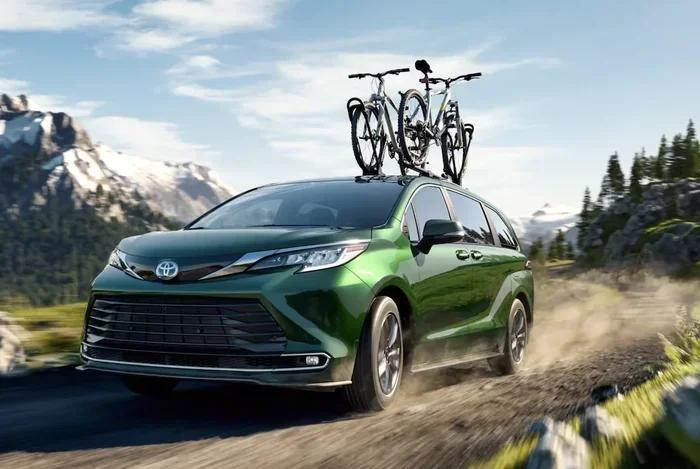
how long will a toyota sienna last in real world use
The Toyota Sienna can easily last 200,000 to 300,000 miles with proper care, and many owners report crossing the 300,000-mile mark. Regular maintenance, gentle driving, and attention to the hybrid battery are key to maximizing its lifespan. This guide covers real-world longevity, common issues, and proven tips to keep your Sienna on the road for decades.
If you are wondering how long will a Toyota Sienna last, you are not alone. This popular minivan has earned a reputation for durability and reliability. Many families rely on the Sienna for daily commutes, school runs, and cross-country road trips. The good news is that with proper care, a Toyota Sienna can easily surpass 200,000 miles. Some owners even push their vehicles past the 300,000-mile mark.
But longevity depends on more than just luck. Driving habits, maintenance schedules, climate, and even how you load the van all play a role. In this article, we will break down exactly what to expect from a Toyota Sienna in real-world use. You will learn about common issues, maintenance tips, and when high mileage is actually a good sign.
The Sienna is built to handle the demands of family life. Its robust engine and well-designed chassis give it a solid foundation. Whether you drive the hybrid version or the older gasoline model, the underlying structure is strong. The key is understanding the factors that influence Toyota Sienna reliability and taking proactive steps to protect your investment.
Key Takeaways
- Longevity: A well-maintained Toyota Sienna routinely lasts 200,000–300,000 miles, with many exceeding 300,000.
- Hybrid Advantage: The Sienna Hybrid’s electric motor reduces engine wear, contributing to longer overall life.
- Maintenance is Critical: Staying on top of oil changes, transmission fluid, and brake services dramatically extends durability.
- Climate Matters: Extreme heat or cold accelerates wear; indoor storage and climate control help preserve the vehicle.
- High Mileage is Normal: 150,000+ miles is not a red flag for a Sienna if maintenance records are solid.
- Cost of Ownership: Siennas hold value well and have relatively low repair costs compared to competitors.
📑 Table of Contents
- How Long Will a Toyota Sienna Last? Real-World Expectations
- Key Factors That Affect Toyota Sienna Durability
- Common Toyota Sienna Problems That Affect Longevity
- How to Make Your Toyota Sienna Last Longer
- Toyota Sienna Longevity Compared to Competitors
- When Is a Toyota Sienna Considered High-Mileage?
- Final Verdict: How Long Will a Toyota Sienna Last?
How Long Will a Toyota Sienna Last? Real-World Expectations
What the Manufacturer Says
Toyota does not publish an official lifespan number for the Sienna. However, they design these minivans to meet rigorous durability standards. The company uses high-quality materials and extensive testing. In internal assessments, Toyota expects the Sienna to deliver reliable service for many years. When you combine that with regular upkeep, the Sienna becomes a long-term family asset.
Toyota’s reputation for building long-lasting vehicles is well-known. The Camry and Corolla often top longevity lists, and the Sienna shares that engineering philosophy. The minivan uses the same commitment to quality that makes Toyota vehicles last. This gives owners confidence that their Sienna will remain dependable for a long time.
Real-World Sienna Mileage Expectations
In everyday use, most Toyota Siennas last between 200,000 and 300,000 miles. This translates to roughly 12 to 15 years of driving, assuming 15,000 miles per year. Of course, some owners go much further. I have seen Siennas with 250,000 miles that still feel strong. The key is consistent maintenance and avoiding severe abuse.
When a Sienna hits 200,000 miles, it is not on its last legs. That is just the midpoint. Many minivans continue to run smoothly well beyond that. The engine and transmission are built to handle extended use. You just need to stay on top of fluid changes and wear items.
Real-world Sienna mileage reports from forums and owner surveys confirm this range. Owners who follow the maintenance schedule regularly report the best results. Neglecting services is the fastest way to shorten the Sienna lifespan. So if you want your van to last, keep up with the recommended intervals.
Hybrid vs. Gasoline Sienna Longevity
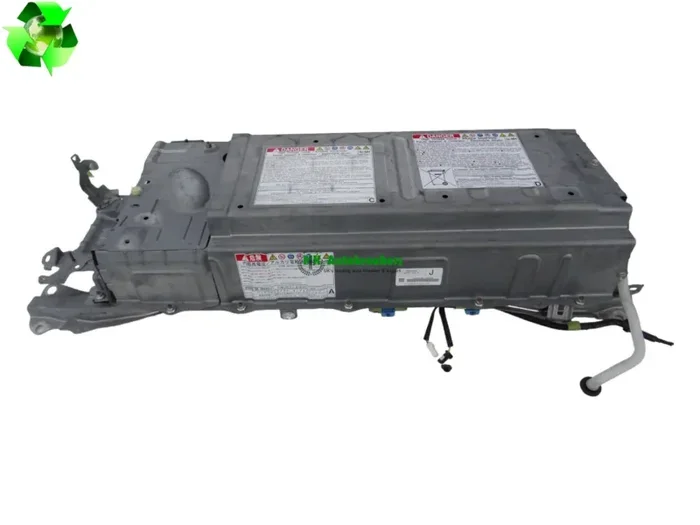
The current-generation Sienna is only available as a hybrid. This is a big advantage for longevity. The electric motor assists the gas engine, reducing overall wear. The battery pack is designed to last the life of the vehicle. If you want to learn more about extending your hybrid battery’s life, check out how to make your hybrid battery last longer. That guide offers practical steps for any hybrid owner.
Compared to older gasoline-only minivans, the hybrid Sienna should experience less engine stress. The regenerative braking system also reduces wear on brake components. Over time, these factors can add up to a longer overall lifespan. The hybrid system adds complexity, but Toyota has refined it over years of development. The result is a minivan that is both efficient and durable.
Older gasoline Siennas from the 2010s and earlier also had strong longevity. Many reached 250,000 miles with basic care. The hybrid system simply adds another layer of protection for the engine. It allows the motor to run at optimal loads more often. This reduces the strain that leads to premature wear.
Key Factors That Affect Toyota Sienna Durability
Regular Maintenance Matters
Maintenance is the single biggest factor in how long your Sienna will last. Skipping oil changes or transmission services can lead to premature failure. Toyota recommends synthetic oil for the Sienna, and you should change it every 5,000 to 7,500 miles. The transmission fluid should be replaced around 60,000 miles, even if the manual says “lifetime fill.”
Other critical services include:
- Coolant flushes every 50,000 miles
- Brake inspections and pad replacements
- Timing belt checks (if applicable to your model year)
- Spark plug replacements per the schedule
- Differential fluid changes on AWD models
Staying current on these items keeps the engine running clean. It also prevents small problems from becoming expensive repairs. Think of maintenance as an investment that pays off in Sienna longevity.
Quick Tips: Keep a digital log of every service. Take photos of any leaks or unusual wear. This record becomes invaluable when selling or diagnosing issues later.
Driving Habits and Conditions
How you drive directly impacts the Sienna’s lifespan. Aggressive acceleration and hard braking wear out the engine and brakes faster. If you frequently haul heavy loads, the transmission and suspension work harder. Short trips around town are actually tougher on the engine than highway driving because the motor never fully warms up.
Try to include some highway driving in your routine. This allows the engine to reach full operating temperature and burn off condensation. Gentle acceleration and smooth braking will pay off in the long run. The Sienna is a family hauler, but it does not need to be driven like a sports car.
Hauling heavy loads or overloading the van accelerates wear. To understand safe weight limits, see how to tell if a van is overloaded. Staying within the rated capacity protects the drivetrain and brakes.
Common Mistakes: Many owners ignore the break-in period for new Siennas. Avoid heavy loads and high RPMs for the first 5,000 miles. This sets the foundation for a long, healthy life.
Climate and Storage Impact
Extreme weather takes a toll on any vehicle. Hot climates accelerate fluid breakdown and rubber degradation. Cold climates can cause condensation in the engine and electrical issues. If you live in a harsh environment, consider parking in a garage when possible.
For the Sienna, rust is a potential concern in northern states where salt is used on roads. Regular washing, especially the undercarriage, can prevent rust from forming. Keeping the interior dry also prevents mold and musty odors that are hard to remove later.
Expert Insight: A Sienna stored in a climate-controlled garage can easily outlast one left outside. The difference in paint condition, rubber seal integrity, and interior freshness is remarkable. Even a simple car cover helps when indoor storage is not an option.
Common Toyota Sienna Problems That Affect Longevity
Transmission and Drivetrain Issues
The Sienna’s hybrid powertrain is generally very reliable. However, some model years have reported transmission concerns. The e-CVT transmission in the hybrid Sienna is simpler than a traditional automatic, but it still needs proper fluid maintenance. If you notice hesitation or rough shifting, address it immediately.
Early detection of transmission problems can prevent a major rebuild. In some cases, a software update from the dealer resolves minor issues. Always keep your service records up to date. This helps mechanics spot patterns before they become serious.
Regularly checking the transmission fluid level and condition is a simple task. Dark, burnt fluid indicates it is time for a change. Fresh fluid keeps the gears shifting smoothly and extends the life of the Sienna transmission durability.
Rust and Body Integrity
Rust is the silent killer of minivans. The Sienna’s body panels are treated with anti-corrosion coatings, but no vehicle is immune. Road salt, bird droppings, and minor paint chips can all lead to rust if left untreated.
Inspect the Sienna’s rocker panels, wheel wells, and tailgate edges regularly. If you spot any bubbling paint, address it quickly. A small rust spot can turn into a structural issue over time. Keeping the Sienna washed and waxed is one of the easiest ways to protect its body.
Key Takeaway: Rust prevention is a year-round job. Wash the undercarriage in winter, apply wax in summer, and check seals around doors and windows for any gaps that let moisture in.
Interior Wear and Tear
The Sienna is designed for families, so the interior sees a lot of use. Third-row seats can become worn, and the center console may develop cracks over time. These are cosmetic issues, but they affect the perceived value of the vehicle.
Using seat covers and floor mats can dramatically reduce interior wear. Regular vacuuming and conditioning of the leather or vinyl help preserve the materials. If you plan to keep the Sienna for a long time, investing in protective accessories pays off at resale.
The Sienna interior wear patterns are predictable. The driver’s seat bolster, the center console shift area, and the third-row seat backs show the most use. Protecting these spots early can keep the van looking newer for longer.
How to Make Your Toyota Sienna Last Longer
Follow the Maintenance Schedule
The owner’s manual is your best friend. It contains the exact service intervals for your specific model year. Following the schedule ensures that every wear item is replaced before it fails. If you are unsure about a maintenance task, consult a trusted mechanic.
Do not rely solely on dashboard reminders. Those alerts are based on generic algorithms and may not account for your driving conditions. Instead, use the manual as your guide and track services in a logbook or app. This proactive approach is the foundation of Toyota Sienna reliability.
Address Small Issues Immediately
Do not ignore warning lights or unusual noises. A small leak today can become a blown engine tomorrow. The same applies to brakes that squeal or a check engine light that stays on. Catching problems early saves money and prevents cascading damage.
Keep an eye on fluid levels between services. Low oil, coolant, or brake fluid are warning signs. A quick top-off and inspection can prevent a major breakdown. The cost of a small repair is always less than the cost of a big one.
Keep It Clean and Protected
Regular washing removes contaminants that cause rust and paint oxidation. Waxing adds a layer of protection against UV rays and bird droppings. Inside the van, use cargo organizers to prevent scratches from loose items. A clean Sienna is a happy Sienna.
Protecting the Sienna from the sun is especially important in warmer climates. UV rays fade the interior and dry out rubber seals. Parking in the shade or using a windshield sunshade can make a big difference over the years.
Toyota Sienna Longevity Compared to Competitors
Minivan Reliability Ratings
How does the Sienna stack up against other minivans? The Honda Odyssey and Chrysler Pacifica are the main rivals. In reliability surveys, the Toyota Sienna consistently ranks near the top. The Odyssey also has a strong reputation for lasting well over 200,000 miles. The Pacifica has improved in recent years but still trails slightly in long-term durability.
Here is a quick comparison of expected lifespans:
| Minivan | Average Lifespan (Miles) | Common High-Mileage Issues |
|---|---|---|
| Toyota Sienna | 250,000–300,000 | Hybrid battery (rare), transmission fluid |
| Honda Odyssey | 200,000–280,000 | Transmission, engine oil consumption |
| Chrysler Pacifica | 150,000–220,000 | Electrical gremlins, transmission |
Of course, individual vehicles vary widely. A well-maintained Pacifica can outlast a neglected Sienna. But on average, the Toyota brand delivers superior minivan durability and lower repair frequency.
Cost of Ownership Over Time
Longer lifespan means lower cost per mile. The Sienna holds its value better than many competitors. When it is time to sell, a high-mileage Sienna with service records still commands a fair price. Repair costs for the Sienna are generally reasonable, especially for routine maintenance. This makes it an excellent choice for buyers who want to keep a vehicle for a long time.
The Sienna ownership costs remain predictable throughout its life. Major repairs are infrequent, and parts are widely available. This reliability translates into a lower total cost of ownership compared to many rivals. For families looking for a long-term minivan, the Sienna is hard to beat.
When Is a Toyota Sienna Considered High-Mileage?
Signs Your Sienna Is Wearing Out
At what point should you worry about the Sienna’s longevity? A well-cared-for Sienna at 150,000 miles is just getting started. However, there are signs that the vehicle is nearing the end of its useful life. These include excessive oil consumption, frequent check engine lights, and significant rust in structural areas.
If you are shopping for a used Sienna, pay attention to the mileage. A Sienna with over 200,000 miles is not automatically a bad buy. But you should ask for full service records. To understand what mileage is actually a red flag, read about mileage red flags. That guide helps you evaluate any used vehicle, including the Sienna.
Other warning signs include excessive smoke from the exhaust, rough idling, and suspension noises. These indicate that major components are wearing out. However, many of these issues can be addressed with timely repairs. A high-mileage Sienna can still be a good investment if the fundamentals are sound.
Is It Worth Repairing a High-Mileage Sienna?
As the Sienna accumulates miles, repair costs will naturally increase. A new transmission can cost several thousand dollars. But if the rest of the vehicle is in good shape, major repairs are often worth it. The Sienna’s body and interior can last far beyond the drivetrain. Sometimes, replacing a single expensive component extends the van’s life by another 100,000 miles.
If you are trying to decide whether to keep or sell a high-mileage Sienna, consider the overall condition. A clean title, solid frame, and documented maintenance history are strong indicators that the vehicle has more life left. For strategies on maximizing any vehicle’s lifespan, see how to make a car last 500,000 miles. That article offers universal principles that apply to the Sienna as well.
Expert Insight: The decision often comes down to the cost of the repair versus the remaining value of the vehicle. If the repair is less than half the vehicle’s value and the Sienna has no other major issues, fixing it is usually the smart move.
Final Verdict: How Long Will a Toyota Sienna Last?
The answer to how long will a Toyota Sienna last is clear: with proper care, it can easily reach 200,000 to 300,000 miles. Many factors influence this number, but the Sienna’s reputation for durability is well-earned. The hybrid system adds efficiency and reduces engine wear, making it a smart choice for long-term ownership.
Regular maintenance, gentle driving, and prompt attention to small issues are your best tools. Keep the Sienna clean, follow the service schedule, and do not ignore warning signs. If you take care of your Toyota Sienna, it will take care of you for many years to come.
Whether you are buying a new Sienna or considering a used one, the potential for a long, trouble-free ownership experience is high. The Sienna combines practicality, comfort, and proven reliability. It is a minivan that can truly become a family staple for generations. Focus on the basics, and your Sienna will reward you with years of dependable service.
Frequently Asked Questions
What is the average lifespan of a Toyota Sienna?
Most Toyota Siennas last between 200,000 and 300,000 miles with proper maintenance. Many owners report reaching 250,000 miles without major issues. The key is following the recommended service schedule and driving gently.
Can a Toyota Sienna last 300,000 miles?
Yes, a Toyota Sienna can absolutely last 300,000 miles. This is well within the vehicle’s design capabilities. Owners who keep up with oil changes, fluid replacements, and prompt repairs often achieve this milestone.
Is the Toyota Sienna hybrid better for longevity?
The hybrid Sienna has an advantage because the electric motor reduces engine wear. The regenerative braking system also extends brake life. Overall, the hybrid system contributes to a longer, healthier lifespan.
What are the most common problems that shorten a Sienna’s life?
Neglected maintenance is the biggest culprit. Ignoring oil changes, transmission fluid, and coolant flushes leads to premature failure. Rust from road salt and overloading the van also accelerate wear and tear.
How can I make my Toyota Sienna last longer?
Follow the maintenance schedule strictly, drive gently, and address small issues immediately. Keep the van clean inside and out, and protect it from extreme weather. These simple habits add years to the Sienna’s life.
Is a high-mileage Toyota Sienna a good buy?
A Sienna with over 200,000 miles can be a great buy if it has documented service records. The Sienna is built to handle high mileage, and many examples remain reliable well beyond that point. Always get a pre-purchase inspection.