Can You Program a Car Key With Only One Key Yourself
Yes, you can program a car key with only one key in many cases. This guide walks you through the exact steps, methods, and tools needed to self-program your car key without visiting a dealer. Learn the proven techniques that work for most vehicle models and save hundreds of dollars on locksmith services.
Losing your only car key is stressful. You might wonder if you can program a car key with only one key on your own. The short answer is yes, in many cases you can. This guide breaks down everything you need to know about programming a car key with only one key. You will learn the methods, tools, and tips that make self-programming possible.
Car key programming used to be something only dealerships handled. Today, many vehicles allow DIY key programming at home. Whether you lost your spare or your only key stopped working, you have options. Let us walk through them step by step.
Key Takeaways
- DIY Programming Is Possible: Many vehicles allow you to program a car key with only one key using simple methods like the OBD2 scanner or manual key sequence.
- Know Your Vehicle First: Not all cars support self-programming. Check your make, model, and year before attempting any method.
- Tools Make a Difference: An OBD2 scanner, blank key, and patience are all you need for most programming tasks.
- Avoid Common Mistakes: Skipping steps, using the wrong key type, and not resetting the system can waste your time.
- When to Call a Pro: Luxury brands, newer models, and advanced security systems may still require a locksmith or dealer.
📑 Table of Contents
- Understanding How Car Key Programming Works
- Can You Really Program a Car Key With Only One Key?
- Methods to Program a Car Key With Only One Key
- Step-by-Step Guide to Self-Programming Your Key
- When DIY Programming Will Not Work
- Tips for Successful Car Key Programming
- Common Mistakes to Avoid
- Quick Tips for Key Programming Success
- Expert Insights on Key Programming
- How Much Does It Cost to Program a Car Key Yourself?
- Conclusion
Understanding How Car Key Programming Works
Before you try to program a car key with only one key, it helps to understand how the system works. Modern cars use a transponder key system. This is a small chip inside your key that talks to your car’s computer.
The Role of the Immobilizer System
Your car has something called an immobilizer system. This is a security feature that stops your engine from starting unless the correct key is present. When you turn the ignition, the car reads the chip in your key. If the code matches, the engine starts. If it does not match, the car stays dead.
This system was first introduced in the 1990s to fight car theft. Today, nearly every vehicle has one. That means key programming is not just about cutting a physical key shape. It is also about syncing the electronic chip.
How Transponder Keys Communicate
When you insert your key and turn it, the ignition key cylinder sends a signal to the transponder chip. The chip sends back a unique code. Your car’s engine control unit (ECU) checks this code against its stored memory. If everything lines up, your car starts.
This is why programming a new key is more complex than just cutting metal. You need to teach your car’s computer to recognize a new code. And here is the good news: many cars let you do this even with only one working key.
Can You Really Program a Car Key With Only One Key?
The answer depends on your vehicle. Most cars from the last 20 years support some form of self-programming. But the rules vary by brand, model, and year. Some vehicles require two working keys to program a third. Others let you start fresh with just one.
Here are the general rules that apply to most vehicles:
- Older models (pre-2000): Many of these do not have transponder chips at all. You just need to cut the key correctly.
- Mid-range models (2000-2015): Most of these support DIY key programming with one working key.
- Newer luxury models (2015+): Some of these require two keys or a dealer-level tool. But many still allow self-programming.
Always check your owner’s manual first. It often has a section on key programming that tells you exactly what is possible. You can also search online for your specific vehicle model and year.
Methods to Program a Car Key With Only One Key
There are several ways to program a car key with only one key. Some methods are simpler than others. Let us look at the most common approaches that work for most drivers.
Method 1: The OBD2 Scanner Approach
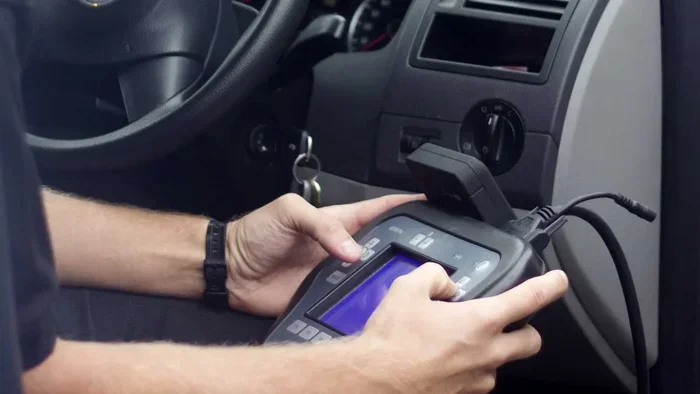
An OBD2 scanner is a small device that plugs into your car’s diagnostic port. Many people use these scanners for engine codes, but they can also program keys. This is one of the most reliable methods for DIY key programming.
Here is how it works:
- Plug the OBD2 scanner into the port under your dashboard.
- Turn the ignition to the “On” position.
- Follow the scanner’s menu to access the key programming function.
- Select the option to add a new key.
- Insert your working key and turn it to “On” when prompted.
- The scanner will guide you through the rest of the steps.
You can buy an OBD2 scanner for under $50 at most auto parts stores. Some advanced models cost more but offer broader vehicle support. Look for one that specifically lists key programming as a feature.
Method 2: The Manual Programming Sequence
Many cars have a built-in manual programming sequence. This method does not require any special tools. You simply follow a specific sequence of steps with your key and the ignition.
The exact steps vary by vehicle, but here is a general example:
- Insert your working key into the ignition.
- Turn it from “Off” to “On” and back to “Off” within a specific time frame.
- Repeat this cycle a set number of times.
- On the final cycle, leave the key in the “On” position.
- The door locks will cycle to confirm you are in programming mode.
- Remove the key and press a button on the new key within a set time.
This method works on many Ford, Chevrolet, and Toyota models. Again, check your owner’s manual for the exact sequence for your vehicle.
Method 3: Key Cloning and Copying
Key cloning means copying the chip from your working key onto a blank one. This method is useful when you have one working key and need a backup.
You will need a key cloning machine. These range from $30 to $300 depending on the type. Some locksmiths also offer cloning services if you do not want to buy the equipment.
Here is the basic process:
- Place your working key on the cloning machine.
- Place the blank key next to it.
- Run the cloning cycle.
- Test the new key in your car.
Key cloning does not always work on vehicles with advanced rolling codes. But for basic transponder keys, it is a quick and affordable option.
Method 4: Online Programming Guides
Many websites and YouTube channels offer free step-by-step programming guides for specific vehicle models. These can be incredibly helpful because they show you exactly what to do for your car.
Search for your car make and year plus “key programming.” You will often find detailed walkthroughs. Some channels even show the entire process from start to finish.
Step-by-Step Guide to Self-Programming Your Key
Now that you know the methods, let us walk through a general self-programming process. This guide covers the most common scenario where you have one working key and one blank replacement key.
Step 1: Get the Right Key
Buy a blank key that matches your vehicle. You need the correct key type and chip. Your owner’s manual or a local key cutting shop can help you find the right blank.
Step 2: Cut the Key
If your blank key is uncut, take it to a key cutting service. Many hardware stores and locksmiths offer this for under $10. Make sure the key matches your original.
Step 3: Prepare Your Workspace
Find a quiet, well-lit space. Have your working key, new key, and any tools you need nearby. Read through the programming steps before you start.
Step 4: Follow the Programming Steps
Use either the manual sequence or OBD2 scanner method. Follow each step exactly. Timing matters a lot in key programming.
Step 5: Test the New Key
Once programming is complete, test the new key. Try starting the engine, locking the doors, and using any remote features. If it works, you are done!
Step 6: Program Additional Keys (If Needed)
If you have more keys to add, repeat the process. Some vehicles let you program multiple keys in one session.
When DIY Programming Will Not Work
Not every car allows you to program a car key with only one key on your own. Here are some situations where you may need professional help:
- Luxury brands: BMW, Mercedes, Audi, and Lexus often have more advanced security systems that require dealer tools.
- Very new models: Some 2020 and newer vehicles need two existing keys to program a third.
- Smart key systems: Cars with push-button start and proximity keys can be harder to program without specialized equipment.
- Aftermarket keys: Cheap, non-branded replacement keys sometimes fail to program correctly.
In these cases, a professional locksmith services provider or dealership is your best bet. They have the tools and training to handle complex vehicle security systems.
Tips for Successful Car Key Programming
Follow these practical tips to make your key programming experience smoother:
- Read the owner’s manual thoroughly before you start. It has the exact steps for your vehicle.
- Work in a quiet environment. Electrical interference can sometimes disrupt the programming process.
- Have fresh batteries in your new key fob. A weak battery can cause programming to fail.
- Do not rush the steps. Timing is critical in most programming sequences.
- Keep your working key safe during the process. You need it to complete the programming.
- Test immediately after programming. Do not wait until you need the key in an emergency.
Another great tip is to always keep a spare key programmed and stored safely. This saves you from the stress of being locked out.
Common Mistakes to Avoid
Many people run into trouble when they program a car key with only one key. Here are the most common mistakes:
- Skipping steps: Even one missed step can reset the entire process. Follow each instruction carefully.
- Using the wrong key blank: Not all keys look the same. Using an incorrect blank means the chip will not match.
- Not entering programming mode correctly: Each vehicle has its own way of entering programming mode. Guess at this, and you will waste time.
- Giving up too soon: Some vehicles take several minutes to complete programming. Stay patient.
- Ignoring error messages: If your OBD2 scanner shows an error, stop and troubleshoot. Do not keep pushing buttons.
Avoiding these mistakes will save you frustration and money.
Quick Tips for Key Programming Success
Here are some quick reminders to keep in mind:
- Always use a blank key that matches your vehicle make and model.
- Check your key fob battery before programming.
- Have your VIN number handy when buying replacement keys online.
- Watch a video tutorial for your specific car model before starting.
- Keep your original key safe during the programming process.
- If one method fails, try another. Different vehicles respond better to different approaches.
Expert Insights on Key Programming
Professional locksmiths agree that DIY key programming has come a long way. Many modern vehicles are designed to be user-friendly when it comes to key synchronization. The process has become simpler over the years.
However, experts also warn about aftermarket key quality. Cheap replacement keys may not have the right chip or may not hold the programmed code well. Investing in a quality aftermarket key from a reputable brand can make a big difference.
Another insight from the pros: always have at least two working keys. Even if you program a car key with only one key successfully, having a backup saves you from future headaches.
How Much Does It Cost to Program a Car Key Yourself?
One of the biggest advantages of DIY key programming is the cost savings. Dealerships often charge $100 to $300 just to program a single key. With an OBD2 scanner and a blank key, you can do it for under $50.
Here is a simple cost comparison:
OBD2 scanner: $30 to $100 (one-time purchase, works for many vehicles)
Blank replacement key: $10 to $40 depending on the brand and type
Key cutting service: $5 to $15
Total DIY cost: $45 to $155
Compare that to a dealership visit that could easily exceed $200. The savings are clear when you program a car key with only one key yourself.
Conclusion
Can you program a car key with only one key yourself? Yes, you absolutely can in most cases. With the right tools, a little patience, and the correct steps, DIY key programming is well within reach for most car owners.
Start by understanding your vehicle’s system. Check your owner’s manual for programming instructions. Choose the method that works best for your car, whether it is the OBD2 scanner approach or the manual sequence. Avoid common mistakes, follow each step carefully, and test your new key right away.
Remember, not every vehicle supports self-programming. Luxury brands and very new models may still need professional help. But for the majority of cars on the road today, you can handle key programming on your own. Save your money, learn a valuable skill, and never get locked out again.
Frequently Asked Questions
Can I program a car key with only one key for any vehicle?
Most vehicles from the last 20 years support self-programming with one working key. However, luxury brands and some newer models may require two keys or a dealer tool. Always check your owner’s manual first to confirm what is possible for your specific car.
What tools do I need to program a car key with only one key?
At minimum, you need a blank replacement key that matches your vehicle, a working original key, and either an OBD2 scanner or knowledge of the manual programming sequence. Some vehicles also require a fresh battery in the new key fob before programming begins.
How long does it take to program a car key yourself?
The process usually takes between 15 and 45 minutes. Simple manual programming sequences can be done in under 20 minutes. OBD2 scanner methods may take a bit longer, especially if you are unfamiliar with the device. Practice makes the process faster over time.
Will programming a new key erase my existing key?
In most cases, no. Programming a new key adds it to your car’s system without removing the old one. However, some vehicles have a limit on how many keys can be stored. If you are at the limit, programming a new key may overwrite the oldest one.
Can I use a cheaper aftermarket key for programming?
Yes, but quality matters. Cheap aftermarket keys sometimes have incorrect chips or poor build quality that causes programming to fail. Stick with reputable brands or keys that specifically list compatibility with your vehicle make and model.
What should I do if my DIY programming attempt fails?
Do not panic. Try the method again, making sure you follow each step exactly and within the correct timing. If it still fails, consult your owner’s manual or search for a model-specific video tutorial. If nothing works, a locksmith can usually resolve the issue quickly and affordably.
=== META TITLE ===
Can You Program a Car Key With Only One Key Yourself
=== SEO TITLE ===
Can You Program a Car Key With Only One Key Yourself
=== URL SLUG ===
program-car-key-one-key