Harley-Davidson 6-Speed Transmission Oil Capacity Guide
The Harley-Davidson 6-Speed Transmission Oil Capacity is approximately 24 fluid ounces, or just under 0.75 quarts. Using the right transmission fluid and following the correct oil change procedure keeps your motorcycle transmission running smoothly for years. This guide covers capacity specs, the best fluids, step-by-step instructions, and common mistakes to avoid.
Key Takeaways
- Capacity: The Harley-Davidson 6-Speed Transmission Oil Capacity is about 24 fluid ounces (0.75 quarts).
- Fluid Choice Matters: Use quality gear oil or Harley-Davidson Genuine Transmission Fluid for best results.
- Regular Changes Help: Changing your transmission fluid on schedule prevents wear and improves shift quality.
- Check the Manual: Always refer to your owner’s manual for model-specific details and recommendations.
- Avoid Common Mistakes: Overfilling, using the wrong viscosity, and skipping the fluid level check can cause problems.
- DIY-Friendly: You can change your transmission oil at home with basic tools and about 30 minutes of time.
📑 Table of Contents
- What Is the Harley-Davidson 6-Speed Transmission Oil Capacity?
- Why Transmission Fluid Level and Quality Matter
- Best Transmission Oils for Harley-Davidson 6-Speed Models
- How to Check and Change Your Transmission Oil
- Common Transmission Oil Problems and Warning Signs
- Expert Maintenance Tips for Long Transmission Life
- Conclusion
What Is the Harley-Davidson 6-Speed Transmission Oil Capacity?
If you own a Harley-Davidson motorcycle with a 6-speed transmission, you need to know the right oil capacity. The Harley-Davidson 6-Speed Transmission Oil Capacity is approximately 24 fluid ounces. That is just under 0.75 quarts or roughly 710 milliliters.
This capacity applies to most Touring models that came with a 6-speed gearbox. Think of models like the Road King, Street Glide, Road Glide, and Electra Glide. These bikes have been popular for years, and the transmission design is well-known among riders and mechanics alike.
But here is the thing. The capacity number is not the whole story. You also need to know how to check the fluid level correctly. And you need to pick the right transmission fluid for your bike. Getting both of those things right makes a huge difference.
Always double-check your owner’s manual for the exact specs. Harley-Davidson has made small changes across model years. What fits a 2007 model might differ slightly from a 2019 model. The manual is your best friend here.
Also, do not confuse transmission oil with primary fluid. These are two different things. The primary chain case holds about 32 ounces of fluid. The transmission holds around 24 ounces. Mixing them up can lead to problems. So keep them straight and always use the right fluid for the right part.
Why Transmission Fluid Level and Quality Matter
Your motorcycle transmission does a lot of work. It handles the power transfer from the engine to the rear wheel. Inside, there are gears, shafts, and bearings all spinning at high speeds. Without proper transmission fluid, all of those parts would grind against each other and wear out fast.
Good gear oil does three important jobs. First, it lubricates all the moving parts inside the transmission. Second, it helps cool the drivetrain during long rides. Third, it keeps the shift quality smooth and crisp. When you hit the shift lever, you want a clean, positive engagement every time.
Over time, transmission fluid breaks down. Heat and friction take a toll. The fluid loses its viscosity and its ability to protect metal surfaces. That is why regular transmission maintenance is so important. Skipping fluid changes can lead to rough shifts, noise, and even transmission failure.
Let me share a quick example. A rider I know ignored his fluid level for over 15,000 miles. His shifts started feeling sloppy. He heard grinding noises when he changed gears. By the time he took it to a shop, the transmission had worn clutch plates inside. The repair cost him over a thousand dollars. A simple oil change every few thousand miles could have prevented all of that.
The Role of Viscosity in Transmission Performance
Viscosity is a fancy word for how thick or thin your fluid is. Think of it like this. Honey has high viscosity. Water has low viscosity. Your transmission needs fluid with the right thickness to protect the gears properly.
Most Harley-Davidson 6-speed transmissions work best with a 75W-90 or 80W-90 viscosity rating. This is a common gear oil rating that handles the heat and pressure inside the gearbox. Using fluid that is too thin means poor protection. Using fluid that is too thick can make shifts feel sluggish.
Always check the factory fill recommendation before you buy. The owner’s manual will tell you the exact viscosity your bike needs. Sticking with the factory spec is the safest bet.
Best Transmission Oils for Harley-Davidson 6-Speed Models
Not all transmission fluids are created equal. Some are designed for cars. Some work great in motorcycles. And some are specifically formulated for Harley-Davidson bikes. Let me walk you through the best options.
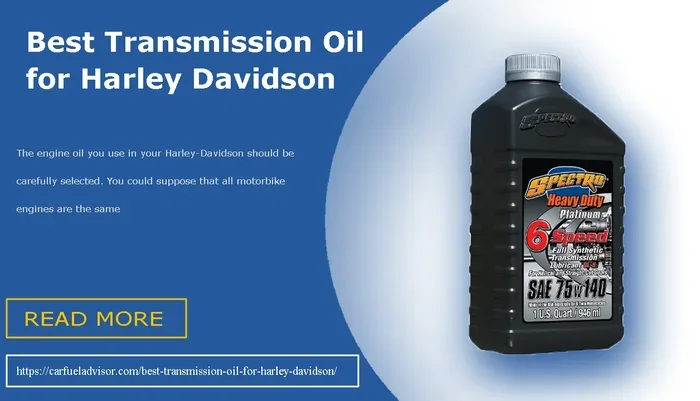
Harley-Davidson sells their own Genuine Transmission Fluid. It is a quality product that meets the factory specs. Many riders swear by it. It is easy to find at any Harley dealer or online store.
If you prefer a synthetic option, there are several great choices on the market. Synthetic gear oil tends to last longer and handle heat better than conventional fluid. It also flows more smoothly at low temperatures, which helps with cold starts and early shifts.
Here is a quick comparison of popular options for your Harley-Davidson 6-Speed Transmission Oil Capacity needs.
| Product | Type | Viscosity | Capacity Needed |
|---|---|---|---|
| Harley-Davidson Genuine Transmission Fluid | Conventional | 75W-90 | 24 oz |
| Bel-Ray Super Duty | Synthetic Blend | 75W-90 | 24 oz |
| Mobil 1 Racing 4T 10W-40 | Full Synthetic | 10W-40 | 24 oz |
| Maxima Racing Gear Oil | Full Synthetic | 75W-90 | 24 oz |
Each of these products works well. The Harley-Davidson Genuine fluid is the safest choice if you want to stay with factory recommendations. The synthetic options offer better heat resistance and longer change intervals.
Quick tip: Always use a high-quality gasket seal when you reinstall the drain plug or fill plug. A worn seal can cause leaks, and leaks mean fluid loss. Fluid loss means poor protection for your transmission.
Synthetic vs. Conventional Transmission Fluid
This is a common debate among riders. Let me break it down simply.
Conventional fluid is made from refined petroleum. It works well and is affordable. It is the type that comes in the Harley-Davidson Genuine product. For most riders, this is perfectly fine.
Synthetic fluid is engineered in a lab. It has better thermal stability. It resists breakdown at high temperatures. It also flows better in cold weather. The trade-off is a higher price tag.
If you ride hard, carry a passenger, or do long highway trips, synthetic fluid is worth the extra cost. It gives your drivetrain better overheating prevention and lasts longer between changes.
But if you ride casually and change your fluid on schedule, conventional fluid will serve you just fine. Do not overspend on something your riding style does not require.
How to Check and Change Your Transmission Oil
Changing the transmission oil on a Harley-Davidson 6-speed is a job you can do at home. You do not need a mechanic. You just need the right tools, the right fluid, and about 30 minutes of your time.
Before you start, make sure you have the correct amount of fluid ready. Remember, the Harley-Davidson 6-Speed Transmission Oil Capacity is about 24 fluid ounces. Have a bottle ready, plus a little extra just in case.
You will also need a socket wrench, a drain pan, a funnel, and a clean rag. That is it. No special equipment needed.
Step-by-Step Oil Change Process
Follow these steps to get the job done right:
- Warm up the engine for about 5 minutes. This thins the fluid and helps it drain out more completely.
- Place the bike on a center stand or paddock stands. You want the transmission level for an accurate fluid level check later.
- Locate the drain plug on the bottom of the transmission case. Put your drain pan underneath.
- Remove the drain plug with your socket wrench. Let the old fluid drain completely. This takes about 5 to 10 minutes.
- Inspect the drain plug and the gasket seal. Replace the gasket if it looks worn or damaged.
- Reinstall the drain plug and tighten it snugly. Do not over-tighten. You can strip the threads.
- Locate the fill plug on the side of the transmission case. Remove it.
- Insert a funnel into the fill hole. Pour in the new transmission fluid slowly.
- Fill until fluid just reaches the bottom of the fill hole. Do not overfill. Overfilling causes pressure problems and leaks.
- Reinstall the fill plug and wipe up any spills with a clean rag.
- Start the engine and let it idle for a few minutes. Then shift through all the gears to circulate the new fluid.
- Check the fluid level again with the bike upright. Top off if needed.
That is all there is to it. A clean, simple oil change that your transmission will thank you for.
Quick Tips for a Clean Oil Change
- Use a torque wrench to tighten plugs to the factory spec. Over-tightening is a common mistake.
- Dispose of old fluid properly. Take it to a recycling center. Do not pour it down the drain.
- Wear gloves. Transmission fluid can irritate your skin.
- Take photos before you disassemble anything. It helps you remember how things go back together.
How Often Should You Change Transmission Fluid?
Harley-Davidson does not give a strict mileage interval for transmission fluid changes. They recommend checking it regularly and changing it when it looks or smells bad. But here is the honest truth. Regular changes keep your transmission healthy.
Most experienced riders change their transmission fluid every 10,000 to 15,000 miles. If you ride in hot weather, carry heavy loads, or do a lot of stop-and-go city riding, consider changing it more often. Harsh conditions break down fluid faster.
A good rule of thumb: change it at least once a year. Even if you have not hit the mileage mark. Fresh fluid protects your motorcycle transmission all year long.
Common Transmission Oil Problems and Warning Signs
Knowing the warning signs of transmission trouble can save you a lot of money and headache. Let me walk you through the most common issues riders face with their Harley-Davidson 6-Speed Transmission Oil Capacity and fluid system.
Warning Sign 1: Rough or Clunky Shifts
If your shifts feel rough or you hear a clunk when you change gears, the fluid might be the problem. Old, degraded transmission fluid loses its ability to lubricate properly. The gears do not mesh as smoothly, and you feel it in every shift.
Before you assume the worst, check your fluid level. Low fluid is the number one cause of rough shifts. Topping it off might solve the problem right away.
Warning Sign 2: Whining or Grinding Noises
A whining noise that gets louder as you accelerate is a red flag. So is grinding when you try to shift into gear. These sounds often mean the fluid has broken down and is no longer providing adequate protection.
The metal parts inside the transmission are making contact without proper lubrication. If you ignore this, you risk damaging gears and bearings. Get the fluid checked and changed immediately.
Warning Sign 3: Fluid Leaks
See a puddle of fluid under your bike? Do not ignore it. Transmission fluid leaks usually come from a worn gasket seal around the drain plug or fill plug. They can also come from a cracked transmission case, though that is less common.
Check your fluid level regularly. If it keeps dropping, you have a leak. Find the source, fix the seal, and refill with the correct fluid.
Warning Sign 4: Burning Smell
A burning smell coming from your drivetrain means the fluid is overheating. This can happen if the fluid level is low, if the fluid is old and degraded, or if you are pushing the bike too hard for too long.
Stop and check the fluid. If it looks dark brown or black instead of its normal amber color, it is time for a change. Burnt fluid does not protect your transmission. Period.
Common Mistakes to Avoid
- Overfilling the transmission. Too much fluid causes pressure buildup, leaks, and foaming. Keep it at the right level.
- Using the wrong fluid type. Car transmission fluid is not the same as motorcycle fluid. Always use gear oil rated for motorcycles.
- Ignoring the fill plug. Some riders only focus on the drain plug and forget to check or replace the fill plug seal.
- Skipping the level check after filling. Always verify the fluid level after you fill. An incorrect level causes problems.
- Waiting too long between changes. Old fluid does not protect. Stick to a regular transmission maintenance schedule.
Expert Maintenance Tips for Long Transmission Life
Your Harley-Davidson 6-Speed Transmission Oil Capacity is just one piece of the puzzle. How you maintain the entire drivetrain matters just as much. Here are some expert tips that real mechanics and experienced riders swear by.
Tip 1: Keep the primary fluid fresh too. The primary chain case and the transmission are connected. Old primary fluid can contaminate the transmission fluid system. Change both on a regular schedule for the best results.
Tip 2: Monitor your engine temperature. Overheating is the enemy of transmission fluid. If your bike runs hot, the fluid breaks down faster. Consider adding an engine cooling upgrade if you ride in hot climates or carry heavy loads often.
Tip 3: Use the right tools. A torque wrench, a quality funnel, and clean rags make the job easier and safer. Cheap tools can damage plugs and seals. Invest in good ones.
Tip 4: Keep a maintenance log. Write down every oil change date, mileage, and fluid type you use. This helps you track patterns and stay on top of your transmission maintenance schedule. It also helps if you ever sell the bike or take it to a new mechanic.
Tip 5: Listen to your bike. You know your Harley better than anyone. If something sounds off, if the shifts feel different, or if the drivetrain feels sluggish, do not ignore it. Early detection prevents big repairs.
Tip 6: Store your bike properly. If you park your Harley for the winter, change the transmission fluid before storing it. Fresh fluid protects the internals during long periods of inactivity. When spring comes around, you are ready to ride.
The Connection Between Transmission Oil and Overall Drivetrain Health
Your motorcycle transmission does not work alone. It is part of a larger system that includes the engine, the primary drive, the clutch, and the final drive. Everything is connected.
When the transmission fluid is clean and at the right level, the whole drivetrain runs better. Shifts are smoother. Power transfer is more efficient. Your bike feels responsive and alive.
But when the fluid is old or low, the entire system suffers. You feel it in the engine, the clutch, and the wheels. Taking care of your transmission oil is really taking care of your whole bike.
This is why the Harley-Davidson 6-Speed Transmission Oil Capacity matters so much. Knowing the right amount and the right fluid keeps every part of the drivetrain working the way it should.
Conclusion
The Harley-Davidson 6-Speed Transmission Oil Capacity is about 24 fluid ounces, and that number is the starting point for keeping your transmission in great shape. But capacity is only one piece of the equation. The fluid you choose, how often you change it, and how carefully you check the fluid level all matter just as much.
Use quality gear oil with the right viscosity rating. Follow the oil change steps carefully. Watch for warning signs like rough shifts, noises, or leaks. And stick to a regular transmission maintenance schedule. Your bike will reward you with smooth, reliable shifts for thousands of miles.
Take the time to do this right. Your Harley-Davidson deserves it. And so do you. Now get out there, grab some fluid, and give your transmission the care it needs.
Frequently Asked Questions
What is the Harley-Davidson 6-Speed Transmission Oil Capacity in quarts?
The Harley-Davidson 6-Speed Transmission Oil Capacity is approximately 24 fluid ounces, which is just under 0.75 quarts. Always double-check your owner’s manual for model-specific details.
Can I use car transmission fluid in my Harley-Davidson motorcycle?
No. Car transmission fluid is not the same as motorcycle gear oil. Harley-Davidson transmissions require specific gear oil with the right additives and viscosity rating. Using the wrong fluid can damage your motorcycle transmission over time.
How do I know if my transmission fluid is low?
Signs of low fluid include rough shifts, whining noises, and difficulty engaging gears. You can also check the fluid level by looking at the fill hole on the transmission case. If the fluid does not reach the bottom of the hole, it is time to add more.
What type of transmission oil does Harley-Davidson recommend?
Harley-Davidson recommends their Genuine Transmission Fluid, which is a 75W-90 gear oil. However, high-quality synthetic alternatives like Bel-Ray Super Duty or Maxima Racing Gear Oil are also excellent choices for the Harley-Davidson 6-Speed Transmission Oil Capacity system.
How often should I change my Harley 6-speed transmission fluid?
Most riders change their transmission fluid every 10,000 to 15,000 miles. If you ride in harsh conditions, carry heavy loads, or ride in hot weather, consider changing it more often. At a minimum, change it once a year for proper transmission maintenance.
Is it hard to change transmission fluid at home?
Not at all. Changing your transmission oil at home is a straightforward job that takes about 30 minutes. You need a socket wrench, a drain pan, a funnel, and the right fluid. Just follow the step-by-step process and you will be done in no time.