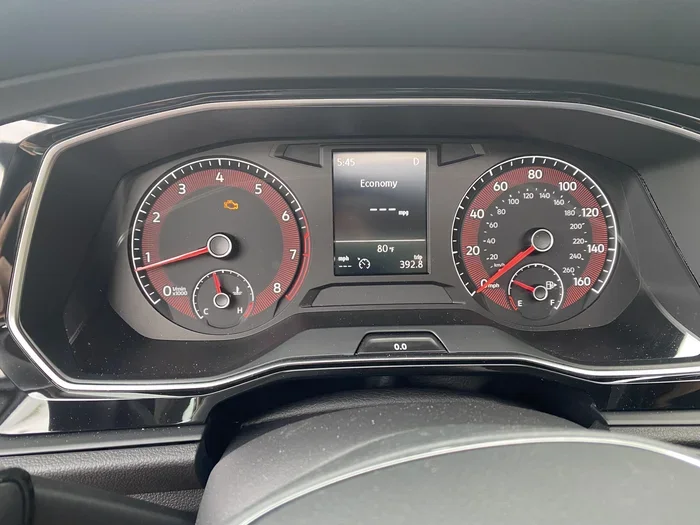
Does Check Engine Light Come On for Oil Change in VW
So, does the check engine light come on for oil change in Volkswagen? In most cases, the answer is no—your VW uses a separate oil change reminder system. However, certain issues during an oil change, like a loose oil cap or faulty sensor, can trigger the check engine light. This guide explains exactly when and why that happens, plus what to do if your dashboard is flashing.
You are driving your Volkswagen down the highway when a yellow engine-shaped icon suddenly lights up on the dashboard. Your mind races. Did you just get an oil change? Could the new oil have caused this? Many VW owners ask the same question: does the check engine light come on for oil change in Volkswagen? The short answer is usually no. But the full story is a little more nuanced, and understanding it can save you time, money, and a lot of worry.
Your Volkswagen is packed with sensors that monitor everything from fuel mixture to exhaust emissions. When something goes wrong, the car talks to you through dashboard lights. The check engine light is one of the most misunderstood warnings. People often confuse it with the oil change reminder or the low oil pressure light. This article clears up that confusion. We will walk through exactly how the system works, what actually triggers the light, and what you should do if it comes on after an oil change.
Key Takeaways
- No direct link: A standard oil change does not turn on the check engine light in Volkswagen vehicles.
- Separate systems: VW uses an oil life monitor for service reminders, while the check engine light detects engine problems.
- Common triggers: Loose caps, faulty sensors, or catalytic converter issues are the real culprits behind the light.
- Quick checks: You can often fix the light yourself by checking the gas cap, oil cap, and fluid levels.
- Professional help: If the light stays on after an oil change, a VW diagnostic scan will reveal the exact fault code.
- Prevention: Regular maintenance and quality parts keep your Volkswagen running smoothly and warning-light free.
📑 Table of Contents
- Understanding the Check Engine Light in Volkswagens
- Does the Check Engine Light Come On for an Oil Change in Volkswagen?
- Common Reasons the Check Engine Light Appears in VW
- How to Check if Your VW Needs an Oil Change
- What to Do When the Check Engine Light Stays On
- Preventing Check Engine Light Warnings
- Key Takeaways
- Conclusion
Understanding the Check Engine Light in Volkswagens
Before we answer the big question, it helps to know what the check engine light actually does. In Volkswagen vehicles, this light is part of the onboard diagnostics system, often called OBD-II. The system constantly monitors engine performance, emissions controls, and various sensors. If it detects a problem that could increase pollution or damage the engine, it stores a fault code and turns on the light.
How VW Detects Engine Problems
The check engine light is not a single sensor. It is a warning that comes from the engine control module, or ECM. The ECM receives data from dozens of sensors. These include the oxygen sensor, mass airflow sensor, crankshaft position sensor, and many more. When a sensor reads a value outside the normal range for a set period, the ECM logs a code. That code triggers the light. Common reasons include a loose gas cap, a failing catalytic converter, or a faulty oxygen sensor.
The Difference Between a Warning Light and a Reminder
Volkswagen uses two separate systems for maintenance warnings. The first is the oil change reminder. This system tracks your driving habits and engine revolutions to estimate when an oil change is due. It often shows a simple message like “Oil Service Due” or a little oil can icon. The second is the check engine light. This is a serious emissions-related warning. The two systems do not talk to each other directly. So an oil change by itself will not activate the check engine light.
Does the Check Engine Light Come On for an Oil Change in Volkswagen?
Here is the direct answer: a routine oil change does not cause the check engine light to turn on in a Volkswagen. The oil change process involves draining old oil, replacing the filter, and adding fresh oil. None of these steps affect the sensors that trigger the check engine light. However, there are a few situations where the light might appear shortly after an oil change. Understanding these can help you stay calm and take the right action.
Oil Change Reminders vs. Check Engine Lights
It is very common for owners to mix up the oil change reminder with the check engine light. The oil change reminder is usually a maintenance message on the instrument cluster or a small oil can symbol. The check engine light looks like an engine block shape. If you see the engine icon, your VW is telling you about an engine problem, not a service need. Always check which light you are looking at.
When an Oil Change Might Trigger the Light
Even though the oil change itself does not cause the light, things that happen during the service can. For example, if the technician forgets to tighten the oil drain plug or the oil filter, oil can leak. Low oil level can trigger the low oil pressure sensor, which may cause the check engine light to come on. Also, if the oil cap is not seated properly after the service, it can create a vacuum leak. The engine control module might interpret this as a problem and set a code. These are human errors, not design flaws.
Common Reasons the Check Engine Light Appears in VW
So what actually causes the check engine light to turn on in a Volkswagen? The reasons are many, but some are far more common than others. Below we break down the top triggers you are likely to encounter.
Loose Gas Cap or Oil Cap
This is the number one cause of a check engine light. The gas cap seals the fuel system and keeps vapors from escaping. If it is loose, damaged, or missing, the evaporative emissions system detects a leak. The car logs a code and lights up the dashboard. The same can happen with the oil cap if it is not tightened correctly after an oil change. A quick click of the cap often solves the problem.
Faulty Oxygen Sensor
The oxygen sensor measures how much oxygen is in your exhaust. This data helps the engine control module adjust the fuel mixture. Over time, these sensors can get coated in carbon deposits and fail. A bad oxygen sensor will trigger the check engine light and may reduce fuel economy. It is a common issue on older Volkswagen models.
Catalytic Converter Problems
The catalytic converter cleans up harmful gases before they leave the exhaust. If it becomes clogged or damaged, the back pressure increases and the sensor readings change. This often causes the light to come on. A failing catalytic converter can also make the engine run rough. It is a more expensive repair, so catching it early is important.
Spark Plug and Ignition Coil Issues
Spark plugs ignite the air-fuel mixture in the cylinders. Ignition coils provide the high voltage needed for the spark. When a spark plug is worn or a coil fails, the engine misfires. A misfire sends unburned fuel into the exhaust, which can damage the catalytic converter. The check engine light will appear immediately. Volkswagen engines are sensitive to misfires.
Mass Airflow Sensor Failure
The mass airflow sensor tells the engine how much air is entering the intake. The ECM uses this information to deliver the right amount of fuel. If the sensor gets dirty or fails, the air-fuel mixture becomes incorrect. This can cause rough idling, stalling, and the check engine light. Keeping your air filter clean helps prevent this issue.
| Common Reason | Typical Symptoms | Severity |
|---|---|---|
| Loose Gas Cap | Light comes on after refueling | Low |
| Oxygen Sensor Fault | Reduced fuel economy, rough idle | Medium |
| Catalytic Converter Failure | Engine power loss, sulfur smell | High |
| Spark Plug Misfire | Engine shaking, hesitation | Medium |
| Mass Airflow Sensor Issue | Stalling, poor acceleration | Medium |
How to Check if Your VW Needs an Oil Change
Since the check engine light does not tell you it is time for an oil change, how do you know? Volkswagen vehicles use an oil life monitoring system. This system does not measure oil quality directly. Instead, it tracks engine revolutions, temperature, and driving conditions. It then calculates when the oil is likely degraded and needs replacement.
The Oil Life Monitoring System
In most Volkswagen models, the oil life system is part of the instrument cluster display. When the oil life reaches zero, a message will appear that says “Oil Service Due” or “Next Service Due.” You might also see a small oil can icon with a wrench. This is your reminder to book an oil change. The system resets automatically after the service is performed and the technician enters the new service interval.
Dashboard Indicators for VW Models
Different Volkswagen models may show these reminders in slightly different ways. For example, a Volkswagen Golf might display the message in the multifunction display behind the steering wheel. A Volkswagen Passat might show it in the classic analog instrument cluster. The key is to look for the service message, not the engine icon. If you see the engine icon, that is a separate issue. Here is a quick way to tell the difference:
- Oil can with wrench: Time for an oil change.
- Engine block shape: Check engine light—something needs diagnosis.
- Red oil can: Low oil pressure—stop driving immediately.
What to Do When the Check Engine Light Stays On
If the check engine light comes on after an oil change, do not panic. In many cases, the cause is simple and fixable at home. Here is a step-by-step approach to diagnosing the issue.
Quick DIY Checks
Start with the easiest fixes. First, check the gas cap. Pull over safely and twist it until you hear it click. Drive for a few days and see if the light goes off. Next, check the oil cap. Make sure it is tight and the seal is clean. Then, look under the car for any fresh oil spots. If you see a leak, you need to address it right away. Finally, check the oil level with the dipstick. If the oil is low, top it up with the correct grade of oil for your Volkswagen.
When to Visit a VW Mechanic
If the simple checks do not turn off the light, it is time for a professional diagnostic. A VW mechanic can plug a diagnostic scanner into the OBD-II port. The scanner reads the fault codes stored in the engine control module. These codes tell exactly which sensor or system is causing the problem. For example, a code like P0420 points to catalyst efficiency, while P0301 indicates a misfire in cylinder one. Once you know the code, you can get the right repair.
Resetting the Light After an Oil Change
Sometimes the check engine light stays on even after the original problem is fixed. This happens because the fault code is still stored in memory. In many Volkswagen models, you can reset the light by disconnecting the battery for a few minutes. However, this method does not work on all models. Some newer VWs require a scan tool to clear the codes. Always check your owner’s manual before trying a battery disconnect. If the light returns after resetting, the underlying problem is not truly fixed.
Preventing Check Engine Light Warnings
The best way to deal with the check engine light is to prevent it from coming on in the first place. Regular maintenance and good driving habits go a long way toward keeping your Volkswagen healthy.
Stick to the Service Schedule
Volkswagen provides a detailed maintenance schedule in the owner’s manual. Following this schedule ensures that worn parts are replaced before they cause problems. Regular oil changes, spark plug replacements, and air filter changes keep the engine running smoothly. Skipping services may seem like a shortcut, but it often leads to bigger repairs and unexpected warning lights.
Use Quality Parts and Fluids
Not all oil and filters are the same. Volkswagen engines are designed to run on specific oil grades, often 5W-30 or 5W-40 synthetic oil. Using the wrong oil can cause increased wear and trigger sensor alerts. Similarly, cheap oil filters may not filter contaminants properly. Always use parts that meet Volkswagen specifications. If you are unsure, ask your service advisor for OEM-quality replacements.
Pay Attention to Early Warning Signs
Your Volkswagen often gives you hints before the check engine light comes on. You might notice a slight decrease in fuel economy, a faint rattling noise, or a subtle change in idle quality. Do not ignore these signs. Addressing small issues early can prevent the check engine light from appearing and save you from costly repairs later.
Key Takeaways
- No direct link: A routine oil change does not turn on the check engine light in Volkswagen vehicles.
- Separate systems: VW uses an oil life monitor for service reminders, while the check engine light detects engine problems.
- Common triggers: Loose caps, faulty sensors, or catalytic converter issues are the real culprits behind the light.
- Quick checks: You can often fix the light yourself by checking the gas cap, oil cap, and fluid levels.
- Professional help: If the light stays on after an oil change, a VW diagnostic scan will reveal the exact fault code.
- Prevention: Regular maintenance and quality parts keep your Volkswagen running smoothly and warning-light free.
Conclusion
To answer the question directly: does the check engine light come on for oil change in Volkswagen—the answer is almost always no. Your Volkswagen has a dedicated oil change reminder system that operates independently from the emissions-related check engine light. However, mistakes during an oil change, such as a loose cap or low oil level, can occasionally trigger the light. When that happens, a few simple checks often solve the problem. If the light persists, a professional diagnostic scan will pinpoint the exact issue. Staying on top of regular Volkswagen maintenance and using quality parts are the best ways to keep your car running smoothly and avoid unexpected dashboard warnings. Now you know exactly what to look for and what to do. Drive with confidence.
Frequently Asked Questions
Can an oil change cause the check engine light to come on in a Volkswagen?
The oil change itself does not cause the light. However, if the technician makes a mistake, such as not tightening the oil cap or draining plug, it can trigger a leak or low oil pressure. This may activate the check engine light. Always double-check that all caps are secure after an oil change.
What is the difference between the oil change light and the check engine light in a VW?
The oil change light is a maintenance reminder, often shown as an oil can with a wrench. The check engine light looks like an engine block and indicates an emissions or engine problem. They are separate systems. The oil change light does not mean your car is damaged.
How do I reset the check engine light after fixing the problem?
In many Volkswagen models, you can reset the light by disconnecting the battery for about 15 minutes. Some newer models require a diagnostic tool to clear the fault codes. If the light returns after resetting, the repair was not successful and the underlying issue still exists.
Is it safe to drive with the check engine light on in a Volkswagen?
It depends on the severity. If the light is steady and the car runs normally, you can drive carefully to a repair shop. If the light flashes, it usually indicates a serious misfire that can damage the catalytic converter. Stop driving immediately and get the car towed.
What are the most common reasons the check engine light comes on in a Volkswagen?
The most common causes are a loose gas cap, a failing oxygen sensor, a bad catalytic converter, spark plug misfires, and a faulty mass airflow sensor. These issues are well-documented across VW models and can usually be fixed without major expense.
How often should I change the oil in my Volkswagen to prevent warning lights?
Volkswagen recommends oil changes every 10,000 miles or 12 months for modern models, but this can vary based on driving conditions. Check your owner’s manual for the exact service interval. Staying on schedule keeps the engine healthy and prevents oil-related sensor alerts.